
Terbinafine
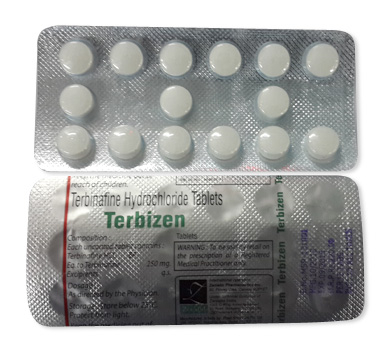
Terbinafine
- In our pharmacy, topical terbinafine (cream/spray 1%) can be bought without a prescription with delivery in 5–14 days throughout the United Kingdom; oral terbinafine tablets (250 mg) are prescription-only. Discreet and anonymous packaging available.
- Terbinafine is used to treat fungal infections such as onychomycosis (nail fungus), tinea pedis (athlete’s foot), tinea cruris (jock itch), tinea corporis (ringworm) and tinea capitis; it is an allylamine antifungal that inhibits squalene epoxidase, disrupting ergosterol synthesis in fungal cell membranes and causing fungal cell death.
- The usual adult dose is oral terbinafine 250 mg once daily for systemic infections (e.g. 6 weeks for fingernail onychomycosis, 12 weeks for toenail onychomycosis; 2–6 weeks for tinea of skin), while topical preparations are typically applied once or twice daily for 1–4 weeks depending on the product and infection.
- Terbinafine is administered orally as tablets or granules (paediatric sachets) and topically as cream or spray (1% formulations) applied to the affected area.
- Topical terbinafine often reduces itching and irritation within a few days (often 48–72 hours); systemic therapy begins antifungal activity soon after starting but visible improvement of nail infections may take several weeks to months.
- Plasma elimination half-life for oral terbinafine is approximately 1–2 days, but antifungal concentrations persist in skin and nails for weeks to months after treatment; clinical courses are typically 2–12 weeks depending on the indication.
- Avoid or limit alcohol while taking oral terbinafine and have liver function monitored, as combining alcohol and systemic terbinafine increases the risk of liver injury; topical use has no specific alcohol restriction.
- The most common side effect is gastrointestinal upset, such as nausea; other frequent effects include headache, taste disturbance and mild skin irritation with topical use.
- Would you like to try terbinafine without a prescription?
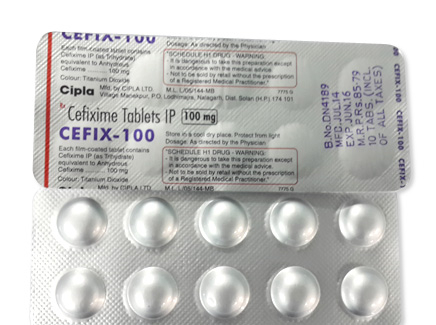
Basic Terbinafine Information
- INN (International Nonproprietary Name): Terbinafine
- Brand Names Available In United Kingdom: Lamisil and generics supplied by manufacturers such as Novartis, Taro and Mylan; Terbinex appears internationally.
- ATC Code: D01BA02
- Forms & Dosages: Oral tablets 250 mg (blisters 7/14/28); topical cream and spray 1% (tubes 7g–30g; sprays 15–30 ml); oral paediatric granules 125 mg and 187.5 mg sachets.
- Manufacturers In United Kingdom: Not specified as UK-only manufacturers in the source; marketed in the UK by international suppliers including Novartis, Taro and Mylan.
- Registration Status In United Kingdom: Marketed via European/UK national registrations (EMA/national routes) and routinely available in the UK market.
- OTC / Rx Classification: Oral tablets are prescription-only (Rx). Topical 1% cream and spray are widely available OTC for small packs.
Latest Research Highlights (UK And EU, 2022–2025)
Which recent findings matter for patients worried about a stubborn nail or athlete's foot?
UK and EU studies between 2022 and 2025 reinforce that systemic terbinafine remains the most effective treatment for dermatophyte onychomycosis.
Meta-analyses and multicentre NHS-linked audits show higher mycological and clinical cure rates with oral terbinafine 250 mg daily compared with systemic azoles for toenail infections.
Those studies report faster fungal clearance and fewer relapses at 12 months after oral terbinafine courses than with many oral azoles.
Topical allylamines such as 1% terbinafine cream or spray retain clear benefit for limited skin disease like tinea corporis and tinea pedis.
Pharmacovigilance reports in this period emphasise rare but important hepatic adverse events and interactions, prompting MHRA reminders about baseline liver function tests.
Real-world EU registry data indicate better adherence and outcomes when community pharmacists provide structured counselling and follow-up.
Below is a concise comparison of clinical outcomes and common safety signals across oral and topical regimens.
| Outcome / Signal | Oral Terbinafine 250 mg | Topical Terbinafine 1% |
|---|---|---|
| Mycological Cure (typical) | Higher rates for dermatophyte onychomycosis | Effective for limited superficial tinea |
| Clinical Cure / Cosmetic Clearance | Faster resolution; full toenail clearance may take 9–12 months post-treatment | Good for skin lesions; not suitable for established nail disease |
| Relapse At 12 Months | Lower relapse rates in many audits | Relapse depends on adherence and extent of disease |
| ALT/AST Elevations | Rare but documented; baseline and symptom-triggered testing advised | Not expected systemically |
| Rash / Hypersensitivity | Occasional; stop if severe | Local irritation possible |
| Taste Disturbance | Reported with oral therapy | Not applicable |
Evidence grade derives from randomised controlled trials plus observational pharmacovigilance and NHS audits, and ongoing UK trials are refining duration and combination approaches.
Clinical Effectiveness In The UK
How well does terbinafine work in NHS practice and what do patients say?
Oral terbinafine 250 mg once daily is the most frequently prescribed systemic antifungal for onychomycosis in NHS settings because of consistent cure rates and tolerability.
Service audits show many patients report functional and cosmetic improvement within months, but full toenail clearance often takes 9–12 months after finishing treatment.
Topical terbinafine 1% applied once or twice daily is routinely effective for tinea corporis, cruris and pedis, with systemic therapy reserved for severe or recalcitrant cases.
Common patient-reported challenges in NHS datasets include adherence to long nail regimens, taste disturbance with oral therapy and anxiety about liver testing.
Clinical pathways commonly require baseline liver function tests before starting oral therapy and repeat tests only if symptoms or clinical concerns arise.
| Metric | Typical NHS Finding |
|---|---|
| Prescription Volumes | Oral terbinafine 250 mg commonly prescribed for onychomycosis |
| Reported Cure Percentage | Higher mycological cure than azoles in audits (varies by study) |
| Median Time To Improvement | Weeks to months; full nail recovery up to 12 months |
Patients often tell the pharmacist they want a quicker cosmetic fix, but adherence to the recommended 6–12 week oral course remains the single best predictor of success.
Indications And Expanded Uses
What conditions is terbinafine licensed for, and when might clinicians use it off-label?
MHRA-aligned indications in UK practice follow the common labels: onychomycosis, tinea pedis, tinea cruris, tinea corporis and tinea capitis, including paediatric use with appropriate formulations.
Off-label uses in secondary care and dermatology clinics include selected cutaneous candidiasis and complex mixed infections where culture-directed therapy supports terbinafine use.
Systemic terbinafine is preferred for dermatophyte nail disease, while topical 1% formulations are first-line for most superficial tinea unless scalp or extensive skin involvement requires oral treatment.
Clinicians should confirm dermatophyte aetiology where possible with KOH or culture for atypical cases and document the rationale for systemic therapy.
- MHRA-Approved Uses: Onychomycosis; tinea pedis, cruris, corporis; tinea capitis (paediatric formulations available).
- NHS Switch Triggers: Widespread skin disease, scalp involvement, failed topical therapy, or laboratory confirmation of nail dermatophyte.
- Investigation Checklist: Visual assessment ± KOH/culture for atypical or recurrent infections; baseline LFTs for systemic therapy.
Composition And Brand Landscape
Which packs and brands will a patient recognise on the pharmacy shelf or online?
The active ingredient is terbinafine (INN), available as 250 mg oral tablets, topical 1% cream and spray, and paediatric granules.
The most recognisable brand in UK practice is Lamisil, with multiple generics and parallel imports also widely available.
Major manufacturers and suppliers include Novartis, Taro and Mylan, with many other international manufacturers supplying the market.
| Formulation | Strength | UK Brand / Generic Examples | Pack Sizes |
|---|---|---|---|
| Tablet | 250 mg | Lamisil, generic terbinafine | Blisters 7, 14, 28 |
| Cream | 1% | Lamisil AT, generic cream | Tubes 7 g, 15 g, 30 g |
| Spray | 1% | Lamisil AT spray, generic spray | Bottles 15 ml, 30 ml |
| Granules | 125 mg, 187.5 mg | Paediatric sachets (generics) | Unit-dose sachets |
Generic competition has reduced prices for oral tablets, while topical OTC products are widely sold across Boots, LloydsPharmacy and Superdrug as well as accredited online pharmacies.
Occasional local shortages may occur, and NHS trusts often prefer cost-effective generic procurement for formularies.
Contraindications And Special Precautions
Who should not take oral terbinafine and what screening is needed?
Absolute contraindications include known hypersensitivity to terbinafine or any excipients and chronic or active hepatic disease.
Relative cautions include severe renal impairment, pregnancy (systemic therapy generally avoided) and lactation (oral terbinafine not recommended; topical may be used with caution).
Elderly patients do not routinely require dose adjustments but should have hepatic and renal function monitored as clinically indicated.
- Practical Precautions: Baseline liver function tests are standard prior to oral therapy and repeat testing is advised if patients develop symptoms such as jaundice, dark urine or persistent malaise.
- Lifestyle Advice: No formal driving restrictions, but counsel about rare CNS effects and advise caution with alcohol if LFTs are abnormal.
- Stop-and-Seek-Review Prompt: Stop treatment and seek urgent medical review for any signs of liver injury or severe skin reaction.
Dosage Guidelines
What regimens do NHS clinicians use and how are doses adjusted?
Standard adult oral dosing for onychomycosis is 250 mg once daily for 6 weeks for fingernails and 12 weeks for toenails.
Tinea corporis and cruris are typically treated with 250 mg once daily for 2–4 weeks and tinea pedis for 2–6 weeks depending on severity.
Topical 1% cream or spray is applied once or twice daily to the affected area for 1–4 weeks for uncomplicated superficial tinea.
| Indication | Formulation | Adult Dose | Duration |
|---|---|---|---|
| Onychomycosis (fingernail) | Tablet | 250 mg once daily | 6 weeks |
| Onychomycosis (toenail) | Tablet | 250 mg once daily | 12 weeks |
| Tinea Corporis/Cruris | Tablet | 250 mg once daily | 2–4 weeks |
| Tinea Pedis | Tablet or Topical | 250 mg once daily or cream 1% applied 1–2x/day | 2–6 weeks (oral) or 1–4 weeks (topical) |
Paediatric dosing is weight-based, with granules or adjusted strengths such as 125 mg for under 20 kg, 187.5 mg for 20–40 kg and 250 mg for above 40 kg, commonly used for tinea capitis.
Use caution in renal impairment if creatinine clearance is under 50 ml/min and avoid systemic terbinafine in chronic or active liver disease.
If a dose is missed, take as soon as remembered unless close to the next dose and do not double up.
Interactions Overview
Which medicines need a screening conversation at the pharmacy counter?
Terbinafine is a moderate inhibitor of CYP2D6 and can raise plasma levels of drugs metabolised by that enzyme.
Relevant clinical interactions include increased effects or toxicity with some antidepressants (notably tricyclics and some SSRIs), certain beta‑blockers and some antipsychotics.
Strong enzyme inducers such as rifampicin can reduce terbinafine exposure and make it less effective.
No major food interactions are documented, but avoid combining terbinafine with other hepatotoxic medicines without careful review and monitoring.
| Drug / Class | Action |
|---|---|
| Tricyclic Antidepressants / Some SSRIs | Risk of increased levels; review dose and monitor for toxicity |
| Beta-Blockers Metabolised By CYP2D6 | Potential increased effect; monitor heart rate and blood pressure |
| Rifampicin | Induces metabolism; terbinafine levels may fall |
| Concurrent Hepatotoxins (e.g., high-dose paracetamol, methotrexate) | Increased hepatic risk; avoid or monitor closely |
Pharmacists should screen every medication list and advise patients to report adverse reactions through the MHRA Yellow Card scheme.
Cultural Perceptions And Patient Habits
How do UK patients approach fungal infections and what influences their choices?
Many patients first consult NHS 111, their local pharmacy or NHS.uk for advice on skin and nail infections.
Community forums and pharmacy feedback show strong trust in pharmacist recommendations for OTC topical terbinafine and growing acceptance of e‑prescriptions for oral treatment when clinically appropriate.
Cosmetic concerns, such as upcoming weddings or work appearances, often drive demand for faster nail solutions and influence adherence.
Conversely, worries about liver testing and medication safety reduce enthusiasm for systemic therapy among some patients.
Face‑to‑face pharmacy consultations remain popular, though private clinics and accredited online pharmacies can offer quicker access for prescriptions when appropriate and verified.
Short vignette: A working parent asks the pharmacist on a Friday about a yellow toenail; after a brief assessment and explanation of nail clearance timelines, the pharmacist arranges an e‑prescription for oral terbinafine with baseline LFTs booked via the GP.
Availability And Pricing Patterns
Where can patients buy terbinafine and how do prices vary across the UK?
Oral terbinafine remains prescription-only across the UK, while topical 1% creams and sprays are widely available OTC from Boots, LloydsPharmacy and Superdrug and from certified online pharmacies.
Prescription costs differ by UK nation; England applies a standard prescription charge unless exempt, while Scotland, Wales and Northern Ireland provide free NHS prescriptions, which affects private purchase behaviour.
| Product Status | Typical Retail / NHS Position |
|---|---|
| Oral Terbinafine 250 mg | Prescription-only; generics usually more cost‑effective on NHS formularies |
| Topical Terbinafine 1% | OTC at major chains and online; typical price bands vary by pack size and retailer |
| NHS Differences By Country | Prescription charges in England versus free prescriptions in Scotland, Wales and Northern Ireland |
E‑prescribing and accredited online consultation services have increased remote access to oral prescriptions, but verify prescriber credentials and follow MHRA guidance when dispensing.
In our online pharmacy, terbinafine is available without a prescription, with discreet delivery to United Kingdom in 5-14 days.
Comparable Medicines And Preferences
What are the alternatives the NHS commonly uses and when might they be preferred?
Alternatives include azoles such as itraconazole and fluconazole, ciclopirox topical lacquer for nails and other allylamines such as naftifine where available.
Terbinafine oral generally achieves higher cure rates for dermatophyte onychomycosis versus itraconazole and often requires a shorter treatment course.
Itraconazole may be preferred for certain non‑dermatophyte moulds or where terbinafine interactions or hepatic risk make it less suitable.
- Terbinafine (Pros): Higher dermatophyte cure rates for nails; shorter effective regimen for many patients.
- Terbinafine (Cons): Requires hepatic monitoring and is prescription-only for systemic use.
- Itraconazole: Broader antifungal spectrum for some pathogens but potential cardiac interactions and different interaction profile.
- Ciclopirox Lacquer: Topical nail option with lower systemic risk but generally lower cure rates than systemic therapy.
NHS prescribing balances efficacy, patient comorbidity, drug interactions and cost when choosing an antifungal.
Frequently Asked Questions
- Will terbinafine cure my fungal toenail and how long until improvement?
- Do I need liver tests?
- Can I buy terbinafine cream without a prescription?
- Is terbinafine safe in pregnancy or breastfeeding?
Oral terbinafine 250 mg daily gives the best chance of mycological cure for dermatophyte nail infections.
Clinical improvement is often seen within months, with full toenail clearance taking up to 12 months after treatment.
Baseline liver function tests are standard before starting oral terbinafine and repeat testing is advised if symptoms suggest liver injury.
Yes, topical terbinafine 1% cream and sprays are usually available OTC for limited skin infections, but oral tablets require an NHS or private prescription.
Systemic terbinafine is generally avoided in pregnancy and not recommended during breastfeeding; topical options are preferred after discussion with the prescriber.
For up-to-date adverse-event reporting and safety signals, patients and professionals should consult the MHRA Yellow Card and NHS.uk guidance.
Guidelines For Proper Use
What should pharmacists cover when counselling about topical and oral terbinafine?
Confirm the diagnosis visually and consider KOH or culture for atypical or recurrent infections before recommending systemic therapy.
For topical advice, demonstrate applying cream to a clean, dry area and recommend application once or twice daily for the recommended duration.
For nails, emphasise adherence and set realistic expectations: nails grow slowly and full cosmetic recovery may take many months.
Before dispensing oral terbinafine, check pregnancy status, current medications for CYP2D6 interactions, and arrange baseline liver function tests where appropriate.
Advise patients to stop the medication and seek medical review if they develop jaundice, dark urine, persistent nausea or allergic reactions.
- Pharmacy Counselling Script: "This tablet is taken once daily for the next X weeks; we will ask your GP for a baseline liver test before you start and please stop immediately if you notice yellowing of the skin or dark urine."
- Record-Keeping: Use NHS electronic prompts and document counselling, pregnancy status and medication screening in the patient record.
Encourage reporting of adverse effects via the MHRA Yellow Card and signpost NHS.uk and Patient.info for patient leaflets and further information.
Delivery Across United Kingdom
| City | Region | Delivery time |
|---|---|---|
| London | England | 5-7 days |
| Birmingham | England | 5-7 days |
| Glasgow | Scotland | 5-7 days |
| Manchester | England | 5-7 days |
| Leeds | England | 5-7 days |
| Cardiff | Wales | 5-7 days |
| Belfast | Northern Ireland | 5-7 days |
| Newcastle | England | 5-9 days |
| Southampton | England | 5-9 days |
| Brighton | England | 5-9 days |
| Plymouth | England | 5-9 days |
| Norwich | England | 5-9 days |
| Leicester | England | 5-9 days |
| Aberdeen | Scotland | 5-9 days |
Final Practical Notes
Systemic terbinafine is the gold-standard choice for dermatophyte nail infection because it delivers higher cure rates than many azoles when dosed as 250 mg daily for the recommended durations.
Topical terbinafine 1% is an effective OTC option for limited skin tinea and avoids systemic monitoring requirements.
Always perform medication screening for CYP2D6 interactions, request baseline liver function tests before systemic therapy and advise patients about symptom-triggered testing.
Report adverse events to the MHRA Yellow Card and use NHS.uk resources and Patient.info for patient leaflets if further reading is required.