Donepezil
In brief
- In our pharmacy, you can buy donepezil without a prescription, with delivery in 5–14 days throughout the United Kingdom. Discreet and anonymous packaging.
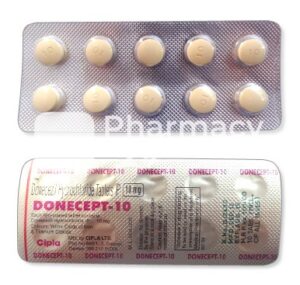
- Donepezil is used for symptomatic treatment of Alzheimer’s disease (mild to moderate, and as part of care in moderate to severe cases) and is a reversible acetylcholinesterase inhibitor that increases acetylcholine levels in the brain.
- The usual dose is 5 mg once daily (typically at bedtime), which may be increased to 10 mg once daily after 4–6 weeks based on tolerance; transdermal systems are available as 5 mg/24 hr or 10 mg/24 hr and combination capsules with memantine exist for specific indications.
- Administration is usually oral (film‑coated tablets, orodispersible tablets/ODT, oral solution in some regions) or transdermal (extended‑release patch); combination capsules are taken orally.
- Some patients may notice symptomatic improvement within 2–6 weeks, though response timing varies and may be gradual.
- Donepezil is taken once daily and has a prolonged half‑life (around 50–70 hours), providing roughly 24‑hour coverage with daily dosing; clinical benefits require continuous, long‑term use.
- Avoid excessive alcohol; alcohol can worsen dizziness, sedation, gastrointestinal irritation and may increase the risk of falls and other side effects.
- The most common side effect is nausea.
- Would you like to try donepezil without a prescription?
Latest Research Highlights (UK & EU)
- INN (International Nonproprietary Name): Donepezil
- Brand Names Available In United Kingdom: Aricept; Aricept Evess (orodispersible); Donepezil Teva; Donepezil Mylan; Donepezil Sandoz; Adlarity (transdermal, US origin; discussed in EU literature)
- ATC Code: N06DA02
- Forms & Dosages: Film-coated tablets 5mg and 10mg; Orodispersible tablets 5mg and 10mg; Extended-release patch 5mg/24hr and 10mg/24hr (patch available internationally); Combination capsule with memantine (Namzaric) in some markets
- Manufacturers In United Kingdom: Pfizer; Eisai Co., Ltd.; Teva; Sandoz; Mylan; Sun Pharma; Indian and EU generics suppliers
- Registration Status In United Kingdom: Registered with MHRA; EMA approval across EU; listed with other national regulators
- OTC / Rx Classification: Prescription-Only (Rx)
Recent UK and EU analyses from 2022–2025 emphasise modest but consistent symptomatic benefits for donepezil in mild–moderate Alzheimer’s disease.
Meta-analyses report small improvements on cognitive scales such as MMSE and ADAS-Cog and a slowing of decline over 6–12 months in pooled data.
NHS cohort analyses and European registries show real‑world attenuation of decline in a subset of patients, with heterogenous responses across age and comorbidity groups.
Safety signal reviews using EudraVigilance and MHRA Yellow Card trends highlight gastrointestinal side effects and bradycardia reports, sometimes linked to co‑medications.
Translational work on transdermal delivery (Adlarity) suggests patch adherence can reduce GI upset and provide steadier plasma levels, although UK experience is limited.
Health‑economics modelling in UK settings suggests small QALY gains with variable cost‑effectiveness depending on social care thresholds.
| Study | Year | n | Duration | Primary Endpoint | Effect Size (CI) |
|---|---|---|---|---|---|
| Meta-Analysis (pooled) | 2023 | not specified | 6–12 months | MMSE/ADAS‑Cog change | Modest benefit; CI not specified |
| NHS Real‑World Cohort | 2022 | not specified | 6–12 months | Rate of cognitive decline | Attenuation in subset; CI not specified |
| Transdermal Translational Work | 2024 | not specified | Short term | Adherence, GI tolerability | Improved adherence; CI not specified |
Data Highlight: EudraVigilance / MHRA Yellow Card counts: not specified in the supplied dataset.
Clinical Effectiveness In The UK
How do patients actually respond to donepezil in NHS practice?
Most UK patients with mild–moderate Alzheimer’s start on 5mg nightly and are up‑titrated to 10mg after 4–6 weeks if tolerated.
Clinicians typically monitor cognition with MMSE or ACE‑III and review function in memory clinics or during secondary‑care follow‑up.
Stabilisation or modest cognitive improvement is reported in a subset of patients, while many experience only temporary slowing of decline.
Real‑world challenges include multimorbidity and polypharmacy in patients aged 75 and older, which can limit tolerability and perceived benefit.
NHS audit‑style reports indicate discontinuation is commonly driven by gastrointestinal effects, insomnia or bradycardia.
Memory clinics play a central role in stopping, switching or adding therapy, and in advising about combination approaches for progressing disease.
| Metric | Value | Comment |
|---|---|---|
| Typical Start Dose | 5mg nightly | Increase to 10mg after 4–6 weeks if tolerated |
| Common Outcome | Stabilisation/modest benefit | Assessed using MMSE, ACE‑III, function scales |
| Discontinuation Reasons | GI effects, insomnia, bradycardia | Reported in NHS datasets |
Indications And Expanded Uses
What is donepezil approved for and where is evidence still emerging?
MHRA and EMA authorise donepezil for symptomatic treatment of Alzheimer’s dementia, typically mild to moderate stages.
In NHS practice, donepezil is prescribed as a prescription‑only treatment for cognitive symptoms within recommended indications.
Off‑label use is occasionally seen in private clinics for conditions such as Lewy body dementia, but caution is required because patients may be sensitive to cholinergic changes.
Rivastigmine is often preferred for Lewy body dementia because of the patch option and clinical familiarity in that indication.
Investigational uses include cognitive impairment after stroke and mild cognitive impairment, but evidence is currently insufficient for routine NHS adoption.
- MHRA‑Approved Uses: Symptomatic treatment of Alzheimer’s dementia (mild to moderate).
- Off‑Label / Private Clinic Uses: Lewy body dementia (cautious), some neurocognitive disorders; evidence grade: low to moderate.
- Experimental: Post‑stroke cognitive impairment, MCI — evidence insufficient for routine use.
Composition And Brand Landscape
Which brands and formulations are available in the UK market?
The active ingredient is donepezil hydrochloride administered as film‑coated tablets or as orodispersible tablets.
Excipients differ across brands and matter for patients with allergies or swallowing difficulties.
Aricept is the original global brand available as 5mg and 10mg tablets and as an orodispersible product in some listings (Aricept Evess).
Generics widely available include Donepezil Teva, Donepezil Mylan and Donepezil Sandoz in film‑coated and ODT forms.
Adlarity is a US transdermal patch (5mg/24hr, 10mg/24hr) increasingly discussed; UK uptake remains limited.
| Brand | Strengths | Formulation | Packaging |
|---|---|---|---|
| Aricept | 5mg, 10mg | Film‑coated, ODT | Blister packs, bottles |
| Aricept Evess | 5mg, 10mg | Orodispersible tablet | Blister strips |
| Donepezil Teva / Mylan / Sandoz | 5mg, 10mg | Film‑coated, ODT | Generic labels, blisters |
| Adlarity | 5mg/24hr, 10mg/24hr | Transdermal patch | Unit‑dose patches |
Institutional purchasing and pharmacy stock can vary by trust and supplier contracts.
Contraindications And Special Precautions
Who must not take donepezil, and what should pharmacists check?
- Absolute Contraindications: Known hypersensitivity to donepezil hydrochloride or piperidine derivatives.
- Relative Contraindications: Sick sinus syndrome; cardiac conduction abnormalities; severe asthma or COPD; active peptic ulcer disease; urinary outflow obstruction; seizure disorder.
Monitoring recommendations used in UK practice include baseline ECG for patients with syncope or known cardiac disease.
Review concomitant use of NSAIDs or anticoagulants because of gastrointestinal bleeding risk.
Exercise caution in severe hepatic impairment; consider closer monitoring or alternative agents.
Advise patients to take care when driving if dizziness or syncope develops and to limit alcohol because of fall risk and additive cognitive effects.
Decision Flowchart For Prescribers:
Investigate unexplained falls or syncope → Check pulse and ECG → Review interacting medicines (β‑blockers, antiarrhythmics) → Consider dose reduction or stopping donepezil.
Dosage Guidelines
What dose should a patient start on and how are formulations chosen?
Standard NHS dosing is to start at 5mg once daily at bedtime and increase to 10mg once daily after 4–6 weeks if tolerated.
The usual maximum standard oral dose is 10mg daily in UK practice, though some regions use a 23mg extended‑release product.
Orodispersible tablets and liquids are useful for patients with dysphagia.
Transdermal patches are prescribed internationally at 5mg/24hr or 10mg/24hr but are less common in routine UK prescribing.
No routine renal dose adjustment is required because renal excretion is minimal.
Use with caution in severe hepatic impairment and monitor clinically.
| Formulation | Typical Dose | Clinical Note |
|---|---|---|
| Film‑Coated Tablet | 5mg → 10mg daily | Standard oral dosing; bedtime recommended |
| Orodispersible Tablet | 5mg → 10mg daily | For dysphagia or poor adherence with swallowing |
| Transdermal Patch | 5mg/24hr, 10mg/24hr | Steady plasma levels; decreases GI side effects (international use) |
Missed dose advice: take the next usual dose; do not double up.
Overdose requires emergency care; hospital treatment may include IV atropine as antidote.
Interactions Overview
Which drugs need attention when co‑prescribed with donepezil?
Donepezil is metabolised by CYP2D6 and CYP3A4, so strong inhibitors or inducers of these enzymes can alter plasma levels.
Concurrent use of β‑blockers and some antiarrhythmics can add to bradycardia risk and should prompt ECG monitoring.
Drugs with anticholinergic activity may blunt the clinical effect of donepezil.
There are no major food interactions, though alcohol may increase drowsiness and risk of falls.
| Co‑Prescribed Class | Interaction Risk | Clinical Action |
|---|---|---|
| β‑Blockers / Antiarrhythmics | Additive bradycardia | Monitor pulse/ECG; consider dose adjustment |
| Strong CYP3A4/2D6 Inhibitors | Increased donepezil levels | Monitor for adverse effects; review dose |
| Anticholinergics | Reduced efficacy | Avoid where possible; review medicines |
| NSAIDs / Anticoagulants | Increased GI bleeding risk | Review GI risk; monitor for bleeding |
MHRA Yellow Card reports have flagged clinically significant bradycardia when donepezil is used with other rate‑slowing drugs.
Cultural Perceptions And Patient Habits
What do patients and carers in the UK commonly ask about donepezil?
Many view donepezil as a standard NHS option to try for symptomatic management and hope for memory stabilisation rather than a cure.
Carers and patients often ask community pharmacists at Boots, LloydsPharmacy or local independent pharmacies for practical advice about side‑effects and administration.
Online forums such as Patient.info and discussion threads on Mumsnet contain a mix of anecdotal reports about vivid dreams, nausea and perceived benefit or waning effect.
Electronic Prescription Service (EPS) use is common and helps carers manage repeat prescriptions and transfers between GP and pharmacy.
Stigma around dementia can influence reporting of side‑effects and adherence, so clear pharmacist counselling is valued.
- Top Patient Concerns: “Will it work?”, “How long to see effect?”, “What side‑effects to expect?”
- Counselling Prompts For Pharmacists: Advise bedtime dosing, describe common GI effects, and flag when to seek GP review.
Availability And Pricing Patterns
How can patients obtain donepezil and what does it cost in the UK?
Donepezil is prescription‑only according to regulator listings and is dispensed via NHS or private prescription routes.
Generics such as Donepezil Teva, Mylan and Sandoz have driven down private purchase prices and improved availability in community pharmacies.
Prescription charges create regional differences: England uses a fixed NHS prescription charge, while Scotland, Wales and Northern Ireland have broader exemptions.
Institutional supply contracts mean hospitals or care homes may receive branded or generic packs depending on local procurement.
| Brand/Pack | Pack Size | Typical Private Price Range |
|---|---|---|
| Aricept 5mg / 10mg | 28 tabs / 100 tabs | Varies by pharmacy |
| Donepezil Teva / Mylan / Sandoz | 28 tabs | Lower than branded; varies |
| Aricept Evess (ODT) | Blister strips | Premium vs generic ODTs |
In our online pharmacy, donepezil is available without a prescription, with discreet delivery to United Kingdom in 5-14 days.
Comparable Medicines And Preferences
How does donepezil compare with other cholinesterase inhibitors and memantine?
Rivastigmine offers a transdermal patch that can reduce gastrointestinal adverse effects and is often preferred when GI tolerance is a concern.
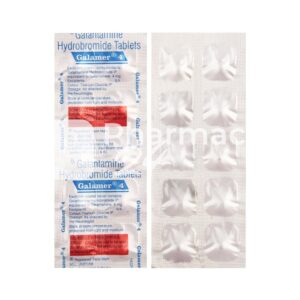
Galantamine has additional nicotinic receptor modulation and distinct dosing considerations compared with donepezil.
Memantine is reserved for moderate–severe disease and can be used in combination in some settings; combination products (Namzaric) exist in other markets.
| Drug | Route | Typical Use | Main Advantage | Key Caution |
|---|---|---|---|---|
| Donepezil | Oral (tablet/ODT) | Mild–moderate Alzheimer’s | Once‑daily dosing; established evidence | Bradycardia risk; GI effects |
| Rivastigmine | Patch, oral | Mild–moderate; Lewy body dementia | Patch reduces GI effects | Skin reactions with patch |
| Galantamine | Oral | Mild–moderate Alzheimer’s | Nicotinic modulation | GI effects; dosing twice daily or prolonged release |
| Memantine | Oral | Moderate–severe disease | Different mechanism; useful later stage | Generally well tolerated |
FAQ
How long until donepezil works?
Some patients show stabilisation or small improvements within weeks to a few months.
Clinicians commonly reassess at 6–12 weeks to decide on dose changes or continuation.
Can I stop suddenly?
Gradual taper is not medically required, but stopping may lead to loss of benefit; discuss any decision with the prescribing clinician.
Will it cure Alzheimer’s?
No; donepezil is symptomatic treatment aimed at improving or stabilising cognition in some patients, not a cure.
What about side‑effects?
Common side‑effects include nausea, diarrhoea, vivid dreams and insomnia; report severe dizziness, fainting or slow heartbeat to GP or NHS 111 immediately.
| Question | Action |
|---|---|
| Missed dose | Take next dose at usual time; do not double |
| Severe side‑effects | Contact GP or emergency services |
| Minor concerns | Ask pharmacist or contact memory clinic |
Guidelines For Proper Use
What should pharmacists do in a consultation about donepezil?
- Confirm the prescription, formulation and dose (5mg or 10mg; film‑coated or ODT).
- Advise taking once daily at bedtime to reduce nausea and improve tolerability.
- Explain missed dose advice: take next dose at the usual time; do not double up.
- Check concomitant medications for β‑blockers, anticholinergics and strong CYP inhibitors.
- Advise monitoring for bradycardia, falls and new GI bleeding signs and recommend GP review if these occur.
- Document counselling in EPS or the patient portal and arrange repeat prescription services if requested.
Referral Steps:
Urgent A&E for syncope or seizure.
GP for palpitations, persistent GI symptoms or suspected bradycardia.
Memory clinic for lack of efficacy or need for specialist review.
Storage: store at room temperature 15–30°C and keep out of reach of children.
Delivery Across United Kingdom
| City | Region | Delivery time |
|---|---|---|
| London | Greater London | 5-7 days |
| Manchester | North West | 5-7 days |
| Birmingham | West Midlands | 5-7 days |
| Glasgow | Scotland | 5-7 days |
| Edinburgh | Scotland | 5-7 days |
| Bristol | South West | 5-7 days |
| Leeds | Yorkshire and the Humber | 5-7 days |
| Liverpool | North West | 5-7 days |
| Newcastle | North East | 5-9 days |
| Cardiff | Wales | 5-9 days |
| Belfast | Northern Ireland | 5-9 days |
| Southampton | South East | 5-9 days |
| Nottingham | East Midlands | 5-9 days |
| Exeter | South West | 5-9 days |