
Hypertension

Amiloride
from
Amlodipine
from
Bedranol
from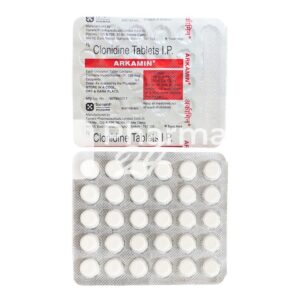
Clonidine
from
Co-amilofruse
from
Florinef
from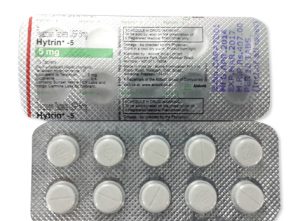
Hytrin
from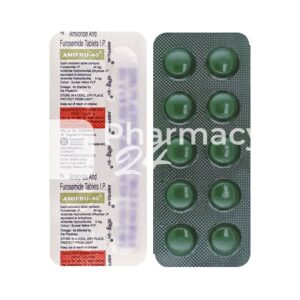
Lasix
from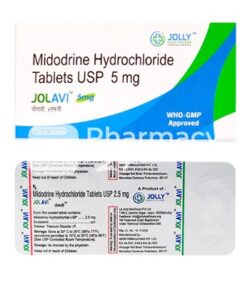
Midodrine
from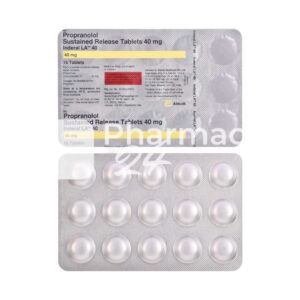
Propranolol
from
Spironolactone
from
Telmisartan
fromUnderstanding Hypertension
Hypertension, commonly known as high blood pressure, is a chronic medical condition where the force of blood against artery walls is consistently too high. This condition affects millions of people across the United Kingdom and can lead to serious health complications if left untreated. Blood pressure is measured in millimetres of mercury (mmHg) and is recorded as two numbers: systolic pressure (the force when your heart beats) over diastolic pressure (the force when your heart rests between beats). Normal blood pressure is generally considered to be below 120/80 mmHg, whilst hypertension typically begins at 130/80 mmHg or higher.
The condition develops gradually over time and often has no noticeable symptoms, which is why it’s frequently called the “silent killer.” However, severe hypertension can cause headaches, shortness of breath, nosebleeds, and chest discomfort. Understanding your blood pressure readings is crucial for managing your health effectively. Regular monitoring can help identify the condition early and allow for appropriate treatment before complications develop.
Causes and Risk Factors
Hypertension can develop due to various factors, and understanding these is essential for prevention and management. Primary hypertension, which accounts for approximately 90 percent of cases, develops gradually over time without an identifiable secondary cause. Several lifestyle factors contribute significantly to its development, including excessive sodium intake, sedentary behaviour, excessive alcohol consumption, obesity, and chronic stress.
Secondary hypertension, though less common, results from underlying medical conditions such as kidney disease, thyroid problems, or sleep apnoea. Certain medications, including some decongestants and anti-inflammatory drugs, can also elevate blood pressure. Your individual risk factors include:
- Genetic predisposition – if your parents or close relatives have hypertension, your risk increases considerably
- Age – blood pressure tends to rise as people grow older
- Conditions like diabetes and high cholesterol, which often accompany hypertension
- Ethnicity – individuals of African descent show higher prevalence rates
- Lifestyle choices including diet, exercise levels, and stress management
Understanding your personal risk factors allows you to take proactive steps towards prevention and early management of this important health condition.
Available Medications in the United Kingdom
The UK pharmaceutical market offers several classes of antihypertensive medications, each working through different mechanisms to reduce blood pressure. ACE inhibitors, such as lisinopril, enalapril, and ramipril, are widely prescribed and work by relaxing blood vessels. Angiotensin II receptor blockers (ARBs) like losartan and valsartan function similarly but through a different pathway.
Calcium channel blockers including amlodipine and diltiazem help relax blood vessels and are frequently recommended. Diuretics, particularly thiazide diuretics such as hydrochlorothiazide, help the body eliminate excess sodium and water. Beta-blockers like atenolol and bisoprolol reduce heart rate and force, thereby lowering blood pressure. Many patients benefit from combination therapy, where two or more medications work together for enhanced effectiveness.
Common branded medications available include Lisinopril, Ramipril, Losartan, Amlodipine, and Indapamide. Generic versions are also widely available, offering cost-effective alternatives. NHS prescribing guidelines typically recommend starting with ACE inhibitors or ARBs for most patients, with adjustments based on individual response and tolerability. Your healthcare provider will determine the most suitable medication based on your specific health profile, other medical conditions, and potential drug interactions.
Lifestyle Modifications and Prevention
Managing hypertension effectively extends beyond medication; lifestyle changes play a crucial role in controlling blood pressure naturally. Dietary modifications are particularly important; the DASH diet (Dietary Approaches to Stop Hypertension) has proven highly effective for many individuals. This eating pattern emphasises fruits, vegetables, whole grains, lean proteins, and low-fat dairy products whilst limiting sodium, saturated fats, and added sugars.
Regular physical activity significantly impacts blood pressure management. Aim for at least 150 minutes of moderate-intensity aerobic exercise weekly, such as brisk walking, cycling, or swimming. Strength training exercises two to three times weekly also provide benefits. Weight management is essential, as obesity substantially increases hypertension risk. Even modest weight loss can produce meaningful reductions in blood pressure readings.
Stress reduction techniques including meditation, deep breathing exercises, yoga, and mindfulness have demonstrated positive effects on blood pressure control. Limiting alcohol consumption is vital, as excessive intake raises blood pressure considerably. Smoking cessation is equally important, as nicotine temporarily increases blood pressure and damages blood vessels. Ensuring adequate sleep, typically seven to nine hours nightly, supports overall cardiovascular health. These lifestyle modifications often work synergistically with medications, improving treatment outcomes and reducing medication dosages over time.
Monitoring and Testing
Regular blood pressure monitoring is essential for effective hypertension management. Home monitoring allows you to track readings regularly and provides valuable information for your healthcare provider. Digital blood pressure monitors are readily available at UK pharmacies and are straightforward to use. For accuracy, measure blood pressure when relaxed, seated with feet flat, and at consistent times daily, typically morning and evening.
Ambulatory blood pressure monitoring involves wearing a portable device that records readings automatically throughout the day and night, providing comprehensive data about your blood pressure patterns. This test helps identify white-coat hypertension, where readings are elevated only in clinical settings, and masked hypertension, where readings appear normal in clinics but are elevated elsewhere. Your GP may recommend additional tests to assess hypertension severity and screen for complications, including blood tests to check kidney function, cholesterol levels, and glucose levels, as well as electrocardiograms (ECGs) to evaluate heart function.
Regular eye examinations help detect hypertension-related damage to blood vessels. These comprehensive assessments help your healthcare team develop personalised treatment strategies and monitor treatment effectiveness. Recording your readings in a diary or using dedicated apps helps identify trends and the impact of lifestyle modifications or medication changes.
Complications and When to Seek Help
Uncontrolled hypertension can damage various organs and systems throughout your body, leading to serious complications. Coronary artery disease develops as high blood pressure damages artery linings, promoting plaque accumulation. Heart attacks and strokes represent major risks associated with prolonged hypertension. Left ventricular hypertrophy, where the heart muscle thickens abnormally, can lead to heart failure. Chronic kidney disease may develop as hypertension damages kidney blood vessels, potentially progressing to kidney failure requiring dialysis.
Hypertensive retinopathy occurs when high blood pressure damages blood vessels in the eyes, potentially causing vision problems. Peripheral arterial disease may affect circulation to limbs. Vascular dementia can result from reduced blood flow to the brain. Seek immediate medical attention if you experience symptoms including severe headaches, chest pain, shortness of breath, vision changes, or difficulty speaking, as these may indicate a hypertensive crisis requiring emergency treatment.
Regular GP appointments ensure your blood pressure remains well-controlled and medications continue working effectively. Discuss any concerning symptoms or side effects with your healthcare provider promptly. Consistent medication adherence, regular monitoring, and lifestyle adherence significantly reduce complication risks and improve long-term health outcomes for individuals managing hypertension in the UK.