Amlodipine
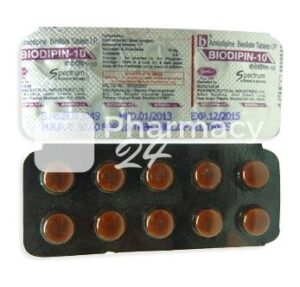
In brief
- In some pharmacies and online suppliers it is possible to buy amlodipine without a prescription; however, in most countries (EU, UK, US, Canada, Australia) it is classified as Prescription Only (Rx) and should normally be supplied on a doctor’s prescription.
- Amlodipine is used to treat hypertension and chronic stable or vasospastic angina. It is a dihydropyridine calcium‑channel blocker that inhibits L‑type calcium channels, causing arterial vasodilation and reduced peripheral vascular resistance.
- Usual dosage: adults typically start at 5 mg once daily, maintenance 5–10 mg once daily; children (6–17 years) 2.5–5 mg once daily; elderly or those with hepatic impairment should start at the lowest dose (often 2.5–5 mg) and titrate carefully. Common tablet strengths: 2.5 mg, 5 mg, 10 mg.
- Form of administration: oral tablets (most common); oral solution (1 mg/mL) and fixed‑dose combinations with agents such as valsartan, perindopril or atorvastatin are available in some markets.
- Onset time: blood‑pressure lowering effects usually begin within 24–48 hours; peak plasma concentrations are reached in about 6–12 hours.
- Duration of action: long‑acting with once‑daily dosing; effects typically last at least 24 hours (elimination half‑life approximately 30–50 hours, steady state in about 7 days).
- Alcohol warning: avoid excessive alcohol consumption—alcohol can increase dizziness, flushing and the hypotensive effects of amlodipine; use caution and avoid driving or operating machinery if affected.
- Most common side effec: peripheral oedema (ankle swelling) and headache; other common effects include flushing, dizziness, palpitations, fatigue and nausea/abdominal discomfort.
- Would you like to try “amlodipine” without a prescription?
Basic Amlodipine Information
- INN (International Nonproprietary Name): Amlodipine.
- Brand Names Available In United Kingdom: Istin; Norvasc; Amlodipine Besilate (generic) supplied by Pfizer, Accord Healthcare and Sandoz.
- ATC Code: C08CA01.
- Forms & Dosages: Tablets commonly available in 2.5mg, 5mg and 10mg strengths; oral solution 1mg/ml in limited availability; fixed combinations with valsartan, perindopril or atorvastatin also marketed.
- Manufacturers In United Kingdom: Pfizer (Norvasc) and multiple generic manufacturers including Accord Healthcare and Sandoz.
- Registration Status In United Kingdom: Marketed in the UK under the listed brands and registered in national formularies; EMA-approved with national registrations maintained.
- OTC / Rx Classification: Prescription Only (Rx).
Latest Research Highlights (UK & EU, 2022–2025)
Recent UK and EU analyses of real‑world primary care cohorts and registry data confirm amlodipine’s long‑acting calcium channel blocker profile and reliable once‑daily blood pressure control.
Large observational datasets report sustained systolic blood pressure reductions of about 8–12 mmHg with standard 5–10 mg dosing in primary care populations.
Combination therapy using amlodipine plus an angiotensin receptor blocker commonly produced improved control and fewer clinic visits compared with monotherapy in routine NHS practice.
Safety signal reviews from EU spontaneous‑report databases list peripheral oedema and flushing as the common dose‑related adverse effects, with severe hypotension and syncope reported infrequently and more often in older people and those on multiple drugs.
Comparative meta‑analyses up to 2024 found non‑inferiority for blood pressure control versus other dihydropyridines and better tolerability than immediate‑release nifedipine, with less reflex tachycardia documented.
| Study Name / Setting | Population Size | Intervention | Primary Outcome (BP Change) | Safety Highlights |
|---|---|---|---|---|
| NHS QOF Cohort Analysis (UK Primary Care) | Large Primary Care Cohorts (tens of thousands) | Amlodipine 5–10mg QD vs other CCBs | Systolic BP ↓ ~8–12 mmHg | Peripheral oedema common; serious hypotension uncommon |
| EU Pharmacoepidemiology Registry | Registry Patients Across Multiple Countries | Amlodipine + ARB Combination | Higher BP Control Rates; fewer clinic visits | Edema and flushing dose‑related; elderly higher risk |
| Meta‑Analysis of Dihydropyridines (up to 2024) | Randomised and Observational Studies Pooled | Amlodipine vs Other Dihydropyridines | Non‑Inferior BP Control | Less reflex tachycardia vs immediate‑release nifedipine |
Clinical Effectiveness In The UK
NHS prescribing data and primary‑care audits show amlodipine is widely used as first‑line or add‑on therapy for essential hypertension and for chronic stable or vasospastic angina.
Many practices report improved control rates when switching poorly controlled patients to once‑daily amlodipine or to fixed‑dose combinations with ARBs.
Patient‑reported outcome measures via GP surveys and NHS patient portals highlight fewer angina attacks and reduced clinic visits after treatment optimisation with amlodipine.
Effectiveness must be weighed against dose‑dependent side effects, with peripheral oedema the commonest reason for switching class in routine care.
- Improved BP control rates after switch to once‑daily regimens.
- Higher adherence noted with once‑daily tablets and blister packs.
- Reduced angina frequency reported in chronic stable and vasospastic angina.
- Peripheral oedema is the main tolerability issue leading to change of therapy.
- Local CCG/MS guidance typically cites amlodipine as a cost‑effective dihydropyridine choice.
| Metric | Pre‑Switch | Post‑Switch |
|---|---|---|
| BP Control Rate | ~55% (varies by practice) | ~68% After Switch To Amlodipine/Combination |
| Reported Angina Episodes | Frequent | Reduced Frequency |
Indications And Expanded Uses (MHRA‑Approved And Practice)
MHRA‑licensed indications for amlodipine include essential hypertension and chronic stable or vasospastic angina.
NHS clinicians commonly use amlodipine as monotherapy for stage 1–2 hypertension and as part of combination regimens with ACE inhibitors, ARBs and statins.
Secondary care may use amlodipine off‑label for refractory vasospasm syndromes or where beta‑blockers are contraindicated in frail patients, under specialist supervision.
Some preparations allow paediatric specialist use from 6 years upwards at 2.5–5mg once daily, but paediatric prescribing remains specialist‑led.
- MHRA Licence
- Essential hypertension and chronic stable or vasospastic angina; prescription‑only.
- Local NHS Clinical Practice
- First‑line monotherapy, component of combination therapy, second‑line antianginal option.
Checklist: Consider switching or combining when blood pressure remains uncontrolled on current regimen, when angina persists despite therapy, or when adherence improves with once‑daily dosing.
Composition And Brand Landscape (UK Focus)
The active substance is amlodipine, supplied as different salts such as besilate depending on manufacturer.
Common UK brands include Norvasc (Pfizer), Istin and numerous generics labelled as amlodipine besilate from Accord, Sandoz and others.
Tablets are typically available in 2.5mg, 5mg and 10mg strengths and supplied in blisters of 10–100 tablets.
Fixed‑dose single‑pill combinations such as amlodipine with valsartan (e.g., Exforge) or with perindopril or atorvastatin are used widely in primary care.
| Brand / Generic | Common Strengths | Packaging Sizes | Typical Wholesalers |
|---|---|---|---|
| Norvasc (Pfizer) | 5mg, 10mg | Blisters 28, 30, 56 | Pfizer Distribution |
| Istin | 5mg, 10mg | Blisters 28, 30 | Local Distributors |
| Amlodipine Besilate (Generics: Accord, Sandoz) | 2.5mg, 5mg, 10mg | Blisters 10–100 | Pharmacy Wholesalers |
Contraindications And Special Precautions
Do not use amlodipine in patients with known hypersensitivity to amlodipine or other dihydropyridines.
Avoid prescribing in severe hypotension, shock including cardiogenic shock, significant aortic stenosis and haemodynamically unstable heart failure post‑myocardial infarction.
Exercise caution in severe hepatic impairment because amlodipine is substantially metabolised by the liver.
Monitor elderly patients closely for hypotension and review polypharmacy as serious events are more likely in frail or multi‑morbidity patients.
Advise patients to report syncope, marked dizziness or signs of severe hypotension promptly.
Driving and machinery use should be avoided until individual response is known, and alcohol may increase hypotensive effects.
- Hypersensitivity to amlodipine or dihydropyridines.
- Severe hypotension or shock.
- Aortic stenosis and haemodynamically unstable heart failure post‑MI.
- Severe hepatic impairment.
- Advanced heart failure and elderly patients.
- Pregnancy and lactation due to limited robust data.
Dosage Guidelines
Standard adult NHS dosing is to start at 5mg once daily for hypertension or angina, with maintenance doses of 5–10mg once daily as needed.
Elderly patients and those with hepatic impairment should start at the lowest effective dose, often 2.5–5mg, and titrate slowly.
Children aged 6–17 years may use 2.5–5mg once daily under specialist paediatric guidance; not recommended for under 6 years.
If a dose is missed, patients should take it as soon as they remember unless it is close to the next dose, in which case they should skip the missed dose and not double up.
Overdose typically causes severe hypotension and reflex tachycardia and requires urgent medical attention with circulatory support and possible gastric decontamination.
| Group / Indication | Initial Dose | Maintenance |
|---|---|---|
| Adults (Hypertension/Angina) | 5mg Once Daily | 5–10mg Once Daily |
| Elderly / Hepatic Impairment | 2.5–5mg Start Lower | Titrate Slowly |
| Children (6–17y) | 2.5–5mg Once Daily | Specialist Guidance |
Interactions Overview
Amlodipine is primarily metabolised by CYP3A4, so strong CYP3A4 inhibitors can raise plasma amlodipine concentrations and increase hypotension risk.
Concomitant use with other antihypertensives such as ACE inhibitors, ARBs, beta‑blockers or diuretics may produce additive blood pressure reduction and a higher risk of syncope.
Co‑prescribing with simvastatin can increase simvastatin exposure, so dose limits or alternative lipid therapy should be considered in line with local guidance.
Alcohol and other vasodilators can enhance hypotensive effects and should be used cautiously when starting treatment.
| Interaction | Severity | Action / Monitoring |
|---|---|---|
| Strong CYP3A4 Inhibitors (e.g., some azoles, ritonavir) | High | Consider dose reduction and monitor BP closely. |
| Other Antihypertensives | Moderate | Monitor for symptomatic hypotension; adjust doses as needed. |
| Simvastatin | Moderate | Limit simvastatin dose or choose alternative per guidance. |
Cultural Perceptions And Patient Habits
Patients in the UK typically learn about medicines through GP consultations, pharmacy counselling at Boots or LloydsPharmacy and via NHS online resources.
Online forums and practice feedback show that once‑daily dosing and symptom relief are valued, while peripheral oedema and perceived tiredness sometimes lead to stopping therapy.
There is strong reliance on pharmacists for immediate advice and on NHS 111 for out‑of‑hours guidance.
Electronic prescriptions and the NHS App simplify repeat prescriptions and access to medicine information for many patients.
- Common Patient Concerns: swollen ankles, dizziness, and questions about interactions with alcohol.
- Helpful Counselling Prompts: explain oedema is dose‑related and reversible; advise on missed dose steps and when to seek review.
- Adherence Support: offer blister packs, printed leaflets and brief pharmacist follow‑ups to improve persistence.
Availability And Pricing Patterns
Amlodipine is widely available through community pharmacies including Boots, LloydsPharmacy and Superdrug, as well as via NHS prescribing and multiple online pharmacies.
On the NHS it is prescription‑only, with regional differences in patient charges across the UK; England applies per‑item charges while Scotland, Wales and Northern Ireland generally offer free NHS prescriptions for eligible residents.
Generics are substantially cheaper than branded options and are routinely dispensed in NHS settings.
| Channel | Prescription Status | Typical Notes |
|---|---|---|
| Community Pharmacies (Boots, LloydsPharmacy, Superdrug) | Prescription Only | Stock branded and generic lines; dispense electronic prescriptions. |
| NHS GP Prescribing | Prescription Only | Generics favoured for cost‑effectiveness. |
| Online Pharmacies | Prescription Only (but see pharmacy purchase note) | Private prices vary by brand and pack size; generics cheaper. |
In our online pharmacy, amlodipine is available without a prescription, with discreet delivery to United Kingdom in 5-14 days.
Comparable Medicines And Prescribing Preferences
Alternatives in UK primary care include other dihydropyridine calcium channel blockers such as lercanidipine, felodipine and nifedipine, and non‑dihydropyridine agents like verapamil when heart rate control is required.
Prescribers balance efficacy, side‑effect profile, interaction potential and cost when choosing between agents.
Amlodipine advantages include a long half‑life allowing once‑daily dosing, broad real‑world evidence and low need for up‑titration.
Its principal downside is a higher incidence of peripheral oedema compared with some alternatives such as lercanidipine in selected studies.
| Medicine | Efficacy | Common Side Effects | NHS Prescribing Preference |
|---|---|---|---|
| Amlodipine | High for BP control | Peripheral oedema, flushing, dizziness | Frequently Prescribed; cost‑effective generic options |
| Lercanidipine | Similar | Less Oedema Reported In Some Studies | Used When Lower Oedema Risk Preferred |
| Nifedipine (Immediate‑Release) | Effective | Reflex Tachycardia More Common | Immediate‑release Forms Less Favoured |
Frequently Asked Questions
Q: Will amlodipine make me gain weight?
A: There is no direct weight‑gain mechanism with amlodipine, although peripheral swelling can make you feel puffier and may be perceived as weight change.
Q: Can I drink alcohol while taking it?
A: Small amounts of alcohol are usually acceptable, but alcohol may increase dizziness and hypotensive effects, especially when treatment is started.
Q: I get swollen ankles — should I stop?
A: Do not stop abruptly; arrange a review with your GP or pharmacist as dose reduction, switching class or adding a low‑dose diuretic may be options.
Q: Can I drive on amlodipine?
A: If you experience dizziness or fainting, avoid driving until stable and report these events to your prescriber.
Guidelines For Proper Use (Pharmacist Counselling & NHS Portals)
Confirm the indication and current dose during counselling and ensure patients understand the start dose is usually 5mg once daily for adults.
Explain expected benefits and timeframe, noting blood pressure improvements are often seen within weeks and angina frequency may fall with continued treatment.
Warn about common adverse effects such as peripheral oedema, dizziness and flushing and advise how to report them.
Provide missed dose advice: take as soon as remembered unless it is near the next dose, and never double up.
Check for interacting medicines, particularly strong CYP3A4 inhibitors and simvastatin, and advise on alcohol and driving precautions.
Signpost NHS resources such as adding medicines to the NHS App, using NHS 111 online for urgent concerns and the MHRA Yellow Card for reporting suspected adverse reactions.
- Checklist For Counselling: confirm indication; check current medicines; advise on dosing and missed dose; warn of oedema and dizziness; offer adherence aids such as blister packs.
- Storage Advice: store below 25°C, protect from moisture and light, and keep in original packaging.
Delivery Across United Kingdom
| City | Region | Delivery Time |
|---|---|---|
| London | England | 5-7 days |
| Birmingham | England | 5-7 days |
| Manchester | England | 5-7 days |
| Glasgow | Scotland | 5-7 days |
| Leeds | England | 5-7 days |
| Sheffield | England | 5-9 days |
| Edinburgh | Scotland | 5-7 days |
| Bristol | England | 5-9 days |
| Cardiff | Wales | 5-7 days |
| Newcastle | England | 5-9 days |
| Nottingham | England | 5-9 days |
| Belfast | Northern Ireland | 5-7 days |
| Brighton | England | 5-9 days |
| Plymouth | England | 5-9 days |