
Antibiotics
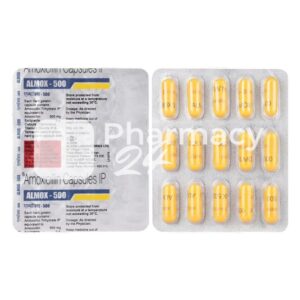
Amoxicillin
from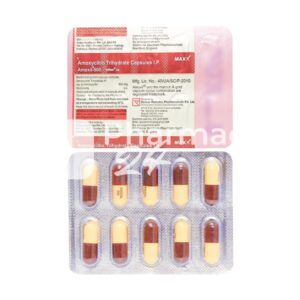
Amoxil
from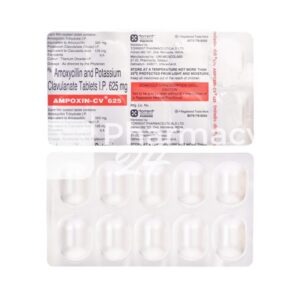
Augmentin
from
Avelox
from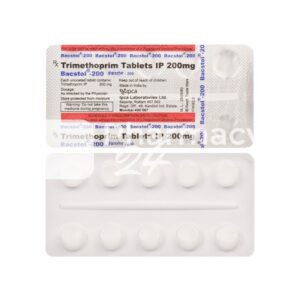
Bactrim
from
Cefalexin
from
Ciprofloxacin
from
Ciproxin
from
Doxycycline
from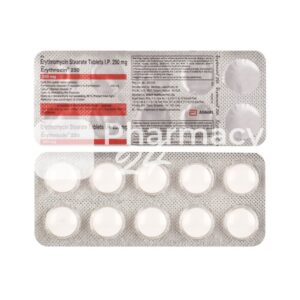
Erythromycin
from
Exocin
from
Flagyl
from
Metronidazole
from
Rifampin
from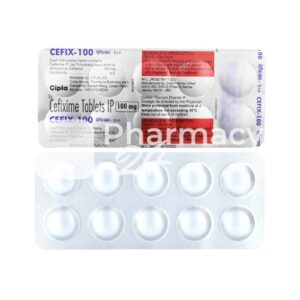
Suprax
from
Zithromax
fromWhat Are Antibiotics and How Do They Work?
Antibiotics are powerful medicines designed to fight bacterial infections in the human body. They work by either killing bacteria directly or stopping them from multiplying and spreading. Different antibiotics target bacteria in various ways, such as damaging cell walls, interfering with protein production, or disrupting DNA replication. Understanding how antibiotics function helps patients use them safely and effectively.
When you take an antibiotic, it travels through your bloodstream to reach infected areas. The medication then attacks harmful bacteria whilst leaving your body’s healthy cells relatively unharmed. This selective action is what makes antibiotics so valuable in modern medicine. However, not all antibiotics work against all bacteria, which is why doctors must identify the specific infection before prescribing treatment. Using the right antibiotic for the right infection ensures faster recovery and prevents unnecessary side effects.
Common Types of Antibiotics Available in the UK
Penicillin-Based Antibiotics
Penicillins remain amongst the most commonly prescribed antibiotics in the United Kingdom. Amoxicillin is widely used for treating ear infections, urinary tract infections, and respiratory infections. Penicillin V is another popular choice for throat infections and dental problems. These medications have been used safely for decades and remain highly effective against many bacterial strains. They are generally well-tolerated, though some patients may experience allergic reactions.
Cephalosporins
Cephalosporin antibiotics are similar to penicillins and are effective against a broader range of bacteria. Cephalexin is commonly prescribed for skin infections, urinary tract infections, and respiratory conditions. These antibiotics are particularly useful for patients who need stronger treatment or when standard penicillins prove ineffective. They work by weakening bacterial cell walls, causing the bacteria to die.
Macrolide Antibiotics
Macrolides like azithromycin and erythromycin are popular alternatives for patients allergic to penicillin. Azithromycin is frequently used for chest infections, throat infections, and sexually transmitted infections. These antibiotics are taken orally and are generally well-absorbed by the body. They tend to have fewer side effects than some other antibiotic classes, making them suitable for many patients.
Fluoroquinolones
Fluoroquinolones such as ciprofloxacin are potent antibiotics reserved for more serious infections. They are effective against a wide range of bacteria and are particularly useful for urinary tract infections and respiratory infections. These antibiotics work by interfering with bacterial DNA, preventing the bacteria from reproducing. They should only be used when other antibiotics are unsuitable.
Tetracyclines
Tetracyclines, including doxycycline, are versatile antibiotics used for various infections. Doxycycline is particularly popular for treating acne, respiratory infections, and Lyme disease. These antibiotics are well-tolerated and relatively affordable, making them accessible to many patients across the UK. They can be taken with or without food, though certain precautions apply.
Conditions Treated with Antibiotics
Respiratory Infections
Respiratory infections such as bronchitis, pneumonia, and severe coughs often require antibiotic treatment. When caused by bacteria, these infections can become serious without proper medication. Common antibiotics prescribed include amoxicillin, azithromycin, and doxycycline. Treatment duration typically ranges from seven to fourteen days, depending on infection severity. Most patients notice improvement within three to five days of starting treatment.
Urinary Tract Infections
Urinary tract infections (UTIs) are amongst the most frequently treated bacterial infections in the UK. Antibiotics like nitrofurantoin and trimethoprim are first-line treatments for uncomplicated UTIs. These medications reach high concentrations in the urinary system, effectively eliminating bacteria. Most UTIs clear within a few days of starting antibiotic therapy. Drinking plenty of water alongside medication helps flush out remaining bacteria.
Skin and Soft Tissue Infections
Bacterial skin infections, including cellulitis and impetigo, respond well to antibiotic treatment. Cephalexin and flucloxacillin are commonly prescribed for these conditions. Antibiotics help prevent infection spread and reduce inflammation. Treatment usually lasts between seven and ten days. Good wound care and hygiene practices support antibiotic effectiveness.
Ear and Throat Infections
Ear infections and sore throats caused by bacteria are effectively treated with antibiotics. Amoxicillin remains a popular choice for otitis media and strep throat. These infections can be painful and uncomfortable, so prompt antibiotic treatment provides relief. Most patients feel significantly better within a few days of starting medication.
How to Use Antibiotics Safely and Effectively
Completing Your Course
It is absolutely essential to complete your entire antibiotic course, even if you feel better after a few days. Stopping medication early allows remaining bacteria to develop resistance, making future infections harder to treat. Most antibiotic courses last between seven and fourteen days. Set reminders on your phone or use a pill organiser to help remember doses. Never skip doses or take extra medication beyond prescribed amounts.
Taking Antibiotics Correctly
Always take antibiotics exactly as prescribed by your doctor or as instructed on the packet. Some antibiotics must be taken on an empty stomach, whilst others should be taken with food. Check your medication information sheet for specific instructions. Take doses at evenly spaced intervals throughout the day for maximum effectiveness. If you forget a dose, take it as soon as you remember, unless the next dose is due soon.
Avoiding Drug Interactions
Certain foods, supplements, and other medications can interfere with antibiotic effectiveness. Dairy products can reduce absorption of some antibiotics like doxycycline. Always inform your healthcare provider about other medications or supplements you are taking. Some antibiotics can reduce the effectiveness of contraceptive pills, so use additional protection if needed. Ask your pharmacist about potential interactions before starting treatment.
Side Effects and Precautions
Common Side Effects
Most patients tolerate antibiotics well, but some experience mild side effects. Common adverse effects include:
- Nausea and vomiting
- Diarrhoea and stomach upset
- Headaches and dizziness
- Sensitivity to sunlight with certain antibiotics
- Mild rashes or skin irritation
These effects are usually temporary and subside after completing the course. Taking medication with food can help reduce stomach-related side effects. Report persistent or severe side effects to your doctor immediately.
Allergic Reactions
Allergic reactions to antibiotics can range from mild to severe. Common signs include rashes, itching, and swelling of the lips or throat. Severe reactions may include difficulty breathing or anaphylaxis, requiring emergency medical attention. Always inform your healthcare provider if you have known antibiotic allergies. If you develop symptoms during treatment, stop medication and seek immediate medical advice.
When Not to Take Antibiotics
Antibiotics are ineffective against viral infections like colds and flu. Taking antibiotics unnecessarily contributes to antibiotic resistance, a serious global health concern. Your doctor will determine whether your infection is bacterial before prescribing antibiotics. Pregnant and breastfeeding women should discuss antibiotic use with their healthcare provider, as certain antibiotics may not be suitable. Some antibiotics are not recommended for young children or elderly patients.
Antibiotic Resistance and Responsible Use
Antibiotic resistance occurs when bacteria develop the ability to survive antibiotic treatment. Overuse and misuse of antibiotics accelerate this dangerous development. Using antibiotics only when necessary and completing full courses helps combat resistance. Never share antibiotics with others or use leftover medication from previous infections. Proper antibiotic stewardship protects these vital medicines for future generations. Report any concerns about antibiotic effectiveness to your healthcare provider promptly.