
Antidepressants

Abilify
from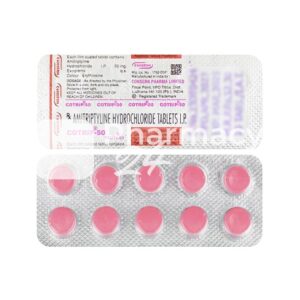
Amitriptyline
from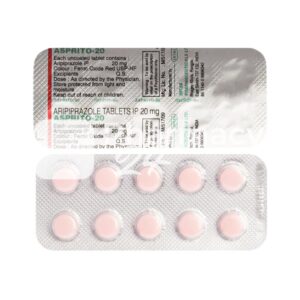
Aripiprazole
from
Bupropion
from
Citalopram
from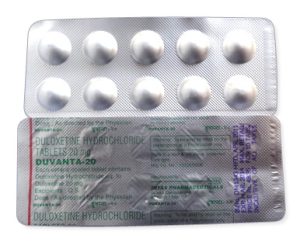
Cymbalta
from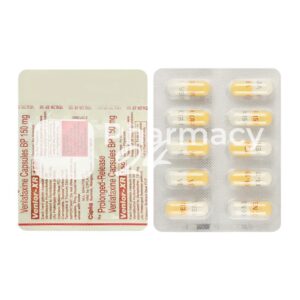
Efexor Xl
from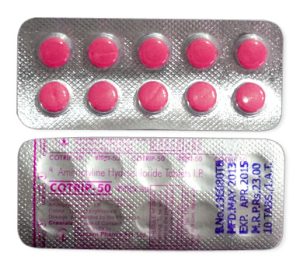
Elavil
from
Escitalopram
from
Fluoxetine
from
Lithium
from
Molipaxin
from
Nortriptyline
from
Pamelor
from
Quetiapine
from
Risnia
fromUnderstanding Antidepressants and How They Work
Antidepressants are medications prescribed to treat depression and other mental health conditions. These medicines work by adjusting chemical levels in the brain, particularly neurotransmitters such as serotonin, noradrenaline, and dopamine. When these chemicals are balanced, mood improves and depressive symptoms may reduce significantly.
Depression affects millions of people across the United Kingdom each year. It can impact daily life, relationships, work performance, and overall wellbeing. Antidepressants are often recommended alongside therapy or counselling for the best results. Most antidepressants take between two to four weeks to show noticeable effects, so patience is important when starting treatment.
Different types of antidepressants work in different ways. Some increase serotonin levels, while others focus on noradrenaline or dopamine. Your doctor will recommend the most suitable type based on your symptoms and medical history. It is important to discuss any concerns with your healthcare provider before beginning treatment.
Types of Antidepressants Available in the United Kingdom
Several classes of antidepressants are available on the UK market, each with distinct characteristics and benefits.
Selective Serotonin Reuptake Inhibitors (SSRIs)
SSRIs are the most commonly prescribed antidepressants in the United Kingdom. They include medications such as sertraline, fluoxetine, citalopram, escitalopram, and paroxetine. SSRIs are often recommended as first-line treatment because they are generally well-tolerated with fewer side effects compared to older medications.
Serotonin-Noradrenaline Reuptake Inhibitors (SNRIs)
SNRIs like venlafaxine and duloxetine work on both serotonin and noradrenaline. These are effective for moderate to severe depression and are also prescribed for anxiety disorders and chronic pain conditions.
Tricyclic Antidepressants (TCAs)
TCAs such as amitriptyline and nortriptyline are older medications still used today. They are particularly helpful for people with depression combined with chronic pain. These medications may cause more side effects than newer alternatives.
Monoamine Oxidase Inhibitors (MAOIs)
MAOIs are prescribed less frequently but remain effective for certain patients. They require dietary restrictions and careful monitoring but can be beneficial when other antidepressants have not worked.
Conditions Treated with Antidepressants
Antidepressants treat more than just depression. Healthcare providers in the UK prescribe these medications for various mental health and medical conditions.
Major Depressive Disorder
This is the primary condition treated with antidepressants. Symptoms include persistent sadness, loss of interest in activities, sleep problems, and difficulty concentrating. Antidepressants help restore emotional balance and improve quality of life.
Anxiety Disorders
Generalised anxiety disorder, social anxiety, and panic disorder respond well to antidepressants. SSRIs and SNRIs are particularly effective for reducing anxiety symptoms.
Other Conditions
Antidepressants are also prescribed for various other conditions including:
- Obsessive-Compulsive Disorder (OCD) – effectively managed with specific antidepressants, primarily SSRIs in higher doses to reduce intrusive thoughts and compulsive behaviours
- Post-Traumatic Stress Disorder (PTSD) – symptoms improve with antidepressant treatment, particularly with sertraline and paroxetine which are specifically approved for PTSD management in the United Kingdom
- Chronic Pain Conditions – such as fibromyalgia and neuropathic pain often improve with TCAs and SNRIs which help manage both pain and associated depression
- Eating Disorders – like bulimia nervosa may be treated with specific antidepressants, particularly fluoxetine, to reduce binge-eating and purging behaviours
Popular Antidepressants and Their Uses
Several antidepressants are particularly popular and widely prescribed throughout the United Kingdom.
Sertraline
Sertraline is one of the most commonly prescribed SSRIs for depression, anxiety, OCD, and PTSD. It is well-tolerated and available in various strengths from 50mg to 200mg.
Fluoxetine
Fluoxetine has been used for many years and treats depression, anxiety, bulimia, and OCD. It is available as capsules and liquid formulation, making it suitable for different patient preferences.
Citalopram and Escitalopram
These are effective SSRIs for depression and anxiety disorders. Escitalopram is the active form of citalopram and may require lower doses whilst maintaining effectiveness.
Venlafaxine
Venlafaxine is an SNRI used for depression, anxiety, and panic disorder. It requires careful dose adjustment and monitoring but offers good results for moderate to severe depression.
Duloxetine
Duloxetine works well for depression combined with anxiety or chronic pain. It is particularly helpful for patients experiencing both mental health symptoms and physical pain conditions.
Amitriptyline
Amitriptyline remains popular for depression accompanied by chronic pain, fibromyalgia, or migraines. Lower doses are often sufficient for pain relief whilst requiring higher doses for depression treatment.
Starting Antidepressants and What to Expect
Beginning antidepressant treatment requires careful planning and ongoing communication with your healthcare provider. Your doctor will discuss the benefits and potential side effects before prescribing. Blood pressure, heart health, and other medications you take will be considered during consultation. Some antidepressants interact with other medicines, so complete medication history is essential.
Initial doses are typically lower than maintenance doses. Gradual dose increases help your body adjust and minimise side effects. Most people require four to six weeks at a therapeutic dose to experience significant improvement in symptoms. During the first few weeks, some people experience temporary side effects such as nausea, headaches, or sleep disturbance. These usually improve as your body adapts to the medication.
It is important not to stop taking your antidepressant abruptly, as this can cause withdrawal symptoms. Regular follow-up appointments with your GP or psychiatrist ensure the medication is working effectively. Your healthcare provider may adjust the dose or suggest an alternative medication if you do not respond adequately. Treatment success often improves with consistent medication use combined with therapy or counselling.
Important Information About Antidepressant Treatment
Understanding key aspects of antidepressant use helps ensure safe and effective treatment. The length of treatment varies depending on your condition and personal circumstances. Some people need treatment for several months, whilst others require longer-term management. Your doctor will discuss the appropriate duration with you.
Combining antidepressants with therapy increases treatment effectiveness. Cognitive behavioural therapy, counselling, and other psychological approaches work alongside medication to address depression comprehensively. Lifestyle changes also support antidepressant treatment. Regular exercise, good sleep, reduced alcohol, and social support all contribute to recovery and mental wellbeing.
Pregnancy and breastfeeding considerations are important to discuss with your healthcare provider. Some antidepressants are safer during pregnancy than others. Always discuss these concerns before conception or if you discover you are pregnant.
Discontinuing medication should always be gradual and supervised by your healthcare provider. Stopping suddenly can cause withdrawal symptoms including dizziness, flu-like symptoms, and mood changes. A slow dose reduction plan is safest. Side effects and safety should be monitored carefully. Most side effects are mild and temporary, but always report unusual symptoms to your doctor. Certain antidepressants require regular blood tests or heart monitoring to ensure your safety during treatment.