
Women's Health
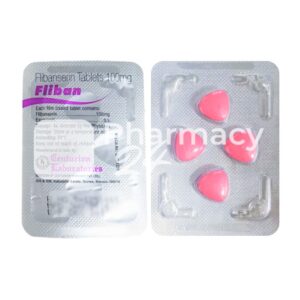
Addyi
from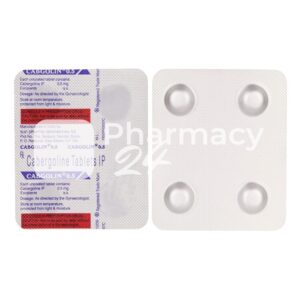
Cabergoline
from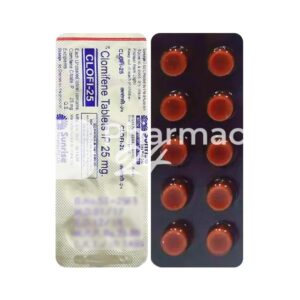
Clomid
from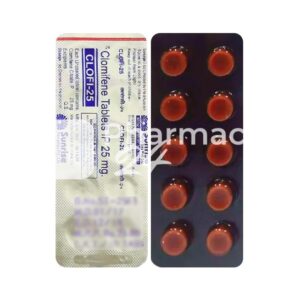
Clomiphene
from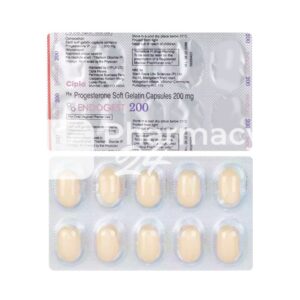
Cyclogest
from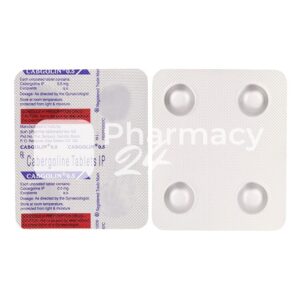
Dostinex
from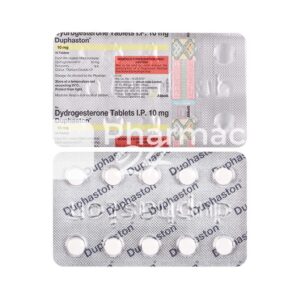
Duphaston
from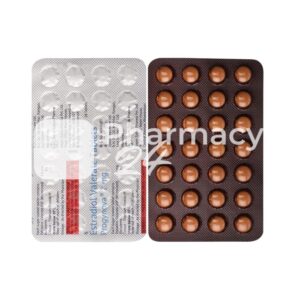
Estradiol
from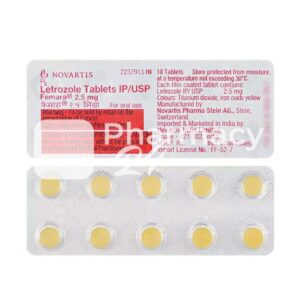
Femara
from
Medroxyprogesterone
from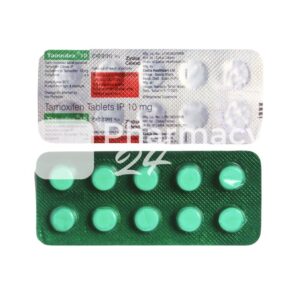
Nolvadex
from
Parlodel
from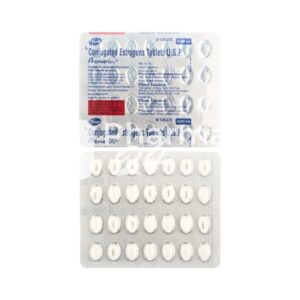
Premarin
from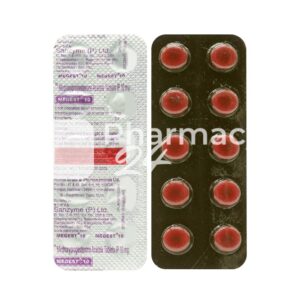
Provera
from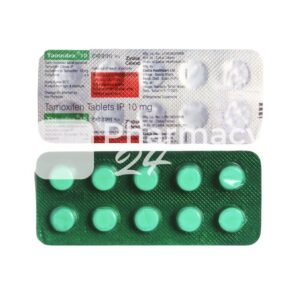
Tamoxifen
fromContraception & Birth Control
Overview of Contraception Options
Contraception plays a vital role in women’s reproductive health and family planning. Various methods are available to suit different lifestyles, medical histories, and preferences. Understanding your options helps you make an informed decision about which method is most suitable for your needs. Whether you prefer hormonal methods, barrier methods, or long-acting reversible contraception, there are solutions available through UK pharmacies.
Hormonal Contraceptives
The contraceptive pill remains one of the most popular contraception methods in the United Kingdom. Combined oral contraceptives contain both oestrogen and progestogen and are taken daily. Popular brands include Microgynon, Yasmin, and Cilest. Mini-pills, which contain only progestogen, offer an alternative for those who cannot take oestrogen. These include Cerazette and Noriday. Hormonal contraceptives work by preventing ovulation and thickening cervical mucus. Side effects are generally mild and may include nausea, breast tenderness, or headaches, which often settle within the first few months of use.
Barrier Methods & Emergency Contraception
Condoms and diaphragms provide physical barriers to prevent pregnancy whilst also offering protection against sexually transmitted infections. Condoms are readily available at pharmacies across the UK and are essential for safe sexual health. Emergency contraception, also known as the morning-after pill, is available without prescription at most UK pharmacies. Options include levonorgestrel-based pills and ulipristal acetate, which must be taken within specific timeframes after unprotected intercourse. These provide a safety net when other contraception methods fail.
Long-Acting Reversible Contraception
Long-acting reversible contraceptive methods, or LARCs, include intrauterine devices (IUDs) and contraceptive implants. Whilst these require professional insertion, they offer excellent effectiveness and convenience. The contraceptive implant, such as Nexplanon, is a small rod inserted into the arm that prevents pregnancy for up to three years. These methods are highly recommended by healthcare professionals and are available through NHS services and private clinics across the UK.
Menstrual Health & Period Management
Understanding Your Menstrual Cycle
A healthy menstrual cycle typically lasts between 21 and 35 days, with bleeding lasting between three and seven days. Understanding your cycle helps you monitor your health and identify any irregularities that might require medical attention. Period tracking apps and calendars can help you predict your cycle and plan accordingly. Knowing your cycle is also beneficial when discussing contraception options or addressing fertility concerns with healthcare professionals.
Period Pain & Dysmenorrhoea Relief
Period pain, or dysmenorrhoea, affects many women and can range from mild discomfort to severe cramping. Over-the-counter painkillers are highly effective for managing period pain. Ibuprofen, available under brands like Nurofen and Advil, works by reducing prostaglandins that cause uterine contractions. Paracetamol is another option for those who cannot take ibuprofen. Naproxen, marketed as Feminax Ultra, is specifically designed for period pain and offers longer-lasting relief. Heat therapy using hot water bottles or wheat bags also provides effective symptom relief when used alongside medication.
Heavy Menstrual Bleeding
Some women experience abnormally heavy periods, which can lead to iron deficiency and anaemia. Various treatments are available to manage this condition. Tranexamic acid reduces bleeding by up to 50% and is available over the counter as Cyklokapron. Mefenamic acid, sold as Ponstan, reduces bleeding whilst also alleviating pain. For more severe cases, hormonal treatments such as the combined pill or the levonorgestrel-releasing intrauterine system (Mirena) are highly effective. Iron supplements may be recommended to address any deficiencies caused by heavy bleeding.
Premenstrual Syndrome Management
Premenstrual syndrome (PMS) affects approximately 75% of menstruating women to some degree. Symptoms can include mood changes, bloating, breast tenderness, and fatigue. Lifestyle adjustments, including regular exercise, stress management, and dietary changes, can significantly reduce symptoms. Vitamin B6 supplements have shown benefit in clinical studies for reducing PMS symptoms. Calcium supplementation is also recommended, as studies suggest it may reduce both physical and emotional symptoms. In some cases, selective serotonin reuptake inhibitors (SSRIs) are prescribed by doctors for severe PMS.
Menopause & Hormonal Changes
Understanding Menopause
Menopause marks the end of menstruation and typically occurs between ages 45 and 55 in the UK. The transition, known as the perimenopause, can last several years and involves significant hormonal changes. During this time, oestrogen levels fluctuate, leading to various physical and emotional symptoms. Understanding what to expect helps women prepare for this natural life stage. Many women find that support from healthcare professionals and appropriate treatments significantly improve their quality of life during this transition.
Managing Menopausal Symptoms
Hot flushes, night sweats, mood changes, and sleep disturbances are common menopausal symptoms. Hormone replacement therapy (HRT) effectively manages these symptoms by replacing declining oestrogen and progestogen levels. HRT is available in various forms including tablets, patches, gels, and sprays. Popular options include Elleste Duet, Femoston, and Climagest. Non-hormonal treatments are also available, including selective serotonin reuptake inhibitors (SSRIs) such as fluoxetine and paroxetine, which have shown effectiveness in reducing hot flushes. Lifestyle changes such as maintaining a healthy diet, staying active, and managing stress also provide significant relief.
Bone Health During Menopause
The decline in oestrogen during menopause increases the risk of osteoporosis, a condition characterised by weakened bones. Ensuring adequate calcium intake is crucial, with recommendations of 1200mg daily. Vitamin D supplementation supports calcium absorption and is particularly important in the UK where sunlight exposure is limited. Regular weight-bearing exercise helps maintain bone density. Bisphosphonate medications may be prescribed for women at high risk of fractures. Annual bone density screening is recommended for postmenopausal women.
Vaginal Health & Intimate Wellbeing
Declining oestrogen levels often lead to vaginal dryness and discomfort during intimacy. Vaginal moisturisers such as Hyalo Gyn and Hyalofemme provide daily hydration and comfort. Water-based lubricants are helpful during sexual activity. Vaginal oestrogen treatments, available as creams, tablets, or rings, address the underlying cause and are highly effective. Vagifem vaginal tablets and Estring vaginal ring are popular options. Regular sexual activity also helps maintain vaginal health. These treatments help women maintain intimate relationships and quality of life.
Urinary Tract Health
Understanding Urinary Tract Infections
Urinary tract infections (UTIs) are common in women and occur when bacteria enter the urethra and bladder. Symptoms include painful urination, urgency, frequency, and lower abdominal discomfort. Prompt treatment prevents infection from spreading to the kidneys. Many women experience recurrent UTIs, which may require more comprehensive management. Understanding prevention strategies is essential for reducing the occurrence of these uncomfortable infections.
Treatment & Prevention
Antibiotics are the standard treatment for confirmed UTIs. Common antibiotics prescribed in the UK include trimethoprim, nitrofurantoin, and amoxicillin. Cranberry products, available as juices and supplements, may help prevent UTIs by preventing bacteria adhesion to bladder walls. Drinking adequate water supports bladder flushing and health. Over-the-counter sachets containing potassium citrate, such as Cystopurin, help alkalise urine and may provide symptom relief. Pain relief with paracetamol or ibuprofen helps manage discomfort whilst awaiting antibiotic effectiveness.
Prophylactic Measures
For women with recurrent UTIs, preventative strategies are essential. Regular urination, adequate hydration, and proper hygiene practices reduce infection risk. Some women benefit from low-dose antibiotic prophylaxis following sexual activity. Cranberry extract supplements taken regularly may provide preventative benefits. Avoiding irritants such as douches and perfumed products protects the natural vaginal flora. Consulting with healthcare professionals helps identify underlying factors contributing to recurrent infections.
Breast Health & Support
Understanding Breast Changes
Breast tissue naturally changes throughout a woman’s life in response to hormonal fluctuations. Many women experience breast tenderness, particularly before their period or during menopause. Understanding normal breast changes helps distinguish between benign changes and conditions requiring medical attention. Regular self-examination and awareness of your breasts’ normal appearance and texture is an important part of health monitoring. Any persistent changes should be discussed with your GP.
Managing Breast Discomfort
Breast pain or tenderness can be managed through various approaches. Wearing a well-fitting, supportive bra reduces movement and discomfort. Over-the-counter pain relief such as paracetamol or ibuprofen provides symptom management. Evening primrose oil supplements have shown some benefit in clinical studies for cyclical breast pain. Caffeine reduction may help some women. Applying heat or cold therapy also provides relief. For persistent symptoms, healthcare professionals may prescribe stronger medications or recommend further investigation.
Breast Screening & Early Detection
Regular breast screening is an important part of women’s health. Women aged 50 to 74 in the UK are offered free mammography screening every three years. Women under 50 or over 74 can request screening. Clinical breast examination by healthcare professionals should occur as part of regular health checks. Any lumps, dimpling, discharge, or other changes warrant prompt medical evaluation. Early detection significantly improves treatment outcomes for breast conditions.
General Women’s Wellness & Nutritional Support
Essential Vitamins & Minerals
Women have specific nutritional requirements that support reproductive health, bone strength, and overall wellbeing. The key nutrients for women’s health include:
- Iron – particularly important for menstruating women to prevent anaemia
- Folic acid – recommended for women planning pregnancy and helps prevent neural tube defects
- Calcium and vitamin D – work together to maintain bone health throughout life
- B vitamins – support energy metabolism and emotional health
Many UK pharmacies stock comprehensive women’s multivitamins formulated to meet these specific needs, including brands like Vitabiotics and Pregnacare.
Sexual Health & Intimate Wellness
Sexual health is an important component of overall wellbeing. Access to sexual health services, including STI screening and contraceptive advice, is readily available through UK pharmacies and sexual health clinics. Lubricants and moisturisers support comfortable intimate relationships. Education about sexual health, consent, and communication helps women make informed decisions. Discussing sexual health with healthcare professionals is encouraged and supported.
Fitness, Nutrition & Mental Wellbeing
A holistic approach to women’s health includes regular exercise, balanced nutrition, and mental health support. Physical activity reduces the risk of numerous health conditions whilst improving mood and energy levels. A diet rich in fruits, vegetables, whole grains, and lean proteins supports overall health. Managing stress through mindfulness, relaxation techniques, or counselling benefits mental and physical wellbeing. Many UK pharmacies now offer health screening services and consultation with pharmacists about lifestyle modifications alongside recommended products and treatments.