Medroxyprogesterone
In brief
- Medroxyprogesterone may be available from some online pharmacies and international suppliers without a prescription, but in the UK and most countries it is usually prescription-only. Delivery times, packaging and brand availability can vary by market.
- Medroxyprogesterone is used for contraception, endometriosis, abnormal uterine bleeding, secondary amenorrhoea, and some hormone-sensitive cancers. It is a progestogen that works by mimicking progesterone, suppressing ovulation, thickening cervical mucus, and altering the lining of the womb.
- The usual dose depends on the indication: 150 mg by intramuscular injection every 3 months, 104 mg by subcutaneous injection every 3 months, or 5–10 mg orally daily for 5–10 days for certain gynaecological conditions. For some cancers, higher individualised doses may be used under specialist care.
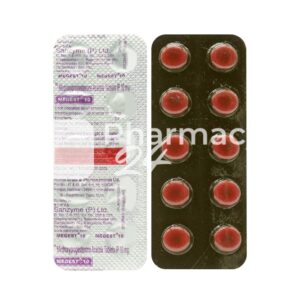
- The form of administration is an oral tablet, intramuscular suspension, or subcutaneous injection, depending on the product.
- When taken by mouth, it generally starts working within hours to days; for contraceptive injections, protection begins after the injection is given, but full contraceptive reliability may depend on timing in the menstrual cycle and whether backup contraception is needed initially.
- The duration of action is about 3 months for injectable forms, while oral courses usually last 5–10 days per cycle or as prescribed.
- Alcohol is best limited or avoided, as it may worsen side effects such as dizziness, nausea, or mood changes, and heavy drinking is not advisable during treatment.
- The most common side effects are menstrual changes or missed periods, weight gain, headache, abdominal bloating or pain, dizziness, mood changes, acne, hair loss, and reduced libido.
- Would you like to try medroxyprogesterone without a prescription?
Latest Evidence On Medroxyprogesterone In The UK And Europe
- INN (International Nonproprietary Name): Medroxyprogesterone
- Brand names available in United Kingdom: Depo-Provera injection, Provera tablets
- ATC Code: G03AC06, L02AB02, G03DA02
- Forms & dosages: Oral tablets 2.5 mg, 5 mg, 10 mg; IM suspension 150 mg/mL; Subcutaneous injection 104 mg/0.65 mL
- Manufacturers in United Kingdom: Pfizer, Pharmacia & Upjohn, with generics from Teva, Mylan, and Sandoz in some markets
- Registration status in United Kingdom: Prescription only; access and formulary availability vary by service
- OTC / Rx classification: Prescription Only (Rx)
People usually ask one thing first: does the injection actually work well in real life?
Across recent UK and EU guideline summaries, medroxyprogesterone acetate remains a reliable progestogen for contraception, especially when injections are kept on schedule.
Depo-Provera is supplied as a 150 mg/mL IM suspension, while the related subcutaneous option is 104 mg/0.65 mL, and both are prescription-only across the UK and EU.
Recent evidence continues to support strong contraceptive efficacy, but the same reviews also keep returning to the practical issues that matter to patients: bleeding changes, continuation, and bone density with long-term DMPA contraception.
That is why NICE- and MHRA-aligned practice usually centres on shared decision-making, followed by review of bone risk, mood symptoms, and menstrual changes.
UK readers often meet this medicine through NHS sexual health services rather than retail purchase, and local access can vary by formulary or commissioning.
| Evidence Area | Recent UK/EU Snapshot | Practical Meaning |
|---|---|---|
| Pregnancy prevention | High efficacy when injections are given on time | Best suited to people who can attend every 12 to 13 weeks |
| Discontinuation | Bleeding changes and weight gain remain common reasons for stopping | Useful counselling can improve continuation |
| Safety signals | Bone density concerns with long-term DMPA use and mood monitoring remain important | Review benefits and risks before starting and during follow-up |
In practice, that means the strongest message is not “good” or “bad”, but “right for the right person, with proper follow-up”.
The injection is still a common choice where adherence to daily tablets is difficult, or where oestrogen is not suitable.
Basic Medroxyprogesterone Information
Are you trying to work out what medroxyprogesterone actually is before booking an appointment or ordering treatment?
This medicine is a synthetic progestogen used in contraception, gynaecology, and some cancer regimens.
In the UK, the name people usually recognise is Depo-Provera for the injection or Provera for the tablets.
The same international name can cover very different presentations, which is why the route, strength, and reason for use matter so much in counselling.
Clinical Effectiveness In NHS Practice
Why do some patients stay on the injection for years while others stop after the first few months?
In real-world NHS contraception, medroxyprogesterone works very well when appointments are kept every 12 to 13 weeks.
The IM regimen is 150 mg every 3 months, and the subcutaneous regimen is 104 mg every 3 months.
That schedule is simple on paper, but attendance still decides whether protection stays reliable.
- Benefits: convenient quarterly dosing, no daily pill routine, reduced periods for many users, and less menstrual pain for some.
- Challenges: irregular bleeding, weight gain, delayed return to fertility, dizziness, and mood changes in some patients.
GP surgeries, sexual health clinics, and community contraceptive services all play a role in getting the timing right.
It is often chosen when oral adherence is difficult or when an oestrogen-containing method is unsuitable.
That makes it especially useful for people who want long-acting injectable birth control without a monthly or daily routine.
Indications And Expanded Uses In The United Kingdom And Europe
Is this medicine only for contraception, or can it be used for other conditions too?
Medroxyprogesterone has both approved and specialist uses, depending on the formulation and dose.
In UK practice, the injection and tablets may be discussed under different names because the same INN sits behind different brands and routes.
- Contraception
- The injection is used for pregnancy prevention when regular long-acting contraception is preferred.
- Endometriosis
- Progestogen therapy may be used to help suppress symptoms and reduce pain.
- Secondary amenorrhoea
- Tablets may be prescribed cyclically to help manage absent periods in selected patients.
- Abnormal uterine bleeding
- Oral medroxyprogesterone acetate tablets can be used in short courses under clinical supervision.
- Oncology
- Specialist regimens may be used for endometrial or renal carcinoma.
Oral regimens are typically 5 to 10 mg daily for 5 to 10 days for some gynaecological indications, while cancer regimens may use 200 to 400 mg IM weekly, individualised by a specialist.
For many patients, the familiar brands are Provera tablets or Depo-Provera injection, even though the same medicine may appear under a generic name in a different service.
Counselling should make that clear so that brand changes do not cause confusion at the pharmacy counter or clinic desk.
Composition, Brand Landscape, And Packaging In The UK Market
What should you look for on the box, vial, or prescription label?
The active ingredient is medroxyprogesterone, and the main recognised forms in the UK and Europe are Depo-Provera injection and Provera tablets.
| Form | Strengths | Typical Packaging |
|---|---|---|
| Oral tablet | 2.5 mg, 5 mg, 10 mg | Blister strips, bottles |
| IM suspension | 150 mg/mL | Single-use vial or pre-filled syringe |
| Subcutaneous injection | 104 mg/0.65 mL | Prefilled syringe |
ATC coding reflects the medicine’s different roles, with G03AC06 for hormonal contraception and L02AB02 for endocrine therapy in cancer.
In pharmacy counselling, those details matter because patients may see tablets in blister packs, injection vials, or pre-filled syringes and assume they are all interchangeable.
They are not.
Electronic prescriptions often arrive before the patient sees the pack, so clear naming and strength checking prevent avoidable errors.
Contraindications, Precautions, And Who Needs Monitoring
Who should not use medroxyprogesterone without proper medical review?
This is a prescription-only medicine, so it is not suitable for self-selection.
Absolute contraindications include known or suspected pregnancy, active thromboembolic disease, unexplained vaginal bleeding, known or suspected breast or genital cancer, severe liver dysfunction or disease, and hypersensitivity to the medicine or excipients.
- Absolute contraindications: pregnancy, active clots, unexplained bleeding, breast or genital cancer, severe liver disease, and allergy to the product.
- Relative cautions: depression, diabetes, hypertension, osteoporosis risk, migraine, and hyperlipidaemia.
That means anyone with mood symptoms, liver disease, or a history of clots should speak to a GP or sexual health clinician before starting.
Long-term DMPA use also needs a conversation about bone density, especially in people already at higher risk of bone loss.
Most people can drive unless they feel dizzy, and there is no specific alcohol interaction, but heavy drinking can worsen mood symptoms and missed appointments.
In everyday practice, the safest approach is screening first, then ongoing review if symptoms change.
Dosage Guidelines And How Regimens Differ By Indication
Could the same medicine really be given in such different ways?
Yes, because the route and the indication determine the dose.
| Indication | Dose and Route | Usual Regimen |
|---|---|---|
| Contraception | 150 mg IM | Every 3 months |
| Contraception | 104 mg SC | Every 3 months |
| Endometriosis, uterine bleeding, secondary amenorrhoea | 5 to 10 mg orally | Daily for 5 to 10 days, often cyclic |
| Endometrial or renal carcinoma | 200 to 400 mg IM | Weekly, individualised |
For contraception, injections are time-sensitive and should be repeated every 12 to 13 weeks.
For tablets, missed doses should be taken as soon as remembered if appropriate, but they should not be doubled.
Children should only use medroxyprogesterone under specialist guidance, elderly data are limited, and severe hepatic impairment is a contraindication.
That is why pharmacists check the indication before giving advice on Provera 10 mg tablets or a Depo-Provera injection schedule.
Interactions, Food And Drink Considerations, And Mhra Safety Reporting
Do tea, coffee, meals, or the odd glass of wine matter much here?
Food interactions are usually not a major issue with medroxyprogesterone.
Normal meals and drinks are not usually a problem, but drug interactions deserve more attention.
Enzyme-inducing medicines and some anti-epileptic treatments may alter effect or tolerability, so a medication review is sensible before starting.
Alcohol does not have a major direct interaction in the usual guidance, but it can worsen dizziness or mood changes and make missed doses more likely.
If a patient suspects an adverse effect, the MHRA Yellow Card scheme is the right route for reporting, especially for mood change, bleeding problems, or clot symptoms.
Seek help quickly if you notice: leg swelling, chest pain, shortness of breath, severe headache, sudden vision change, or marked mood deterioration.
Those symptoms need prompt medical assessment, not a wait-and-see approach.
Cultural Perceptions And Patient Habits In The United Kingdom
Where do people in the UK usually go for answers when they are unsure about the injection?
Most start with NHS websites, NHS 111, their GP surgery, a community pharmacist, or patient forums such as Patient.info and Mumsnet.
Convenience is one of the strongest reasons people like the injection, but it is also the reason some worry about becoming “stuck” with side effects for three months at a time.
That concern often comes up in counselling around weight gain, delayed fertility return, and period changes.
- Not having periods and wondering if that is normal.
- Worrying about weight gain after starting the injection.
- Asking whether fertility will return quickly after stopping.
- Wanting to know if mood changes are likely.
- Checking whether the tablet and the injection are the same thing.
Pharmacist counselling matters a great deal in the UK, especially when electronic prescriptions are collected from Boots, LloydsPharmacy, or Superdrug.
Many patients still want face-to-face reassurance even though online pharmacies are growing, and a clear written leaflet often helps more than a rushed explanation.
That is also why many people value a simple follow-up after the first dose or first injection.
Availability, Access Routes, And Pricing Patterns Across The United Kingdom
How do people actually get medroxyprogesterone in the UK?
Access usually happens through a GP, a sexual health clinic, a family planning service, or a private clinic.
The medicine is prescription-only, and packaging may be single-use vials or pre-filled syringes for Depo-Provera, with tablets supplied in blister packs.
In our online pharmacy, medroxyprogesterone is available without a prescription, with discreet delivery to the United Kingdom in 5 to 14 days.
| Access Route | What It Usually Means | Practical Point |
|---|---|---|
| NHS in England | Prescription charge system unless exempt | Good for ongoing review and repeat prescribing |
| NHS in Scotland, Wales, and Northern Ireland | Prescriptions are free | Useful for long-term continuity |
| Private clinic or pharmacy | Self-pay pricing varies | Handy when access is needed quickly |
Private prices vary across Boots, LloydsPharmacy, Superdrug, and online pharmacies, while local stock can depend on commissioning and availability.
Repeat medication systems can help tablet users stay on track, whereas injection users usually need booked appointments to avoid lapses.
For many people, that practical difference matters more than the brand name on the box.
Comparable Medicines And Where Medroxyprogesterone Fits
Why choose medroxyprogesterone instead of another progestogen?
The answer usually depends on convenience, indication, and side-effect tolerance.
- Norethisterone: often used for short courses and menstrual management.
- Levonorgestrel: common in oral and implant forms, and widely used in long-acting contraception.
- Desogestrel: a pill-only option for people who want oral contraception.
- Dienogest: often considered in endometriosis care.
- Combined hormonal contraception: useful for some patients, but not suitable when oestrogen is not advised.
Medroxyprogesterone stands out because it is available as both tablets and injections, which makes it flexible.
The upside is quarterly dosing, strong contraceptive efficacy, and useful bleeding suppression.
The downside is delayed fertility return, irregular bleeding, and the need to think about bone health if use is long term.
That is why a clinician may choose DMPA contraception for one patient and dienogest or levonorgestrel for another.
Frequently Asked Questions About Medroxyprogesterone
How long does the injection last? The usual schedule is every 12 to 13 weeks, so the effect is designed to cover about 3 months.
Will I still ovulate or get periods? Many people have irregular bleeding at first and later become amenorrhoeic, meaning periods may stop.
What if I miss my appointment? If more than 14 weeks have passed since the last IM or subcutaneous injection, use backup contraception and check for pregnancy.
Can I buy Provera or Depo-Provera without a prescription? No, this medicine is prescription-only in normal UK practice and should not be self-selected.
Proper Use, Pharmacist Counselling, And NHS Support
What does good day-to-day use actually look like?
For injections, attend on time.
For tablets, take them exactly as prescribed and do not double up after a missed dose.
Store the medicine at room temperature, between 15 and 25 degrees Celsius, away from light and freezing.
Do not use the injection if the suspension looks clumped or discoloured.
That advice sounds simple, but it prevents many avoidable problems.
- Check the indication before use.
- Explain that bleeding changes can be normal.
- Review bone health if treatment is long term.
- Discuss urgent warning signs such as clot symptoms or severe mood change.
- Use repeat prescriptions and patient portals to avoid late doses.
NHS patient portals, written safety leaflets, and a quick pharmacist check can all help people stay confident with treatment.
If you are unsure, contact a GP, pharmacist, or sexual health clinic rather than waiting for the next routine appointment.
Delivery Across United Kingdom
| City | Region | Delivery time |
|---|---|---|
| London | England | 5-7 days |
| Birmingham | England | 5-7 days |
| Manchester | England | 5-7 days |
| Leeds | England | 5-7 days |
| Glasgow | Scotland | 5-7 days |
| Edinburgh | Scotland | 5-7 days |
| Liverpool | England | 5-7 days |
| Bristol | England | 5-7 days |
| Sheffield | England | 5-7 days |
| Newcastle upon Tyne | England | 5-7 days |
| Cardiff | Wales | 5-7 days |
| Belfast | Northern Ireland | 5-7 days |
| Norwich | England | 5-9 days |
| Exeter | England | 5-9 days |
| Aberdeen | Scotland | 5-9 days |