
Analgesics
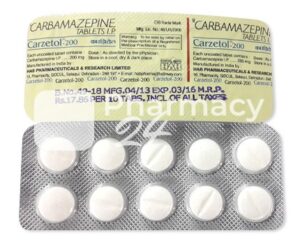
Carbamazepine
from
Celebrex
from
Decadron
from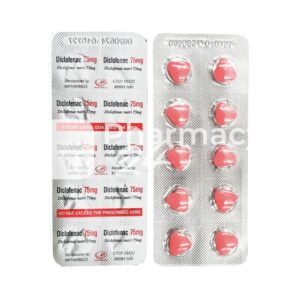
Diclofenac
from
Flunarizine
from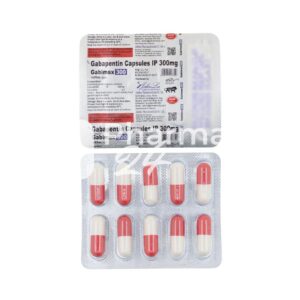
Gabapentin
from
Indocid
from
Indomethacin
from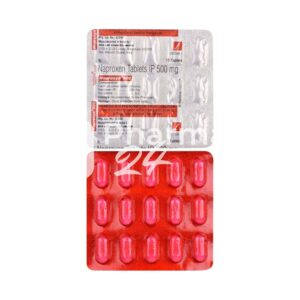
Naprosyn
from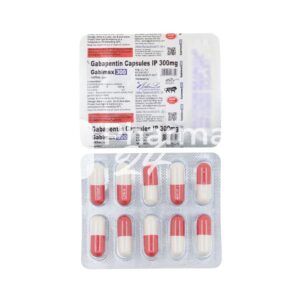
Neurontin
from
Phenazopyridine
from
Tegretol
from
Tizanidine
from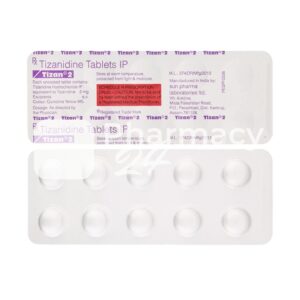
Zanaflex
fromUnderstanding Analgesics and Pain Relief
Analgesics are medications specifically designed to relieve pain without causing a loss of consciousness. These drugs work by interfering with the body’s pain signalling system, reducing the intensity of discomfort you experience. Pain can range from mild headaches to severe post-operative discomfort, and analgesics play a crucial role in managing various types of pain across the UK population.
The human body experiences pain when nerve endings send signals to the brain in response to injury, inflammation, or illness. Different analgesics target this process at different points, either by reducing inflammation, blocking pain signals, or changing how your brain perceives pain. Understanding which type of analgesic suits your needs is essential for safe and effective pain management.
Pain relief medication has been used for centuries, evolving from natural remedies to today’s sophisticated pharmaceutical options. Modern analgesics are carefully formulated to provide targeted relief whilst minimising side effects when used correctly. Whether you’re dealing with a temporary ailment or chronic pain condition, there’s likely an appropriate analgesic available on the UK market.
Over-the-Counter Analgesics: Accessible Pain Relief
Over-the-counter analgesics are readily available from pharmacies, supermarkets, and online retailers throughout the United Kingdom without requiring a prescription. These medications are considered safe for most people when used according to package instructions and are ideal for managing minor to moderate pain.
Common Over-the-Counter Options
Paracetamol remains one of the most popular over-the-counter analgesics in the UK. Available under brand names like Panadol and Calpol, paracetamol is effective for headaches, muscular aches, period pain, and fever. It’s particularly gentle on the stomach compared to some alternatives and is suitable for most age groups when dosed correctly. Paracetamol typically works within 30 to 60 minutes and can be purchased in tablet, capsule, liquid, and soluble forms.
Ibuprofen is a non-steroidal anti-inflammatory drug (NSAID) available over-the-counter under brands such as Nurofen and Advil. Beyond pain relief, ibuprofen reduces inflammation, making it especially effective for conditions like muscle strains, arthritis, and period pain. It generally provides longer-lasting relief than paracetamol, with effects lasting up to eight hours. Ibuprofen is available as tablets, capsules, gels, and liquids suitable for various age groups.
Aspirin serves as both a pain reliever and anti-inflammatory medication. Low-dose aspirin is also used for heart health and stroke prevention in the UK. It’s available in various strengths and formulations, including soluble options that work faster than traditional tablets. Aspirin is particularly useful for headaches and muscular pain, though it’s not suitable for everyone.
Combination products containing paracetamol with caffeine or ibuprofen with codeine offer enhanced pain relief for more stubborn discomfort. These are available over-the-counter in the UK and often provide superior relief compared to single-ingredient options.
Prescription Analgesics: Stronger Pain Management
When over-the-counter options prove insufficient, prescription analgesics provide stronger pain relief for more severe conditions. These medications require consultation with a GP or healthcare professional who will assess your specific needs and medical history.
Types of Prescription Analgesics
Codeine is an opioid analgesic available on prescription or in lower doses combined with paracetamol in over-the-counter products. It’s effective for moderate pain and is often used for dental pain, post-surgical discomfort, and chronic pain conditions. Codeine can cause drowsiness and constipation, so it’s important to follow your doctor’s guidance carefully.
Tramadol is a prescription opioid used for moderate to moderately severe pain. It works differently from traditional opioids, also affecting neurotransmitters in the brain responsible for mood and pain perception. Tramadol is available in immediate-release and modified-release formulations, allowing flexible dosing schedules tailored to individual needs.
Stronger opioids like morphine, oxycodone, and fentanyl are reserved for severe pain, particularly in cancer care and palliative medicine. These powerful medications are strictly regulated in the UK and require careful medical supervision due to their potential for dependence and side effects. They’re typically prescribed only when other analgesics have proven ineffective.
Neuropathic pain medications such as gabapentin and pregabalin address pain from nerve damage or dysfunction. Though not traditional analgesics, these prescription medications provide relief for conditions like diabetic neuropathy and post-herpetic neuralgia, which don’t respond well to standard pain relievers.
Topical Analgesics: Localised Pain Relief
Topical analgesics are applied directly to the skin over the area experiencing pain, providing localised relief without affecting your entire body. These products are particularly popular in the UK for managing arthritis, muscle strains, and sports injuries.
Popular Topical Options
- Topical NSAIDs such as diclofenac gels and ibuprofen creams work effectively for joint and muscle pain whilst minimising systemic absorption. Products like Voltarol Emulgel are widely available and particularly useful for arthritis sufferers who may not tolerate oral NSAIDs well, typically providing relief within 15 to 30 minutes when applied directly to affected joints.
- Menthol-based products create a cooling sensation that distracts from pain and provides a refreshing feeling. Creams and balms containing menthol are excellent for muscle aches and can be purchased over-the-counter throughout the UK, with brands like Deep Heat and Deep Freeze offering warming and cooling options respectively.
- Capsaicin creams work by temporarily depleting a substance in nerves responsible for transmitting pain signals. These products are particularly effective for arthritis and neuropathic pain when applied regularly, requiring several applications over time before maximum benefit is achieved.
- Lidocaine patches provide localised numbing of skin and underlying tissue, offering targeted relief for post-herpetic neuralgia and similar conditions. These medicated patches are available on prescription in the UK and can remain in place for 12 hours or longer.
Special Considerations and Safe Usage
Proper use of analgesics ensures maximum effectiveness whilst minimising potential risks and side effects. Different analgesics suit different individuals based on age, medical conditions, and concurrent medications.
Key Safety Guidelines
Paracetamol safety is crucial because exceeding the recommended dose can cause serious liver damage. Adults should not take more than 4 grams (usually 8 tablets of 500mg) daily, and it’s important to check other medications as many contain hidden paracetamol. Pregnant women and elderly individuals should follow specific guidance from healthcare professionals.
NSAID precautions include taking them with food to protect your stomach and avoiding them if you have certain conditions like asthma or cardiovascular disease. Regular NSAID users should have regular check-ups with their GP to monitor kidney and liver function and ensure continued suitability.
Opioid management requires careful adherence to prescribed dosages to avoid dependence and overdose risks. Never adjust doses without medical guidance, and inform your doctor of any respiratory conditions or sleep apnoea before starting opioid therapy. Understanding the risks associated with opioid use is essential for safe pain management.
Allergies and interactions require careful consideration before starting any analgesic. Some people react poorly to NSAIDs or aspirin, whilst others may experience interactions with blood thinners or other medications. Always discuss your complete medical history with healthcare professionals before beginning any new pain relief regimen.
Choosing the Right Analgesic for Your Needs
Selecting appropriate pain relief depends on several factors including pain type, severity, duration, and your personal medical circumstances. The UK healthcare system provides guidance to help you make informed choices about which analgesic is most suitable.
Acute versus chronic pain requires different approaches. Acute pain from injuries or surgery benefits from stronger medications used short-term, whilst chronic conditions require longer-term management strategies often combining multiple approaches such as physiotherapy alongside medication.
Age considerations mean children, pregnant women, and elderly individuals may require different analgesics or doses. Always check packaging for age recommendations, and consult your pharmacist or GP if unsure about suitability for your specific circumstances.
Lifestyle and activity level influence which analgesic works best. Athletes might prefer longer-lasting NSAIDs, whilst those with stomach sensitivity may choose paracetamol or topical options that avoid systemic effects.
When over-the-counter analgesics don’t provide adequate relief after two weeks, consult your GP for a proper assessment and potential prescription alternatives. Your pharmacist is an excellent resource for advice on which analgesic might suit your specific situation, and many NHS services offer pain management programmes for chronic conditions. Taking time to select the right pain relief medication ensures you receive optimal benefit whilst maintaining your health and wellbeing.