Diclofenac
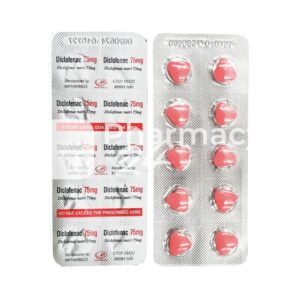
In brief
- Diclofenac can be purchased in some pharmacies without a prescription in lower-dose topical forms such as gel, patch or spray; however, oral, injectable and higher-strength preparations are usually prescription-only. Availability varies by country and local regulations.
- Diclofenac is used to relieve pain and inflammation in conditions such as osteoarthritis, rheumatic pain, acute musculoskeletal injuries, and other inflammatory disorders. It is a non-steroidal anti-inflammatory drug (NSAID) that works by inhibiting cyclo-oxygenase (COX) enzymes, reducing prostaglandin production.
- The usual adult dose depends on the form and indication: oral tablets are commonly 50–100 mg up to 2–3 times daily, with a maximum of 150 mg per day; topical gel is usually applied at 2–4 g to the affected area 3–4 times daily; dosing for suppositories, injections and eye drops varies by product and condition.
- Diclofenac is available as tablets, gel/cream, suppositories, injections, eye drops, spray and patches. It may be taken orally, applied topically, given rectally, administered intramuscularly or by slow intravenous infusion, or used ophthalmically depending on the product.
- Diclofenac usually starts to work within about 30–60 minutes when taken by mouth, sometimes sooner for some formulations. Topical forms may begin easing pain within a few hours, while the full anti-inflammatory effect can take longer.
- The duration of action is generally around 4–8 hours for standard oral forms, which is why it is often taken 2–3 times daily. Extended-release and topical products may provide longer or more localised relief.
- Alcohol is best avoided or kept to a minimum while taking diclofenac, as it can increase the risk of stomach irritation, bleeding and liver-related adverse effects.
- The most common side effects are indigestion, nausea, abdominal pain, headache and dizziness; with topical use, skin rash or irritation can occur. Fluid retention, raised blood pressure and injection-site pain may also occur.
- Would you like to try diclofenac without a prescription?
Basic Diclofenac Information
- INN (International Nonproprietary Name): Diclofenac
- Brand Names Available In United Kingdom: Voltarol
- ATC Code: M01AB05; M02AA15; S01BC03
- Forms & Dosages: Tablets 25mg, 50mg, 75mg, 100mg; gel/cream 1%, 2%, 3%; suppositories 12.5mg, 25mg, 50mg, 100mg; injection 25mg/ml, 75mg/3ml; eye drops 0.1%; spray/patch 4%, 5% depending on market
- Manufacturers In United Kingdom: Novartis, Teva, Sandoz, Mylan, ratiopharm, and other generics
- Registration Status In United Kingdom: Marketed and approved globally by EMA, FDA, MHRA, and ANMDMR for various oral, topical, and parenteral indications
- OTC / Rx Classification: OTC for topical forms such as gel, patch, and spray, and low-dose oral products in some countries; prescription for oral, injectable, higher strength topical, and eye drops
- Other Brand Names: Voltaren, Diclac, Flector, Fenactol, Olfen, Voveran, Diclo SR, Dynapar
Latest Research Highlights
Could diclofenac still be a sensible choice if it works well, but carries safety baggage?
That is the balance UK prescribers now think about, especially with oral diclofenac tablets and higher-dose formulations.
Recent UK and EU practice has stayed aligned with MHRA-style caution: use the lowest effective dose, for the shortest time, and be more careful in people with gastrointestinal, cardiovascular, or renal risk.
Across 2022 to 2025, research themes have kept pointing in the same direction.
Oral diclofenac remains effective for musculoskeletal pain, but it is treated more cautiously than topical diclofenac gel because systemic exposure is higher.
That is why topical diclofenac is often preferred for localised pain in everyday NHS-style self-care.
| Year range | Study theme | Practical outcome |
|---|---|---|
| 2022 | Comparative NSAID safety reviews | Oral diclofenac linked with higher GI and cardiovascular caution than topical use |
| 2023 | Topical versus oral pain management | Topical diclofenac shown to suit localised joint and muscle pain with less systemic exposure |
| 2024 | Real-world prescribing and monitoring | NHS-style practice continued to favour short courses and careful review in at-risk patients |
| 2025 | Regulatory and pharmacovigilance focus | Some countries continued restricting higher-dose formulations because of safety profiles |
Top-line safety signal: oral diclofenac carries more systemic risk than topical diclofenac in many settings.
Top-line safety signal: the main watch points are GI bleeding, cardiovascular risk, and kidney strain.
Top-line safety signal: MHRA-aligned practice in the UK keeps pushing careful selection, especially in older adults and people with hypertension or kidney disease.
Top-line safety signal: diclofenac sodium remains widely used, but not as a casual long-term option.
Top-line safety signal: eye drops, suppositories, injection, tablets, and gel all exist, but the route changes the safety profile a lot.
In real life, that means a pharmacy recommendation often starts with the pain pattern, not the brand.
A runner with a sore knee may do better with topical diclofenac gel.
A patient with widespread inflammatory pain may need a clinician to review whether diclofenac tablets are appropriate at all.
Clinical Effectiveness In The United Kingdom
Does diclofenac actually help, or is it just a familiar name on the shelf?
In UK practice, it is valued because it is effective for common pain problems seen in the pharmacy and at GP level.
Diclofenac is used for osteoarthritis, rheumatic pain, acute musculoskeletal pain, and short flare management.
People usually notice three things when it works well: less pain, easier movement, and better day-to-day function.
For local pain, Voltarol gel is often chosen because it can target a knee, shoulder, wrist, or ankle without putting the whole body under as much NSAID exposure as tablets.
Diclofenac tablets are generally more suited to pain that is broader, more inflammatory, or not responding to topical treatment.
- Reduced joint pain during walking, climbing stairs, or gripping.
- Improved range of movement in stiff or swollen joints.
- Better sleep when pain is settled at night.
- Short-term relief during acute flares rather than indefinite use.
| Form | Typical UK use | Practical difference |
|---|---|---|
| Tablets | Osteoarthritis, rheumatic pain, short acute courses | Stronger systemic effect, but more caution needed |
| Gel | Localised muscle or joint pain | Less systemic exposure, often preferred first |
UK-style advice is straightforward: use the lowest effective dose, for the shortest duration, and review if symptoms persist.
If the pain is not settling, or there are red flags such as swelling, fever, injury, chest symptoms, black stools, or reduced urine, treatment needs reassessment rather than simply extending diclofenac use.
For adult oral dosing in osteoarthritis or rheumatic pain, the usual range is 50mg to 100mg up to 2 to 3 times daily, with a maximum of 150mg a day.
Topical diclofenac is usually applied as 2 to 4g of gel, 3 to 4 times daily.
Indications And Expanded Uses
What is diclofenac meant to treat, and when does a pharmacist need to slow the conversation down?
In MHRA-aligned UK practice, the core uses are joint pain, muscle pain, inflammatory pain, postoperative pain, dysmenorrhoea, and ophthalmic inflammation where eye drops are prescribed.
Some specialist or off-label uses may appear in practice, but they should always be judged against the patient’s risk profile and the formulation involved.
- Joint And Muscle Pain
- Commonly treated with gel, tablets, or suppositories depending on severity and location.
- Inflammatory Conditions
- Used when inflammation is part of the pain picture, such as rheumatic pain.
- Postoperative Pain
- Usually prescription-led, often short-term.
- Period Pain
- Sometimes managed with oral diclofenac when appropriate.
- Eye Use
- Diclofenac eye drops are a separate ophthalmic product and not interchangeable with pain relief gel.
| Formulation | Typical use | Status in UK practice |
|---|---|---|
| Gel | Localised joint and muscle pain | Common OTC self-care option |
| Tablets | Broader inflammatory pain | Usually prescription-led |
| Suppositories | Pain and inflammation when oral use is unsuitable | Prescription-only |
| Injection | Acute pain in specialist settings | Prescription-only |
| Eye drops | Ophthalmic inflammation | Prescription-only |
OTC topical diclofenac is the route many people recognise first, while oral, injectable, and eye drop forms are usually prescription medicines.
That distinction matters because the same active ingredient can feel very different depending on how it is given.
Composition And Brand Landscape
Why do people ask for Voltarol when the medicine is really diclofenac?
Diclofenac is the international nonproprietary name, while Voltarol is the best-known UK brand.
Brand familiarity matters in pharmacies because many patients remember packaging more easily than the generic name.
Across Europe and further afield, the same medicine appears as Voltaren, Diclac, Flector, Fenactol, Olfen, Voveran, Diclo SR, and Dynapar.
Suppliers also vary, with Novartis, Teva, Sandoz, Mylan, and ratiopharm among the better-known names attached to diclofenac products.
| Country | Example brand names | Typical packaging |
|---|---|---|
| United Kingdom | Voltarol | Tablets, suppositories, gel tubes, injection |
| Germany / Europe | Voltaren, Diclofenac-ratiopharm | Tablets, gastro-resistant tablets, extended-release, gel |
| France | Flector, Voltaren | Patch, gel, tablets |
| India | Voveran, Diclo SR, Dynapar | Tablets, gel, injection |
In UK dispensary terms, packaging often includes tablet blisters, gastro-resistant tablets, gel tubes in multiple sizes, suppositories, and ampoules for injectable use.
Tube sizes and pack counts vary by product and manufacturer, so checking the label is always sensible.
Generic diclofenac sodium tablets and diclofenac gel are widely recognised, but the brand name still reassures many customers who have used the product before.
Contraindications And Special Precautions
Who should avoid diclofenac, and who needs a careful pharmacist conversation first?
Some situations are hard stops.
Others are “proceed with caution and monitor closely”.
That is especially important in UK households where someone may be taking anticoagulants, blood pressure tablets, or several medicines already.
| Risk group | Advice | Why it matters |
|---|---|---|
| Active ulcer or GI bleeding | Avoid | Higher bleeding and perforation risk |
| Severe heart, liver, or kidney disease | Avoid | NSAID risk rises sharply |
| Third trimester of pregnancy | Avoid | Unsafe for the baby |
| NSAID allergy, asthma, urticaria reactions | Avoid | Risk of allergic-type reaction |
| Elderly, hypertension, diabetes, IBD, anticoagulants | Caution | Needs closer monitoring |
Common side effects include nausea, headache, dizziness, indigestion, abdominal pain, and rash with topical use.
Moderate effects can include fluid retention, raised blood pressure, raised liver enzymes, pruritus, and injection-site pain.
People should be especially careful if they already have kidney impairment, liver impairment, controlled hypertension, inflammatory bowel disease, or are breastfeeding.
Alcohol can increase gastrointestinal risk, so mixing heavier drinking with diclofenac is not a good idea.
Driving should be approached with caution if dizziness or visual disturbance occurs.
Urgent help is needed if there is vomiting blood, black stools, chest pain, shortness of breath, facial swelling, wheeze, marked urine reduction, or a severe rash.
Dosage Guidelines
How much diclofenac is usually used, and what changes for children or older adults?
The basic rule in the UK is still the same: lowest effective dose for the shortest possible duration.
That principle matters more with diclofenac than with some milder painkillers because the cardiovascular, renal, and GI issues are better recognised.
| Form | Usual dose | Notes |
|---|---|---|
| Oral tablets | 50mg to 100mg up to 2 to 3 times daily; max 150mg/day | Used for osteoarthritis and rheumatic pain |
| Acute pain | Single 50mg to 75mg oral dose or IM injection | Repeat only if needed and prescribed |
| Topical gel | 2 to 4g, 3 to 4 times daily | Apply to the affected area only |
| Eye drops | 1 drop 4 to 5 times daily | Dose depends on the eye indication |
Children may use oral or rectal forms with weight-based dosing of 1 to 3mg/kg/day divided into 2 to 3 doses, but the exact maximum depends on age and indication.
Elderly patients need the closest review because gastrointestinal, kidney, and heart risks increase with age.
In renal or hepatic impairment, dose reduction or avoidance may be needed, especially if the impairment is severe.
That is also where pharmacist advice is useful, because a dose calculator alone will never replace the clinical context.
Interactions Overview
Can diclofenac clash with the medicines already in the cupboard?
Yes, and this is where careful checking really pays off.
Anticoagulants, other NSAIDs, aspirin, SSRIs or SNRIs, ACE inhibitors, ARBs, diuretics, lithium, methotrexate, ciclosporin, and corticosteroids can all raise concern.
Alcohol increases GI risk, and even if tea, coffee, or caffeine are not classic direct interactions, they can sometimes make indigestion feel worse in sensitive people.
Any suspected adverse effect or interaction can be reported through the MHRA Yellow Card scheme.
| Interaction | Severity | Practical advice |
|---|---|---|
| Anticoagulants | High | Bleeding risk; check with a pharmacist or prescriber |
| Other NSAIDs or aspirin | High | Avoid double NSAID use unless specifically advised |
| ACE inhibitors / ARBs / diuretics | Moderate to high | Kidney and blood pressure monitoring may be needed |
| Methotrexate or lithium | High | Requires prescriber review |
People often forget that “just a painkiller” can still be a medicine with serious interaction potential.
That is why a quick medicines check before starting diclofenac is worth the time.
Cultural Perceptions And Patient Habits
How do people in the UK usually approach diclofenac in real life?
Quite often, they start with the pharmacy counter before they start with the GP.
That “ask the chemist” habit is still strong, especially when someone wants to know whether Voltarol gel is enough or whether tablets are needed.
Patients also use NHS 111, Patient.info, Mumsnet, and NHS patient portals to cross-check dosing and side effects.
Branded Voltarol still carries trust because it feels familiar and easy to recognise on the shelf.
For localised pain, many people prefer gel first because it seems gentler and more practical than tablets.
That preference fits everyday self-care, especially for a Friday evening order after a sports injury or a weekend flare-up.
- “Can I use the gel with paracetamol?”
- “How long should I keep using it?”
- “Is this safe with my blood pressure tablets?”
- “Do I need to see a GP if it is not better in a few days?”
Online pharmacies and pharmacy chains have made access easier, but they have also made reassurance more important.
People want fast delivery, clear instructions, and a product they recognise.
In our online pharmacy, diclofenac is available without a prescription, with discreet delivery to United Kingdom in 5-14 days.
Availability And Pricing Patterns
Where do people usually buy diclofenac in the UK?
Boots, LloydsPharmacy, Superdrug, independent pharmacies, and online pharmacies all play a part.
Access also depends on whether the product is being supplied on an NHS prescription or bought privately as an OTC topical medicine.
England has NHS prescription charges, while Scotland, Wales, and Northern Ireland generally do not charge for NHS prescriptions in the same way.
That difference often shapes whether someone chooses a prescription route or buys a gel directly.
Electronic prescriptions have made collection easier, especially for regular users.
| Access route | Typical products | Price pattern |
|---|---|---|
| NHS prescription in England | Oral, suppository, injection, eye drops | Subject to NHS prescription charge |
| NHS prescription in Scotland, Wales, Northern Ireland | As clinically appropriate | Generally free at point of supply |
| Private OTC purchase | Topical gel, patch, spray | Depends on pack size and brand |
Data highlight: topical forms and some low-dose oral products may be sold without prescription in certain markets, while oral, injectable, and eye drops are usually prescription medicines.
Pack sizes, price points, and brand availability can vary between the high street and online pharmacy channels.
For many customers, the simplest choice is a gel tube they can collect quickly or order for discreet delivery.
Comparable Medicines And Preferences
Why might a prescriber choose something other than diclofenac?
Because NSAID choice is not just about strength.
It is also about cardiovascular risk, GI tolerance, kidney function, and how long the medicine is likely to be needed.
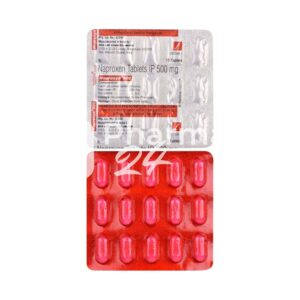
Diclofenac is often seen as potent, but some higher-risk patients may be better matched to ibuprofen, naproxen, celecoxib, ketoprofen, piroxicam, or etodolac.
| Medicine | Pros | Cons |
|---|---|---|
| Diclofenac | Potent anti-inflammatory and analgesic effect | More caution with GI, cardiovascular, and renal risk |
| Ibuprofen | Common first-line NSAID, familiar and flexible | May be less suitable for some patients needing stronger anti-inflammatory action |
| Naproxen | Often considered in some cardiovascular-risk discussions | GI risk still needs attention |
| Celecoxib | COX-2 selective option | Prescription-led and not suitable for everyone |
A simple checklist helps:
For local pain, try topical diclofenac or a suitable alternative first.
For broader pain, weigh the need for potency against the patient’s risk factors.
For long-term use, compare tolerability, monitoring burden, and medical history rather than just price.
Frequently Asked Questions
Can I take diclofenac with paracetamol? Yes, they are often used together, but check with a pharmacist if you already take other medicines.
Is Voltarol gel enough for arthritis? It can help localised arthritis pain, especially in a knee or hand, but more widespread symptoms may need a review.
How long can I use diclofenac? Use it for the shortest time that controls symptoms, and speak to a pharmacist or prescriber if it is not improving.
Can I drink alcohol with it? Alcohol increases stomach risk, so it is better to keep intake low or avoid it while taking diclofenac.
Guidelines For Proper Use
What makes diclofenac safer in day-to-day use?
Good habits.
That means reading the label, taking the right form, and not quietly doubling up with another NSAID.
Tablets should be swallowed as directed, and gel should be applied only to intact skin over the painful area.
Hands should be washed after topical application unless the hands are the treatment site.
Do not cover treated skin unless the product instructions say it is acceptable.
- Take tablets with the correct timing and never exceed the prescribed daily maximum.
- Apply gel in the measured amount, 2 to 4g, 3 to 4 times daily, unless told otherwise.
- Do not double a missed dose.
- Store products at 15 to 30°C, away from moisture, heat, and light.
- Seek urgent help for overdose symptoms such as GI disturbance, CNS effects, or reduced urine output.
Missed doses should be taken when remembered unless the next dose is close, in which case the missed one is skipped.
For chronic use, reviews are important because long-term diclofenac needs more monitoring than a short flare treatment.
NHS portals, NHS 111, and pharmacy follow-up are sensible places to get checked advice if symptoms change.
If a pain problem keeps returning, the bigger question is often whether diclofenac is the right medicine at all.
Delivery Across United Kingdom
| City | Region | Delivery time |
|---|---|---|
| London | Greater London | 5-7 days |
| Birmingham | West Midlands | 5-7 days |
| Manchester | North West England | 5-7 days |
| Glasgow | Scotland | 5-7 days |
| Edinburgh | Scotland | 5-7 days |
| Liverpool | North West England | 5-7 days |
| Leeds | Yorkshire and the Humber | 5-7 days |
| Sheffield | Yorkshire and the Humber | 5-7 days |
| Bristol | South West England | 5-7 days |
| Cardiff | Wales | 5-7 days |
| Belfast | Northern Ireland | 5-7 days |
| Newcastle upon Tyne | North East England | 5-7 days |
| Nottingham | East Midlands | 5-9 days |
| Leicester | East Midlands | 5-9 days |
Diclofenac remains a useful NSAID when the right patient gets the right form.
Topical diclofenac suits many localised pain problems, while oral and other prescription forms need a more careful risk check.
If you are comparing Voltarol gel, diclofenac tablets, or another NSAID, the safest choice is the one that matches the pain, the duration, and the patient’s medical history.