
Asthma
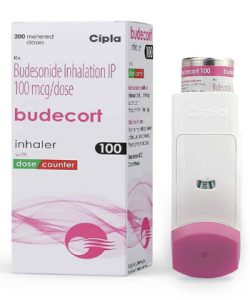
Budecort
from
Budesonide Caps
from
Uniphyllin
fromUnderstanding Asthma: Causes and Symptoms
Asthma is a chronic respiratory condition that affects the airways in your lungs. When you have asthma, the airways become inflamed and narrow, making it difficult to breathe. This inflammation causes the muscles around the airways to tighten, reducing airflow to your lungs.
Common triggers for asthma include allergens such as pollen, dust mites, and pet dander. Environmental factors like cold air, pollution, and smoke can also provoke symptoms. Exercise, stress, and infections like colds or flu may trigger asthma attacks in some people.
The main symptoms of asthma include wheezing, shortness of breath, chest tightness, and persistent coughing, particularly at night or during physical activity. Not everyone experiences the same symptoms, and severity can vary considerably. Some people have mild symptoms that appear occasionally, whilst others experience frequent, more severe episodes.
If you suspect you have asthma, it’s important to see your GP for a proper diagnosis. Your doctor will listen to your lungs with a stethoscope and may recommend lung function tests to confirm the condition. Early diagnosis and treatment can help you manage your symptoms effectively and prevent complications.
Types of Asthma Medications Available in the UK
There are two main categories of asthma medications available on the UK market: relievers and preventers. Understanding the difference between these medication types is crucial for effective asthma management.
Reliever Medications
Reliever medications work quickly to ease symptoms during an asthma attack. Salbutamol, commonly known by brand names like Ventolin, is the most frequently prescribed reliever in the United Kingdom. It’s a short-acting beta-agonist that relaxes the muscles around your airways within minutes. Terbutaline is another reliever option available under the brand name Bricanyl.
Preventer Medications
Preventer medications are taken daily to reduce inflammation in your airways and prevent symptoms from occurring. Beclometasone is a popular inhaled corticosteroid used for prevention, available under various brand names including Clenil Modulite and Qvar. Fluticasone propionate, marketed as Flovent, is another effective steroid inhaler for preventing asthma symptoms.
Combination Inhalers
Combination inhalers contain both a steroid and a long-acting beta-agonist, providing both prevention and sustained relief. These include products like Seretide (fluticasone and salmeterol) and Symbicort (budesonide and formoterol), which are widely prescribed throughout the UK.
Additional Treatment Options
For people with more severe asthma, additional options are available. Montelukast, sold as Singulair, is a tablet that helps reduce inflammation and is particularly useful if you have asthma triggered by allergies or exercise. Theophylline is an older medication still used in certain cases to help open airways.
Using Your Inhaler Correctly
Proper inhaler technique is essential to ensure you receive the full benefit of your medication. Many people don’t use their inhalers correctly, which reduces their effectiveness and can worsen asthma control.
Metered Dose Inhalers
For metered dose inhalers, start by breathing out completely to empty your lungs. Place the mouthpiece between your teeth and seal your lips around it. As you begin to breathe in slowly and deeply, press down on the canister to release the medication. Hold your breath for about 10 seconds to allow the medication to reach your lungs effectively. Always wait at least one minute before taking a second dose.
Dry Powder Inhalers
Dry powder inhalers require a slightly different technique. Hold the inhaler upright and load a dose as directed. Take a deep breath out, then place the mouthpiece in your mouth and inhale rapidly and deeply to draw the powder into your lungs. Hold your breath for 10 seconds before exhaling.
Using a Spacer
Spacers are helpful devices that attach to your inhaler and make it easier to use effectively. They’re particularly beneficial for children and older adults, but anyone can benefit from improved medication delivery. When using a spacer, attach it to your reliever inhaler, press and release the dose into the chamber, then breathe normally in and out five to six times to inhale all the medication.
Regular practice with your pharmacist or GP can improve your technique. Ask during your next visit if you’re using your inhaler correctly, as this is one of the most important aspects of asthma management.
Developing Your Personal Asthma Action Plan
Working with your healthcare provider to create a personal asthma action plan is one of the best ways to manage your condition effectively. This plan should be specific to your needs and circumstances.
Your action plan should clearly identify your triggers and include strategies for avoiding them. If you have exercise-induced asthma, taking your reliever inhaler 15 minutes before activity can prevent symptoms. If allergens trigger your asthma, minimising exposure through air filters or antihistamines may help.
The plan should detail your regular preventer medication routine, including which inhalers to use, how often, and the correct technique. Include instructions on when to use your reliever inhaler and how many doses are appropriate before seeking medical advice.
Include warning signs that your asthma is worsening, such as needing your reliever inhaler more frequently than usual or experiencing symptoms that don’t improve with treatment. Know when to contact your GP or seek emergency care. If you can’t speak in full sentences, have severe wheezing, or your symptoms don’t improve with reliever medication, call 999 immediately.
Review and update your asthma action plan regularly with your GP or asthma nurse, especially after an asthma attack or if your symptoms change. Keeping a symptom diary can help you and your healthcare team identify patterns and make adjustments to your treatment plan.
Managing Asthma Long-Term
Living well with asthma requires ongoing management and monitoring. Regular check-ups with your GP or asthma nurse are essential, typically recommended at least annually, though more frequent visits may be necessary if your asthma is not well controlled.
Keep track of your symptoms and peak flow readings if you have a peak flow meter. This simple device measures how fast air moves out of your lungs and can detect changes before you notice symptoms. Recording this information helps your doctor assess whether your current treatment is working effectively.
Maintain a clean environment by implementing the following measures:
- Regularly dust and vacuum with HEPA filters
- Wash bedding frequently in hot water
- Control humidity to reduce dust mite numbers
- Keep pets out of your bedroom and bathe them regularly to minimise allergenic dander
Regular physical activity is beneficial for asthma management, despite the condition affecting your breathing. Exercise strengthens your lungs and improves overall fitness. If you experience exercise-induced asthma, discuss preventive strategies with your doctor before starting a new activity.
Managing stress is also important, as emotional stress can trigger asthma symptoms. Consider relaxation techniques such as breathing exercises, meditation, or yoga. During winter months, take extra precautions as cold air and seasonal infections can worsen asthma.
When to Seek Additional Help
Most people manage asthma effectively with proper medication and lifestyle adjustments, but sometimes additional support is necessary. If you’re using your reliever inhaler more than twice weekly, speak with your GP about adjusting your preventer medication.
If standard treatments aren’t controlling your symptoms adequately, ask your GP about referral to a respiratory specialist. Some people benefit from biological medications targeting specific aspects of asthma inflammation, though these are typically prescribed only when conventional treatments have proven insufficient.
Asthma support organisations throughout the UK offer valuable resources, including educational materials, support groups, and helplines. These services can provide practical advice and emotional support for managing your condition. Your local pharmacy can also answer questions about your medications and demonstrate proper inhaler technique during consultations.