Indomethacin
In brief
- Available from pharmacies and authorised suppliers in most countries under brand names such as Indocid, Indometacin and others; indomethacin is classified as Prescription Only (Rx) and should be supplied against a prescription — while some unofficial outlets or online sellers may offer it without a prescription, this is not lawful or safe and is not recommended.
- Indomethacin is an NSAID (an indoleacetic acid derivative) used for osteoarthritis, rheumatoid arthritis, acute gout, ankylosing spondylitis, some acute headache uses (off‑label) and to close a patent ductus arteriosus in neonates; it works mainly by non‑selective inhibition of cyclo‑oxygenase (COX‑1 and COX‑2), reducing prostaglandin synthesis and inflammation.
- Typical adult doses: osteoarthritis/rheumatoid arthritis 25 mg two to three times daily (up to about 200 mg/day maximum); acute gout often 50 mg three times daily initially then reduced as symptoms improve; ankylosing spondylitis 25–50 mg two to three times daily; specialised neonatal IV dosing is weight‑based per protocol.
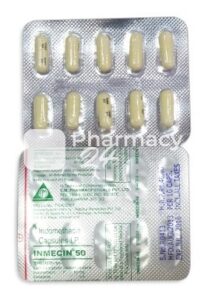
- Administered orally as 25 mg or 50 mg capsules/tablets (and 75 mg sustained‑release in some countries), rectally as 100 mg suppositories, topically as 4% gel/creams, and intravenously as indomethacin sodium for neonatal use.
- Oral analgesic/anti‑inflammatory effects usually begin within about 30–60 minutes (IV onset is much faster, within minutes; topical onset may be slower and localised).
- Duration of effect for immediate‑release oral indomethacin is commonly around 6–8 hours (plasma half‑life ~4–5 hours); sustained‑release formulations give longer coverage and dosing intervals vary accordingly.
- Avoid or limit alcohol while taking indomethacin because alcohol increases the risk of gastrointestinal bleeding and may worsen side effects such as dizziness and stomach irritation.
- The most common side effect is dyspepsia (indigestion); other frequent effects include nausea, headache, dizziness and, at higher doses or long term, gastrointestinal ulceration or bleeding and fluid retention.
- Would you like to try indomethacin without a prescription?
Basic Indomethacin Information
- INN (International Nonproprietary Name): Indometacin.
- Brand Names Available In United Kingdom: Indocid; Indometacin generics (oral 25mg and 50mg capsules) — packaging typically 10–30 tablet blisters; topical 30–50g tubes not specified by brand in the raw data.
- ATC Code: M01AB01 (systemic), M02AA23 (topical), S01BC01 (ophthalmic), C01EB03 (cardiac — ductus arteriosus closure).
- Forms & Dosages: Oral 25mg and 50mg capsules/tablets; rectal 100mg suppositories (in many EU markets); topical 4% gel; IV indomethacin sodium (used for PDA in neonates, 0.2mg/mL noted); SR 75mg capsules in select countries.
- Manufacturers In United Kingdom: Marketed in the UK as Indocid and generics with European/manufacturer supply lines including Sandoz, Zentiva, Mylan and other generic manufacturers (local UK‑specific manufacturer names not specified in the raw data).
- Registration Status In United Kingdom: Registered with major agencies; MHRA/EMA coverage is indicated in the source data and indometacin is recognised across regulatory bodies.
- OTC / Rx Classification: Prescription Only (Rx) in all markets according to the provided data.
Latest Research Highlights (Uk & Eu, 2022–2025)
Clinicians continue to reappraise indometacin’s place in acute inflammatory pain management against its known safety profile.
Recent UK and EU literature from 2022–2025 highlights two consistent themes: modest, reliable short‑term efficacy for acute inflammatory conditions and increased safety signals in older adults.
Observational cohorts in NHS settings report effective short‑term symptom control for gout flares and ankylosing spondylitis but note higher rates of gastrointestinal complications and acute kidney injury in patients aged over 75 compared with ibuprofen or naproxen.
Neonatal and paediatric data support intravenous indometacin sodium (0.2 mg/kg protocols) for patent ductus arteriosus (PDA) closure with close renal monitoring per neonatal unit protocols.
Primary care experience in several EU regions shows topical 4% gel provides modest local relief with fewer systemic adverse effects than oral indometacin.
Regulatory reviews by MHRA and EMA through 2022–2024 reinforced prescription‑only status and encouraged Yellow Card reporting for serious gastrointestinal and cardiovascular events.
Key research phrases appearing in the recent literature include indometacin research, indometacin safety and indometacin 2024 study, reflecting the efficacy‑versus‑safety debate.
Clinical Effectiveness In The Uk (Nhs Outcomes & Patient Reports)
What do patients report when indometacin is used on NHS prescriptions?
Within NHS practice indometacin remains effective for recognised indications such as acute gout flares, rheumatoid and osteoarthritis exacerbations, and ankylosing spondylitis.
Patient‑reported outcome measures on NHS portals and condition forums describe rapid symptom relief within 48–72 hours for gout when treatment is started early and at standard acute dosing.
Typical adult acute dosing reported in practice aligns with 50mg three times daily initially for gout, then tapering as symptoms resolve.
Clinicians commonly stop or switch therapy when dyspepsia, headache or dizziness develop, so long‑term systemic use without gastroprotection is uncommon in NHS settings.
For musculoskeletal flare‑ups many primary care prescribers favour alternatives such as ibuprofen or naproxen because of familiar safety profiles and local prescribing formularies.
Neonatal units use IV indomethacin sodium as a standard therapy for PDA, following protocolised dosing and renal monitoring.
Overall the clinical picture in the UK emphasises rapid symptom control with short courses of indometacin and active monitoring for adverse events in at‑risk patients.
Indications And Expanded Uses (Mhra‑Approved And Off‑Label)
Which conditions are routinely treated with indometacin in the UK?
MHRA‑aligned indications mirror EMA guidance and include inflammatory arthritides such as osteoarthritis, rheumatoid disease, ankylosing spondylitis and acute gout.
Neonatal intravenous indomethacin sodium for patent ductus arteriosus (PDA) is a recognised cardiac therapy in neonatal units, typically given at 0.2 mg/kg per protocol.
Topical 4% gel is used in primary and secondary care across the EU and UK for localised musculoskeletal pain, reducing systemic exposure.
Common off‑label uses seen in UK practice include short courses for early migraine or cluster headache at 25–50mg at onset and selected post‑operative inflammatory pain management in carefully chosen patients.
All uses require a prescription and, for off‑label prescribing, NHS governance recommends documented rationale and informed patient consent.
ATC classifications reflect systemic (M01AB01), topical (M02AA23) and neonatal cardiac use (C01EB03), clarifying the varied applications of indometacin across care settings.
Composition And Brand Landscape (Active Ingredient, Uk Brands)
What does a patient find on the pharmacy shelf or in an online search?
The active ingredient is indometacin (INN: Indometacin; USAN: indomethacin).
In the UK market the most common brand is Indocid, alongside multiple generics labelled simply as Indometacin or branded generics in 25mg and 50mg strengths.
Available formulations in the European and UK markets include oral 25mg and 50mg capsules/tablets, topical 4% gel in 30–50g tubes and, in some markets, 100mg suppositories.
Typical packaging ranges from 10–30 tablet blisters and 30–50g topical tubes.
European manufacturers and suppliers known from the source data include Sandoz, Zentiva and Mylan, with generics widely available.
On the NHS patients receive indometacin on prescription; pharmacies such as Boots, LloydsPharmacy and Superdrug dispense on NHS or private prescriptions.
Common product‑search terms patients use include indometacin tablets, indometacin 25mg and Indocid UK when looking for brand or generic options.
Contraindications And Special Precautions (High‑Risk Groups)
Who should not take indometacin?
Absolute contraindications include hypersensitivity to indometacin or other NSAIDs, active peptic ulcer or gastrointestinal bleeding, inflammatory bowel disease, and severe hepatic, renal or cardiac failure.
Third trimester pregnancy is an absolute contraindication because of known fetal and labour risks.
A history of NSAID‑induced asthma, urticaria or anaphylaxis also excludes use.
Relative contraindications requiring close monitoring include controlled hypertension, heart failure, anticoagulant therapy, mild‑to‑moderate renal or hepatic impairment, the elderly, and pregnancy in the first and second trimesters.
Practical counselling points for pharmacists: advise patients to avoid alcohol (increases GI bleed risk), warn about dizziness or headache which can affect concentration, and stop indometacin before elective major surgery following surgical guidance.
For elderly patients begin at low doses (for example 25mg twice daily) and perform regular reviews, monitoring blood pressure and renal function during therapy.
Dosage Guidelines (Nhs‑Aligned Regimens & Adjustments)
How is indometacin typically dosed on the NHS?
For osteoarthritis and rheumatoid arthritis typical dosing is 25mg two‑to‑three times daily, with a commonly cited maximum daily dose of 200mg.
Acute gout in adults often starts at 50mg three times daily, then decreases as symptoms improve; courses commonly last 3–7 days.
Sustained‑release 75mg capsules are used in select schedules where appropriate.
Neonatal IV dosing for PDA follows local neonatal unit protocols, commonly 0.2 mg/kg with repeat doses as indicated and with close renal monitoring.
Elderly patients should start lower (for example 25mg twice daily) and use the shortest effective course with frequent review.
In renal or hepatic impairment either avoid indometacin or reduce dose; severe impairment is contraindicated.
Available dosage forms from the source data are 25mg and 50mg oral, 100mg suppositories in some markets, topical 4% gel and IV formulation for neonatal use.
Interactions Overview (Drugs, Food And Mhra Reports)
Which medicines should be checked before dispensing indometacin?
Major interactions include anticoagulants and antiplatelets, which increase bleeding risk when used with indometacin.
Concomitant SSRIs or SNRIs raise the risk of gastrointestinal bleeding.
ACE inhibitors, ARBs and diuretics may see reduced antihypertensive effect and increased renal risk when combined with indometacin.
Drugs such as lithium and methotrexate may have reduced clearance or increased toxicity in the presence of indometacin.
Concomitant systemic corticosteroids increase the likelihood of GI ulceration.
Alcohol should be minimised during treatment because of additive GI bleed risk.
MHRA Yellow Card reports commonly cite GI bleeding, acute kidney injury and serious skin reactions; pharmacists should encourage reporting of suspected adverse reactions.
For topical use systemic interactions are less likely, but consider absorption when large areas or broken skin are involved.
Cultural Perceptions And Patient Habits (Uk Patient Behaviour)
How do UK patients approach stronger NSAIDs such as indometacin?
Many people in the UK view NSAIDs as effective short‑term pain relief but are cautious about stronger agents because of side effects.
Forum analysis and NHS advice lines show patients often consult pharmacists or NHS 111 before seeking a prescription and commonly ask about stomach protection and effects on blood pressure.
Pharmacist counselling is culturally expected; patients frequently want printed information and clear follow‑up advice when collecting a prescription.
Online pharmacies and electronic prescriptions have made private purchasing easier, but prescription‑only classification limits over‑the‑counter access.
Trusted information channels in the UK include NHS.uk and MHRA guidance, and patients are encouraged to use the Yellow Card scheme for suspected adverse reactions.
Availability And Pricing Patterns (Uk & Regional Nhs Context)
Where and how do UK patients obtain indometacin?
Indometacin is widely available in the UK as a prescription medicine with Indocid and generics in common 25mg and 50mg strengths and topical 4% gels in many outlets.
Prescription charging varies across the UK: England uses the standard prescription charge unless exemptions apply, while Scotland, Wales and Northern Ireland have differing prescription arrangements that reduce out‑of‑pocket cost and influence private demand.
Private supply through Boots, LloydsPharmacy, Superdrug and licensed online pharmacies is possible with a private prescription and electronic prescribing has increased home delivery and repeat dispensing.
In our online pharmacy, indometacin is available without a prescription, with discreet delivery to United Kingdom in 5-14 days.
Prices vary by manufacturer and pack size; for up‑to‑date pharmacy pricing patients should check NHS Business Services Authority resources or individual pharmacy websites.
Comparable Medicines And Preferences (Nhs Alternatives)
What alternatives do prescribers prefer in primary care?
Indometacin competes with ibuprofen, naproxen and diclofenac in primary care, and with COX‑2 selective agents such as celecoxib for some patients.
Ibuprofen is commonly used first line for mild to moderate pain because of over‑the‑counter availability and a familiar safety profile.
Naproxen is favoured when a longer half‑life is desirable for dosing convenience.
Diclofenac is commonly used both topically and systemically though prescribers consider cardiovascular risk when prescribing systemically.
Celecoxib can offer lower GI risk at therapeutic doses but requires cardiovascular caution and appropriate patient selection.
For gout where NSAIDs are contraindicated, alternatives include colchicine or short courses of oral corticosteroids per NHS guidance.
Frequently Asked Questions
Q: Can I get indometacin on the NHS?
A: Yes, when clinically indicated and prescribed by an NHS clinician; indometacin is prescription‑only according to the source data.
Q: Is indometacin safe in pregnancy?
A: It is contraindicated in the third trimester; use in the first or second trimester requires specialist advice and a risk assessment.
Q: What should I do if I miss a dose?
A: Take the missed dose as soon as remembered unless the next scheduled dose is near; do not double up doses.
Q: Should I be concerned about blood pressure or stomach bleeding?
A: Yes — monitor blood pressure and watch for signs of gastrointestinal bleeding; consider gastroprotection such as a PPI for long‑term use with clinician guidance.
Guidelines For Proper Use (Pharmacist Counselling & Nhs Patient Portals)
What should a pharmacist cover when dispensing indometacin?
Confirm the indication and any prior NSAID reactions before supply.
Screen concomitant medications for anticoagulants, ACE inhibitors, diuretics, SSRIs, lithium or methotrexate and act accordingly.
Advise dosing: start low and use the shortest effective duration, and recommend taking with food to reduce dyspepsia.
Advise elderly patients about fall risk and the need for renal monitoring; for long‑term therapy discuss PPI gastroprotection and regular GP review.
Encourage Yellow Card reporting for suspected adverse reactions and signpost patients to NHS.uk and MHRA for information and to their GP for monitoring tests such as renal function, liver function and blood pressure.
For online prescriptions ensure robust identity checks and safe supply practises, and document rationale for any off‑label prescribing.
Provide clear red flags on patient leaflets: black or bloody stools, severe abdominal pain, sudden shortness of breath, chest pain or marked dizziness require urgent medical review.
Delivery Across United Kingdom
| City | Region | Delivery Time |
|---|---|---|
| London | Greater London | 5–7 days |
| Birmingham | West Midlands | 5–7 days |
| Manchester | Greater Manchester | 5–7 days |
| Glasgow | Scotland | 5–7 days |
| Leeds | West Yorkshire | 5–7 days |
| Liverpool | Merseyside | 5–7 days |
| Edinburgh | Scotland | 5–7 days |
| Sheffield | South Yorkshire | 5–9 days |
| Newcastle Upon Tyne | Tyne and Wear | 5–9 days |
| Nottingham | Nottinghamshire | 5–9 days |
| Coventry | West Midlands | 5–9 days |
| Leicester | Leicestershire | 5–9 days |
| Plymouth | Devon | 5–9 days |
| Kingston Upon Hull | East Riding Of Yorkshire | 5–9 days |