
Arthritis
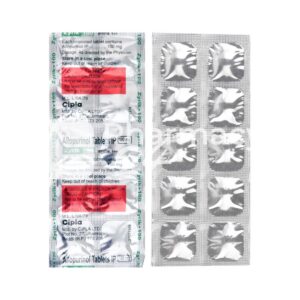
Allopurinol
from
Colchicine
from
Etoricoxib
from
Feldene
from
Indocid
from
Indomethacin
from
Naprosyn
fromUnderstanding Arthritis: Types and Causes
Arthritis is a common condition affecting millions of people across the UK. It involves inflammation of one or more joints, causing pain, stiffness, and reduced mobility. The two most prevalent types are osteoarthritis and rheumatoid arthritis, though there are over 100 different forms of this condition.
Osteoarthritis develops when the protective cartilage in joints breaks down over time, typically affecting older individuals or those with joint injuries. Rheumatoid arthritis, conversely, is an autoimmune condition where the body’s immune system attacks joint linings, often affecting multiple joints simultaneously and occurring at any age.
Other types include gout, lupus-related arthritis, and ankylosing spondylitis. Understanding your specific type of arthritis is essential for effective treatment and management. Risk factors encompass age, family history, previous injuries, obesity, and certain occupations involving repetitive movements.
Symptoms and When to Seek Help
Recognising arthritis symptoms early enables prompt intervention and better disease management. Common symptoms include joint pain, swelling, stiffness particularly in the morning, reduced range of motion, and warmth around affected joints. Hands, knees, hips, and spine are frequently affected areas.
Symptoms may develop gradually or appear suddenly, depending on the arthritis type. Some people experience fatigue, weight loss, and general malaise alongside joint symptoms. You should consult your GP if joint pain persists for more than two weeks, multiple joints become affected simultaneously, or symptoms significantly impact daily activities.
Early diagnosis prevents further joint damage and allows healthcare professionals to recommend appropriate treatments. Your GP can refer you to a rheumatologist for specialist assessment if necessary.
Pain Relief Medications Available in the UK
The UK market offers several effective pain relief options for arthritis management. Over-the-counter treatments include paracetamol, which is suitable for mild pain, and ibuprofen or naproxen, which are non-steroidal anti-inflammatory drugs (NSAIDs) offering both pain relief and anti-inflammatory benefits.
Various medication options are available depending on your needs:
- Over-the-counter NSAIDs like ibuprofen and naproxen for mild to moderate pain
- Prescription NSAIDs such as diclofenac and meloxicam for stronger relief
- Topical treatments including ibuprofen gels and creams for localised joint pain
- Corticosteroid injections administered by healthcare professionals for temporary relief
- Capsaicin creams derived from chilli peppers for natural pain management
- Codeine-based combinations for more severe pain, requiring careful use
Paracetamol remains accessible without prescription in various formulations. Ibuprofen tablets and gels are widely available from pharmacies and supermarkets. Prescription-strength NSAIDs must be obtained from your GP or specialist, often requiring stomach protection medication alongside them. Topical treatments offer relief without systemic effects, making them ideal for localised pain.
Disease-Modifying Antirheumatic Drugs (DMARDs)
For rheumatoid arthritis specifically, disease-modifying antirheumatic drugs represent a significant therapeutic advance. These medications slow disease progression and prevent joint damage, fundamentally changing arthritis management outcomes.
Methotrexate is the most commonly prescribed DMARD in the UK, taken weekly orally or via injection. It suppresses immune system activity, reducing inflammation and joint deterioration. Sulfasalazine and leflunomide offer alternative options for patients unable to tolerate methotrexate.
Biologic therapies represent newer DMARD options, including TNF inhibitors like etanercept and adalimumab, which target specific immune system components. These medications require careful monitoring but offer excellent disease control for many patients. Combination DMARD therapy often proves more effective than single agents, with treatment adjusted based on response and tolerability. Regular blood tests monitor liver and kidney function alongside white blood cell counts. DMARDs typically take several weeks to demonstrate effectiveness, requiring patience and consistent use.
Non-Medication Management Strategies
Alongside medication, lifestyle modifications significantly improve arthritis management and quality of life. Regular gentle exercise maintains joint flexibility and strengthens supporting muscles, reducing pain and improving mobility. Physiotherapy provides tailored exercise programmes addressing individual needs and limitations.
Occupational therapy suggests practical adaptations for daily activities, including specially designed aids and tools reducing joint stress. Weight management reduces pressure on weight-bearing joints, particularly beneficial for knee and hip arthritis. Heat therapy using hot water bottles or wheat bags soothes stiffness, whilst cold packs reduce acute inflammation and swelling.
Rest during flare-ups prevents further damage, though complete immobility should be avoided. Applying compression around joints provides support and reduces swelling. Complementary approaches including acupuncture, massage, and hydrotherapy offer symptom relief for some individuals. Dietary modifications, particularly anti-inflammatory foods like fish rich in omega-3 fatty acids, may help reduce symptoms. Stress management techniques contribute to overall wellbeing and potentially reduce pain perception.
Seeking Support and Managing Your Condition Long-Term
Living with arthritis requires ongoing support and adjustment, with numerous resources available throughout the UK. Your GP provides initial management and coordinates specialist referrals to rheumatologists for complex cases. Specialist nurses offer expert advice regarding medication management and side effects.
Physiotherapists and occupational therapists provide practical strategies for maintaining independence and managing daily activities. NHS services, including community rheumatology clinics, provide accessible care. Charitable organisations like Arthritis Research UK and the National Rheumatoid Arthritis Society offer comprehensive information, support groups, and educational resources. Local support groups enable connection with others experiencing similar challenges, reducing isolation and providing practical advice.
Regular monitoring ensures your treatment remains effective, with medication adjustments made as needed. Consistent communication with healthcare professionals about symptom changes, medication side effects, or lifestyle impacts enables optimised care. Annual reviews assess disease progression and treatment response. Maintaining a symptom diary helps identify patterns and triggers. Setting realistic goals focuses efforts on meaningful activities. Many people continue working and enjoying hobbies with appropriate support and management, maintaining quality of life despite arthritis diagnosis.