Etoricoxib
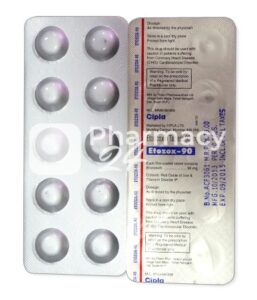
In brief
- Etoricoxib is a prescription-only medicine in most countries (UK: POM; Australia: S4; EU: Rx only) and is supplied via pharmacies and licensed e‑pharmacies; note that some pharmacies or online sellers may offer it without requiring a prescription, but this is not recommended and may be illegal — it should be used only under medical supervision.
- Etoricoxib is used to treat pain and inflammation in conditions such as osteoarthritis, rheumatoid arthritis, ankylosing spondylitis, chronic low back pain, acute gout and acute dental pain; it is a highly selective COX‑2 inhibitor that reduces prostaglandin synthesis to relieve inflammation and pain.
- Usual dosages vary by condition: osteoarthritis 30–60 mg once daily, rheumatoid arthritis 60–90 mg once daily, ankylosing spondylitis typically 90 mg once daily, acute gout 120 mg once daily (maximum 8 days), acute dental pain 90 mg once daily (up to 3 days).
- Administered orally as tablets (commonly available in 60 mg, 90 mg and 120 mg strengths; 30 mg tablets are rare).
- Onset of analgesic effect is typically within 30–60 minutes after oral dosing, with meaningful pain relief often evident within the first hour.
- The duration of action is long, permitting once-daily dosing — effects commonly last around 24 hours (half-life approximately 20–24 hours).
- Avoid or limit alcohol while taking etoricoxib, as alcohol increases the risk of gastrointestinal bleeding and may exacerbate liver toxicity.
- The most common side effect is headache (other frequent adverse effects include dizziness, peripheral oedema, hypertension, dyspepsia, nausea and raised liver enzymes).
- Would you like to try etoricoxib without a prescription?
Basic Etoricoxib Information
- INN (International Nonproprietary Name): Etoricoxib
- Brand Names Available In United Kingdom: Arcoxia, Etoricoxib Accord
- ATC Code: M01AH05
- Forms & Dosages: Oral tablets 30 mg (rare), 60 mg, 90 mg, 120 mg
- Manufacturers In United Kingdom: MSD, Accord, Milpharm
- Registration Status In United Kingdom: Approved by MHRA; Prescription Only Medicine (POM)
- OTC / Rx Classification: Prescription Only Medicine (POM)
Latest Research Highlights — UK & EU
Recent UK and European research from 2022–2025 keeps etoricoxib in the COX‑2 class spotlight for musculoskeletal pain.
Regulatory summaries from EMA and MHRA confirm etoricoxib as effective for osteoarthritis, rheumatoid arthritis, ankylosing spondylitis, chronic low back pain, acute gout and acute dental pain.
Pooled European analyses show analgesic efficacy comparable to celecoxib and diclofenac for osteoarthritis and for shortening acute gout attacks.
The consistent safety message is a trade‑off: lower gastrointestinal injury compared with many non‑selective NSAIDs, but a detectable cardiovascular signal in patients with pre‑existing cardiovascular disease or multiple risk factors.
MHRA and EMA documents therefore emphasise targeted prescribing and rigorous cardiovascular risk assessment before initiating etoricoxib or Arcoxia.
Clinically, etoricoxib is useful where potent COX‑2 relief is needed and GI risk is a concern, but not where uncontrolled hypertension, ischaemic heart disease or heart failure are present.
| Study Endpoint | Result Summary | Data Source |
|---|---|---|
| Pain Reduction (Osteoarthritis) | Comparable efficacy to celecoxib and diclofenac | EMA SPC / European pooled analyses |
| GI Bleeding | Lower rates than many non‑selective NSAIDs | MHRA/EMA summaries |
| MACE (Major Cardiovascular Events) | Increased rates in patients with existing CV disease or multiple risk factors | European meta‑analysis / Regulatory reviews |
Clinical Effectiveness In The UK — NHS Outcomes
What do GPs and patients see in real practice when etoricoxib is used in NHS settings?
UK audits and clinic registries report meaningful patient‑reported pain relief and improved function for osteoarthritis and ankylosing spondylitis when etoricoxib is prescribed according to the SPC.
Short‑course acute gout regimens (120 mg once daily, maximum eight days) reduce attack duration and inflammation rapidly.
Prescription is typically reserved for patients who have not tolerated or not responded to standard NSAIDs like naproxen or ibuprofen.
NHS clinicians emphasise monitoring during treatment, with routine blood pressure checks, liver function tests and renal review documented in GP records.
- Data highlights: clinically meaningful pain score reductions reported in primary care audits.
- Discontinuation rates: mainly for adverse events such as hypertension or peripheral oedema.
- Adverse events: increased liver enzymes, dyspepsia and rare GI bleeding noted.
Indications & Expanded Uses — MHRA‑Approved Vs Off‑Label
Which uses are officially supported, and when is off‑label use considered?
- Approved Uses: osteoarthritis, rheumatoid arthritis, ankylosing spondylitis, chronic low back pain, acute gout (short course) and acute dental pain.
- Typical SPC Regimens: osteoarthritis 30–60 mg daily; RA 60–90 mg daily; ankylosing spondylitis 90 mg daily; acute gout 120 mg daily (max 8 days); dental pain 90 mg daily (up to 3 days).
- Common Off‑Label Uses: refractory musculoskeletal pain in specialist rheumatology or pain clinics where other agents have failed and careful monitoring is possible.
Remember that the MHRA classifies etoricoxib as a Prescription Only Medicine and that off‑label or long‑term high‑dose prescribing should be documented and reviewed periodically in the patient record.
Short‑term high‑dose regimens for acute dental pain and gout are widely accepted in dental, emergency and primary‑care settings when a clear stop or review date is recorded.
Composition & Brand Landscape — UK Market
What is in the tablet and who supplies it in the UK?
The active substance is etoricoxib (INN), a highly selective COX‑2 inhibitor.
Common tablet strengths in UK practice are 60 mg, 90 mg and 120 mg, with a rare 30 mg formulation also available.
| Brand Name | Strengths | Typical Pack Size |
|---|---|---|
| Arcoxia | 60 mg, 90 mg, 120 mg | Blisters x28 |
| Etoricoxib Accord | 60 mg, 90 mg, 120 mg | Blisters x28 |
| Etoricoxib Milpharm (generic) | 60 mg, 90 mg, 120 mg | Blisters x28 |
Major pharmacy chains and online pharmacies supply both branded Arcoxia and generics.
Formulation is oral film‑coated tablet only; no injectable or topical etoricoxib is registered in the UK.
Contraindications & Special Precautions — Who Must Avoid It
Who should never be given etoricoxib and who needs extra caution?
- Absolute Contraindications: hypersensitivity to etoricoxib or other coxibs, active peptic ulcer or gastrointestinal bleeding, severe hepatic impairment, severe renal impairment, heart failure, uncontrolled hypertension, established ischaemic heart disease, peripheral arterial disease or cerebrovascular disease.
- Relative Precautions: older patients, diabetes, mild‑to‑moderate hepatic or renal impairment, and patients with multiple cardiovascular risk factors.
Pregnancy and breastfeeding are contraindications; etoricoxib is not recommended in these groups.
Lifestyle advice includes limiting alcohol because it increases the risk of gastrointestinal bleeding and may worsen dizziness.
The MHRA advises close blood pressure and renal monitoring during treatment and prompt cessation if heart failure signs or marked hepatic enzyme rises occur.
Dosage Guidelines — NHS‑Aligned Regimens & Adjustments
What doses are used in NHS practice and how should they be adjusted?
| Indication | Dose | Typical Duration | Key Monitoring |
|---|---|---|---|
| Osteoarthritis | 30–60 mg once daily | Long‑term with regular review | BP, renal function, LFTs periodically |
| Rheumatoid Arthritis | 60–90 mg once daily | Extended, per disease activity | BP, renal function, LFTs |
| Ankylosing Spondylitis | 90 mg once daily | Extended or as needed | BP, renal function |
| Acute Gout | 120 mg once daily | Maximum 8 days | Short‑course review; renal function |
| Acute Dental Pain | 90 mg once daily | Up to 3 days | Short‑course review |
Avoid use in severe renal impairment (eGFR <30 mL/min).
For hepatic impairment: mild — maximum 60 mg/day; moderate — 60 mg every other day; severe — contraindicated.
In the elderly start at the lowest effective dose and monitor renal and hepatic function closely.
NHS practice is to document stop and review dates on EPS or NHS App and to arrange BP and LFT checks within weeks of starting etoricoxib.
Interactions Overview — Drugs, Food & Yellow Card Signals
Which drugs increase risk when taken with etoricoxib and what should pharmacists check?
- Anticoagulants (warfarin, DOACs): increased bleeding risk; monitor INR and counsel patients carefully.
- SSRIs/SNRIs: elevated bleeding risk via platelet function effects.
- ACE Inhibitors, ARBs, Diuretics: reduced antihypertensive effect and potential renal harm when combined with NSAIDs.
- Lithium, Methotrexate: increased plasma concentrations and toxicity risk; check levels where applicable.
Combining etoricoxib with other systemic NSAIDs raises both GI and cardiovascular risks and should be avoided.
Concomitant low‑dose aspirin reduces GI safety benefits and may alter cardiovascular risk profile.
Dietary advice is straightforward: avoid excessive alcohol during treatment because of GI and dizziness risks.
MHRA Yellow Card reports for etoricoxib highlight hepatic enzyme elevations, oedema and hypertension and rare thrombotic events.
Pharmacists should provide a short checklist before supply and encourage Yellow Card reporting for suspected adverse reactions.
Cultural Perceptions & Patient Habits — UK Patient Insights
How do UK patients find etoricoxib and where do they seek advice?
Many patients first consult NHS 111, a GP or a community pharmacist before starting prescription analgesics.
Online forums such as Patient.info and community threads on Mumsnet show high trust in pharmacist advice and recurring concerns about cardiovascular side effects.
Face‑to‑face counselling at Boots or LloydsPharmacy remains valued, especially by older adults who prefer written instructions and follow‑up via NHS patient portals.
Electronic prescriptions and NHS App routines have normalised remote repeat requests and blood‑test reminders.
Pharmacist talking points that meet patient expectations include clear risk explanations, monitoring plans and reassurance about short‑course gout or dental dosing when appropriate.
Availability & Pricing Patterns — UK Pharmacy Landscape
Where can patients obtain etoricoxib, and what do costs look like across the UK?
Arcoxia and generics such as Etoricoxib Accord and Milpharm are stocked by major chains and online pharmacies, commonly in blister packs of 28 tablets.
Etoricoxib is a Prescription Only Medicine and must be supplied on a valid NHS or private prescription.
Prescription charges differ by region: England usually applies a per‑item charge while Scotland, Wales and Northern Ireland generally provide free prescriptions to patients.
Generics are typically cheaper and preferred by CCGs and ICS where bioequivalence is demonstrated.
In our online pharmacy, etoricoxib is available without a prescription, with discreet delivery to United Kingdom in 5‑14 days.
| NHS Pathway | Private Pathway | Pack Size | Cost Drivers |
|---|---|---|---|
| GP prescription or EPS | Private prescription or direct purchase from online pharmacy | Blister x28 typical | Brand vs generic, region, wholesaler pricing |
Comparable Medicines And Preferences — NHS Alternatives
Which medicines are chosen instead of etoricoxib and why?
- Naproxen: commonly favoured when lower cardiovascular risk is required and some anti‑platelet effect is desirable.
- Ibuprofen: often chosen for short‑term, low‑dose analgesia due to familiarity and OTC availability for mild pain.
- Diclofenac: effective but with higher GI and hepatic monitoring considerations.
- Celecoxib: another COX‑2 selective option with similar efficacy but differing dose‑related safety nuances.
Etoricoxib can offer lower GI toxicity than many non‑selective NSAIDs but carries a higher cardiovascular signal, so formulary choice is based on the individual patient’s CV history, GI ulceration risk, renal function and cost.
GPs routinely document shared decision‑making where the trade‑off between GI and CV risk is discussed and recorded.
FAQ — Common NHS Patient Questions
Q: Is etoricoxib safe for long‑term osteoarthritis?
A: It can be used long‑term at the lowest effective dose with regular review of blood pressure, renal and liver tests, provided cardiovascular and renal risk is acceptable.
Q: Can I take it with my blood thinner?
A: Combining etoricoxib with anticoagulants increases bleeding risk; discuss with your GP and anticoagulation clinic before starting.
Q: Will it upset my stomach?
A: Etoricoxib usually has lower gastrointestinal risk than many non‑selective NSAIDs, but dyspepsia and ulcers can still occur; take with food if advised and report any GI symptoms promptly.
Q: Do I need to stop it before surgery?
A: Tell your surgeon or anaesthetist about etoricoxib; NSAIDs and coxibs can affect bleeding and are often stopped before planned procedures.
- When to Contact GP/Emergency Department: severe chest pain, black stools or melaena, severe abdominal pain, sudden breathlessness, new or worsening leg swelling or signs of liver problems.
Guidelines For Proper Use — Pharmacist Counselling & NHS Support
How should pharmacists counsel patients receiving etoricoxib?
Use a patient‑centred approach that explains the indication, dose, expected duration and monitoring plan clearly.
Advise on the signs that require urgent review such as chest pain, black stools, severe abdominal pain or sudden shortness of breath.
Check interactions with anticoagulants, SSRIs, ACE inhibitors, lithium and methotrexate and document any advice given.
- Counselling Checklist For Community Pharmacists: confirm indication and dose, review CV and GI history, advise BP and blood test schedule, discuss alcohol and driving cautions, record stop/review date on EPS or NHS App.
- Patient Handout Template (short): what the medicine is for, how to take it, how long to take it, monitoring dates, red flag symptoms and how to report side effects (Yellow Card).
Storage advice: store below 30°C, away from moisture and light and do not refrigerate.
Encourage reporting of suspected adverse reactions to the MHRA Yellow Card scheme.
Delivery Across United Kingdom
| City | Region | Delivery time |
|---|---|---|
| London | Greater London | 5–7 days |
| Birmingham | West Midlands | 5–7 days |
| Manchester | Greater Manchester | 5–7 days |
| Glasgow | Scotland | 5–7 days |
| Leeds | West Yorkshire | 5–7 days |
| Liverpool | Merseyside | 5–7 days |
| Sheffield | South Yorkshire | 5–9 days |
| Bristol | South West | 5–9 days |
| Edinburgh | Scotland | 5–7 days |
| Cardiff | Wales | 5–9 days |
| Newcastle Upon Tyne | North East | 5–9 days |
| Belfast | Northern Ireland | 5–9 days |
| Nottingham | East Midlands | 5–9 days |
| Southampton | South East | 5–9 days |