Nortriptyline
In brief
- Nortriptyline is a prescription-only medicine in the UK, EU, USA, Canada and Japan, and is normally supplied under brands such as Nortrilen, Sensoval, Pamelor and Aventyl; however, some pharmacies may offer it without a prescription. It is used under medical supervision because it can affect the heart and central nervous system.
- Nortriptyline is used to treat major depressive disorder and is also used off-label for neuropathic pain, migraine prevention and fibromyalgia. It is a secondary amine tricyclic antidepressant that works mainly by inhibiting the reuptake of noradrenaline and, to a lesser extent, serotonin, which helps improve mood and may reduce certain types of pain.
- The usual dose for depression is 25 mg three to four times daily, with a typical total daily dose of 75–150 mg. For neuropathic pain or migraine, a lower starting dose of 10–25 mg at bedtime is often used, with gradual titration; older adults usually start at 10–25 mg daily.
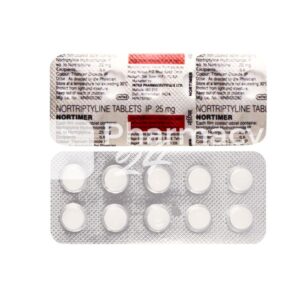
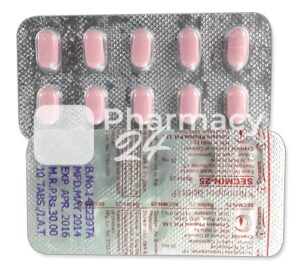
- Nortriptyline is taken by mouth as tablets, capsules, or occasionally an oral solution. Common strengths include 10 mg, 25 mg, 50 mg and 75 mg, depending on the country and product.
- It usually begins to work within 2–4 weeks for depression, although some people may notice early changes sooner. For pain-related uses, an initial response may be seen within 2–3 weeks.
- The duration of action is around 24 hours, which is why it is often taken once daily for pain or in divided doses for depression. Full treatment is usually continued for months, and for depression it is commonly maintained for at least 6 months after symptoms improve.
- Alcohol should be avoided or strictly limited, as it can increase drowsiness, dizziness, impaired concentration and the risk of adverse effects, especially on the heart and central nervous system.
- The most common side effects are dry mouth, constipation, drowsiness, dizziness, blurred vision, urinary retention, weight gain, sweating, orthostatic hypotension and sexual dysfunction.
- Would you like to try nortriptyline without a prescription?
Latest Research Highlights In The UK And EU
- INN (International Nonproprietary Name): Nortriptyline
- Brand names available in United Kingdom: Nortrilen, Sensoval
- ATC Code: N06AA10
- Forms & dosages: Tablets and capsules in 10 mg and 25 mg strengths in the UK and Europe; 50 mg and 75 mg forms are listed in broader international supply
- Manufacturers in United Kingdom: Lundbeck for Nortrilen in Europe, alongside several local generic manufacturers and international suppliers such as Mylan, Teva, Sandoz, Sun Pharmaceutical, and Aurobindo
- Registration status in United Kingdom: MHRA-licensed and Rx-only
- OTC / Rx classification: Prescription only in all countries; not listed as OTC in any jurisdiction
What does the recent evidence say if you are comparing an older tricyclic antidepressant with a newer SNRI?
Between 2022 and 2025, UK and EU practice has continued to treat nortriptyline as a useful tricyclic antidepressant when tolerability matters, especially where sedation, anticholinergic burden, and adherence are part of the decision.
Recent systematic reviews and prescribing data broadly support comparable antidepressant efficacy across many tricyclics, with choice often driven by side effects rather than major efficacy differences.
Observational prescribing patterns in Europe also show that clinicians still reach for nortriptyline when amitriptyline is too sedating or poorly tolerated, while SNRIs such as duloxetine or venlafaxine are often selected when a non-TCA is preferred.
From a safety angle, pharmacovigilance continues to reinforce the same practical points: cardiac conduction risk, overdose toxicity, and interaction potential remain important, particularly in people taking multiple medicines.
Data highlight: nortriptyline is often considered less sedating than some older TCAs, especially amitriptyline and doxepin, which can make it easier to use at a dose that patients can actually stay on.
| Study Type | Population | Outcome | Safety Note |
|---|---|---|---|
| Systematic review | Adults treated for depression or pain | Comparable efficacy to other tricyclics and some SNRIs | Tolerability often decides choice more than efficacy |
| Observational prescribing data | UK and EU primary care patients | Nortriptyline used when sedation is a concern | Lower anticholinergic burden than amitriptyline is a common reason for selection |
| Pharmacovigilance reporting | Routine post-marketing reports | Cardiac and CNS adverse effects remain the key monitoring issues | CYP2D6 interactions can raise exposure and side effect risk |
Basic Nortriptyline Information
- INN (International Nonproprietary Name): Nortriptyline
- Brand names available in United Kingdom: Nortrilen, Sensoval
- ATC Code: N06AA10
- Forms & dosages: Tablets and capsules 10 mg, 25 mg; oral solution sometimes available depending on region
- Manufacturers in United Kingdom: Lundbeck for Nortrilen in Europe, plus several local generic manufacturers; global suppliers include Mylan, Teva, Sun Pharmaceutical, Sandoz, and Aurobindo
- Registration status in United Kingdom: MHRA-licensed, Rx-only
- OTC / Rx classification: Prescription only; not currently listed as OTC in any jurisdiction
Clinical Effectiveness In The NHS Context
Wondering whether nortriptyline is actually used in everyday NHS practice, or whether it is just an old name on a medicine list?
In the NHS, nortriptyline is used for depression and, more commonly in low doses, off-label for nerve pain and migraine prophylaxis.
Patients often notice a combination of benefits depending on the reason it was prescribed.
For depression, that may mean better mood, better sleep, and a bit more daily energy once the dose is right.
For neuropathic pain, people may describe less burning, tingling, or shooting pain, although the effect can be subtle and gradual.
The catch is tolerability, because anticholinergic effects can be limiting if the dose is pushed too quickly.
Standard adult dosing in depression commonly starts at 25 mg three or four times daily, with a usual maximum of 75 mg to 150 mg per day.
For pain, clinicians often start much lower, at 10 mg to 25 mg at bedtime, then titrate as tolerated up to 75 mg per day.
Data highlight: initial antidepressant effect is usually seen in 2 to 4 weeks, while pain regimens are often reviewed after 2 to 3 weeks.
Response is often shaped by dose titration, adherence, and how well the patient tolerates drowsiness, dry mouth, or dizziness.
Indications, Licensing And Off-Label Use
Is nortriptyline licensed for exactly the problem it has been prescribed for, or is it being used in a more flexible way?
In the UK, nortriptyline is an MHRA-licensed prescription medicine and an EMA Rx-only medicine, but the final use can still be off-label depending on the condition.
That distinction matters because licensed status does not mean every use is specifically authorised for every diagnosis.
In routine UK practice, it may be considered for major depressive disorder, neuropathic pain, fibromyalgia, or migraine prophylaxis, with the strongest supervision usually needed when the use is off-label.
For off-label prescribing, patients should have an informed discussion about why it is being chosen and what side effects to watch for.
- Licensed use
- A use supported by the medicine’s formal authorisation and prescribing information.
- Off-label use
- A use outside the formal licence, but still considered by clinicians when the balance of benefit and risk makes sense.
- Specialist oversight
- Closer monitoring by a clinician with experience in the condition, dose, and interaction risks.
In NHS prescribing, low-dose bedtime regimens are common in pain clinics and some GP settings, while private clinics may be more likely to tailor titration to symptoms and side effect tolerance.
Composition, Brand Names And United Kingdom Generic Landscape
Are you looking at the box and wondering whether the brand matters as much as the active ingredient?
For nortriptyline, the active ingredient matters most.
The INN is nortriptyline, and it belongs to the secondary amine tricyclic antidepressants, a group that still has a place when clinicians want a TCA with less sedation than some of its older cousins.
In the UK and Europe, the main brand names listed in the data are Nortrilen and Sensoval.
Internationally, Pamelor and Aventyl are known in North America, while Nortrilen is also used in Japan.
| Brand Name | Region | Dosage Forms |
|---|---|---|
| Nortrilen | UK, Europe, Japan | Tablets and capsules, usually 10 mg and 25 mg |
| Sensoval | UK, Europe | Tablets and capsules, usually 10 mg and 25 mg |
| Pamelor | USA, Canada | Capsules and tablets, 10 mg to 75 mg |
| Aventyl | USA, Canada | Capsules and tablets, 10 mg to 75 mg |
Generic nortriptyline supply in the UK usually comes through standard pharmacy channels, so checking the strength, form, and active ingredient is more useful than focusing on the label alone.
Contraindications And High-Risk Patient Groups
Who should not take nortriptyline, and who needs a clinician to think twice before starting it?
The absolute contraindications are important because this is still a medicine with cardiac and anticholinergic effects.
| Do Not Use | Use With Caution |
|---|---|
| Recent myocardial infarction | Epilepsy |
| Arrhythmias | Glaucoma, especially angle-closure |
| Known hypersensitivity to nortriptyline or other tricyclics | Prostatic hypertrophy or urinary retention |
| MAO inhibitor use within 14 days | Thyroid disease, especially if taking thyroid medicines |
| Severe liver impairment | Bipolar disorder |
Older adults often need lower starting doses because anticholinergic effects and dizziness can quickly become a practical problem.
Pregnancy and other special situations should be handled only with clear medical supervision, because the risk-benefit balance needs an individual decision.
In daily life, driving, drinking alcohol, and working at heights all deserve caution if drowsiness or orthostatic hypotension appears.
Dosage Guidelines And Titration In United Kingdom Practice
How do prescribers in the UK usually start nortriptyline without tipping the patient into side effects straight away?
The answer depends on the reason for treatment and the person in front of the clinician.
For depression, the usual adult starting dose is 25 mg three or four times daily, with a maximum of 75 mg to 150 mg per day.
For neuropathic pain, migraine, or fibromyalgia, low-dose bedtime prescribing is common, starting at 10 mg to 25 mg and titrating as tolerated up to 75 mg per day.
Older adults often start at 10 mg to 25 mg daily and are titrated more slowly, while people with liver impairment may need cautious dose reduction because hepatic metabolism is the main route.
| Indication | Start Dose | Maximum Dose | Notes |
|---|---|---|---|
| Depression | 25 mg, three or four times daily | 75 mg to 150 mg per day | Adjust to response and tolerance |
| Neuropathic pain, migraine, fibromyalgia | 10 mg to 25 mg at bedtime | 75 mg per day | Titrate slowly and review carefully |
| Elderly patients | 10 mg to 25 mg daily | Individualised | Monitor for anticholinergic and CNS effects |
In NHS practice, GPs may issue repeat prescriptions through the normal system, with titration checks coordinated by the practice or the pharmacy.
That is why a Friday-night question at the counter is so common: “Should I go up a dose yet, or stay where I am?”
Interactions: Medicines, Alcohol And Everyday Habits
Can a medicine like nortriptyline clash with other tablets, weekend drinks, or even the cough syrup bought from the high street?
Yes, and the most important reason is that nortriptyline is a CYP2D6 substrate.
Medicines that alter CYP2D6 activity can change exposure, which may increase side effects or make the treatment less predictable.
MAO inhibitors remain the key interaction to avoid, including for 14 days after stopping an MAOI.
Other antidepressants, anticholinergics, sedatives, some antipsychotics, and medicines that affect heart rhythm can all raise risk.
Alcohol can add to drowsiness and dizziness, and that matters on an ordinary UK evening as much as it does in a clinic room.
Tea and coffee do not have a formal interaction listed in the data, but patients often ask because stimulant habits can make sleep and side effects feel more noticeable.
Over-the-counter remedies from high street pharmacies deserve a quick check too, especially if they make you sleepy or contain ingredients that can affect the heart or bladder.
| Interaction Type | Risk | What To Do |
|---|---|---|
| MAO inhibitors | Severe reaction risk | Do not combine; observe the 14-day gap |
| Other antidepressants | Higher side effect burden or interaction risk | Check with prescriber or pharmacist |
| Sedatives and alcohol | More drowsiness, slower reactions | Avoid or reduce and seek advice |
| Anticholinergics and some antipsychotics | More dry mouth, constipation, urinary retention | Ask before adding new medicines |
If an unexpected reaction appears, it should be reported through the Yellow Card scheme.
Many patients ask the pharmacist first, which is exactly the right habit for a medicine like this.
Side Effects And What Patients Commonly Report
What does nortriptyline feel like in real life when it is not going well?
Common side effects include dry mouth, constipation, urinary retention, drowsiness, dizziness, blurred vision, weight gain, increased sweating, orthostatic hypotension, mild tremor, and sexual dysfunction.
Some effects settle as the body adapts, especially mild drowsiness or a dry mouth at low doses.
Others need a review, particularly urinary retention, troublesome dizziness, palpitations, or anything that makes driving unsafe.
People using it for pain often tolerate low-dose nortriptyline differently from those taking it for depression, because the target dose and expected benefit are not the same.
| Common | Less Common | Urgent Review |
|---|---|---|
| Dry mouth, constipation, drowsiness, dizziness | Weight gain, sweating, blurred vision, tremor, sexual dysfunction | Urinary retention, palpitations, marked faintness, severe confusion |
Cultural Perceptions And United Kingdom Patient Habits
Why do so many people still hesitate when they hear an “old-fashioned antidepressant” mentioned?
In the UK, nortriptyline often arrives in the conversation through a pharmacist, NHS 111, or an online forum such as Patient.info or Mumsnet.
The common themes are easy to recognise: concern about daytime drowsiness, confusion between depression treatment and nerve pain treatment, and worry that a tricyclic antidepressant sounds dated.
Pharmacist counselling matters because a plain explanation often does more than a long leaflet.
People trust Boots, LloydsPharmacy, and Superdrug pharmacists for quick, practical advice about how to fit treatment into ordinary life.
- What patients ask
- Whether the medicine is for pain or mood, whether it will make them sleepy, and when it should start working.
- What pharmacists clarify
- How to take nortriptyline safely, what side effects are expected, and which symptoms need a GP review.
- When to call the GP
- When side effects are persistent, the dose is not helping, or there are warning signs such as palpitations or urinary retention.
Availability, NHS Supply And Pricing Differences
Can you get nortriptyline easily in the UK, and does the price change much depending on where you live?
Nortriptyline is an MHRA-licensed, Rx-only medicine, so access is through NHS prescription or private dispensing rather than over the counter.
It is commonly supplied through Boots, LloydsPharmacy, Superdrug, and online pharmacies, with electronic prescriptions and repeat dispensing making ongoing treatment easier to manage.
In our online pharmacy, nortriptyline is available without a prescription, with discreet delivery to United Kingdom in 5-14 days.
That said, regional price differences still matter for patients paying privately or collecting an NHS item.
| Route | Price | Regional Consideration |
|---|---|---|
| NHS prescription | Subject to standard NHS charging rules | Charges apply in England; prescriptions are free in Scotland, Wales, and Northern Ireland |
| Private dispensing | Varies by pharmacy and quantity | Useful when NHS access is slower or a private clinician has prescribed it |
| Online pharmacy supply | Varies by service | Check strength, form, and prescription requirements carefully |
Packaging in the UK and EU is usually in tablets or capsules, most commonly 10 mg and 25 mg strengths.
Comparable Medicines And Why Nortriptyline Is Chosen
Why would a clinician pick nortriptyline instead of one of the other familiar antidepressants or pain medicines?
It often comes down to balancing symptom control against side effects.
| Medicine | Practical Comparison | Why Nortriptyline May Be Chosen |
|---|---|---|
| Amitriptyline | Often more sedating and more anticholinergic | May suit people who want less morning grogginess and constipation |
| Imipramine | Older TCA with similar monitoring needs | Nortriptyline may be preferred for tolerability |
| Desipramine | Closest comparator in the TCA family | Choice may depend on previous response and interaction profile |
| Doxepin | More sedative | Nortriptyline may be better if daytime alertness matters |
| Duloxetine or venlafaxine | Modern SNRIs with fewer anticholinergic effects | Nortriptyline may still be used if a TCA is better suited to the person |
For many patients, the deciding factors are morning grogginess, constipation, previous antidepressant experience, and the overall comorbidity profile.
That is why nortriptyline remains a practical amitriptyline alternative rather than just a historical footnote.
Frequently Asked Questions And Proper Use Guidance
How long does nortriptyline take to work?
For depression, initial effect is usually seen in 2 to 4 weeks.
For pain, a lower-dose regimen is often reviewed after 2 to 3 weeks before any dose increase is considered.
What should be done if a dose is missed?
Take it as soon as remembered if it is close to the scheduled time.
If the next dose is nearly due, skip the missed dose and do not double up.
What happens in overdose?
Overdose can cause severe cardiac toxicity and CNS effects, so emergency medical attention is needed immediately.
Can nortriptyline be stopped suddenly?
Stopping suddenly is not ideal, because treatment changes should be planned with the prescriber.
How should it be stored?
Store at room temperature, between 15°C and 30°C, away from moisture and light.
Keep it in the original closed packaging and out of reach of children.
Take nortriptyline exactly as directed, do not double doses, and use NHS patient portals or practice advice for follow-up if the response is unclear.
Delivery Across United Kingdom
| City | Region | Delivery Time |
|---|---|---|
| London | England | 5-7 days |
| Birmingham | England | 5-7 days |
| Manchester | England | 5-7 days |
| Leeds | England | 5-7 days |
| Liverpool | England | 5-7 days |
| Glasgow | Scotland | 5-7 days |
| Edinburgh | Scotland | 5-7 days |
| Cardiff | Wales | 5-7 days |
| Belfast | Northern Ireland | 5-7 days |
| Bristol | England | 5-9 days |
| Newcastle upon Tyne | England | 5-9 days |
| Sheffield | England | 5-9 days |
| Nottingham | England | 5-9 days |
| Leicester | England | 5-9 days |