Aripiprazole
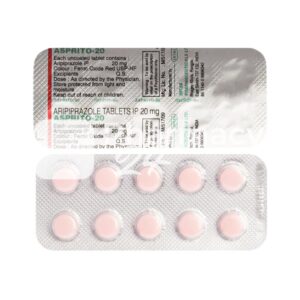
In brief
- Aripiprazole is a prescription-only medicine in the UK, EU and US, but availability varies by country and some local pharmacies or online vendors may supply it without a receipt; legal and safe supply normally requires a prescription.
- Aripiprazole is used to treat schizophrenia, bipolar I disorder (mania), as an adjunct in major depressive disorder and for irritability associated with autism; it is a partial agonist at dopamine D2 and serotonin 5‑HT1A receptors and an antagonist at 5‑HT2A receptors, modulating dopaminergic and serotonergic activity.
- Typical oral dosages: schizophrenia 10–15 mg/day (up to 30 mg/day); bipolar mania 15 mg/day (up to 30 mg/day); adjunct in depression 2–5 mg/day (up to 15 mg/day); irritability in autism 2–15 mg/day; long‑acting injectable (Abilify Maintena) 400 mg once monthly (IM).
- Forms of administration include oral tablets (2, 5, 10, 15, 20, 30 mg), orally disintegrating tablets, oral solution, and intramuscular long‑acting depot injection (300/400 mg vials for monthly dosing).
- Some patients may notice calming or reduced agitation within a few days; more substantial improvements in psychotic or mood symptoms typically begin within 1–2 weeks, with full effect often taking 2–6 weeks.
- When taken daily, aripiprazole has a long plasma half‑life (approximately 75 hours), so effects persist for several days after a dose; the depot injection provides clinical activity for about one month per dose.
- Avoid or limit alcohol while taking aripiprazole — alcohol can increase drowsiness, impair coordination and worsen side effects or psychiatric symptoms.
- The most common side effect is akathisia (inner restlessness); other frequent adverse effects include insomnia, anxiety, headache, nausea, dizziness and somnolence.
- Would you like to try “aripiprazole” without a prescription?
Basic Aripiprazole Information
- INN (International Nonproprietary Name): Aripiprazole.
- Brand Names Available In United Kingdom: Mylan, Neuraxpharm, generic suppliers; originator brand historically Abilify (Otsuka/BMS); Abilify Maintena for the long‑acting injectable.
- ATC Code: N05AX12.
- Forms & Dosages: Tablets 2mg, 5mg, 10mg, 15mg, 20mg, 30mg; orally disintegrating tablets 10mg, 15mg (selected brands); oral solution 1mg/mL (not in all countries); long‑acting depot injection 300mg and 400mg (Abilify Maintena).
- Manufacturers In United Kingdom: Mylan, Neuraxpharm, and other European generic suppliers; originator marketing by Otsuka/Bristol‑Myers Squibb historically.
- Registration Status In United Kingdom: not specified.
- OTC / Rx Classification: Prescription‑only (Rx) in major markets reviewed.
Latest Research Highlights (UK & EU Focus)
Clinicians often ask whether aripiprazole really differs from other antipsychotics on safety and effectiveness.
Recent UK and EU evidence from 2022–2025 continues to profile aripiprazole as a dopamine D2 partial agonist with a distinct tolerability signature versus full antagonists.
Systematic reviews and regulatory summaries emphasise non‑inferior efficacy for relapse prevention in schizophrenia compared with several atypical antipsychotics.
European data show reduced prolactin elevation with aripiprazole compared with risperidone in short‑to‑medium term trials.
Short‑term comparisons indicate a lower metabolic burden than olanzapine, although long‑term cardiometabolic head‑to‑head data beyond five years are limited.
Long‑acting injectable (Abilify Maintena 300/400mg) cohort analyses across Europe report improved adherence and fewer hospital admissions when used in community services.
Initiation guidance for the LAI still recommends an oral overlap of 14 days during the switch to maintenance injection.
Safety surveillance via MHRA Yellow Card and EU vigilance continues to flag akathisia and rare reports of neuroleptic malignant syndrome rather than new class‑wide harms.
Gaps remain around long‑term (>5 year) randomised comparisons for metabolic outcomes and ongoing UK registry analyses are expected to add real‑world clarity.
Clinical Effectiveness In The UK
Patients and prescribers want to know how aripiprazole performs in everyday NHS practice.
Aripiprazole is widely used across the NHS for schizophrenia, bipolar mania and as adjunctive therapy for treatment‑resistant depression where licensed.
NHS audits and trust prescribing reports show meaningful symptom reduction and functional gains for many patients treated with aripiprazole.
Particular benefits are seen in patients who are intolerant of agents that commonly raise prolactin levels.
Once‑monthly LAI services report improved outpatient adherence and fewer emergency presentations to community mental health teams.
Patient‑reported outcome measures from UK clinic surveys list faster re‑engagement with work or education and fewer sedation complaints compared with quetiapine and olanzapine.
Clinicians note limitations including the need to manage akathisia, occasional prolonged titration periods, and variable response rates comparable to other second‑generation antipsychotics.
Key NHS outcome metrics: improved adherence with LAI, reduced hospitalisation episodes in maintenance care, and higher patient‑reported functioning in some cohorts.
Indications & Expanded Uses
People often ask what aripiprazole is licensed to treat in the UK and what counts as off‑label use.
MHRA‑aligned indications match EMA authorisation: schizophrenia in adults (and adolescent guidance where applicable), acute manic episodes of bipolar I disorder, adjunctive treatment for major depressive disorder in adults, and irritability associated with autistic disorder where paediatric licensing applies.
The LAI formulation, Abilify Maintena (300mg and 400mg), is licensed for maintenance treatment of schizophrenia in adults and is not licensed for children.
Off‑label uses occur in UK secondary care and private clinics, such as augmentation strategies in anxiety spectrum disorders and some behavioural presentations; these require a documented rationale and informed consent.
NHS formularies typically restrict off‑label prescribing to specialist teams with shared‑care agreements when primary care is involved.
| Indication | Typical Adult Dose |
|---|---|
| Schizophrenia | 10–15mg once daily (max 30mg) |
| Bipolar I (mania) | 15mg once daily (up to 30mg) |
| Adjunctive Depression | 2–5mg once daily (licensed up to 15mg) |
| Irritability (Autism) | 2–15mg once daily (paediatric regimens vary) |
Composition & Brand Landscape
Patients frequently ask which brands and strengths they might get dispensed at the pharmacy.
Aripiprazole is the INN (ATC N05AX12) and is sold in the UK as originator and multiple generics including Mylan and Neuraxpharm among others.
Tablet strengths commonly available are 2mg, 5mg, 10mg, 15mg, 20mg and 30mg, with orally disintegrating forms at 10mg and 15mg for selected brands.
An oral solution (1mg/mL) is available in some markets but not universally across Europe.
The long‑acting depot product, Abilify Maintena, is supplied in 300mg and 400mg vials for monthly intramuscular administration.
| Brand / Supplier | Formulations | Common Pack Sizes |
|---|---|---|
| Abilify (Otsuka/BMS) | Tablets, ODT, Maintena injection | 10–100 blister packs; injection vials |
| Mylan | Tablets 5–30mg, ODT (select) | 10–60 tablets |
| Neuraxpharm | Tablets 5–30mg | 10–50 tablets |
Typical excipients vary by manufacturer and patients sometimes request specific brands due to formulation differences.
Contraindications & Special Precautions
People commonly want to know who should not take aripiprazole and what checks are needed before starting.
Absolute contraindication is known hypersensitivity to aripiprazole or any excipients in the product.
Elderly patients with dementia‑related psychosis face an increased mortality risk and antipsychotics are generally avoided in this group.
High‑risk groups include those with cardiovascular disease, a history of seizures, severe hepatic impairment, pregnant or breastfeeding women where a risk‑benefit review is needed, and patients with diabetes needing metabolic monitoring.
Driving and operating machinery should be avoided until the patient is stable because somnolence or dizziness can occur.
Advise patients to avoid excessive alcohol as it can potentiate central nervous system effects.
- Baseline monitoring checklist: weight/BMI, fasting glucose, fasting lipids, blood pressure, and clinical assessment for movement disorders.
- Additional tests if symptomatic: 12‑lead ECG and prolactin if clinically indicated.
Dosage Guidelines (NHS‑Aligned)
Patients often ask what dose they should expect and how injections are started.
| Indication / Population | Typical Starting Dose |
|---|---|
| Schizophrenia (Adults) | 10–15mg once daily; up to 30mg |
| Bipolar Mania (Adults) | 15mg once daily; up to 30mg |
| Adjunctive Depression (Adults) | 2–5mg once daily; licensed to 15mg |
| Paediatric (Where Licensed) | Start 2mg and titrate; typical adolescent target 10mg |
| LAI (Abilify Maintena) | 400mg monthly (300mg option); 14‑day oral overlap at initiation |
Elderly patients and those with hepatic or renal impairment should start at lower doses and titrate cautiously under specialist supervision.
Missed oral doses should be taken when remembered unless close to the next scheduled dose and patients should not double doses.
If an LAI appointment is missed beyond the recommended window, the prescriber or clinic should be contacted for plan and possible re‑loading guidance.
Overdose management is supportive with ECG and airway monitoring as required.
Interactions Overview
It is important to understand which medicines can affect aripiprazole levels or increase side‑effect risk.
Aripiprazole is metabolised by CYP3A4 and CYP2D6, so strong inhibitors and inducers significantly alter plasma concentrations.
Carbamazepine (a strong CYP3A4 inducer) can lower aripiprazole levels and may necessitate dose review.
Strong CYP2D6 inhibitors such as fluoxetine or paroxetine raise aripiprazole exposure and require careful dose consideration.
Co‑prescribing multiple QT‑prolonging drugs should prompt a baseline ECG and clinical judgement about combined risk.
Alcohol should be discouraged because it potentiates central nervous system depression and may worsen sedation.
Caffeine can exacerbate akathisia or anxiety in sensitive individuals and patients should be counselled about this possibility.
- Major CYP interactions to note: CYP3A4 inducers (carbamazepine), CYP3A4 inhibitors (notably some antivirals), CYP2D6 inhibitors (fluoxetine, paroxetine).
Cultural Perceptions & Patient Habits In The UK
Many patients worry about stigma, side effects and how medicines fit daily life.
Public forums and NHS patient panels commonly discuss the balance between improved motivation and concerns about akathisia or weight gain.
Community pharmacists play a strong role in counselling and adherence support, with major chains offering private consultations and reminder services.
NHS 111 and local crisis teams are often used for urgent medication advice outside clinic hours.
Electronic prescribing, the NHS App and online pharmacy services make repeat prescriptions and communication easier for many patients.
Ethnic and regional differences exist in acceptance, with some communities preferring slower introduction and family involvement in decision making.
| Trusted Local Information Source | Role |
|---|---|
| NHS.uk | Official patient information and service finder |
| Mind | Independent mental health support and guidance |
| Rethink Mental Illness | Practical advice for carers and patients |
Availability & Pricing Patterns (UK Regions)
Patients frequently ask where they can collect aripiprazole and what it will cost them.
Aripiprazole is prescription‑only in the UK and supplied through community pharmacies, hospital clinics and registered online pharmacies.
England applies the standard NHS prescription charge per item, while Scotland, Wales and Northern Ireland generally waive routine prescription charges for patients who qualify.
Major community chains such as Boots and LloydsPharmacy commonly stock generics and can order specific brands on request.
Online pharmacies registered with UK regulators increasingly offer repeat dispensing and discreet delivery options integrated with electronic prescriptions.
Private purchase of branded Abilify and private LAI administration are uncommon because LAI injections are typically clinic‑based.
Generics are generally cheaper than branded Abilify on NHS procurement and local formulary choices often drive brand selection.
| Nation | Prescription Charges |
|---|---|
| England | Standard per‑item charge applies |
| Scotland | Generally no prescription charge |
| Wales | Generally no prescription charge |
| Northern Ireland | Generally no prescription charge |
In our online pharmacy, aripiprazole is available without a prescription, with discreet delivery to United Kingdom in 5–14 days.
Comparable Medicines And Prescribing Preferences
Patients often want to know how aripiprazole stacks up against other antipsychotics.
NHS prescribers select comparators based on efficacy, side‑effect profile and co‑morbidities with local formularies and cost‑effectiveness guidance shaping choice.
Risperidone is efficacious but commonly associated with higher prolactin levels.
Olanzapine is effective but tends to carry greater metabolic and weight‑gain risks.
Quetiapine can be sedating and is sometimes chosen for affective symptoms or insomnia.
Paliperidone offers LAI options for maintenance care, and newer agents such as lurasidone are used where depressive symptoms predominate.
| Medicine | Pros | Cons |
|---|---|---|
| Aripiprazole | Lower prolactin elevation; less sedation for many | Akathisia risk; variable metabolic benefit long‑term |
| Risperidone | Strong antipsychotic efficacy | Higher prolactin; EPS at higher doses |
| Olanzapine | Potent symptom control | Marked weight gain and metabolic risk |
| Quetiapine | Useful for mood and sleep symptoms | Sedation and metabolic effects |
FAQ
1. Will aripiprazole make me sleepy?
Many patients report less sedation than with quetiapine or olanzapine, but dizziness and somnolence can occur and driving should be avoided until stable.
2. What if I experience akathisia?
If a patient develops akathisia they should report it promptly so prescribers can consider dose reduction, switching agents or short‑term symptomatic treatment such as beta‑blockers or benzodiazepines.
3. Can I stop it suddenly?
Sudden withdrawal is not recommended because it may lead to relapse or withdrawal symptoms; patients should follow NHS prescriber tapering advice.
4. Are injections more effective than tablets?
Long‑acting injections improve adherence and can reduce relapse risk for patients who struggle with daily oral dosing, though individual symptom response depends on dose and patient factors.
Contact NHS 111 or your GP immediately if you experience severe adverse effects such as high fever, muscle rigidity, or sudden change in consciousness.
Guidelines For Proper Use & Pharmacist Counselling
Patients value clear, practical advice from their pharmacist about what to expect and when to seek help.
Start by confirming the licensed indication and the expected timeline—antipsychotic benefit often emerges over weeks rather than hours or days.
Discuss common side effects including akathisia, insomnia, nausea and the importance of reporting movement disorders promptly.
Explain the metabolic monitoring schedule: baseline weight/BMI, fasting glucose and fasting lipids, with periodic reviews thereafter.
Reinforce adherence, missed‑dose rules and the need to consult the prescriber before stopping treatment.
For LAI patients coordinate with clinic nurses to support appointment reminders and explain injection‑site aftercare.
Advise on alcohol avoidance and counsel patients to report suspected adverse drug reactions through the Yellow Card scheme.
- Pharmacist Counselling Checklist: indication, dose/titration plan, side effects and management, monitoring schedule, driving/alcohol advice, and referral paths for urgent issues.
Delivery Across United Kingdom
| City | Region | Delivery Time |
|---|---|---|
| London | England | 5–7 days |
| Birmingham | England | 5–7 days |
| Manchester | England | 5–7 days |
| Glasgow | Scotland | 5–7 days |
| Leeds | England | 5–7 days |
| Edinburgh | Scotland | 5–7 days |
| Bristol | England | 5–7 days |
| Cardiff | Wales | 5–7 days |
| Belfast | Northern Ireland | 5–7 days |
| Newcastle | England | 5–9 days |
| Southampton | England | 5–9 days |
| Plymouth | England | 5–9 days |
| Derby | England | 5–9 days |
| Stoke‑on‑Trent | England | 5–9 days |