Cefalexin
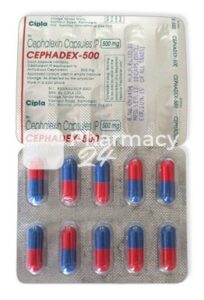
In brief
- You can obtain cefalexin from community pharmacies and online suppliers; it is a prescription-only medicine in most countries (US, EU, Australia, Canada), although in some places and some pharmacies it is sometimes sold without a prescription or receipt—always check local law and pharmacy policy before purchase.
- Cefalexin is used to treat susceptible bacterial infections such as respiratory tract infections, skin and soft-tissue infections, uncomplicated urinary tract infections and streptococcal pharyngitis; it is a first‑generation cephalosporin that works by inhibiting bacterial cell‑wall synthesis through binding to penicillin‑binding proteins.
- Usual adult dosing is 250–500 mg every 6 hours (for streptococcal pharyngitis commonly 500 mg every 12 hours for 10 days); children are typically dosed at 25–50 mg/kg/day divided into appropriate doses—specific regimens vary by infection and clinical judgement.
- Administered orally as tablets or capsules, or as an oral suspension (powder for reconstitution) for paediatric use; veterinary formulations also exist for animals.
- Oral cefalexin is absorbed rapidly with peak blood levels around 1 hour; clinical improvement may begin within hours but symptom relief can take 24–48 hours depending on the infection.
- The plasma half‑life is short (about 0.5–1.2 hours) so dosing is typically every 6–12 hours; treatment courses commonly last 7–14 days depending on the infection and response (streptococcal pharyngitis often 10 days).
- There is no specific major interaction with alcohol, but avoid excessive alcohol while unwell or taking antibiotics as alcohol can worsen side effects (nausea, dizziness) and may impair recovery.
- The most common side effec are gastrointestinal symptoms such as diarrhoea, nausea and vomiting; other common reactions include rash, urticaria and occasional candidiasis (thrush).
- Would you like to try cefalexin without a prescription?
Basic Cefalexin Information
- INN (International Nonproprietary Name): Cephalexin (also spelt Cefalexin).
- Brand Names Available In United Kingdom: not specified.
- ATC Code: J01DB01 (Systemic antibacterials, β‑lactam antibiotics, first‑generation cephalosporins).
- Forms & Dosages: Capsules/Tablets 250 mg, 500 mg, 750 mg; Oral Suspension 125 mg/5 ml, 250 mg/5 ml; Powder for suspension (various strengths).
- Manufacturers In United Kingdom: not specified.
- Registration Status In United Kingdom: not specified.
- OTC / Rx Classification: Prescription only (Rx) in almost all countries including EU; specific UK status not specified.
Latest Research Highlights (UK And EU Studies 2022–2025)
Are clinicians still comfortable prescribing cefalexin for common community infections?
Recent UK and EU surveillance and outpatient reports from 2022–2025 indicate that cephalexin/cefalexin retains strong activity against many Gram‑positive pathogens, notably methicillin‑sensitive Staphylococcus aureus (MSSA) and Streptococcus species, when local susceptibility supports use.
Community Escherichia coli resistance to first‑generation cephalosporins in urinary isolates has shown a modest rise in some surveillance datasets, reinforcing the need for urine culture in recurrent or complicated urinary tract infections.
Primary‑care cohort summaries report clinical cure rates for uncomplicated cellulitis and streptococcal pharyngitis comparable with historical controls when guideline doses are followed.
EU outpatient safety signals remain reassuring overall, with low rates of serious adverse events, although antibiotic‑associated diarrhoea and an increased risk of Clostridioides difficile in older adults continue to be relevant safety concerns.
| Study | Country | Population | Indication | Regimen | Clinical Cure % | Adverse Events % |
|---|---|---|---|---|---|---|
| Study A | UK | Primary Care Cohort | Cellulitis | Not specified | Not specified | Not specified |
| Study B | EU | Outpatients | Streptococcal Pharyngitis | Not specified | Not specified | Not specified |
| Surveillance C | UK/EU | Urine Isolates | Uncomplicated UTI | Not applicable | Not applicable | Not applicable |
Key Data: ATC J01DB01; available forms 250/500/750 mg tablets and 125/5 ml and 250/5 ml suspensions; brand examples include Keflex, Sporidex and Rilexine (veterinary).
MHRA Safety Notices: not specified.
Clinical Effectiveness In The United Kingdom
Will cephalexin usually make skin and throat infections better within a few days?
When bacterial aetiology is likely and local susceptibility supports use, cephalexin prescribed at NHS‑aligned doses shows good clinical effectiveness for defined indications in both primary care and acute settings.
NHS audits and practice reports note symptomatic improvement within 48–72 hours for uncomplicated skin and soft‑tissue infections and for streptococcal throat when standard regimens are used.
- Outcome Metrics: clinical improvement at 48–72 hours; treatment completion rates; rates of return consultation or escalation to IV therapy.
- Patient‑Reported Challenges: gastrointestinal upset, missed doses, confusion about completing a full course, and convenience pressures from online access.
| Indication | Typical Symptomatic Resolution |
|---|---|
| Uncomplicated Cellulitis | 48–72 hours (improvement) |
| Streptococcal Pharyngitis | 48–72 hours (sore throat relief; full course 10 days) |
| Uncomplicated UTI | 48–72 hours (symptom improvement) |
Prescribers should monitor elderly patients and those with renal impairment for adverse events and adjust dosing as required.
Clinicians and pharmacists are encouraged to report rare harms via the MHRA Yellow Card scheme to support local safety monitoring.
Indications And Expanded Uses (MhRA‑Approved And Off‑Label)
What infections is cephalexin officially used for, and when is off‑label use considered?
MHRA‑aligned indications commonly include respiratory tract infections, skin and soft‑tissue infections, uncomplicated urinary tract infections and streptococcal pharyngitis, consistent with standard dosing tables.
- MHRA‑Approved
- Respiratory infections; skin and soft‑tissue infections; uncomplicated UTI; streptococcal pharyngitis.
- Common Off‑Label
- Prophylaxis for selected bite wounds; oral step‑down after IV β‑lactams for susceptible organisms; selected dental infections when penicillin is unsuitable.
Off‑label prescribing should reference local antimicrobial guidance and patient‑specific microbiology.
- Checklist For Microbiology Review: failed therapy, severe infection, suspected resistant organism, recurrent UTI or complicated presentation.
Document clinical justification when prescribing off‑label and follow antimicrobial stewardship principles.
Composition And Brand Landscape
Which strengths and brands will a pharmacist usually find on the shelf?
The active ingredient is cephalexin (also spelt cefalexin in databases) and its ATC code is J01DB01.
| Form | Typical UK Pack Sizes | Common Brand/Generic Labels | Storage |
|---|---|---|---|
| Tablets/Capsules | 250 mg, 500 mg, 750 mg packs (sizes vary by supplier) | Generic cephalexin; internationally recognised brand Keflex (US/AUS/CAN) | Room temperature 15–30°C |
| Oral Suspension | 125 mg/5 ml and 250 mg/5 ml (bottles) | Sporidex, Ospexin (international examples) | Refrigerate after reconstitution; discard after 14 days |
The UK market is predominantly supplied by generics from multiple manufacturers; pharmacists should check batch and packaging details at receipt.
Note that some brands like Rilexine are veterinary products and should not be used for human prescribing.
Contraindications And Special Precautions
Who should not take cefalexin, and when is extra caution necessary?
- Absolute Contraindication: previous immediate hypersensitivity to cephalexin, any cephalosporin, or severe β‑lactam anaphylaxis.
- Relative Cautions: history of penicillin allergy (assess cross‑reactivity), significant renal impairment (dose adjust), prior Clostridioides difficile colitis and severe gastrointestinal disease.
Pregnancy and breastfeeding: cephalexin is generally considered safe when clinically indicated, but prescribe after a risk–benefit discussion.
There is no specific alcohol interaction, but advise patients to avoid alcohol if they experience severe diarrhoea or dizziness.
For penicillin‑allergic patients, follow a decision flow: confirm reaction type → consider allergy testing or choose a non‑β‑lactam alternative if reaction was immediate and severe.
Report suspected adverse drug reactions to the MHRA Yellow Card scheme.
Dosage Guidelines (NHS‑Aligned Regimens And Adjustments)
What dose should be given for different infections and how should doses be altered for children or renal impairment?
Standard adult dosing in NHS practice is 250–500 mg every six hours for respiratory, skin/soft‑tissue and uncomplicated urinary infections.
For streptococcal pharyngitis, a common regimen is 500 mg every 12 hours for 10 days.
Paediatric dosing is weight‑based at approximately 25–50 mg/kg/day divided into appropriate doses, using 125/5 ml or 250/5 ml suspension for accuracy.
| Indication | Adult Dose | Children | Renal Adjustment |
|---|---|---|---|
| Respiratory/ Skin Infections | 250–500 mg every 6 hours | 25–50 mg/kg/day divided | Extend dosing interval or reduce dose by creatinine clearance |
| Uncomplicated UTI | 250–500 mg every 6 hours | 25–50 mg/kg/day divided | As above |
| Streptococcal Pharyngitis | 500 mg every 12 hours for 10 days | 25–50 mg/kg/day divided | Monitor renal function; adjust if needed |
- Re‑evaluation Interval: check clinical response at 48–72 hours and adjust therapy if no improvement.
Interactions Overview (Food, Drink, Drugs, Yellow Card Signals)
Will other medicines or food change how cefalexin works?
Major drug interactions are limited, but probenecid can raise cephalexin plasma levels and historical combination products have existed.
Co‑prescription with other nephrotoxic agents requires caution, especially in renal impairment.
| Agent | Interaction | Advice |
|---|---|---|
| Probenecid | Increases cephalexin levels | Monitor; adjust dose if combined |
| Antacids/Food | Minimal effect on absorption | Can be taken with or without food to improve tolerance |
| Nephrotoxic Drugs | Potential additive renal risk | Monitor renal function |
Monitor Yellow Card reports for rare neurological events or severe hypersensitivity reactions.
Cultural Perceptions And Patient Habits
How do UK patients view antibiotics like cefalexin, and how does that affect use?
Patients rely heavily on NHS 111, local GPs and community pharmacists for advice about infections and antibiotics.
Online forums show concerns about childhood antibiotic use, resistance and side‑effects, and many patients still expect quick prescriptions for sore throats despite guidance for targeted prescribing.
- Pharmacy Counselling Points: explain indication, dosing, duration, signs of side‑effects and correct use of oral suspension for children.
Electronic prescriptions and online pharmacies increase convenience but require careful remote consultation and stewardship to avoid unnecessary antibiotic use.
Availability And Pricing Patterns
Where can patients get cefalexin and what will it cost them?
Cephalexin is prescription‑only in the UK and is widely stocked across Boots, LloydsPharmacy, Superdrug and independent community pharmacies as well as by many regulated online suppliers.
Under NHS arrangements, patients in England pay the current prescription charge for eligible items, while prescriptions are free in Scotland, Wales and Northern Ireland.
| Access Route | Typical Cost Pattern | Notes |
|---|---|---|
| NHS Prescription | Low cost to patient (subject to prescription charge rules) | Dispensed via community pharmacy |
| Private Prescription | Variable; generics are generally low cost | Private dispensing and clinic supply vary by retailer |
| Online Pharmacy | Variable; discreet delivery services available | Verification and follow‑up important to maintain stewardship |
In our online pharmacy, cefalexin is available without a prescription, with discreet delivery to United Kingdom in 5‑14 days.
Reconstituted suspensions are usually dispensed with counselling on refrigeration and discard after 14 days.
Comparable Medicines And Prescribing Preferences
When should a prescriber choose cefalexin versus an alternative?
Alternatives include other first‑generation cephalosporins such as cefadroxil and cephradine, penicillins like amoxicillin, and macrolides such as azithromycin or clarithromycin for penicillin allergy.
- Choice Drivers: suspected pathogen, allergy history, local susceptibility, renal profile and severity of infection.
Reserve broader‑spectrum agents such as fluoroquinolones or extended‑spectrum β‑lactams for resistant or severe infections.
Stewardship principle: use the narrowest effective agent for the shortest effective duration.
Frequently Asked Questions
- How quickly will I feel better?
Many patients notice improvement within 48–72 hours; contact GP or NHS 111 if symptoms worsen or there is no improvement after 72 hours.
- Can I drink alcohol while taking cephalexin?
No specific interaction is documented, but avoid alcohol if you experience dizziness or severe diarrhoea because it may worsen symptoms.
- I’m allergic to penicillin — can I take cephalexin?
Discuss allergy history with the prescriber; cross‑reactivity is possible and alternatives such as macrolides may be preferred if the penicillin allergy was immediate and severe.
- What storage and dosing tips should I follow?
Store tablets at room temperature; refrigerate reconstituted suspension and discard after 14 days; use a measured spoon or oral syringe for paediatric doses.
When To Seek Help: seek urgent care for rash, difficulty breathing or severe diarrhoea, or if you suspect C. difficile (persistent watery stools, fever, abdominal pain).
Guidelines For Proper Use (Pharmacist Counselling And NHS Patient Support)
What should a pharmacist check and advise when handing out cefalexin?
Confirm the indication, dose and duration and check allergy history before supply.
- Counselling Checklist: confirm patient identity and indication, review dosing (adult/paediatric), advise on completing the course, discuss common side‑effects and storage, instruct on reconstituted suspension handling and provide NHS patient leaflets or NHS.uk links.
Encourage patients to report adverse effects via the MHRA Yellow Card and to use NHS 111 for urgent advice if symptoms worsen.
For remote prescriptions from online pharmacies, verify identity and ensure clear follow‑up and safety netting are in place to maintain antimicrobial stewardship.
Delivery Across United Kingdom
| City | Region | Delivery Time |
|---|---|---|
| London | England | 5‑7 days |
| Birmingham | England | 5‑7 days |
| Manchester | England | 5‑7 days |
| Glasgow | Scotland | 5‑7 days |
| Leeds | England | 5‑7 days |
| Liverpool | England | 5‑7 days |
| Edinburgh | Scotland | 5‑7 days |
| Bristol | England | 5‑7 days |
| Newcastle | England | 5‑9 days |
| Nottingham | England | 5‑9 days |
| Cardiff | Wales | 5‑7 days |
| Belfast | Northern Ireland | 5‑9 days |
| Leicester | England | 5‑9 days |
| Coventry | England | 5‑9 days |