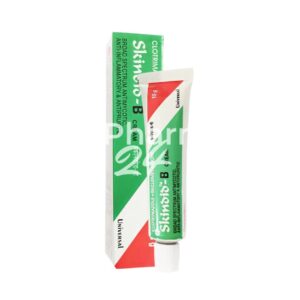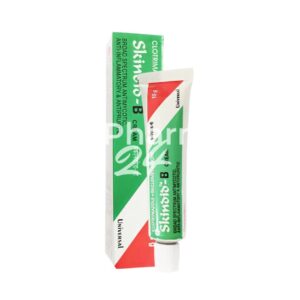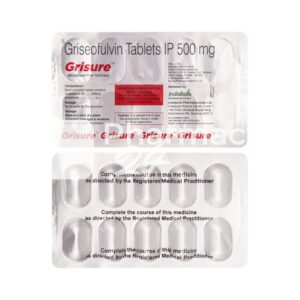
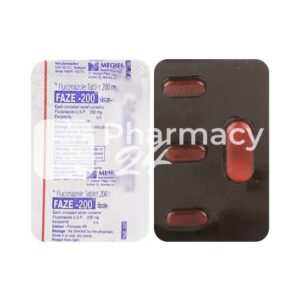
Fluconazole
In brief
- In our pharmacy, you can buy fluconazole without a prescription, with delivery available across the United Kingdom in discreet packaging.
- Fluconazole is used to treat and prevent fungal infections such as vaginal, oral and oesophageal candidiasis, cryptococcal meningitis, and systemic Candida infections. It is a triazole antifungal that works by inhibiting fungal ergosterol synthesis, which damages the fungal cell membrane.
- The usual dose depends on the infection: 150 mg as a single dose for vaginal candidiasis; 100 mg once daily for oropharyngeal candidiasis; 200–400 mg daily for oesophageal candidiasis; and 400–800 mg daily for severe systemic infections. Doses may be adjusted in children, the elderly, and people with kidney problems.
- Fluconazole is available as capsules/tablets, oral suspension, and intravenous solution or infusion. Common strengths include 50 mg, 100 mg, 150 mg, 200 mg, and 2 mg/mL preparations.
- Fluconazole usually starts working within a few hours, although noticeable improvement in symptoms may take 1–3 days depending on the type and severity of infection.
- The duration of action is about 24 hours, which is why it is usually taken once daily; for some conditions, treatment lasts from a single dose to several weeks.
- Avoid or limit alcohol, as it may increase the risk of stomach upset and put extra strain on the liver, especially because fluconazole can also affect liver enzymes.
- The most common side effects are nausea, abdominal pain, diarrhoea, vomiting, rash, itching, and raised liver enzymes.
- Would you like to try fluconazole without a prescription?
Latest Research Highlights On Fluconazole
Wondering whether fluconazole is still a sensible choice when there are newer antifungals around?
Current UK and EU evidence from 2022 to 2025 still supports fluconazole as a reliable triazole antifungal for many Candida infections, especially where oral treatment and simple dosing matter.
Pharmacovigilance data continue to focus on two main safety areas: liver toxicity and QT prolongation, both of which remain uncommon but clinically important.
MHRA fluconazole safety monitoring in the UK reinforces the need to review liver function, renal function and interacting medicines before prescribing.
Across Europe, prescribing still leans heavily towards oral fluconazole because it is practical, widely available and included on the WHO List of Essential Medicines.
| Area | Current snapshot | Practical relevance |
|---|---|---|
| Efficacy | High oral bioavailability and once-daily dosing remain major strengths. | Useful for vaginal candidiasis, oral thrush and several specialist fungal infections. |
| Resistance | Resistance patterns in Candida species remain a concern in some settings. | Non-response should prompt clinical review and possible alternative treatment. |
| Safety | Liver enzyme rises and QT prolongation are the key monitored signals. | Medication review and follow-up reduce the risk of avoidable harm. |
| Route of use | Oral treatment is far more common than IV use. | IV fluconazole is reserved for more severe or specialist cases. |
Data highlights from recent EU antifungal evidence show that oral fluconazole continues to be preferred for straightforward mucocutaneous infection, while IV use is mainly hospital-led for systemic disease.
When treatment fails, the issue is often not the medicine itself, but resistant Candida species, incorrect diagnosis or an interacting drug list that has been missed.
Basic Fluconazole Information
- INN (International Nonproprietary Name): Fluconazole
- Brand names available in United Kingdom: Diflucan and generic fluconazole products supplied through UK channels
- ATC Code: J02AC01
- Forms & dosages: Capsules, tablets, oral suspension and IV solution
- Manufacturers in United Kingdom: Teva, Aurobindo, Mylan, Sandoz, Hikma, Pfizer and others depending on supply
- Registration status in United Kingdom: Prescription only in standard UK practice
- OTC / Rx classification: Prescription only (Rx)
What Fluconazole Is And How It Works
Are you trying to make sense of the name on the box before taking it?
Fluconazole is an antifungal medicine, known internationally by its INN and classified under ATC code J02AC01 as a triazole antifungal.
It works by inhibiting fungal ergosterol synthesis, which disrupts the fungal cell membrane and stops the organism from growing properly.
That is why it is used for infections caused by Candida and Cryptococcus species, where a systemic antifungal may be needed.
Diflucan is the best-known brand, but in the UK you may also see plain fluconazole capsules from different suppliers.
It is a prescription-only medicine in most markets, including standard UK care pathways, and it remains on the WHO List of Essential Medicines because of its long-standing value.
- INN
- Fluconazole, the World Health Organization recognised nonproprietary name.
- ATC code
- J02AC01, for systemic antimycotics in the triazole group.
- Dosage forms
- Capsules, tablets, oral suspension and intravenous solution.
Nhs-Approved Uses And When Fluconazole Is Prescribed
Is it just for thrush, or can it be used for more serious fungal infections too?
In UK practice, fluconazole is commonly prescribed for vaginal candidiasis and oral thrush, and it is also used for oesophageal candidiasis, cryptococcal meningitis and systemic candidiasis.
Some uses are routine in primary care, while others are specialist-led and mainly seen in hospital medicine or infectious diseases services.
GPs, sexual health clinics, dental teams and hospital clinicians may all prescribe fluconazole, depending on where the infection is identified and how severe it is.
Patients may receive it on an NHS prescription, while others access it privately when a faster or more discreet route is needed.
| Indication | Usual adult dose | Typical duration |
|---|---|---|
| Vaginal candidiasis | Single 150 mg oral dose | 1 day |
| Oropharyngeal candidiasis | 100 mg daily | 7-14 days |
| Oesophageal candidiasis | 200-400 mg daily | 14-30 days |
| Cryptococcal meningitis | 400 mg first day, then 200-400 mg daily | 6-8 weeks or longer |
| Systemic candidiasis / prophylaxis | 400-800 mg daily | Variable |
Brand Names, Generics And UK Packaging
Why does the pack sometimes look different from the one a friend had abroad?
Fluconazole is sold globally under several brand and generic names, but UK patients often receive a generic pack rather than a branded one.
That is normal, because packaging, tablets and even the printed language can vary between manufacturers and markets.
Common UK channels may supply Diflucan or generic fluconazole from Teva, Aurobindo, Mylan, Sandoz, Hikma and other approved manufacturers.
The strengths you are most likely to see are 50 mg, 100 mg, 150 mg and 200 mg capsules or tablets, with oral suspension and IV forms also available when needed.
- Diflucan tablet or capsule
- Teva fluconazole
- Aurobindo fluconazole
- Mylan fluconazole
- Sandoz fluconazole
| Form | Typical strengths | What patients may notice |
|---|---|---|
| Capsules / tablets | 50 mg, 100 mg, 150 mg, 200 mg | Most common UK outpatient form |
| Oral suspension | 10 mg/ml, 40 mg/ml | Often used when swallowing is difficult |
| IV solution | 2 mg/mL, 200 mg/100 mL | Mainly hospital use |
| Infusion vial | 200 mg, 400 mg | Seen in inpatient settings |
Contraindications, Pregnancy Cautions And Extra Monitoring
Is there anyone who should avoid fluconazole altogether?
The clearest contraindications are hypersensitivity to fluconazole or other azole antifungals, severe QT-prolonging combinations, and high-dose or prolonged treatment in pregnancy.
For everyone else, the main issue is whether extra monitoring is needed rather than whether the medicine can be used at all.
- Contraindication
- A situation where fluconazole should not be used because the risk is too high.
- Precaution
- A situation where fluconazole may still be used, but only with added checks or monitoring.
UK clinicians often review renal function and medication lists before prescribing, especially if the patient is older or already taking several medicines.
People with liver disease, kidney impairment, a history of arrhythmia or QT prolongation, and those on other QT-prolonging drugs need particular care.
- Liver dysfunction and raised liver enzymes
- Renal impairment and drug accumulation
- Arrhythmia history or QT prolongation
- Older age with polypharmacy
- Pregnancy, especially for high-dose or prolonged use
If dizziness occurs, driving should be avoided until the effect has passed.
Alcohol does not have a direct food-style contraindication, but moderation is sensible because both alcohol and antifungal treatment can be harder on the liver.
Dosage Guidelines Used In The Uk
How much fluconazole is usually taken, and does the dose change with the infection?
Yes, the dose depends on the site of infection, the severity, the patient’s age and whether the person has renal or hepatic impairment.
For vaginal candidiasis, a single 150 mg oral dose is the standard adult regimen.
For oropharyngeal candidiasis, 100 mg daily is typical, while oesophageal candidiasis often needs 200 to 400 mg daily.
More serious specialist infections, such as cryptococcal meningitis or systemic candidiasis, may need higher or prolonged regimens under hospital supervision.
| Indication | Typical dose | Notes |
|---|---|---|
| Vaginal candidiasis | 150 mg once | Common single-dose treatment |
| Oropharyngeal candidiasis | 100 mg daily | Usually 7-14 days |
| Oesophageal candidiasis | 200-400 mg daily | Usually 14-30 days |
| Cryptococcal meningitis | 400 mg first day, then 200-400 mg daily | Specialist-led treatment |
Renal adjustment highlight: the standard first dose is often given, then the frequency or dose is reduced according to creatinine clearance.
Children usually need weight-based dosing, typically 6 to 12 mg/kg/day, while older adults are usually treated with adult doses but monitored more closely for kidney function.
Hepatic caution is important because fluconazole can raise liver enzymes, even though a specific dose change is not always required unless liver dysfunction is severe.
Side Effects, Overdose And Yellow Card Reporting
What should you expect, and when should you be concerned?
Most side effects are mild to moderate, but a small number can be serious enough to need urgent review.
| Common effects | Less common or rare effects | What to do |
|---|---|---|
| Nausea, vomiting, abdominal pain, diarrhoea | Headache, dizziness | Speak to a pharmacist if mild and settling |
| Rash, pruritus | Raised liver enzymes | Contact a clinician if rash is spreading or severe |
| Digestive upset | Overdose features such as hallucinations, paranoia and ECG abnormalities | Seek urgent medical help |
Overdose symptoms can include hallucinations, paranoia and ECG abnormalities, so any suspected overdose should be treated as urgent.
Serious or unexpected reactions should be reported through the MHRA Yellow Card scheme, which remains an important part of UK medicine safety monitoring.
If there is facial swelling, breathing difficulty, collapse, chest symptoms or severe skin reaction, emergency help is needed immediately.
Interactions With Medicines, Alcohol And Everyday Habits
Can you take fluconazole with your usual medicines, tea or a drink in the evening?
The most important interaction issue is with medicines that can prolong the QT interval, because that can increase the risk of a dangerous heart rhythm problem.
Fluconazole can also affect, or be affected by, other medicines, so pharmacist counselling and GP medication checks matter.
- QT-prolonging medicines
- Other antifungals or complex specialist medicines
- Medicines affected by liver metabolism
- Medicines in people with kidney or liver impairment
| Situation | Advice | UK pharmacy view |
|---|---|---|
| Alcohol | Usually best kept modest | No direct food-type restriction, but caution is sensible |
| Tea or coffee | Usually okay | Not a typical concern |
| Other regular medicines | Check before starting | Most important safety step |
Patients often ask about alcohol and fluconazole, but in practice the bigger issue is the medicine list rather than the meal plate.
That is why pharmacists and GPs ask about prescription medicines, over-the-counter remedies and even occasional treatments before a capsule is supplied.
Cultural Perceptions, Patient Habits And How UK People Seek Advice
Why do so many people delay asking for help with thrush?
Embarrassment is common, especially with vaginal symptoms or oral thrush that keeps coming back.
Some patients first self-identify the problem from forums or symptom pages, then check with a pharmacist, while others go straight to NHS 111, the NHS App or a practice portal.
Community pharmacy is often the first trusted stop because people want quick, discreet advice without a long wait.
Boots, LloydsPharmacy and Superdrug are familiar names for many UK households, although advice and supply routes differ between pharmacies.
- Checking symptoms in patient forums or online advice pages
- Speaking to a community pharmacist first
- Using NHS 111 or the NHS App for guidance
- Sending a message through a practice portal
- Choosing discreet treatment where available
Access preference highlight: single-dose treatment is often popular because it feels simple, private and easy to fit into a busy week.
For patients who want convenience, our online pharmacy offers fluconazole without a prescription, with discreet delivery to United Kingdom in 5-14 days.
Availability, Nhs Prescribing And Pricing Across The Uk
How do people actually get fluconazole in the UK?
It may be supplied on an NHS prescription, on a private prescription, or through a legally regulated online pharmacy service where appropriate.
England, Scotland, Wales and Northern Ireland all have their own access and charging arrangements, so the route can feel a little different depending on where the patient lives.
Electronic prescriptions have made the process easier, and online pharmacy ordering is now a familiar option for many patients.
Private pricing can vary depending on whether a branded pack or a generic pack is supplied.
| Supply route | How it works | Typical price impact |
|---|---|---|
| NHS prescription | Issued by a GP, clinic or hospital | Depends on local NHS charging rules |
| Private prescription | Paid for directly by the patient | May vary by brand and dispensing fee |
| Online pharmacy | Legally regulated home supply | Often influenced by generic versus branded choice |
- GP surgeries and practice portals
- Community pharmacies
- Hospital clinics
- Electronic prescription services
- Licensed online pharmacy supply
Alternatives To Fluconazole And When Another Antifungal May Be Preferred
What if fluconazole is not the best fit?
Other antifungals such as itraconazole, voriconazole, posaconazole, ketoconazole and amphotericin B may be chosen when resistance, severity or the infection site makes fluconazole less suitable.
Fluconazole is often preferred for straightforward candidiasis because of its once-daily dosing and strong oral bioavailability.
But specialist infections, treatment failure or a resistant organism can shift prescribing towards another agent.
| Medicine | Practical role | Why it may be chosen |
|---|---|---|
| Itraconazole | Alternative systemic azole | Used when a different azole is needed |
| Voriconazole | Specialist antifungal | Used in more complex infections |
| Posaconazole | Specialist antifungal | Chosen in selected resistant or high-risk cases |
| Ketoconazole | Less used option | Used less because of hepatic toxicity |
| Amphotericin B | Reserved for severe infection | Used in serious specialist treatment |
- Once-daily oral dosing
- Good oral bioavailability
- Strong fit for uncomplicated Candida infection
- May need to be replaced if resistance is suspected
- Not always suitable if interacting medicines are present
How To Use Fluconazole Properly And When To Seek Help
What makes the biggest difference once the capsule is in your hand?
Taking fluconazole exactly as prescribed is the main thing, because the dose and duration depend on the infection being treated.
Do not double a dose if one is missed.
Complete the course, even if symptoms improve quickly.
Store capsules and tablets below 25°C and away from moisture, and follow the leaflet instructions for oral suspension or IV products if those have been supplied.
- Take it at the same time each day if on a course.
- Do not take extra doses to “catch up”.
- Keep it in the original pack until needed.
- Check the expiry date before use.
- Use follow-up advice from a pharmacist, GP or hospital team if symptoms return.
- Seek help if symptoms persist
- If thrush does not improve, a pharmacist or GP should review the diagnosis and treatment.
- Seek help if symptoms worsen
- Worsening pain, spreading rash, fever or swallowing difficulty needs prompt review.
- Seek urgent help for severe reactions
- Facial swelling, breathing difficulty, collapse, chest symptoms or marked confusion need emergency care.
For recurrent thrush or non-response, NHS patient portals, community pharmacy advice and the original medicine leaflet are often the quickest next steps.
Delivery Across United Kingdom
| City | Region | Delivery time |
|---|---|---|
| London | England | 5-7 days |
| Birmingham | England | 5-7 days |
| Manchester | England | 5-7 days |
| Leeds | England | 5-7 days |
| Liverpool | England | 5-7 days |
| Newcastle upon Tyne | England | 5-7 days |
| Sheffield | England | 5-7 days |
| Bristol | England | 5-7 days |
| Edinburgh | Scotland | 5-7 days |
| Glasgow | Scotland | 5-7 days |
| Cardiff | Wales | 5-7 days |
| Belfast | Northern Ireland | 5-7 days |
| Aberdeen | Scotland | 5-9 days |
| Norwich | England | 5-9 days |
| Exeter | England | 5-9 days |