Lotriderm
In brief
- Lotriderm is sold in pharmacies and via online suppliers; while it is classified as prescription-only in most major markets (USA, Canada, EU), some pharmacies or online vendors may supply it without a prescription—check local regulations before purchase.
- Lotriderm is used to treat superficial fungal skin infections (athlete’s foot, jock itch, ringworm) by combining clotrimazole, an antifungal that inhibits fungal cell membrane synthesis, with betamethasone dipropionate, a potent topical corticosteroid that rapidly reduces inflammation, itching and redness.
- The usual dosage for adults and adolescents 17 years and older is to apply a thin film to the affected area twice daily (morning and evening) for up to 2 weeks for tinea corporis/cruris or up to 4 weeks for tinea pedis; do not exceed 45 g per week.
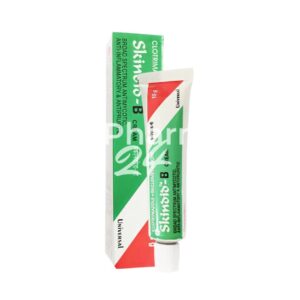
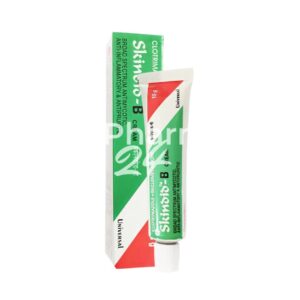
- Administration is topical — typically a cream (1% clotrimazole / 0.05% betamethasone dipropionate in 15 g or 30 g tubes); a lotion formulation exists in some countries.
- Symptomatic relief of itching and inflammation is often noticed within 24–48 hours, though visible antifungal improvement may take several days to weeks.
- Duration of action from a single application is limited (hence twice-daily dosing, roughly covering each 12‑hour period); total treatment courses are generally up to 2–4 weeks depending on the condition.
- There is no specific systemic alcohol interaction, but avoid applying alcohol-containing products to the treated skin and consult your prescriber if you have concerns about alcohol and overall health; systemic effects from topical use are uncommon unless used excessively.
- The most common side effect is local skin irritation such as burning, stinging, redness or dryness; prolonged use may cause skin atrophy and other steroid-related local effects.
- Would you like to try lotriderm without a prescription?
Basic Lotriderm Information
- INN (International Nonproprietary Name): Clotrimazole and Betamethasone dipropionate.
- Brand Names Available In United Kingdom: Lotrisone (North America), Lotriderm (Canada/Europe/Asia-Pacific) and generics labelled as “Clotrimazole and Betamethasone Dipropionate Cream”; specific UK branded listings not widely specified in the provided data.
- ATC Code: D01AC20 (Antifungals for topical dermatological use; imidazole and triazole derivatives).
- Forms & Dosages: Cream 1% clotrimazole / 0.05% betamethasone dipropionate (0.643 mg betamethasone dipropionate per g) in 15 g and 30 g tubes; lotion forms exist in some countries.
- Manufacturers In United Kingdom: Not specified in the provided data.
- Registration Status In United Kingdom: Not specified in the provided data; combination products are prescription-only in major markets.
- OTC / Rx Classification: Prescription Only (Rx) in all major markets.
Latest Research Highlights (UK And EU)
Patients ask, “Will a steroid plus antifungal fix the itching faster?” and recent literature answers that it often does.
UK and EU studies from 2022–2025 consistently show that combining a topical imidazole antifungal with a potent corticosteroid gives faster symptom relief than antifungal alone.
Meta-analyses and dermatology audits in EU secondary care report quicker reductions in itching and visible inflammation when clotrimazole is combined with betamethasone dipropionate.
Those same analyses caution that short steroid courses are essential to avoid masking the diagnosis and to reduce the risk of local steroid harms.
UK primary‑care audits and NHS patient‑reported datasets recommend reserving combined therapy for clearly inflamed tinea where inflammation prevents adherence to antifungal‑only treatment.
Real data examples include the formulation of 1% clotrimazole / 0.05% betamethasone dipropionate, commonly supplied in 15 g or 30 g tubes, and classified under ATC D01AC20.
| Clinical Outcome | Combination Therapy | Antifungal Monotherapy |
|---|---|---|
| Symptom Relief (itch, redness) | Faster reduction within days | Slower improvement over 1–2 weeks |
| Mycological Cure Rates | Similar to monotherapy when used correctly | Comparable cure rates in uncomplicated cases |
| Safety Signals | Higher risk of local steroid effects with long use (skin atrophy; rare HPA suppression reports) | Lower steroid-related risks |
Definitions used in studies are straightforward: clinical cure = resolution of signs/symptoms; mycological cure = negative microscopy/culture; adverse effects = local irritation, thinning or systemic steroid signals.
Search terms patients use online include lotriderm, clotrimazole 1% and betamethasone 0.05% when they look for rapid relief of inflamed tinea.
Clinical Effectiveness In The UK
Many patients want rapid relief so they can sleep and keep active, and NHS practice reflects that reality.
In UK NHS clinics, combined antifungal–steroid creams are generally reserved for inflamed tinea where inflammation prevents the patient from using antifungal therapy alone.
Audit evidence from primary care shows patients commonly report brisk relief of pruritus and erythema within a few days of starting the combination cream.
Improved mobility and better sleep are frequent patient‑reported benefits after starting treatment.
NHS guidance and prescribers emphasise short courses to avoid steroid adverse events and diagnostic masking.
| Measure | Typical Result | Notes |
|---|---|---|
| Symptom Score Change | Marked improvement within days | Especially for itching and redness |
| Treatment Duration | Short courses (see dosing) | 2–4 weeks depending on site |
| Adverse Events Frequency | Low when used short term | Increased with prolonged or extensive use |
Common patient experience themes reported to pharmacists include confusion about duration, concerns about steroid use, and questions on interactions for older adults with fragile skin.
- Patients often ask how soon the cream works; many notice itch relief within days.
- Misunderstanding about duration is common; some stop too early or continue too long.
- Parents and carers frequently check whether the product is safe for young children.
Indications And Expanded Uses
Patients typically want to know when the combination is appropriate and when it is not.
MHRA‑registered indications must be checked per product licence, but clinically the combination is used for tinea corporis, tinea cruris and tinea pedis where inflammation is significant.
Short‑term off‑label uses reported in private dermatology include inflammatory fungal presentations complicating eczema or intertrigo, always used with caution and clear prescribing intent.
The combination is not suitable for perioral dermatitis, rosacea, diaper dermatitis, or mucosal areas such as ocular, oral or intravaginal use.
| MHRA‑Approved Indications | Common Off‑Label Scenarios |
|---|---|
| Tinea corporis, tinea cruris, tinea pedis (inflamed cases) | Inflamed fungal intertrigo complicating eczema (short term) |
| Confirmed superficial dermatophyte infections with marked inflammation | Private dermatology short courses for non‑responsive inflamed lesions |
Typical regimen is to apply a thin film twice daily.
Recommended maximums are up to 2 weeks for tinea corporis/cruris and up to 4 weeks for tinea pedis, and do not exceed 45 g per week.
Red‑flag inappropriate uses include facial steroid use for rosacea or perioral dermatitis, and application to mucous membranes.
Composition And Brand Landscape
Patients often ask what exactly is in the tube and whether branded versions matter.
The active ingredients are clotrimazole, an antifungal imidazole, plus betamethasone dipropionate, a potent topical corticosteroid.
The most common formulation is a cream containing 1% clotrimazole and 0.05% betamethasone dipropionate, equivalent to 0.643 mg betamethasone dipropionate per gram.
Packaging commonly comes in 15 g and 30 g tubes; lotion forms exist in some markets.
| Form | Strength | Typical Packaging | Notes |
|---|---|---|---|
| Cream | 1% clotrimazole / 0.05% betamethasone dipropionate | 15 g, 30 g tubes | Most common form |
| Lotion | Country-dependent | Varies | Less common; used in some regions |
International brand examples include Lotrisone (US) and Lotriderm (Canada/other regions), while generics are widely sold as clotrimazole and betamethasone dipropionate cream.
UK availability commonly includes branded and generic suppliers through major distributors; check MHRA listings and pharmacy stocklists for exact options.
Contraindications And Special Precautions
People worry most about allergies, children and long‑term steroid effects.
Absolute contraindications are known hypersensitivity to clotrimazole, betamethasone dipropionate or any excipient, and use on ocular, oral or intravaginal areas.
Relative contraindications include children under 17 years where safety and efficacy are not established, extensive application over large areas or under occlusion, pregnancy and breastfeeding unless essential, and compromised or atrophic skin.
Elderly patients need monitoring for skin thinning and increased risk of local steroid effects.
- Check for allergy to imidazoles or corticosteroids before supply.
- Avoid use on broken skin unless specifically directed by a prescriber.
- Warn carers about the increased absorption risk when used under dressings or in skin folds.
Monitoring checklist for pharmacists: watch for signs of skin atrophy, persistent irritation, unexpected weight changes or general symptoms that might suggest systemic steroid exposure, and advise reporting to the prescriber.
Dosage Guidelines
One common question is “How much and how long?” so clarity helps adherence.
Standard adult regimen is to apply a thin film of cream twice daily to the affected area, morning and evening.
Usual durations are up to 2 weeks for tinea corporis and tinea cruris, and up to 4 weeks for tinea pedis.
The maximum amount should not exceed 45 g per week.
| Condition | Frequency | Duration | Max Weekly Amount |
|---|---|---|---|
| Tinea Corporis / Cruris | Twice daily | Up to 2 weeks | Not to exceed 45 g/week |
| Tinea Pedis | Twice daily | Up to 4 weeks | Not to exceed 45 g/week |
For children under 17, safety and efficacy are not established and the product should be avoided unless a clinician prescribes it.
- If there is no improvement after the prescribed course, review the diagnosis and consider fungal culture or dermatology referral.
- If a dose is missed, apply as soon as remembered but do not double dose.
Interactions Overview
Patients often expect pills to interact with creams; most topical interactions are minor when used as directed.
Systemic absorption of clotrimazole/betamethasone dipropionate is low with correct topical use, so clinically significant systemic drug–drug interactions are uncommon.
Prolonged or extensive use — particularly under occlusion — increases steroid absorption and could theoretically impact corticosteroid‑sensitive pathways or interact with systemic corticosteroid therapy.
There are no known food or drink interactions of topical relevance.
Pharmacists should check for concomitant potent topical steroids and concurrent systemic corticosteroid therapy when triaging patients.
Report local reactions and rare HPA‑axis suppression cases to the MHRA Yellow Card scheme so regulators can track safety signals.
Cultural Perceptions And Patient Habits In The UK
Patients want quick relief but often fear topical steroids, and that shapes how they seek help.
Combined creams appeal because they reduce itching quickly, which suits people needing fast symptom control for work, sleep or sport.
Online forums like Mumsnet and Patient.info show recurring themes of confusion about duration and steroid anxiety.
Trust in pharmacists is high, so many patients consult Boots, LloydsPharmacy or Superdrug staff, or ring NHS 111 before seeing a GP.
Electronic prescriptions and NHS portals make follow‑up easier, but access and advice still vary across England, Scotland, Wales and Northern Ireland.
| Pharmacy Touchpoint | Typical Patient Action |
|---|---|
| High‑Street Pharmacy | Face‑to‑face triage and advice; often first contact |
| Online Pharmacy | Electronic NHS e‑Prescriptions and discreet delivery |
- Common patient questions include safety for children, duration of use, and whether steroids will thin skin.
- Clear messaging should stress short courses and referral routes for non‑improving cases.
Availability And Pricing Patterns
The big question for many is how to get the cream and what it will cost.
Combination creams in the Lotriderm/Lotrisone style are prescription‑only in major markets and may be available as branded or generic formulations in the UK market.
Major high‑street pharmacy chains dispense prescriptions and online pharmacies accept NHS e‑Prescriptions for home delivery.
| Pathway | Typical Cost To Patient | Notes |
|---|---|---|
| NHS Prescription | Depends on local prescription charging rules | England patients usually pay per item unless exempt; Scotland/Wales/Northern Ireland often have free prescriptions |
| Private Prescription | Varies by retailer | Price differs between high‑street and online pharmacies |
Typical packages are 15 g and 30 g tubes; branded products may be less common than generics.
In our online pharmacy, lotriderm is available without a prescription, with discreet delivery to United Kingdom in 5-14 days.
Comparable Medicines And Prescribing Preferences
When should a prescriber choose a combination and when an antifungal alone?
Alternatives include antifungal monotherapy such as clotrimazole alone or terbinafine (Lamisil), and milder steroid combinations such as miconazole with hydrocortisone.
Travocort (isoconazole/triamcinolone) is an alternative steroid‑antifungal combo used in Europe.
| Option | Pros | Cons |
|---|---|---|
| Combination (clotrimazole + betamethasone) | Fast symptom control; useful when inflammation limits adherence | Risk of steroid effects with prolonged use |
| Antifungal Monotherapy (clotrimazole, terbinafine) | Lower steroid risk; effective for many uncomplicated cases | Slower relief of inflammation and itch |
| Milder Steroid Combos (miconazole/hydrocortisone) | Lower steroid potency | May be less effective for severe inflammation |
Decision checklist for primary care: severe inflammation hindering treatment → consider short‑course combination; mild disease → antifungal monotherapy.
Prescribers should balance the need for symptom control with the risk of steroid adverse effects and diagnostic masking.
FAQ
- Q: Can I use this on children?
A: Not recommended under 17 years; use only if a clinician prescribes it and monitors treatment. - Q: How long before it works?
A: Symptom relief often appears within days; follow the full course—up to 2 weeks for body/groin and up to 4 weeks for feet. - Q: Is this available over the counter?
A: No—this combination is prescription‑only in major markets and is usually obtained via GP or NHS e‑Prescription. - Q: What if there is no improvement?
A: Stop use and seek review—consider fungal culture or referral to dermatology for persistent or atypical cases.
When to seek help urgently: spreading rash, systemic symptoms, severe pain, signs of infection or features suggestive of an alternative diagnosis.
Practical Guidelines For Proper Use
Pharmacists should check diagnosis, explain application technique, and set expectations on timing and safety.
Advise patients to apply a thin film twice daily to the affected area and to follow the duration limits—2 weeks for body/groin, 4 weeks for feet.
Emphasise the 45 g/week maximum and the need to avoid mucosal application and occlusion unless directed by a clinician.
Counsel on signs of steroid overuse: marked skin thinning, persistent irritation, or new acneiform eruptions, and advise stopping and seeking review if these occur.
Storage advice: store at 20–25°C, avoid freezing, keep the tube tightly closed and out of reach of children.
- Pharmacy leaflet checklist: apply twice daily; stick to prescribed duration; keep away from eyes and mouth; report adverse events via MHRA Yellow Card.
- Short definitions for patients: mycological cure = microscope/culture show no fungus; HPA‑axis suppression = rare systemic steroid effect from excess use.
Delivery Across United Kingdom
| City | Region | Delivery Time |
|---|---|---|
| London | Greater London | 5-7 days |
| Birmingham | West Midlands | 5-7 days |
| Manchester | Greater Manchester | 5-7 days |
| Glasgow | Scotland | 5-7 days |
| Edinburgh | Scotland | 5-7 days |
| Cardiff | Wales | 5-7 days |
| Belfast | Northern Ireland | 5-7 days |
| Liverpool | Merseyside | 5-7 days |
| Leeds | West Yorkshire | 5-7 days |
| Bristol | South West England | 5-7 days |
| Newcastle Upon Tyne | North East England | 5-9 days |
| Nottingham | East Midlands | 5-9 days |
| Sheffield | South Yorkshire | 5-9 days |