
Antifungals
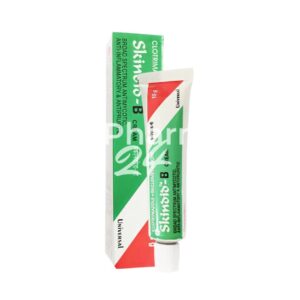
Betamethasone Clotrimazole
from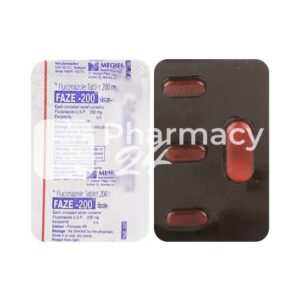
Fluconazole
from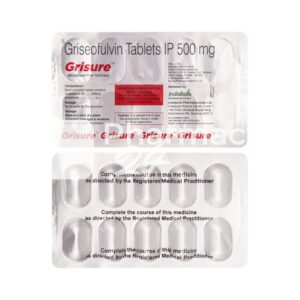
Griseofulvin
from
Lotriderm
fromUnderstanding Fungal Infections
Fungal infections are common conditions that affect millions of people in the United Kingdom each year. These infections occur when fungi penetrate the skin, nails, or mucous membranes, causing discomfort and health complications. Fungal infections can range from mild surface-level conditions to serious systemic diseases, depending on the type of fungus involved and the individual’s immune system strength.
There are several categories of fungal infections that people commonly experience. Dermatophyte infections affect the skin, hair, and nails, including conditions like athlete’s foot and ringworm. Candida infections typically occur in warm, moist areas of the body, such as between skin folds or in the mouth. Malassezia infections cause conditions like pityriasis versicolor and seborrheic dermatitis. Each type requires specific treatment approaches, and antifungal medications are designed to target these different organisms effectively.
Understanding the symptoms of fungal infections helps in early detection and treatment. Common signs include itching, burning sensations, redness, scaling, discolouration, and sometimes discharge or odour. Some infections develop slowly, whilst others progress rapidly, particularly in immunocompromised individuals. Seeking appropriate treatment promptly prevents complications and reduces the spread of infection to other areas or to other people.
Types of Antifungal Medications
Antifungal medications work through various mechanisms to eliminate fungal infections. The main categories include azoles, allylamines, polyenes, and echinocandins, each effective against different types of fungi. Understanding these medication types helps patients and healthcare providers select the most appropriate treatment for specific infections.
Azole Antifungals
Azole antifungals are among the most commonly prescribed medications in the United Kingdom. This group includes imidazoles and triazoles, with popular options being fluconazole, itraconazole, and terbinafine. Fluconazole is widely used for candida infections and is available in tablet form, making it convenient for oral treatment. Itraconazole offers broad-spectrum activity and works well for more resistant infections. These medications interfere with fungal cell membrane formation, effectively stopping the growth and spread of fungi.
Allylamines and Topical Treatments
Allylamines like terbinafine are particularly effective for treating nail and skin infections caused by dermatophytes. Terbinafine is available in tablet form and topical preparations, providing flexibility in treatment options. This medication type works by inhibiting ergosterol synthesis in the fungal cell wall, leading to cell death. Many patients prefer terbinafine for nail infections because treatment duration is often shorter compared to other options.
Topical antifungals include creams, ointments, sprays, and powders applied directly to affected areas. Common active ingredients include miconazole, clotrimazole, and terbinafine. These formulations are ideal for localised skin infections and are available without prescription from pharmacies across the UK. Topical treatments offer the advantage of minimal systemic absorption, making them safe for most people, including pregnant women when used appropriately.
Common Fungal Conditions and Treatments
Athlete’s Foot
Athlete’s foot, or tinea pedis, remains one of the most prevalent fungal infections in the United Kingdom. This condition typically affects the spaces between toes and the soles of feet, causing itching, burning, and scaling. Treatment includes antifungal creams like clotrimazole or miconazole applied twice daily for two to three weeks. Severe cases may require oral medication such as terbinafine tablets for four weeks. Preventative measures include keeping feet dry, wearing breathable footwear, and using antifungal powder in moisture-prone areas.
Candida Infections
Candida infections, particularly oral thrush and vaginal thrush, affect numerous people in the UK. Oral thrush appears as white patches in the mouth and throat and is treated with antifungal lozenges, liquid suspensions, or gels containing miconazole or fluconazole. Vaginal thrush causes itching, discharge, and discomfort, and is managed with antifungal creams or pessaries like clotrimazole or fluconazole tablets. Most cases respond well to treatment within one to two weeks.
Ringworm and Other Conditions
Ringworm, despite its name, is a fungal infection not caused by worms. It affects the skin, scalp, or nails and appears as circular, scaly patches. Topical antifungals like terbinafine cream work for body ringworm, whilst scalp infections often require oral medication such as terbinafine or griseofulvin tablets. Nail ringworm typically requires extended oral treatment lasting several months, as medication must penetrate the nail plate.
Pityriasis versicolor causes discoloured patches on the chest and back, often triggered by warm, humid conditions. Antifungal lotions containing ketoconazole or selenium sulphide effectively treat this condition. Seborrheic dermatitis, affecting the scalp, face, and chest, responds well to antifungal shampoos and creams containing ketoconazole or miconazole. Regular use prevents recurrence in susceptible individuals.
Popular Antifungal Products Available in the United Kingdom
The UK pharmacy market offers a wide range of antifungal products catering to different infection types and preferences:
- Canesten – a well-established brand providing various formulations including creams, sprays, and pessaries, effectively treating athlete’s foot and vaginal candida infections
- Lamisil – containing terbinafine, widely recognised for treating fungal nail infections and dermatophyte infections with proven efficacy
- Daktarin – containing miconazole, offering effective treatment for various fungal infections through creams, oral gels, and powder formulations
- Mycota – available as cream and spray for athlete’s foot treatment
- Nizoral – specialised shampoo for scalp conditions and seborrheic dermatitis
- Generic antifungal creams – available from supermarket pharmacies without prescription for straightforward infections
Canesten cream effectively treats athlete’s foot and other surface infections, whilst Canesten thrush treatment addresses vaginal candida infections quickly and safely. Lamisil oral tablets address more persistent cases, and patients often choose this option for nail infections due to relatively shorter treatment duration. Daktarin oral gel effectively treats oral thrush, and the brand offers powder formulations useful for prevention in high-risk areas like between toes and skin folds.
When to Use Topical Versus Oral Antifungals
Selecting between topical and oral antifungal treatment depends on several factors including infection location, severity, and individual circumstances. Topical antifungals are ideal for localised surface infections affecting small skin areas. They work quickly, cause minimal side effects, and avoid systemic absorption. Most people can use topical treatments without concern about drug interactions or contraindications.
Oral antifungals become necessary for extensive infections, scalp involvement, nail infections, or when topical treatments haven’t succeeded. Systemic medication reaches all affected tissues, including beneath nails where topical creams cannot penetrate effectively. However, oral antifungals carry increased risk of side effects and potential drug interactions, requiring careful consideration in patients taking other medications.
Nail infections almost always require oral treatment, as fungus embeds deep within the nail plate beyond topical medication reach. Terbinafine tablets typically clear toenail infections in twelve weeks and fingernail infections in six weeks. Fluconazole offers an alternative for patients unable to tolerate terbinafine. Scalp ringworm requires oral medication because fungi penetrate hair follicles inaccessible to topical treatments. Terbinafine or griseofulvin tablets achieve effective scalp penetration, clearing infections in four to six weeks depending on severity.
Safety, Precautions, and When to Seek Medical Advice
Antifungal medications are generally safe when used as directed, but certain precautions ensure optimal outcomes and minimise adverse effects. Patients should inform healthcare providers about existing medical conditions, particularly liver disease, as some antifungals require hepatic metabolism. Pregnant women should consult their doctor before using systemic antifungals, though topical treatments are typically safe.
Drug interactions can occur with oral antifungals, particularly with medications metabolised through cytochrome P450 enzymes. Warfarin, certain statins, and immunosuppressants may interact with azole antifungals. Always inform pharmacists about current medications before starting antifungal treatment.
Seek medical advice if infections persist beyond two weeks of appropriate treatment, worsen despite therapy, or affect large body areas. Recurrent infections may indicate underlying conditions like diabetes or immunosuppression requiring investigation. Severe reactions including rash, difficulty breathing, or abdominal pain warrant immediate medical attention.
Preventative measures reduce fungal infection risk significantly. Maintain good hygiene, keep skin dry, wear breathable clothing, and avoid walking barefoot in communal areas. Use antifungal powder in high-risk areas and change socks if feet become damp. These simple steps prevent most fungal infections without requiring medication.