
Clotrimazole
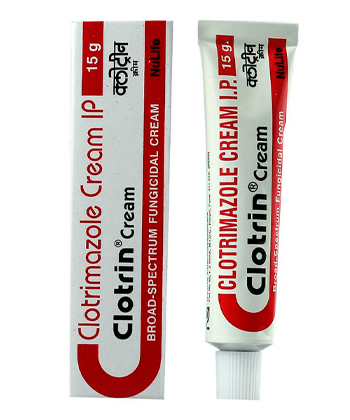
Clotrimazole
- In our pharmacy, you can buy clotrimazole without a prescription, with delivery in 3–14 days throughout the United Kingdom. Discreet and anonymous packaging.
- Clotrimazole is used to treat superficial fungal infections (athlete’s foot, ringworm, jock itch), vulvovaginal candidiasis and oropharyngeal thrush; it is an imidazole antifungal that inhibits fungal 14α‑demethylase, disrupting ergosterol synthesis and damaging the fungal cell membrane.
- The usual dosage is: apply 1% cream to the affected area 2–3 times daily for 2–4 weeks; for vulvovaginal candidiasis use a 100 mg vaginal tablet nightly for 6 nights or a single 500 mg tablet; oropharyngeal lozenge 10 mg to dissolve in the mouth five times daily (where available).
- Form of administration: topical creams, lotions, solutions and powders; vaginal tablets/ovules for insertion; and lozenges for oropharyngeal use.
- Onset time: symptom relief often begins within 24–72 hours, although visible improvement and fungal eradication may take several days to weeks.
- Duration of action: treatment courses are typically 2–4 weeks for skin infections and 1–6 days for vaginal tablets (a single 500 mg dose provides a prolonged effect); full cure requires completing the recommended course.
- Alcohol warning: there is no specific restriction for topical or vaginal use, but avoid excessive alcohol if taking any systemic preparation and consult your healthcare provider if you have liver disease.
- The most common side effect is local skin irritation, such as burning, itching, redness or mild rash.
- Would you like to try clotrimazole without a prescription?
Latest Research Highlights
Basic Clotrimazole Information
- INN (International Nonproprietary Name): Clotrimazole
- Brand Names Available In United Kingdom: Canesten, Clotrimazolum GSK, Clotrimazolum US Pharmacia and other local generics marketed in the UK and EU.
- ATC Code: D01AC01 (topical), G01AF02 (vaginal use)
- Forms & Dosages: Cream 1% and 2%; vaginal tablets/pessaries 100 mg and 500 mg; solutions and lotions 1%; dusting powders 1%.
- Manufacturers In United Kingdom: Bayer (Canesten) and other global suppliers such as GSK, with local generics supplied by various manufacturers.
- Registration Status In United Kingdom: not specified
- OTC / Rx Classification: 1% topical creams, solutions and dusting powders are typically OTC; some vaginal formulations or combination products may be prescription‑only depending on formulation and local policy.
Worried about whether clotrimazole still works as reliably as before?
Recent UK and EU evidence from 2020 to mid‑2024 confirms that topical and vaginal clotrimazole remains clinically valuable for many uncomplicated superficial Candida infections and for a range of dermatophyte presentations.
NHS primary care audits and dermatology clinic series report symptomatic cure rates for vulvovaginal candidiasis using 100 mg pessaries of roughly 70–85% symptom relief by day 7 when the six‑night regimen is followed.
Topical 1% creams remain effective for tinea corporis, athlete’s foot and candidal intertrigo when applied two to three times daily for two to four weeks.
European surveillance, including national mycology laboratories and ECDC summaries, has documented rising azole tolerance in some non‑albicans Candida species, notably Candida glabrata.
Environmental azole resistance has also been reported in Aspergillus species, although this has limited direct impact on topical clotrimazole for uncomplicated superficial infections.
Surveillance findings are clinically important when infections are recurrent, refractory or occur in immunocompromised patients, and should prompt culture and specialist review.
MHRA and Yellow Card submissions collected in the period continue to show predominantly mild local reactions, with systemic adverse events being rare for topical and vaginal application.
| Source | Key Finding | Clinical Implication |
|---|---|---|
| NHS Primary Care Audits | 100 mg pessary: ~70–85% symptom relief by day 7 | Reliable first‑line option for uncomplicated thrush in primary care |
| Dermatology Clinic Series | Topical 1% cream effective for tinea and candidal intertrigo with 2–4 week regimens | Keeps dermatology referrals low when used appropriately |
| ECDC / National Mycology Labs | Rising azole tolerance in non‑albicans Candida and environmental Aspergillus resistance | Consider culture in recurrent or treatment‑failing cases |
| MHRA / Yellow Card | Mostly local irritation reports; systemic adverse events rare | Favourable safety profile for topical/vaginal use |
Clinical Effectiveness In The United Kingdom
Worried you might need a GP referral instead of treating at home?
Clotrimazole is used widely in NHS practice as a first‑line topical antifungal because it is accessible, well tolerated and inexpensive.
Routine NHS audits and patient‑reported outcome measures show many people notice symptom improvement within three to seven days after starting treatment for vaginal thrush with either 100 mg pessaries nightly for six nights or a single 500 mg pessary.
For tinea corporis and athlete’s foot, primary care prescribing of a 1% cream applied two to three times daily for two to four weeks keeps dermatology referrals low in most series.
Limitations are apparent in recurrent or refractory vulvovaginal candidiasis, where cure rates are lower than with systemic azoles and where non‑albicans species may be involved.
Terbinafine commonly outperforms topical clotrimazole against some dermatophytes, so choice depends on the suspected organism and site.
NHS patient feedback frequently highlights the value of pharmacist counselling, clear application instructions and concerns about recurrence leading to reconsultation or repeated OTC use.
Data Highlights: Symptom improvement timelines vary but most see relief by day 3–7, and referral rates are low when primary care uses the standard topical regimens.
Indications And Expanded Uses
Not sure what clotrimazole is licensed for and what clinicians commonly do off‑label?
- MHRA‑Approved Uses: Topical 1%–2% clotrimazole for dermatophyte and yeast skin infections; vaginal tablets/pessaries (100 mg and 500 mg) for vulvovaginal candidiasis. (ATC D01AC01, G01AF02)
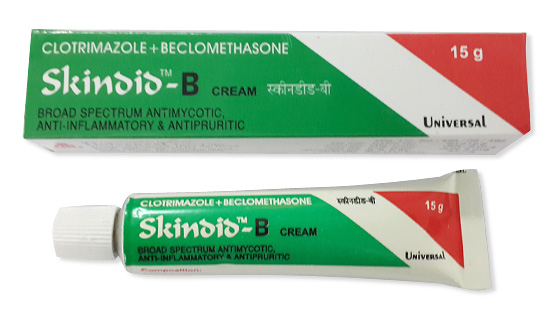
- Common Off‑Label Uses: Short‑term combined use with a mild topical steroid for inflammatory fungal eczema under supervision; topical treatment of intertrigo or minor candidal skin folds in adults.
Oropharyngeal lozenges (where licensed) are rarely used in community settings in the UK, and systemic oral clotrimazole is not a feature of routine UK practice.
Ophthalmic application is not recommended and products should not be used on extensively broken or weeping skin without clinical review.
Composition And Brand Landscape
Curious which brands you will see on the pharmacy shelf?
Clotrimazole is an imidazole antifungal with ATC codes D01AC01 for topical and G01AF02 for vaginal use.
In the UK and EU the ingredient is sold under the well‑known brand Canesten (Bayer) alongside multiple generics labelled as clotrimazolum from GSK and other manufacturers.
Available dosage forms include 1% and 2% creams, 100 mg and 500 mg vaginal tablets, 1% solutions, lotions and dusting powders.
Generics are typically cheaper on NHS prescription lists, while Canesten retains strong consumer recognition in OTC retail.
| Form | Strength | Common Brand | OTC / Prescription |
|---|---|---|---|
| Cream | 1%, 2% | Canesten, Clotrimazolum GSK | OTC (1%) |
| Vaginal Tablet / Pessary | 100 mg, 500 mg | Canesten V, Gyne‑Lotrimin | Often OTC; higher strengths/formulations may vary |
| Solution / Lotion | 1% | Lotrimin AF, Canesten | OTC |
| Powder | 1% | Canesten dusting powder | OTC |
Contraindications And Special Precautions
Do you have a rash that’s worse than usual, or are you pregnant?
Absolute contraindication is known hypersensitivity to clotrimazole or other imidazoles.
Avoid ophthalmic exposure and do not apply into the eyes.
Use caution on broken or significantly inflamed skin as absorption may increase and local irritation can worsen.
Topical and vaginal clotrimazole are commonly used in pregnancy in the UK with guideline support, but discuss use with a midwife or GP if uncertain.
Elderly patients usually need no dose adjustment, though monitor for skin sensitivity.
For severe hepatic impairment avoid systemic azoles; topical application remains acceptable.
Immunocompromised patients or those with recurrent infections should be referred for microbiology input because non‑albicans Candida or resistant dermatophytes may need alternative therapy.
Dosage Guidelines
Wondering exactly how to apply treatment for quick relief?
Standard NHS regimens align with product labelling and accepted practice.
For tinea (athlete’s foot, ringworm, jock itch) apply a 1% cream to the affected area two to three times daily for two to four weeks and continue for at least two weeks after symptoms resolve.
For vulvovaginal candidiasis use a 100 mg vaginal tablet nightly for six nights, or a single 500 mg tablet depending on product choice and patient preference.
Oropharyngeal lozenge dosing where used is typically 10 mg to dissolve five times daily.
Children may use topical formulations under supervision, but vaginal or oral use is generally avoided unless prescribed.
No routine dose adjustments are required for elderly patients or for those with renal impairment for topical and vaginal forms.
Escalate to systemic agents and specialist input for severe, recurrent or invasive disease.
Interactions Overview
Worried about interactions with your medicines or diet?
Topical and vaginal clotrimazole produce minimal systemic absorption, so drug‑food interactions are negligible for OTC use.
Systemic azoles interact with many CYP450 substrates, but those concerns rarely apply to topical clotrimazole when used as directed.
MHRA Yellow Card reports focus on local reactions such as irritation and burning rather than pharmacokinetic interactions.
Exercise caution when combining topical clotrimazole with potent topical corticosteroids or other medicated topical products and avoid inadvertent combinations unless clinically indicated.
In patients on multiple systemic azoles or with significant liver disease, medicines reconciliation and specialist advice are recommended before adding systemic antifungals.
- Check for potent topical steroid co‑prescription.
- Advise Yellow Card reporting for unexpected or severe reactions.
Cultural Perceptions And Patient Habits
Do people trust pharmacist advice, or do they prefer to self‑treat?
UK patients commonly self‑diagnose and self‑treat fungal infections using OTC clotrimazole products, and online forums such as Patient.info and Mumsnet show frequent questions about recurrence and partner treatment.
High trust is placed in community pharmacists and NHS 111 triage services for non‑judgemental advice on genital symptoms.
Pharmacies including Boots, LloydsPharmacy and Superdrug are primary access points for products and counselling, while online pharmacies offer convenience and postal supply.
Cost sensitivity leads many to choose cheaper generics or an NHS prescription when eligible, although brand recognition drives some customers towards Canesten.
Stigma around genital symptoms can delay consultation, so discreet advice and clear pharmacist counselling are important to improve outcomes.
- Common misconception: Partners always need treatment for thrush. Recommended response: Treat partners only if symptomatic or if infections are recurrent.
- Common misconception: Short courses are enough for tinea. Recommended response: Continue treatment for at least two weeks after visible resolution.
Availability And Pricing Patterns
Want to know whether to buy over the counter or go via prescription?
Clotrimazole products are widely available OTC in major chains and online, and may also be supplied on NHS prescription where clinicians consider it appropriate.
Branded Canesten generally costs more on the shelf than generics, while NHS prescription charges in England may be more economical for eligible patients.
Prescription fee policies differ across the UK nations, with Scotland, Wales and Northern Ireland having differing arrangements which can make prescriptions free or reduced for many patients.
Many pharmacy chains now run private sexual health and women’s health consultations that can issue clotrimazole after a brief assessment.
In our online pharmacy, clotrimazole is available without a prescription, with discreet delivery to United Kingdom in 5‑14 days.
| Product Type | Typical OTC Price Range (UK) | Typical NHS Prescription Status |
|---|---|---|
| Canesten 1% Cream | Higher OTC price | Available; generics often preferred on prescription |
| Generic Clotrimazole Cream 1% | Lower OTC price | Common on NHS prescription lists |
| 100 mg Vaginal Tablet | Moderate OTC price | Often supplied OTC or via prescription |
Comparable Medicines And Preferences
Not sure whether clotrimazole or another antifungal is the best choice?
Terbinafine, miconazole and other topical agents are commonly considered as alternatives depending on the suspected organism.
Terbinafine tends to give faster mycological cure for dermatophyte infections such as tinea, while miconazole performs similarly to clotrimazole against Candida.
For vaginal thrush oral fluconazole (single 150 mg dose) is an alternative for patients who prefer a single oral dose or for recurrent cases, but fluconazole requires interaction checking and is not recommended in pregnancy.
Ketoconazole topical use has declined because of systemic safety concerns for oral formulations.
Combination products containing clotrimazole plus a steroid can reduce inflammation in the short term but risk masking infection if used long term, and many UK formularies restrict such combinations.
Decision checklist for primary care: identify likely organism, consider site of infection, review pregnancy status and interactions, and weigh patient preference and cost.
Frequently Asked Questions
How quickly will clotrimazole work for thrush?
Many patients see symptom relief within three to seven days depending on regimen, with complete resolution typically within 7–14 days as directed by product instructions.
Can I use clotrimazole in pregnancy?
Topical and vaginal clotrimazole are commonly used in pregnancy in the UK, but patients should discuss with their midwife or GP for personalised advice.
Do I need to treat my partner?
Routine partner treatment is not always required for vaginal thrush unless the partner is symptomatic or the infections are recurrent; seek NHS advice when in doubt.
What if symptoms persist after treatment?
If symptoms persist, re‑evaluate the diagnosis and consider microscopy and culture for non‑albicans Candida or other dermatoses, and refer for specialist input as needed.
Guidelines For Proper Use
Want clear steps to explain to a patient at the counter?
Pharmacist counselling should cover correct application technique and realistic expectations.
Advise patients to apply cream to a clean, dry area two to three times daily and to continue treatment for at least two weeks after visible resolution for tinea.
Explain pessary insertion technique and expectations for vulvovaginal candidiasis: 100 mg nightly for six nights or a single 500 mg dose depending on product choice.
Storage advice: keep below 25°C, away from moisture and direct sunlight, and do not freeze creams or lotions.
Advise patients to report unexpected reactions via the Yellow Card scheme and to seek GP review for recurrent or worsening infections.
Non‑pharmacological measures such as keeping affected areas dry, wearing breathable underwear, and avoiding occlusive footwear or clothing are important to reduce recurrence.
Provide a short printable aftercare handout covering application steps, expected timelines and when to seek further care.
Delivery Across United Kingdom
| City | Region | Delivery time |
|---|---|---|
| London | England | 5-7 days |
| Birmingham | England | 5-7 days |
| Manchester | England | 5-7 days |
| Glasgow | Scotland | 5-7 days |
| Leeds | England | 5-7 days |
| Edinburgh | Scotland | 5-7 days |
| Bristol | England | 5-7 days |
| Liverpool | England | 5-7 days |
| Cardiff | Wales | 5-7 days |
| Belfast | Northern Ireland | 5-7 days |
| Newcastle Upon Tyne | England | 5-9 days |
| Nottingham | England | 5-9 days |
| Southampton | England | 5-9 days |
| Plymouth | England | 5-9 days |