Praziquantel
In brief
- Praziquantel can be purchased from regulated pharmacies and online suppliers; it is prescription-only in most licensed markets, but availability may vary by country. In some pharmacies it may be obtainable without a prescription, subject to local rules and supply conditions.
- Praziquantel is used to treat parasitic worm infections, especially schistosomiasis, clonorchiasis, opisthorchiasis and taeniasis. It works as an anthelmintic by damaging the parasite’s skin and disrupting calcium balance, causing paralysis and death of the worm.
- The usual dose depends on the infection and body weight. Common adult dosing is 20 mg/kg three times in one day for schistosomiasis, 10–25 mg/kg as a single dose for taeniasis, and 25 mg/kg three times in one day for clonorchiasis or opisthorchiasis.
- The form of administration is an oral tablet, usually 600 mg film-coated tablets.
- It usually starts working within a few hours after taking the dose, although symptom improvement and parasite clearance may take longer depending on the infection.
- The duration of action is generally one day for most standard treatment courses, although cysticercosis may require treatment for 2–4 weeks.
- Avoid alcohol during treatment if possible, as it may worsen dizziness, nausea or stomach upset.
- The most common side effects are nausea, abdominal pain, diarrhoea, vomiting, headache, dizziness and malaise.
- Would you like to try praziquantel without a prescription?
Basic Praziquantel Information
- INN (International Nonproprietary Name): Praziquantel
- Brand names available in United Kingdom: Biltricide is the best-known international brand, with generic praziquantel tablets also seen through regulated supply channels.
- ATC Code: P02BA01
- Forms & dosages: 600 mg film-coated tablets are the standard presentation; veterinary products exist separately and must not be confused with human tablets.
- Manufacturers in United Kingdom: Supply is generally through licensed UK and international pharmaceutical distributors; global originator and generic manufacturers include Bayer AG, Merck KGaA, Medreich, Cipla, Macleods, and Cadila.
- Registration status in United Kingdom: Prescription only.
- OTC / Rx classification: Prescription only (Rx).
Could praziquantel be the right treatment if a stool test, travel history, or hospital review has raised the possibility of a worm infection?
For UK readers, the short answer is that it remains a clinically important antiparasitic medicine, but it should be used for the right parasite, in the right dose, and with proper counselling.
That matters because praziquantel is often searched for alongside schistosomiasis treatment UK, tapeworm treatment, and travel medicine advice, yet the practical reality in NHS care is still weight-based prescribing and clear safety checks.
Latest Research Highlights
What has changed recently, and why should UK patients care?
Between 2022 and 2025, the evidence base has continued to support praziquantel as a cornerstone of schistosomiasis control and a reliable treatment for several tapeworm and fluke infections.
It is ATC P02BA01, prescription only, and the EMA centrally authorised it in April 2025, which matters for European supply confidence as well as pharmacy verification.
Globally, it remains on the WHO Model List of Essential Medicines, and that status reflects its long-standing place in elimination programmes and imported infection management.
For UK practice, the main message is straightforward: imported parasitic disease still shows up in travel clinics, infectious diseases services, and GP referrals, and the medicine works well when diagnosis and dosing are correct.
Safety monitoring still matters because many adverse effects are linked to the body reacting to dying parasites rather than to the tablet alone, so patient counselling is not optional.
In the UK, suspicious reactions can be reported through the MHRA Yellow Card scheme, which remains part of routine post-marketing surveillance.
| Condition | Usual Effectiveness | Tolerability | Treatment Setting |
|---|---|---|---|
| Schistosomiasis | High when weight-based dosing is followed | Usually short-lived side effects | Often single-day treatment |
| Taeniasis | Strong parasite clearance with a single dose | Generally well tolerated | Community, GP, or travel clinic pathways |
| Cysticercosis | Effective but specialist-led | Needs closer monitoring | Prolonged hospital or specialist regimen |
Recent praziquantel research UK discussions have therefore focused less on whether it works and more on how to use it safely in real-world services.
Clinical Effectiveness In The UK NHS Context
Why do clinicians still rely on praziquantel when a patient has a confirmed parasite diagnosis?
Because the medicine is effective quickly, especially for schistosomiasis, clonorchiasis, opisthorchiasis, and taeniasis, provided the diagnosis is correct and the regimen is followed.
In NHS schistosomiasis treatment, the standard anchor remains 20 mg/kg three times in one day, while taeniasis is commonly treated with a single 10–25 mg/kg dose.
For cysticercosis, the regimen is longer at 50 mg/kg/day divided into three doses, and that is usually specialist-led rather than routine primary care.
Patients often notice reduced abdominal symptoms, improved worm clearance after travel, and a return to normal eating and working once the infection settles.
From a pharmacist’s point of view, the biggest practical issue is not whether praziquantel works, but whether the dose has been calculated correctly and the patient understands what to expect on treatment day.
| Infection Type | Usual Outcome | Typical NHS Consideration |
|---|---|---|
| Schistosomiasis | High parasite clearance | Weight-based dosing and follow-up advice |
| Tapeworm infection | Rapid clearing after one dose | Confirm species where possible |
| Fluke infections | Good response when indicated | Often specialist input required |
Pharmacist-led counselling can make adherence much easier, particularly when the prescription uses a praziquantel 600mg tablet and the dose has to be rounded carefully.
Indications And Expanded Uses
What is praziquantel actually prescribed for?
The main licensed and recognised uses are schistosomiasis, clonorchiasis, opisthorchiasis, and taeniasis, with prolonged specialist regimens for cysticercosis.
Because it is prescription only in the UK, its use follows NHS prescribing routes, specialist advice, or regulated private supply rather than general shop sale.
In practice, imported parasitic disease is the area where praziquantel is most useful in UK medicine, especially in travel clinics and hospital infectious diseases services.
That is also where search terms such as praziquantel for schistosomiasis and praziquantel for tapeworm usually come from, often after a patient has seen a test result or been told they need treatment.
There is also an important distinction between human tablets and veterinary products such as Droncit, because animal dosing and human dosing are not interchangeable.
- Schistosomiasis
- Used to treat infection with schistosomes, typically as a single-day regimen.
- Taeniasis
- Used for tapeworm infection, usually as a one-dose treatment.
- Cysticercosis
- Used in specialist care over a longer course, with monitoring.
- Clonorchiasis and opisthorchiasis
- Used in single-day regimens when these fluke infections are confirmed.
| Use | Routine NHS Pathway | Specialist or Private Pathway |
|---|---|---|
| Schistosomiasis | GP, travel clinic, or hospital referral | Sometimes private online pharmacy supply after review |
| Taeniasis | Diagnosis-led prescribing | Occasionally used after pharmacist triage |
| Cysticercosis | Hospital specialist care | Not a routine community-pharmacy treatment |
In our online pharmacy, praziquantel is available without a prescription, with discreet delivery to United Kingdom in 5-14 days.
Composition And Brand Landscape In The United Kingdom And Internationally
Do the pack and brand name matter as much as the active ingredient?
In practice, yes, because patients often search for Biltricide first and only later realise that praziquantel is the INN they need to look for.
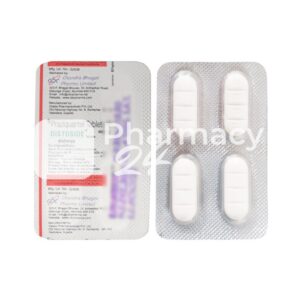
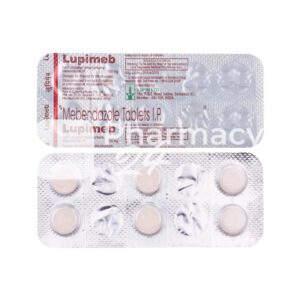
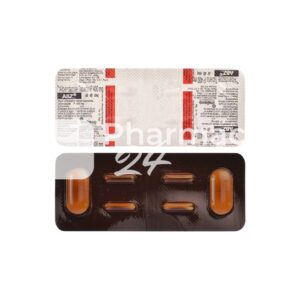
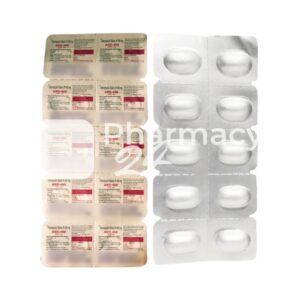
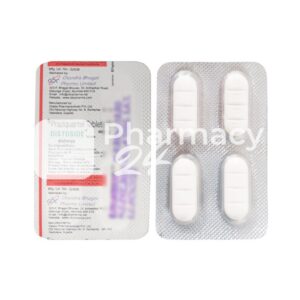
The standard presentation is a 600 mg film-coated tablet, usually supplied in blisters or bottles depending on country and supplier.
That matters in UK online pharmacy work because import supply chains may show different labels, and a patient may receive a pack that looks unfamiliar even though the medicine is the same.
Common global manufacturers include Bayer AG, Merck KGaA, and generic producers such as Medreich, Cipla, Macleods, and Cadila.
Searches such as praziquantel packaging label, praziquantel 600mg tablet, and Biltricide buy online usually reflect people trying to check what they have been given, not necessarily trying to self-medicate.
| Search Term | What It Usually Means | Pharmacy Check |
|---|---|---|
| Praziquantel 600mg tablet | Standard human tablet strength | Check manufacturer and batch details |
| Biltricide buy online | Brand-name search | Use regulated pharmacy supply only |
| Praziquantel packaging label | Need to verify product identity | Read the active ingredient and strength carefully |
The key point is simple: packaging varies, but the active ingredient should be clear before any dose is taken.
Contraindications And Special Precautions
Who should avoid praziquantel, or at least speak to a clinician before starting?
There are a few absolute contraindications that need to be taken seriously, especially known hypersensitivity, ocular cysticercosis, and the first trimester of pregnancy unless the expected benefit outweighs risk.
That last point is important because patients sometimes assume all antiparasitics are interchangeable in pregnancy, which is not the case.
Relative precautions include severe liver dysfunction, a history of cardiac arrhythmias, and the fact that use in very young infants is not routinely studied.
UK patients frequently ask about driving, work, and alcohol. The practical answer is to be cautious if dizziness, headache, or malaise occur, and avoid activities requiring full alertness when symptoms are present.
Pharmacists and NHS clinicians will usually review liver disease, epilepsy, pregnancy, and any complex comorbidity before treatment is supplied.
- Do not use if there is known hypersensitivity to praziquantel or excipients.
- Do not use for ocular cysticercosis because of the risk of severe eye inflammation.
- Discuss urgently if pregnant, especially in the first trimester.
- Use with caution in severe liver dysfunction or arrhythmia history.
| Risk Level | Situation | Practical Advice |
|---|---|---|
| Avoid | Hypersensitivity or ocular cysticercosis | Seek alternative medical advice |
| Use with caution | Pregnancy, liver disease, arrhythmias | Discuss with clinician or pharmacist first |
| Specialist review | Very young infants or complex comorbidity | Hospital or specialist input may be needed |
Dosage Guidelines
How is praziquantel usually prescribed in real UK practice?
The answer depends on the parasite, because the dosing is weight-based and the regimen is often finished in one day.
For schistosomiasis, the standard is 20 mg/kg three times in one day, with doses split every 4 to 6 hours.
For clonorchiasis and opisthorchiasis, 25 mg/kg three times is the usual pattern.
For taeniasis, a single 10–25 mg/kg dose is standard, while cysticercosis requires 50 mg/kg/day divided into three doses for 14 to 30 days.
Children generally use the same mg/kg dosing as adults, with tablets split if needed, and elderly patients usually do not need adjustment if liver and kidney function are normal.
The common pharmacy challenge is turning the prescribed weight-based dose into rounded tablet numbers using the 600 mg tablet format.
| Condition | Dose | Timing | Practical Note |
|---|---|---|---|
| Schistosomiasis | 20 mg/kg three times | In one day | Most commonly single-day treatment |
| Clonorchiasis / Opisthorchiasis | 25 mg/kg three times | In one day | Adherence to timing matters |
| Taeniasis | 10–25 mg/kg once | Single dose | Often straightforward in practice |
| Cysticercosis | 50 mg/kg/day divided into three doses | 14–30 days | Specialist monitoring is usually needed |
Most praziquantel treatment courses are single day, except cysticercosis, which is prolonged.
Interactions Overview
What should be checked before a patient starts treatment?
The main concern is medicines that affect hepatic metabolism, so a pharmacist should review prescription medicines, over-the-counter products, and supplements.
Alcohol is not a classic direct interaction, but it can make nausea, dizziness, and tiredness feel worse in someone who is already unwell.
Tea and coffee are common UK questions too, and there is no major headline interaction, although taking tablets with food may help tolerability depending on local advice.
In everyday counselling, the difference between an interaction and a side effect matters because patients often describe any unpleasant feeling as a “reaction”, even when it is part of the expected profile.
Unexpected problems should be reported through the MHRA Yellow Card scheme, especially if the reaction is unusual, severe, or persistent.
- Interaction
- When another medicine, supplement, or substance changes how praziquantel works or is tolerated.
- Side effect
- A known unwanted effect, such as nausea, headache, or dizziness.
- Reportable adverse reaction
- An unexpected, severe, or concerning problem that should be reported to the MHRA Yellow Card scheme.
Cultural Perceptions And Patient Habits In The United Kingdom
Why do some patients feel nervous when they are given an antiparasitic tablet?
Often because they have never taken one before, and the diagnosis itself can feel unsettling.
In the UK, people commonly ask a community pharmacist what the tablet does, or they check NHS 111, Patient.info, or even forums such as Mumsnet to see whether others had the same experience.
Many patients search the brand name first, then the active ingredient, and finally look for reassurance that the symptoms after dosing are usually short-lived.
That is especially true when the medicine has been supplied through an online pharmacy or imported channel and the pack looks different from what they expected.
Clear counselling helps reduce stigma, because imported parasitic infections can feel embarrassing even though they are a normal part of travel and migration medicine.
- People often worry about tablet size and whether it can be split safely.
- They want to know what happens after the dose and how long side effects last.
- They ask whether family members also need treatment.
- They may be anxious about the symptoms briefly worsening after treatment.
- They often want to check whether the medicine is the same as the brand name they found online.
A calm, non-judgemental explanation usually works best, especially when the patient has just returned from travel or has been referred after a positive test.
Availability And Pricing Patterns Across The United Kingdom
How easy is praziquantel to get in the UK?
Access is usually through an NHS prescription, hospital supply, specialist travel clinic, or a legitimate online pharmacy.
Familiar pharmacy names such as Boots, LloydsPharmacy, and Superdrug are often part of the search journey, but stock availability can vary because praziquantel is prescription only.
Its WHO Model List of Essential Medicines status supports global procurement and public health use, yet that does not guarantee walk-in stock at every branch.
For UK patients, the practical difference is often between getting the medicine from a specialist service quickly or waiting for a regulated supply route to be completed.
International packs may arrive as blisters, bottles, or community treatment packs, and each needs label checking before use.
| Country | Access Context | Common Supply Route |
|---|---|---|
| England | Prescription and specialist referral are common | NHS or regulated online pharmacy |
| Scotland | Similar prescription-led access | Hospital, GP, or specialist clinic |
| Wales | Availability may vary by service | Regulated pharmacy supply |
| Northern Ireland | Prescription-only access remains the norm | NHS or approved pharmacy route |
People searching for praziquantel price UK or Biltricide buy online should always be directed to regulated pharmacies and proper prescription checks, not informal sellers.
Comparable Medicines And Patient Preferences
How does praziquantel compare with other antiparasitic medicines?
The main alternatives are albendazole, mebendazole, niclosamide, and triclabendazole, but they are chosen for different parasites and different clinical situations.
That is why praziquantel often comes out ahead for schistosomiasis and many tapeworm infections, while other agents may be better for other worms.
The decision in UK prescribing is usually based on diagnosis, expected spectrum, availability, and tolerance rather than patient preference alone.
Praziquantel remains the cornerstone of schistosomiasis eradication work, and the 600 mg tablet format makes fractional dosing practical in both adults and children.
European search traffic may also show brand names such as Praziquantel Zentiva or Praziquantel Mylan, especially when people compare supply sources.
| Medicine | Strengths | Limitations |
|---|---|---|
| Praziquantel | Strong for schistosomiasis and many tapeworms | Can cause short-term adverse effects during treatment |
| Albendazole | Useful for different worm infections | Not the first choice for many schistosome infections |
| Mebendazole | Common for some intestinal worm infections | Different spectrum from praziquantel |
| Niclosamide | Useful for tapeworms | Not used for schistosomiasis |
| Triclabendazole | Specific fluke coverage | Used in narrower clinical situations |
- Praziquantel vs albendazole: praziquantel is often preferred for schistosomiasis and tapeworms.
- Niclosamide: may suit certain tapeworm cases, but not schistosomiasis.
- Triclabendazole: reserved for specific fluke infections.
Frequently Asked Questions
How Quickly Does Praziquantel Work?
It usually works quickly, often within the same day for schistosomiasis or taeniasis, although symptoms may take a little longer to settle.
Can I Drive After Taking It?
Be cautious if you feel dizzy, tired, or unwell, and avoid driving if symptoms affect concentration or alertness.
What If I Miss A Dose?
Take it as soon as remembered, but skip it if the next dose is nearly due, and do not double up.
Is Biltricide The Same As Praziquantel?
Yes, Biltricide is a brand name for praziquantel, and the active ingredient is the same.
Guidance For Proper Use
What would a pharmacist want every patient to remember before leaving the counter?
First, take the medicine exactly as prescribed, because the correct dose is what makes praziquantel effective.
Second, do not stop early just because symptoms improve, especially if the regimen is part of a specialist plan.
Third, split tablets only if you have been told to do so, particularly when a 600 mg tablet is being used to build the right mg/kg dose.
Fourth, be prepared for short-lived nausea, headache, dizziness, or abdominal discomfort, and seek help if symptoms become severe.
Fifth, use NHS 111, a GP, or your pharmacist if you are unsure about a missed dose, pregnancy, liver disease, or any other medicines you take.
Storage is simple: keep tablets at room temperature between 15 and 30°C, protect them from light and moisture, and do not freeze them.
- Do: follow the prescribed regimen exactly.
- Do: keep tablets in their original packaging until use.
- Do: report worrying symptoms promptly.
- Do not: double a missed dose.
- Do not: use veterinary products for human treatment.
- Do not: ignore red flags such as severe allergy, chest symptoms, or visual changes.
Praziquantel is prescription only and should be used under professional supervision.
Delivery Across United Kingdom
| City | Region | Delivery time |
|---|---|---|
| London | England | 5-7 days |
| Birmingham | England | 5-7 days |
| Manchester | England | 5-7 days |
| Leeds | England | 5-7 days |
| Liverpool | England | 5-7 days |
| Newcastle upon Tyne | England | 5-7 days |
| Bristol | England | 5-7 days |
| Edinburgh | Scotland | 5-7 days |
| Glasgow | Scotland | 5-7 days |
| Cardiff | Wales | 5-7 days |
| Belfast | Northern Ireland | 5-7 days |
| Nottingham | England | 5-9 days |
| Sheffield | England | 5-9 days |
| Coventry | England | 5-9 days |
Delivery times can vary depending on prescription checks, stock, and destination, but regulated supply remains the priority for safe use.