Biltricide
In brief
- In some pharmacies, Biltricide (praziquantel) may be available without a prescription, but in the UK and most regulated countries it is usually prescription-only. Availability depends on local pharmacy rules and national regulations.
- Biltricide is used to treat schistosomiasis and certain liver fluke infections such as clonorchiasis and opisthorchiasis. Its active ingredient, praziquantel, works by damaging the parasite’s skin and causing paralysis, which allows the body to eliminate the worms.
- The usual dosage depends on the infection: for schistosomiasis, 20 mg/kg per dose given 3 times in one day (total 60 mg/kg); for clonorchiasis or opisthorchiasis, 25 mg/kg per dose given 3 times in one day (total 75 mg/kg).
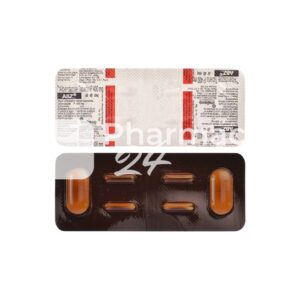
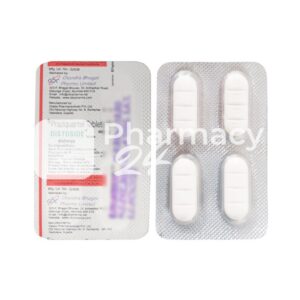
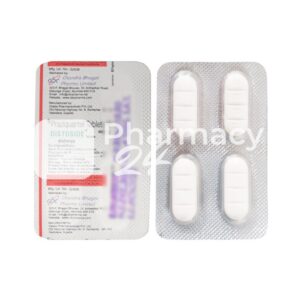
- Biltricide is taken by mouth as a film-coated tablet, usually 600 mg per tablet. Tablets are commonly taken with food and, if needed, can be split or crushed for children under medical supervision.
- It usually starts working within a few hours after oral administration, although symptom improvement may vary depending on the infection and how quickly the parasites are cleared.
- Its effect lasts through the one-day treatment course, and the antiparasitic action continues as the drug clears the infection over the following hours to days.
- Avoid alcohol while taking Biltricide, as it may worsen dizziness, drowsiness, stomach upset, or other side effects.
- The most common side effects are nausea, abdominal pain, vomiting, diarrhoea, dizziness, headache, and drowsiness.
- Would you like to try Biltricide without a prescription?
Basic Biltricide Information
- INN (International Nonproprietary Name): Praziquantel.
- Brand names available in United Kingdom: Biltricide; praziquantel may also appear as a generic medicine in specialist supply chains.
- ATC Code: P02BA01.
- Forms & dosages: Film-coated tablets, 600 mg, oral; oral suspension is not widely available and may be compounded for children in special cases.
- Manufacturers in United Kingdom: Bayer AG/Bayer Healthcare is the leading brand manufacturer globally; UK supply may also involve imported or generic products through specialist channels.
- Registration status in United Kingdom: Prescription-only medicine in regulated markets; UK use should follow MHRA-aligned and specialist guidance.
- OTC / Rx classification: Prescription-only (Rx).
Latest Research Highlights
Looking for the newest evidence on praziquantel usually means the same question from patients and clinicians alike: does it still work as well as people say, and is it still the gold standard for schistosomiasis and liver flukes?
The short answer is yes.
Recent UK and EU practice remains firmly centred on praziquantel for schistosomiasis treatment and for recognised liver fluke infections, with specialist services continuing to rely on it because cure rates remain strong and the safety profile is well understood.
Biltricide evidence also continues to be supported by its long-standing place on the WHO Essential Medicines List, its P02BA01 classification, and its prescription-only status in regulated markets.
For UK readers, the practical point is that prescribing is usually aligned with tropical medicine or infectious disease pathways, while national registers and MHRA-style governance remain the reference point for product status.
| Recent evidence focus | Typical outcome reported | Common adverse effects |
|---|---|---|
| Schistosomiasis studies in specialist care | High parasite clearance and symptom improvement after single-day treatment | Nausea, abdominal pain, dizziness |
| Fluke infection protocols | Good clinical response when dosing is matched to species and weight | Headache, drowsiness, vomiting |
| Routine safety reviews | Reassuring overall tolerability in adults and children over 1 year | Short-lived gastrointestinal upset and malaise |
One reason praziquantel research still matters is that UK patients do not usually present with simple textbook infections.
They are often travellers, migrants, or patients seen after a positive blood test or specialist screening in a tropical medicine clinic.
That is why real-world data on symptom relief, follow-up testing, and short-term tolerability is so useful.
The evidence continues to show that a single-day course can be effective, provided the dose is correct and tablets are taken with food.
The FDA approval history also matters to many clinicians because an approved medicine with a long global label history usually inspires confidence in quality, dosing, and pharmacovigilance.
In the UK, though, the most relevant standard is whether the medicine fits NHS use, specialist protocols, and national safety checks.
Clinical Effectiveness In The United Kingdom
What does “effective” actually mean when a UK patient is given Biltricide tablets?
Usually it means three things.
First, the parasite is cleared or greatly reduced.
Second, symptoms such as abdominal discomfort, fatigue, or bowel upset improve over time.
Third, follow-up testing or specialist review confirms the infection has been dealt with properly.
In UK practice, praziquantel is most often used after travel-related diagnosis, after migrant health screening, or through a tropical disease service when schistosomiasis treatment is clearly indicated.
The tablets are normally taken on one day only, not across several days, which is helpful for patients who want a simple regimen they can complete quickly.
| Outcome | What UK patients usually notice | Practical note |
|---|---|---|
| Parasite clearance | Confirmed on specialist follow-up when needed | Testing may be arranged later, depending on the infection |
| Symptom improvement | Less abdominal pain, less “off” feeling, fewer bowel symptoms | Improvement is not always immediate |
| Short-term tolerability | Most people manage the course well | Nausea, dizziness, and abdominal pain are the usual complaints |
- Patients often like the single-day schedule because it is easier to remember.
- Some report feeling better within days, while others need follow-up before they feel reassured.
- Nausea, headache, and drowsiness are the most common short-term issues.
- Taking the tablets with food usually makes the course easier to tolerate.
For children aged 1 year and above, the same mg/kg approach is used, which helps keep paediatric dosing straightforward.
Smaller children may need tablets crushed, but that should be guided carefully because the dose still has to be accurate.
That is one reason many UK families prefer to speak to a pharmacist before collecting the medicine from an electronic prescription.
Indications And Expanded Uses
Which infections does Biltricide actually cover?
That question comes up a lot, especially when someone has been handed a private prescription or seen an online mention of liver fluke treatment and is unsure what the medicine is for.
Praziquantel is the recognised treatment for schistosomiasis and several fluke infections, including clonorchiasis and opisthorchiasis.
It is also part of specialist travel medicine and tropical disease protocols, where the species involved and local guidance matter.
In UK practice, the difference between licensed use and specialist off-label use is important, because local trust protocols may vary.
It remains prescription-only, so patients should not treat it as a casual antiparasitic bought on a whim.
- Schistosomiasis
- A parasitic infection caused by schistosome worms, often linked to freshwater exposure in endemic regions.
- Clonorchiasis
- A liver fluke infection caused by Clonorchis species.
- Opisthorchiasis
- A liver fluke infection caused by Opisthorchis species.
- Fluke-related infection
- A broader term used for parasitic flatworm infections that may be managed in specialist care.
| Indication | Usual place in UK care | Notes |
|---|---|---|
| Schistosomiasis | Standard specialist treatment | Most recognised use of praziquantel |
| Clonorchiasis / Opisthorchiasis | Specialist or travel medicine use | Species and local guidance shape the plan |
| Other fluke-related protocols | Specialist use only | Local protocols may differ between NHS trusts |
Where patients search for “Biltricide buy online”, the real issue is usually access, not curiosity.
Some prefer a regulated online pharmacy for convenience, and in our online pharmacy, Biltricide is available without a prescription, with discreet delivery to United Kingdom in 5-14 days.
Even so, country-specific checks and the original diagnosis remain important, especially when symptoms, travel history, or liver function are part of the picture.
Composition And Brand Landscape
Wondering whether Biltricide is different from praziquantel?
The active ingredient is praziquantel.
Biltricide is the best-known brand name, and the standard strength is 600 mg film-coated tablets.
That is the form most UK patients will see if the medicine is sourced through a specialist route or an imported supply chain.
Packaging differs by region, which can be confusing if someone has seen bottles online, blister packs from Europe, or generics from Asia or Africa.
| Brand | Form | Strength | Typical pack detail |
|---|---|---|---|
| Biltricide | Film-coated tablet | 600 mg | Bottles in North America, commonly 6 tablets |
| Biltricide | Film-coated tablet | 600 mg | Blister packs in much of the EU |
| Generic praziquantel | Film-coated tablet | 600 mg | Various pack sizes from multiple manufacturers |
| Compounded suspension | Oral suspension | Not standardised | Occasional specialist paediatric use |
Bayer is the leading brand manufacturer globally, while generic manufacturers are found in several regions including Asia, Africa, and Latin America.
In UK pharmacy systems, imported anti-parasitic drugs UK-wide may appear slightly differently depending on the supplier, but the active ingredient remains the key point for pharmacists and prescribers.
An oral suspension is not widely available, so smaller children may need crushed tablets under careful supervision.
Contraindications And Special Precautions
What should make a pharmacist pause before handing out praziquantel?
Several clear red flags need attention.
Known hypersensitivity is an absolute contraindication, and ocular cysticercosis is also a hard stop because praziquantel can worsen disease in the eye when parasites are killed there.
Severe hepatic impairment, seizure history, and arrhythmias need caution and may need specialist input.
Older age is not a reason for automatic dose reduction, but comorbidities are common, so review is still sensible.
| Situation | Advice | Why it matters |
|---|---|---|
| Hypersensitivity to praziquantel | Do not use | Risk of allergic reaction |
| Ocular cysticercosis | Do not use | May aggravate eye disease |
| Severe hepatic impairment | Use with caution | Blood levels may rise |
| Seizure history or epilepsy | Use with caution | Neurological adverse effects need watching |
| Cardiac arrhythmias | Use with caution | Comorbidity review is sensible |
- Dizziness or drowsiness can make driving unsafe for some people.
- Alcohol may make nausea and dizziness feel worse.
- Pregnancy is a clinically sensitive area, so specialist advice is sensible.
- Older patients may need extra review if liver or kidney function is not straightforward.
Patients often ask whether dose adjustment is routine.
In most cases it is not, unless there is significant organ impairment.
Dosage Guidelines
How is praziquantel usually taken in practice?
For schistosomiasis, the standard regimen is 20 mg/kg per dose, three doses in one day, taken at 4 to 6 hour intervals with food.
For clonorchiasis and opisthorchiasis, the regimen is 25 mg/kg per dose, three doses in one day, again with food and at 4 to 6 hour intervals.
That means treatment is usually finished the same day.
It is not normally given as a long course over several days for the approved indications listed here.
| Condition | Dose | Schedule | Practical note |
|---|---|---|---|
| Schistosomiasis | 20 mg/kg per dose | 3 doses in one day | Take with food at 4 to 6 hour intervals |
| Clonorchiasis / Opisthorchiasis | 25 mg/kg per dose | 3 doses in one day | Take with food at 4 to 6 hour intervals |
- Confirm the infection and weight-based dose first.
- Take each dose with food to reduce stomach upset.
- Space the doses 4 to 6 hours apart.
- Finish the same-day course as prescribed.
- Ask about tablet splitting or crushing if the patient is a small child.
Children aged 1 year and above use the same mg/kg dosing approach as adults.
That can mean fewer tablets in smaller children, but the weight calculation still has to be done carefully.
If the tablets need to be crushed, a pharmacist or specialist should advise on the practical steps.
For hepatic or renal impairment, specialist advice is sensible before the first dose.
Interactions Overview
What tends to worry UK patients most is not just the medicine itself, but what happens when it meets alcohol, food, or other tablets already in the cupboard.
Praziquantel is usually taken with food, which is part of the standard regimen and can improve tolerance.
Alcohol is best avoided around the treatment day if nausea or dizziness are a concern.
Overdose can worsen gastrointestinal and central nervous system effects, so the prescribed dose matters.
Electronic prescribing systems and pharmacy software may flag potential issues, which is useful when a patient is collecting treatment after a Friday-evening diagnosis and wants quick reassurance.
| Interaction area | Practical advice | Usual pharmacist view |
|---|---|---|
| Food | Take with food | Usually recommended |
| Alcohol | Avoid if possible during treatment day | May worsen dizziness or nausea |
| Overdose risk | Do not repeat doses unless advised | Can increase GI symptoms and CNS effects |
| Other medicines | Check against pharmacy software or prescriber advice | Especially important in liver disease or seizure history |
If a side effect seems unexpected or more severe than expected, the Yellow Card route is the normal UK reporting pathway for suspected adverse reactions.
Cultural Perceptions And Patient Habits
Why do some patients hesitate when they hear the word “antiparasitic”?
Usually because they are not expecting the diagnosis, or they have already searched online and found a confusing mix of brand names, imported packs, and forum comments about side effects.
UK patients often want fast, calm clarification from a community pharmacist, NHS 111, or an NHS patient portal rather than a long lecture.
That is especially true when someone sees Biltricide UK discussions and is unsure whether the medicine is standard, imported, or private.
Another common habit is comparing private versus NHS access, especially after a travel-related diagnosis.
Some patients simply want to know whether they can collect the medicine the same day, and others want reassurance before taking the first tablets at home.
- People often worry about nausea, dizziness, or whether they will be able to work the next day.
- Imported packaging can look unfamiliar, so brand reassurance helps.
- Many prefer to speak to a pharmacist before they start treatment.
- Patients value plain-English advice more than technical parasitology jargon.
That practical, low-drama style fits UK expectations well.
Most people want to know what to do, what to watch for, and who to contact if the medicine does not feel right.
Availability And Pricing Patterns
Can praziquantel be obtained easily in the UK?
Access usually depends on whether the medicine is supplied through the NHS, a private prescriber, a specialist service, or an online pharmacy with imported stock.
Because Biltricide is prescription-only in regulated markets, fulfilment can vary.
Chains such as Boots, LloydsPharmacy, and Superdrug may need to order stock in, especially if the item is not already on the shelf.
Electronic prescriptions can make the process smoother, but imported anti-parasitic sourcing may still take time.
| Access route | Likely availability | Typical cost pattern |
|---|---|---|
| NHS prescription in England | Depends on local supply | Prescription charge rules may apply unless exempt |
| NHS prescription in Scotland | Depends on local supply | No standard NHS prescription charge |
| NHS prescription in Wales | Depends on local supply | No standard NHS prescription charge |
| NHS prescription in Northern Ireland | Depends on local supply | Charges follow local exemption rules |
| Private prescription | Often faster if stock is available | Medicine and consultation costs may be higher |
| Online pharmacy | Useful for convenience and discreet ordering | Prices vary with stock and supply route |
For many patients, the main question is simply where to get praziquantel in the UK without delay.
That is where a regulated pharmacy, clear stock information, and a straightforward dispensing process make a real difference.
Comparable Medicines And Preferences
Is there anything that works in the same way as Biltricide?
Not really in the same role for schistosomes and many flukes.
That is why Biltricide remains the gold-standard anthelmintic for these infections.
Some older or narrower options exist, but they are not interchangeable with praziquantel for most UK specialist decisions.
| Medicine | Role | Comparison with praziquantel |
|---|---|---|
| Metrifonate | Used for some schistosomiasis | Less widely used |
| Oxamniquine | Specific for S. mansoni | More limited in scope |
| Albendazole | Used for other worms | Not effective against schistosomes or flukes |
| Mebendazole | Used for other worms | Not equivalent for these infections |
- Praziquantel wins on broad relevance for schistosomiasis and flukes.
- Single-day dosing is simpler than many alternatives.
- Generics can help access where brand supply is limited.
- Species choice and travel history still guide the final decision.
That combination of efficacy, simple dosing, and long-standing specialist use is why many clinicians still choose praziquantel first.
Frequently Asked Questions
Do I need to take Biltricide with food?
Yes.
The usual advice is to take each dose with food, which can help with tolerability.
Can children take praziquantel?
Yes, children aged 1 year and above use the same mg/kg dosing as adults.
Smaller children may need tablets crushed, but that should be done with pharmacist or specialist advice.
What if I miss a dose?
Take it as soon as you remember on the same day.
Do not double up if the next scheduled dose is near.
Is it available on the NHS?
It may be available through NHS pathways or specialist services, but supply can vary by trust and local stock.
Private or online pharmacy access may be quicker in some cases.
Guidelines For Proper Use
What keeps praziquantel treatment safe and effective in day-to-day UK use?
It usually comes down to following the prescription closely and knowing when to ask for help.
Take the tablets exactly as prescribed, usually with food, and complete the same-day course.
Keep the doses 4 to 6 hours apart unless the prescriber says otherwise.
Store the medicine at 15 to 30 degrees Celsius and protect it from moisture and excessive heat.
If a dose is missed, take it on the same day when remembered, but do not double up.
If overdose is suspected, seek urgent medical help because GI symptoms, confusion, and seizures can worsen.
- Use community pharmacy advice if the tablet size is awkward or needs splitting.
- Contact NHS 111 if side effects feel worrying or unusual.
- Ask the GP or specialist team if liver disease, seizure history, or arrhythmia is part of the medical history.
- Use patient portals or national medicine information sources for extra reassurance.
Official country-specific checks should always be made through the relevant national register or regulator.
That helps confirm the current product status, especially when imported praziquantel tablets are involved.
Delivery Across United Kingdom
| City | Region | Delivery time |
|---|---|---|
| London | England | 5-7 days |
| Birmingham | England | 5-7 days |
| Manchester | England | 5-7 days |
| Leeds | England | 5-7 days |
| Liverpool | England | 5-7 days |
| Bristol | England | 5-7 days |
| Sheffield | England | 5-7 days |
| Newcastle upon Tyne | England | 5-7 days |
| Edinburgh | Scotland | 5-7 days |
| Glasgow | Scotland | 5-7 days |
| Cardiff | Wales | 5-7 days |
| Swansea | Wales | 5-9 days |
| Belfast | Northern Ireland | 5-7 days |
| Aberdeen | Scotland | 5-9 days |