
Antiparasitic
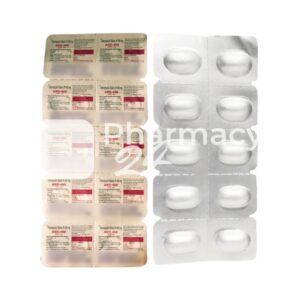
Albendazole
from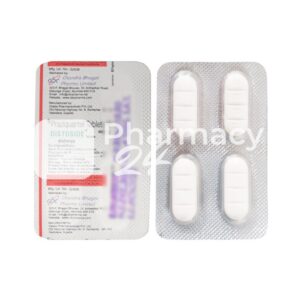
Biltricide
from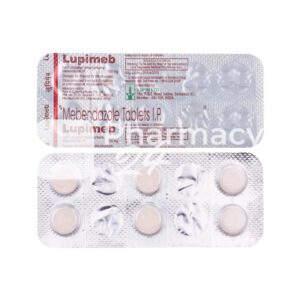
Mebendazole
from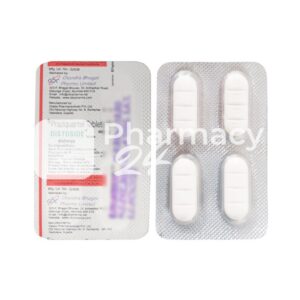
Praziquantel
from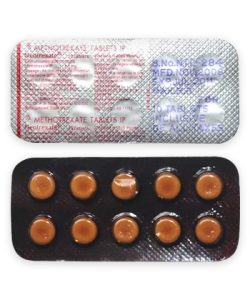
Rheumatrex
from
Zentel
fromUnderstanding Parasitic Infections
Parasitic infections affect millions of people worldwide and can occur in both tropical and temperate climates, including the United Kingdom. Parasites are organisms that live on or within a host organism and survive by obtaining nutrients from their host, often causing discomfort and health complications. These infections can range from mild to severe, depending on the type of parasite, the location of infection, and the individual’s immune system.
Common parasitic infections include those caused by roundworms, tapeworms, hookworms, and protozoa. Symptoms of parasitic infections may include digestive issues, abdominal pain, diarrhoea, anaemia, weight loss, skin irritations, and general malaise. Some infections may be asymptomatic, meaning individuals carry the parasite without showing obvious signs. Early diagnosis and treatment with appropriate antiparasitic medications are essential for preventing complications and ensuring full recovery.
Parasitic infections can be transmitted through contaminated food and water, insect bites, poor sanitation, or direct contact with infected individuals. Travellers to endemic areas should take preventative measures and seek medical advice about antiparasitic prophylaxis if necessary.
Types of Parasitic Infections and Treatment
Intestinal Parasites
Intestinal parasitic infections are amongst the most common types encountered in the United Kingdom. These infections are typically caused by helminths such as roundworms, tapeworms, and hookworms. Common medications available on the UK market for treating intestinal parasites include mebendazole, which is effective against roundworms, hookworms, and whipworms. Albendazole is another broad-spectrum antihelmintic that treats various intestinal worm infections. Niclosamide is specifically used for tapeworm infections. These medications work by disrupting the parasites’ ability to absorb nutrients or by paralysing them, allowing the body to expel them naturally.
Protozoal Infections
Protozoal infections require different treatment approaches compared to helminthic infections. Metronidazole is a commonly prescribed medication in the UK for treating trichomoniasis and giardiasis, caused by protozoan parasites. Tinidazole is an alternative option with a similar mechanism of action. Atovaquone-proguanil is used for malaria prevention and treatment in travellers. Quinine is occasionally used for certain protozoal infections. These medications are effective at eliminating protozoan parasites through various biochemical mechanisms.
Skin Parasites
Skin parasitic infections such as scabies and head lice require topical and sometimes systemic treatments. Permethrin cream is widely available and highly effective for scabies treatment. Malathion lotion is another option for both scabies and head lice. Ivermectin tablets are increasingly prescribed for severe scabies cases and certain other parasitic skin conditions. These treatments should be used according to healthcare provider instructions to ensure effectiveness and prevent reinfestation.
Common Antiparasitic Medications Available in the UK
Over-the-Counter Options
Several antiparasitic medications are available without prescription in UK pharmacies, making treatment accessible for common infections. Mebendazole is widely available over-the-counter for treating threadworms, roundworms, and hookworms. Permethrin cream for scabies and various head lice treatments containing malathion or pyrethrin can be purchased directly from pharmacies. Piperazine is another over-the-counter option for roundworm infections. These medications are generally safe when used as directed and represent an affordable first-line treatment for many common parasitic infections.
Prescription Medications
More complex or severe parasitic infections require prescription medications. Albendazole and levamisole are prescription antihelmintics for various worm infections. Metronidazole and tinidazole are prescription treatments for protozoal infections like giardiasis and amoebiasis. Atovaquone-proguanil is prescribed as both treatment and prophylaxis for malaria. Artemether and artesunate are reserved for severe malaria cases. Ivermectin tablets are increasingly prescribed for parasitic infections resistant to other treatments. Your GP or travel medicine specialist can determine which prescription medication is most appropriate for your specific condition.
Specialist Treatments
For rare or complicated parasitic infections, specialist antiparasitic medications may be necessary. Praziquantel is used for schistosomiasis and certain tapeworm infections, though it requires specialist prescription. Diethylcarbamazine is used for filariasis and lymphatic worm infections. Suramin is reserved for African trypanosomiasis treatment in specialist settings. These medications are typically prescribed by tropical medicine specialists or infectious disease consultants and may need to be ordered through specialist pharmacies.
Prevention and Management Strategies
Travel Precautions
Travellers to areas with high parasitic infection rates should take preventative measures. Malaria prophylaxis medications such as atovaquone-proguanil, doxycycline, or mefloquine should be started before travelling to endemic areas and continued as advised by travel medicine clinics. Practising good hygiene including regular handwashing, especially before eating and after toilet use, significantly reduces infection risk. Avoiding contaminated water, drinking only bottled or boiled water, and eating thoroughly cooked food helps prevent intestinal parasitic infections. Insect repellents and protective clothing reduce the risk of vector-borne parasitic diseases.
Hygiene and Sanitation
Maintaining good personal hygiene is crucial for preventing parasitic infections. Regular bathing and changing clothes reduce scabies and lice transmission. Keeping fingernails short and clean helps prevent accidental ingestion of parasite eggs. Washing bedding, clothing, and personal items in hot water kills parasites and their eggs. Regular toilet cleaning and handwashing after using the toilet prevents transmission of intestinal parasites. These simple measures are highly effective at preventing many common parasitic infections.
Post-Treatment Follow-up
After completing antiparasitic treatment, follow-up stool samples or other diagnostic tests may be necessary to confirm complete parasite elimination. Some infections require repeat doses of medication given at specific intervals for optimal effectiveness. Contacting your GP if symptoms persist after completing treatment is important, as some infections may require different medications or longer treatment courses. Preventing reinfection through continued hygiene practices is essential for long-term health.
When to Seek Medical Advice
Symptoms Requiring Attention
Certain symptoms associated with parasitic infections warrant prompt medical evaluation. You should contact your healthcare provider if you experience:
- Persistent diarrhoea lasting more than two weeks
- Severe abdominal pain or cramping
- Unexplained weight loss or signs of malnutrition
- Allergic reactions including rashes, itching, or swelling
- Fever, particularly after travelling to tropical areas
- Visible worms in stool or vomit
Fever, particularly after travelling to tropical areas, may indicate serious parasitic infection such as malaria and needs urgent assessment.
Travel Medicine Consultation
Before travelling to high-risk areas, consulting a travel medicine clinic is highly recommended. Travel health specialists can assess your destination, recommend appropriate antimalarial prophylaxis, and advise on other preventative measures. They can provide vaccinations and prescribe antiparasitic medications for prevention or emergency treatment. Post-travel medical check-ups are advisable if you’ve spent time in areas with endemic parasitic diseases, even if you feel well.
Choosing the Right Antiparasitic Treatment
Working with Your Pharmacist
Your community pharmacist is an excellent resource for advice on antiparasitic medications. They can recommend appropriate over-the-counter treatments for common infections, explain proper usage, and advise on potential side effects. Pharmacists can identify drug interactions if you’re taking other medications and refer you to your GP if prescription medication is necessary. Many pharmacies now offer extended services including travel health consultations where antiparasitic advice is provided.
GP Guidance
Your general practitioner can diagnose parasitic infections through appropriate testing and prescribe the most suitable antiparasitic treatment. They consider your medical history, current medications, allergies, and pregnancy status when recommending treatment. GPs can monitor treatment progress and adjust medications if necessary. They also provide advice on preventing future infections and managing any complications from parasitic infections.
Effective antiparasitic treatment combined with good hygiene practices and preventative measures ensures successful recovery and reduces the risk of future infections in the UK and abroad.