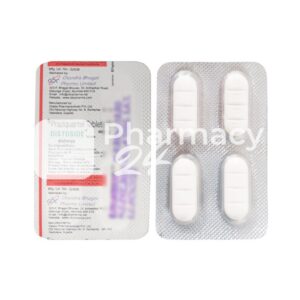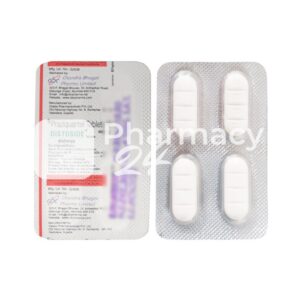
Albendazole
In brief
- Albendazole can be purchased from pharmacies and online pharmacies in various countries, and in some settings it may be available without a prescription; however, in many places human formulations are prescription-only. Availability depends on local regulations.
- Albendazole is used to treat worm infestations such as ascariasis, hookworm, pinworm, whipworm, taeniasis, strongyloidiasis, hydatid disease and neurocysticercosis. It is an anthelmintic benzimidazole that works by inhibiting parasite microtubule formation and blocking glucose uptake, which leads to parasite death.
- The usual dose depends on the infection: 400 mg as a single dose for common intestinal worms; 400 mg once daily for 3 days for some infections; and 15 mg/kg/day in two divided doses for more serious tissue infections, up to 800 mg daily, as prescribed.
- It is usually taken as an oral tablet, chewable tablet, or oral suspension. Tablets commonly come in 200 mg or 400 mg strengths, and suspensions are available in different concentrations.
- Albendazole starts working after it is absorbed and begins affecting the parasite within hours, but symptom relief may take longer depending on the type and severity of the infection.
- The duration of action varies: a single dose may be enough for minor intestinal worm infections, while treatment can last 3 days or several weeks in conditions such as echinococcosis or neurocysticercosis.
- Alcohol is best avoided during treatment, as it may increase the risk of stomach upset and put extra strain on the liver.
- The most common side effects are nausea, abdominal pain, vomiting, diarrhoea, headache and dizziness. Raised liver enzymes can also occur.
- Would you like to try albendazole without a prescription?
Latest Research Highlights
Albendazole remains one of the best-established anthelmintic medicines in UK and European practice.
Across 2022 to 2025, the clearest evidence still supports its use for intestinal helminth infections, with longer specialist regimens reserved for tissue disease such as neurocysticercosis and echinococcosis.
That fits the WHO-aligned picture too, where the medicine sits in ATC code P02CA03 and stays firmly in prescription medicine territory for human use.
European prescribing updates continue to reflect the same practical message: choose albendazole when the parasite type matches the indication, and monitor more closely when treatment is prolonged.
Safety signals seen in MHRA-adjacent pharmacovigilance discussions remain rare, but they matter.
Serious adverse events such as pancytopenia and severe hepatic injury are uncommon, yet they are the reason liver monitoring and blood count checks are taken seriously during longer courses.
In day-to-day terms, the evidence is strongest for intestinal worm infections, while tissue infections usually need weight-based dosing, combination support and longer follow-up.
| Indication | Typical Outcome | Clinical Note |
|---|---|---|
| Ascariasis, enterobiasis | High cure rates after a single dose | Best supported for straightforward intestinal infection |
| Hookworm, trichuriasis | Good parasite reduction | Repeat treatment may be needed if reinfection risk is high |
| Neurocysticercosis, echinococcosis | Useful with prolonged courses | Specialist oversight and monitoring are essential |
Data highlight: rare but important adverse events include raised transaminases, pancytopenia, and severe hepatic injury.
Those risks are why European guidance continues to balance effectiveness with sensible monitoring rather than treating albendazole as a simple over-the-counter dewormer.
Basic Albendazole Information
- INN (International Nonproprietary Name): Albendazole
- Brand names available in United Kingdom: Zentel, Albenza, Eskazole, Albendazol Labormed, Albendazol Medley, Albendazol Neo Quimica, Albendazol MK, Zenzera, Zestaval, Zolben, Valbazen (veterinary)
- ATC Code: P02CA03
- Forms & dosages: Oral tablet 200 mg, 400 mg; chewable tablet 200 mg, 400 mg; oral suspension 100 mg/5 ml, 200 mg/5 ml, 400 mg/10 ml
- Manufacturers in United Kingdom: Not specified
- Registration status in United Kingdom: Prescription (Rx) in most countries for human formulations; EU-approved by EMA; FDA-approved in the USA
- OTC / Rx classification: Prescription (Rx) in most countries for human formulations; some veterinary forms may be OTC
Clinical Effectiveness In The United Kingdom
What can patients expect after taking albendazole tablets for worms?
In UK practice, the answer depends on the parasite and whether the diagnosis is correct in the first place.
For common intestinal infections, a single 400 mg dose is standard for ascariasis, trichuriasis, hookworm and enterobiasis in adults and children over 2 years.
For strongyloidiasis, taeniasis and hymenolepiasis, a 3-day course is more typical.
People often notice a quicker reduction in itch, tummy discomfort and the worry that comes with seeing worms or suspecting pinworm infection.
That anxiety relief matters more than many patients expect, especially for parents dealing with a child’s night-time scratching or a household where everyone is on edge.
If symptoms do not settle, UK clinicians may advise a review, because response depends on parasite burden, reinfection, and whether repeat treatment is needed.
Household hygiene also matters when reinfection risk is high, so treatment is often paired with practical advice rather than medicine alone.
In simple terms, the medicine works well when used for the right worm, at the right dose, and with the right follow-up.
Indications And Expanded Uses
Which infections are actually treated with albendazole in the UK?
The main use is worm infection management in primary care and specialist settings, with confirmed or strongly suspected parasitic disease guiding prescribing rather than routine empiric use.
For human treatment, albendazole is a prescription medicine in most markets, and veterinary products such as Valbazen are separate.
- Common primary care use
- Ascariasis, trichuriasis, hookworm and enterobiasis, usually with short courses.
- Specialist use
- Neurocysticercosis and echinococcosis, where prolonged albendazole uses are common.
- Off-label contexts
- Cutaneous larva migrans and some protozoal infections, depending on clinical judgement.
| Indication Type | Typical Regimen | Setting |
|---|---|---|
| Intestinal worms | 400 mg single dose or 3 days | Primary care |
| Neurocysticercosis | 15 mg/kg/day in 2 divided doses | Specialist care |
| Echinococcosis | 15 mg/kg/day in cycles | Specialist care |
In NHS-style prescribing, the emphasis is on matching the medicine to the parasite and making sure the regimen is long enough for tissue disease.
Composition And Brand Landscape
Patients usually ask whether the tablet they have seen online is the same medicine as the one mentioned by a GP.
The answer is yes, if the active ingredient is albendazole.
Brand names vary by country and supply channel, which is why searches often turn up Zentel, Albenza or Eskazole alongside generic albendazole tablets.
UK packaging can also vary, especially when products are sourced through parallel import channels or ordered in by a pharmacy.
| Brand | Region | Form |
|---|---|---|
| Zentel | Switzerland, global | 400 mg tablets, 400 mg suspension |
| Albenza | USA, global | 200 mg and 400 mg tablets |
| Eskazole | Multiple | 200 mg tablets |
Strength highlight: available dosage forms include 200 mg and 400 mg tablets, chewables, and oral suspension strengths of 100 mg/5 ml, 200 mg/5 ml and 400 mg/10 ml.
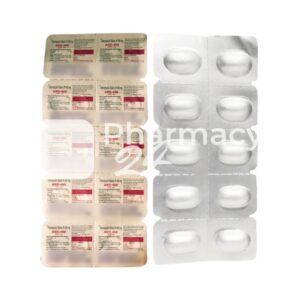
Blisters, small glass bottles and foil packs are all seen in different markets, so the pack on the shelf may look different even when the active ingredient is the same.
Contraindications And Special Precautions
Who needs extra care before taking albendazole?
The most important absolute contraindications are pregnancy, especially in the first trimester, active liver disease, and known hypersensitivity to albendazole or other benzimidazoles.
Breastfeeding, liver impairment, bone marrow suppression and ocular cysticercosis are all situations where clinicians weigh the risks carefully.
That is particularly important for working adults who want to know whether they can drive, go to work, or have a glass of wine.
Dizziness and headache can affect day-to-day functioning, so some people should avoid driving until they know how they respond.
Alcohol is not the main interaction problem, but it is sensible to limit it if liver function is being monitored.
- Pregnancy: avoid, especially in the first trimester.
- Active liver disease: do not use without specialist advice.
- Eye cysticercosis: parasite death can risk retinal damage.
- Breastfeeding: use caution and seek advice.
| Risk Group | Key Issue |
|---|---|
| Pregnancy | Teratogenicity risk |
| Liver impairment | Monitor liver function closely |
| Blood count problems | Rare pancytopenia risk |
Dosage Guidelines
How much albendazole is usually taken, and for how long?
For common intestinal worms, adults and children over 2 years are generally given 400 mg as a single dose.
For strongyloidiasis, taeniasis and hymenolepiasis, 400 mg once daily for 3 days is the usual pattern, with repeat treatment considered in hymenolepiasis if needed after 3 weeks.
Specialist conditions need weight-based dosing.
Neurocysticercosis and echinococcosis are treated at 15 mg/kg/day in two divided doses, with a maximum of 800 mg.
Those regimens can run for 8 to 30 days or in 28-day cycles, so they are not the sort of courses to start without proper medical supervision.
| Indication | Dose | Duration |
|---|---|---|
| Ascariasis, trichuriasis, hookworm, enterobiasis | 400 mg | Single dose |
| Strongyloidiasis, taeniasis | 400 mg | 3 days |
| Neurocysticercosis | 15 mg/kg/day, max 800 mg | 8 to 30 days |
| Echinococcosis | 15 mg/kg/day, max 800 mg | 28 days per course, repeated cycles |
Children under 2 years need clinician review because safety and efficacy are not established, and liver monitoring is sensible in older adults or anyone with hepatic impairment.
Interactions Overview
Do food and drink cause problems with albendazole?
There is no dramatic food interaction pattern to worry about in the way people sometimes expect.
The practical advice is still simple: take it exactly as prescribed, and check with a pharmacist if other medicines are being used at the same time.
Longer courses need more caution because liver-related monitoring becomes more relevant.
People treated for neurocysticercosis may also be prescribed corticosteroids and anti-epileptics, which means the medicine list can become more complex very quickly.
That is where Yellow Card-style thinking helps: look for anything that might affect the liver, the nervous system, or the overall treatment plan.
- Liver-impacting medicines: raise the need for monitoring.
- Anti-epileptics: common in neurocysticercosis treatment plans.
- Steroids: often prescribed alongside specialist treatment.
- Tea and coffee: not major interaction concerns.
- Alcohol: limit if liver tests are being followed.
Cultural Perceptions And Patient Habits In The United Kingdom
Worm treatment can feel awkward, and that shapes how people seek help.
Many UK patients prefer to ask a pharmacist first, often after searching NHS 111, Patient.info or a forum such as Mumsnet.
Parents commonly ask about child dosing, whether the whole family should be treated, and how to stop reinfection at home.
In pharmacy settings such as Boots, LloydsPharmacy and Superdrug, the main request is usually reassurance rather than a debate about the medicine itself.
People often want to know whether school attendance is fine, whether side effects are likely, and which hygiene measures are worth the effort.
That is especially true when embarrassment makes self-diagnosis more likely than a GP appointment.
- Common concerns: side effects, family treatment, reinfection, school attendance.
- Common behaviours: checking pharmacy advice before seeing a doctor.
- Common expectations: fast answers and practical hygiene guidance.
In practice, good counselling makes a big difference to whether the treatment is taken properly and whether the household feels back in control.
Availability And Pricing Patterns Across The United Kingdom
How easy is it to get albendazole in the UK?
Access usually comes through an NHS prescription or a private purchase route, with e-prescriptions now playing a bigger role for online pharmacies.
In our online pharmacy, albendazole is available without a prescription, with discreet delivery to United Kingdom in 5-14 days.
That matters for people who want convenience and privacy, especially when a same-day GP appointment is not realistic.
Stock can still vary depending on generic sourcing, supplier availability and whether a branch orders the item in.
Prescription charges and exemptions differ across England, Scotland, Wales and Northern Ireland, so the final cost depends on the nation and the patient’s entitlement.
| Nation | Usual Supply Route | Cost Pattern |
|---|---|---|
| England | NHS or private pharmacy | Prescription charge may apply |
| Scotland | NHS or private pharmacy | NHS prescriptions are exempt from charge |
| Wales | NHS or private pharmacy | NHS prescriptions are exempt from charge |
| Northern Ireland | NHS or private pharmacy | Local prescription rules apply |
Major chains such as Boots, LloydsPharmacy and Superdrug may stock it or order it in, but availability is still best checked before travel or a weekend order.
Comparable Medicines And Treatment Preferences
Albendazole is not the only worm medicine used in UK practice.
Clinicians may choose mebendazole, praziquantel or ivermectin depending on the parasite type, the patient’s age, pregnancy status and local availability.
That choice is usually about fit, not fashion.
| Medicine | Main Use | Practical Point |
|---|---|---|
| Albendazole | Broad-spectrum anthelmintic | Useful tissue penetration, but longer courses need monitoring |
| Mebendazole | Common intestinal worms | Often preferred for some routine infections |
| Praziquantel | Tapeworms and flukes | Better match for specific parasites |
| Ivermectin | Some helminths | Used selectively by infection type |
- Pros: broad spectrum, tissue penetration, familiar prescribing.
- Cons: liver monitoring for longer regimens, pregnancy restrictions.
That balance explains why albendazole is often chosen for confirmed parasitic disease, but not as a catch-all option.
Frequently Asked Questions
How quickly does albendazole work?For common intestinal worms, improvement often follows a single dose or short course, although symptoms may take a little longer to settle.
Do I need to treat the whole family?That depends on the infection and the household situation, but family treatment is often discussed when reinfection risk is high, especially with enterobiasis.
Can I buy it over the counter in the UK?It is prescription only in most human markets, so UK supply usually comes through a prescription, private pharmacy route or pharmacist-led support where appropriate.
What if I miss a dose?Take it as soon as you remember, unless it is nearly time for the next dose; in that case, skip the missed dose and do not double up.
Common side effects include nausea, headache and dizziness, so it is worth checking advice if the symptoms feel stronger than expected.
Guidelines For Proper Use
How should albendazole be taken safely?
Start by reading the patient leaflet and following the exact dose on the label or prescription.
If the course is longer than a single dose, do not stop early unless a clinician tells you to.
If symptoms continue, or if there is a fever, persistent vomiting, yellowing of the skin, severe abdominal pain or unusual bruising, seek medical advice promptly.
Store the medicine at 15 to 30°C, tightly closed, protected from light and moisture, and keep it in the original packaging when travelling.
Overdose is treated supportively, so immediate medical attention is needed if too much has been taken.
Any suspected reaction can be reported through the MHRA Yellow Card scheme, which remains the standard UK safety route.
NHS patient portals and digital records can also help when repeat treatment, blood tests or follow-up prescribing are needed.
- Take it exactly as prescribed.
- Do not double a missed dose.
- Seek help if side effects are worrying.
- Report suspected adverse reactions.
Safety data highlight: rare but serious reactions include pancytopenia and severe hepatic injury, which is why longer courses deserve monitoring.
Delivery Across United Kingdom
| City | Region | Delivery time |
|---|---|---|
| London | England | 5-7 days |
| Birmingham | England | 5-7 days |
| Manchester | England | 5-7 days |
| Leeds | England | 5-7 days |
| Liverpool | England | 5-7 days |
| Glasgow | Scotland | 5-7 days |
| Edinburgh | Scotland | 5-7 days |
| Aberdeen | Scotland | 5-9 days |
| Cardiff | Wales | 5-7 days |
| Swansea | Wales | 5-9 days |
| Belfast | Northern Ireland | 5-7 days |
| Newcastle upon Tyne | England | 5-7 days |
| Sheffield | England | 5-7 days |
| Leicester | England | 5-9 days |
| Inverness | Scotland | 5-9 days |