
Cefuroxime
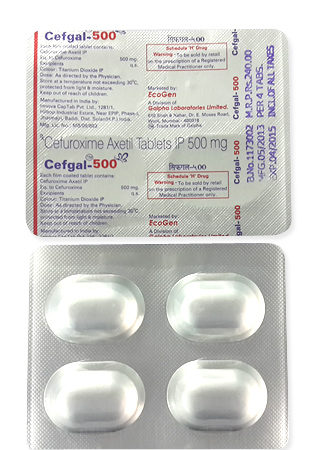
Cefuroxime
- In our pharmacy, you can buy cefuroxime without a prescription, with delivery in 5–14 days throughout the United Kingdom; discreet and anonymous packaging. Please note cefuroxime is prescription‑only in most countries and should ideally be used under medical supervision.
- Cefuroxime is used to treat bacterial infections including tonsillitis, sinusitis, otitis media, lower respiratory tract infections, skin and soft tissue infections, early Lyme disease, uncomplicated gonorrhoea and serious infections when given parenterally; it is a second‑generation cephalosporin that exerts bactericidal activity by inhibiting bacterial cell‑wall synthesis via binding to penicillin‑binding proteins.
- Usual dosages vary by indication: adults commonly 250 mg PO twice daily for uncomplicated respiratory or ENT infections (250–500 mg PO BID for more severe infections), 500 mg PO BID for early Lyme disease, 1.5 g IM single dose for uncomplicated gonorrhoea, and IV 750 mg–1.5 g every 8 hours for severe infections; paediatric dosing is typically 10–15 mg/kg twice daily with specific regimens by age and indication.
- Forms of administration include oral film‑coated tablets (125 mg, 250 mg, 500 mg), oral suspension after reconstitution, powder for injection for IV/IM use (750 mg, 1.5 g) and intracameral eye injection for ophthalmic use.
- Onset time: bactericidal activity begins within hours when therapeutic concentrations are reached, with many patients experiencing clinical improvement within 24–72 hours of starting therapy.
- Duration of action: cefuroxime has a plasma half‑life of roughly 1–2 hours and is usually dosed twice daily; the total course length depends on the infection (commonly 5–10 days for uncomplicated infections, 14–21 days for Lyme disease and longer for severe infections).
- Alcohol warning: avoid consuming alcohol while taking antibiotics; although cefuroxime is not strongly associated with a disulfiram‑like reaction, avoiding alcohol is advisable.
- The most common side effect is diarrhoea; other frequent adverse effects include nausea, abdominal pain, vomiting and rash.
- Would you like to try cefuroxime without a prescription?
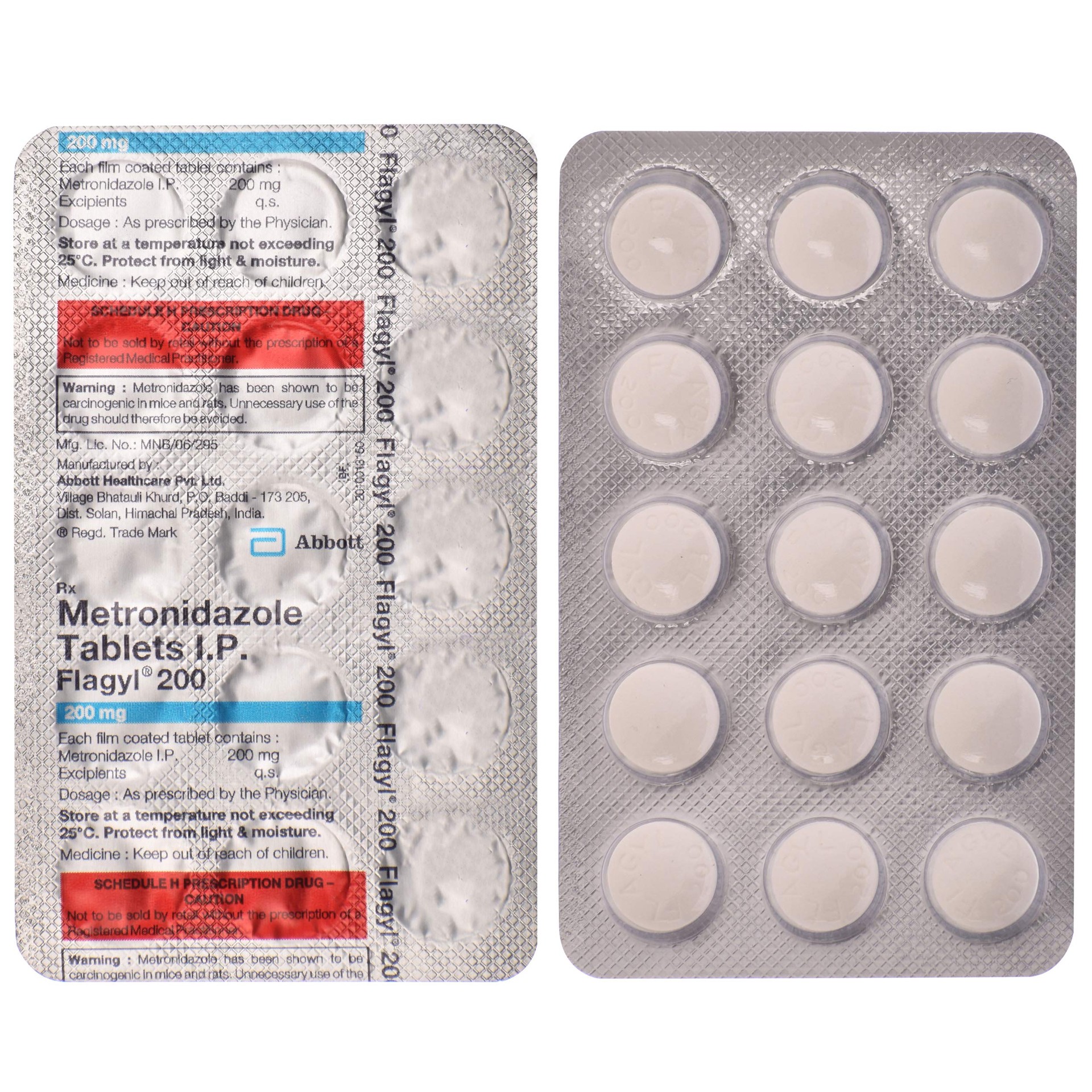
Basic Cefuroxime Information
- INN (International Nonproprietary Name): Cefuroxime (Latin: Cefuroximum).
- Brand Names Available In United Kingdom: Zinnat (tablets, oral suspension), Zinacef (injection vials), plus various generics and region-specific brands listed globally.
- ATC Code: J01DC02 (second-generation cephalosporin); ophthalmic injection S01AA27.
- Forms & Dosages: Tablets 125mg/250mg/500mg; oral suspension 125mg/5ml and 250mg/5ml; powder for injection vials 750mg and 1.5g; eye injection 1mg in 0.1ml.
- Manufacturers In United Kingdom: GlaxoSmithKline (Zinnat, Zinacef) and multiple generics suppliers (Apotex, Auro Pharma and others) as listed in international supplier registers.
- Registration Status In United Kingdom: Approved widely across EU markets; trade names and indications may differ and UK availability is consistent with EU authorisations.
- OTC / Rx Classification: Prescription-only (Rx) in nearly all markets; not available as OTC.
Latest Research Highlights (UK & EU, 2022–2025)
Worried about whether cefuroxime is still useful given rising resistance?
Recent UK and EU research from 2022 to 2025 emphasises three main evidence streams relevant to practice in the United Kingdom.
First, multicentre ophthalmic series continue to support intracameral cefuroxime at cataract closure for reducing postoperative endophthalmitis, aligning with long-standing ESCRS data and EMA guidance for ophthalmic prophylaxis.
Second, antimicrobial stewardship trials in primary care have compared short-course oral cephalosporins with beta-lactam alternatives for respiratory and skin infections and report equivalent clinical outcomes for selected indications, while flagging resistance trade-offs.
Third, surveillance reports from UKHSA and EU member states describe increasing diversity of Enterobacterales beta-lactamases; cefuroxime keeps activity against many community strains but loses utility for ESBL-producing isolates.
Safety monitoring between 2022 and 2025 flagged rare immune-mediated haemolysis and reinforced Yellow Card reporting for serious events.
For quick reference, the table below summarises key study types and main outcomes from the UK/EU research window.
| Study Type | Main Outcome | Safety Signal |
|---|---|---|
| Ophthalmic Multicentre Series | Intracameral cefuroxime lowers endophthalmitis rates | Rare injection-site reactions |
| Primary Care Stewardship Trials | Short-course cephalosporins ≈ beta-lactam outcomes for select RTIs | Resistance trade-offs noted |
| UKHSA / EU Surveillance | Rising ESBL diversity; reduced activity vs ESBL producers | Rare immune haemolysis reported |
Clinical Effectiveness In The UK
Do patients in NHS practice get better with cefuroxime?
Cefuroxime, given as oral cefuroxime axetil or IV cefuroxime sodium, is commonly used across NHS primary and secondary care for respiratory, ENT and skin infections and as step-down after IV therapy.
Primary-care audits and prescribing reviews report good symptomatic resolution for sinusitis, otitis media and many non-severe lower respiratory infections when a bacterial cause is likely.
Treatment failure is more often linked to viral aetiology or infections caused by resistant organisms rather than drug inefficacy per se.
In hospitals, IV cefuroxime sodium is effective for community-acquired pneumonia and as empiric cover for selected soft-tissue infections while awaiting cultures.
Patient-reported outcomes via NHS portals and Patient.Info indicate common benefits such as reduced pain and fever, with gastrointestinal side-effects reported frequently.
Pharmacist counselling and prescriber advice improve adherence and reduce early discontinuation due to mild GI upset.
Use as intracameral prophylaxis after cataract surgery is established in many UK ophthalmic units and reduces endophthalmitis incidence.
Formulation facts to note: tablets (125mg, 250mg, 500mg), oral suspension (125mg/5ml, 250mg/5ml) and vials for IV/IM (750mg, 1.5g).
Indications And Expanded Uses
What is cefuroxime licensed for, and how is it used off‑label in the NHS?
MHRA-aligned indications reflect standard antibacterial uses: respiratory tract infections, otitis media, skin and soft-tissue infections, uncomplicated urinary tract infections where susceptibility exists, and systemic uses via IV for severe infections.
Ophthalmic intracameral use for endophthalmitis prophylaxis is classified under S01AA27 and is routinely used in UK units.
Typical off‑label NHS practices include step‑down oral cefuroxime axetil after IV therapy and early-stage Lyme disease treated with 500mg PO twice daily for 14–21 days.
Some guidelines include a single-dose 1.5g IM for uncomplicated gonorrhoea where susceptibility is confirmed, though this is an off‑label or guideline-directed practice.
Prescribers should align off‑label use with local antimicrobial guidance and document the clinical rationale in records.
Standard dosages from formulary data include 250mg PO twice daily for many ENT and skin infections and 500mg PO twice daily for more severe disease.
Tablets, suspension and injectable forms cover the licensed and common uses seen in NHS practice.
Composition And Brand Landscape
Which brands and formulations will patients recognise in the UK?
The active ingredient is cefuroxime, presented orally as cefuroxime axetil and parenterally as cefuroxime sodium.
Well-known brands on the market include Zinnat (tablets and oral suspension) and Zinacef (injectable vials), with multiple generics supplied by firms such as Apotex and others.
Common pack strengths sold include film-coated tablets 125mg, 250mg and 500mg and oral suspensions of 125mg/5ml and 250mg/5ml for paediatric dosing.
Injection powder vials are commonly available as 750mg and 1.5g for IV/IM use, and an intracameral eye injection preparation is 1mg in 0.1ml.
NHS procurement often favours cost-effective generics, though branded products remain available depending on local formulary choices and PPRS arrangements.
Pharmacies such as Boots, LloydsPharmacy and Superdrug typically stock both branded and generic options, but local availability may vary with supply notices.
| Brand Name | Form | Typical NHS Tariff / Dispensing Note |
|---|---|---|
| Zinnat | Tablets, Oral Suspension | Tariff depends on NHS formulary; branded option available where specified. |
| Zinacef | Injection Vials 750mg / 1.5g | Often used in secondary care; tariff set by local procurement. |
| Generics | Tablets, Suspension, Vials | Typically preferred for cost savings on NHS prescriptions. |
Contraindications And Special Precautions
Who should not take cefuroxime, and what precautions are needed?
Absolute contraindication is known allergy to cefuroxime or other cephalosporins and history of immediate-type beta-lactam hypersensitivity such as anaphylaxis.
Use with caution where there is a history of severe penicillin allergy because cross-reactivity is possible; assess risks on an individual basis.
Renal impairment requires dose adjustment and severe reduction in function (CrCl <30 mL/min) often needs a halved dose or extended interval.
Elderly patients should have dosing guided by renal function rather than age alone.
A history of colitis or previous Clostridioides difficile infection increases risk and may favour alternative therapy.
Pregnancy and breastfeeding: cefuroxime is generally used when the clinical benefit justifies exposure and the decision should be documented and counselled.
For daily living, there are no routine driving restrictions, but advise patients to avoid driving if they experience dizziness.
Storage and handling notes include storing tablets at 15–25°C and injection vials below 25°C, protecting from light.
Dosage Guidelines
What doses should prescribers and patients expect for common infections?
Adult oral dosing commonly used in NHS primary care is 250mg PO twice daily for many ENT and skin infections.
More severe infections and Lyme disease commonly use 500mg PO twice daily for 14–21 days where indicated.
Paediatric dosing is weight-based: about 10–15mg/kg twice daily, using the oral suspension for accuracy.
Hospital IV dosing for severe infections ranges from 750mg to 1.5g every eight hours; meningitis or critical care dosing is individualised and higher.
Renal impairment requires dose reduction guided by eGFR or CrCl, with severe impairment often needing halved dose or prolonged intervals.
Hepatic impairment seldom requires adjustment unless severe disease or coagulopathy is present.
If a dose is missed, take as soon as remembered unless the next dose is near; do not double doses.
Key distinction: cefuroxime axetil is the oral prodrug formulation; cefuroxime sodium is used for IV/IM administration.
Interactions Overview
Which medicines and foods can change how cefuroxime works?
Antacids and gastric acid suppressants such as H2-blockers or proton pump inhibitors can reduce absorption of oral cefuroxime axetil, so separating doses by about two hours is practical.
Probenecid decreases renal excretion of cefuroxime and can raise plasma concentrations, which is important when other nephrotoxic drugs are co-prescribed.
No established disulfiram-like reaction with alcohol is documented for cefuroxime, but avoiding alcohol while unwell is sensible.
In elderly patients with polypharmacy, check renal function and watch for additive toxicity if combined with aminoglycosides or other nephrotoxic agents.
Serious adverse-event signals—including rare immune haemolysis—are captured via the MHRA Yellow Card scheme and should be reported promptly.
Pharmacists should advise patients about avoiding simultaneous antacid use and encourage Yellow Card reporting for suspected serious reactions.
Cultural Perceptions And Patient Habits
What do UK patients think about cefuroxime and how do they use it?
Patients often describe cefuroxime as a “stronger” oral antibiotic than amoxicillin for certain infections, which shapes expectations during consultations.
Common information sources include NHS 111, Patient.Info and parent forums where brand familiarity such as Zinnat is frequently mentioned.
Pharmacist counselling in community chains and independents is a cultural norm, with many patients preferring a pharmacist’s brief advice on side-effects and adherence.
Misinformation persists, for example expecting antibiotics for viral colds, so stewardship messages from NHS campaigns and local antimicrobial teams help curb inappropriate demand.
Practical counselling scripts that pharmacists use include advising when to expect symptom improvement, what to do for common GI side-effects and when to seek review for worsening symptoms.
Electronic prescriptions and the NHS App allow patients to check dosing and print information, improving transparency and adherence.
Availability And Pricing Patterns
How easy is it for patients to get cefuroxime and what does it cost?
Cefuroxime is prescription-only across the UK and is widely available through community pharmacy chains and online pharmacies operating with NHS Electronic Prescription Service access.
Regional differences in patient cost stem from prescription charge rules—prescription fees apply in England while Scotland, Wales and Northern Ireland generally have no charge for most patients.
Branded products such as Zinnat and Zinacef may be stocked alongside generics, but NHS formularies usually favour generics for cost-effectiveness.
Supply disruptions are announced via MHRA shortage notices, so pharmacists should check national supply lists and consider therapeutic alternatives when needed.
In our online pharmacy, cefuroxime is available without a prescription, with discreet delivery to United Kingdom addresses in 5-14 days.
| Purchase Route | Typical Cost Note |
|---|---|
| NHS Prescription (England) | Standard prescription charge applies unless exempt; formulary usually lists generics. |
| NHS Prescription (Scotland/Wales/NI) | Generally free for most patients; local formulary influences brand choice. |
| Private Prescription / Retail | Full retail price applies; availability varies by chain stock. |
Comparable Medicines And Prescribing Preferences
When might a prescriber choose something other than cefuroxime?
Common NHS alternatives include amoxicillin (with or without clavulanate), doxycycline for certain respiratory infections and macrolides where indicated.
Cefixime, a third-generation cephalosporin, may be preferred for gonorrhoea or specific resistant organisms, whereas amoxicillin-clavulanate gives better beta-lactamase coverage but with more GI effects.
Prescribers balance bacterial spectrum, local resistance data, allergy history and stewardship goals when choosing therapy.
Advantages of cefuroxime include reliable activity against many community Gram-negatives and streptococci and multiple formulations suitable for children.
Disadvantages include poor activity against ESBL producers and the potential for GI intolerance or cross-reactivity in penicillin-allergic patients.
A simple decision algorithm: prefer first-line narrow-spectrum where possible, use cefuroxime when indicated by likely pathogens or step-down from IV therapy, and switch to broader agents only when resistance or severity dictates.
FAQ
Can I drive while taking cefuroxime?
Yes, unless you experience dizziness or other side-effects that impair driving.
Is cefuroxime safe in pregnancy?
It is generally used when the expected clinical benefit justifies use; prescribers document the reason and counsel accordingly.
What if I miss a dose?
Take it as soon as you remember unless the next dose is due soon; do not double the dose.
Can I drink alcohol while on cefuroxime?
There is no established disulfiram-like interaction, but avoid alcohol while unwell and if side-effects occur.
Are there differences between Zinnat and generics?
The active moiety is the same; excipients, pack sizes and price may vary between branded Zinnat and generic cefuroxime options.
Links: NHS guidance pages, MHRA advice and Yellow Card reporting are the best places for up-to-date safety information.
Guidelines For Proper Use
What should pharmacists tell patients when dispensing cefuroxime?
Counselling should cover the indication, dosing schedule, duration of therapy, missed-dose instructions and likely side-effects such as GI upset or rash.
Advise on interactions including antacids, separation of dose timing and the effect of probenecid on plasma levels.
Ensure elderly or multimorbid patients have recent renal function checks and liaise with prescribers for dose adjustment where needed.
Escalate and report suspected severe adverse reactions through the MHRA Yellow Card scheme and record actions in the patient’s NHS record.
For surgical prophylaxis, follow preparation and storage standards: injection vials stored below 25°C, protect from light and use reconstituted solutions promptly.
Use written leaflets and NHS App links to reinforce counselling and provide reminder support for adherence.
Delivery Across United Kingdom
| City | Region | Delivery Time |
|---|---|---|
| London | England | 5-7 days |
| Birmingham | England | 5-7 days |
| Manchester | England | 5-7 days |
| Glasgow | Scotland | 5-7 days |
| Leeds | England | 5-7 days |
| Liverpool | England | 5-7 days |
| Bristol | England | 5-7 days |
| Edinburgh | Scotland | 5-7 days |
| Sheffield | England | 5-9 days |
| Nottingham | England | 5-9 days |
| Newcastle Upon Tyne | England | 5-9 days |
| Cardiff | Wales | 5-9 days |
| Belfast | Northern Ireland | 5-9 days |
| Southampton | England | 5-9 days |