
Antibacterial
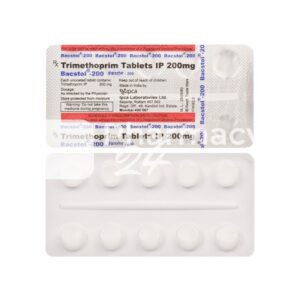
Bactrim
from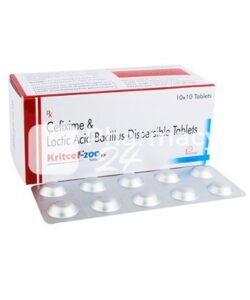
Cefixime
from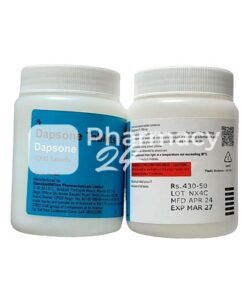
Dapsone
from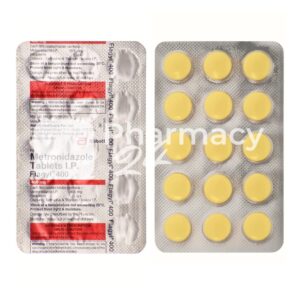
Flagyl
from
Levofloxacin
from
Metronidazole
from
Rifaximin
from
Suprax
from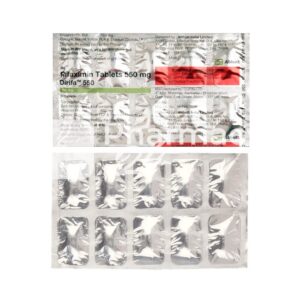
Xifaxanta
fromUnderstanding Antibacterial Products
Antibacterial products are specially formulated treatments designed to eliminate or inhibit the growth of bacteria on the skin and in the body. These preparations work by disrupting bacterial cell walls or interfering with their metabolic processes, making them essential in both medical and personal care settings. Antibacterial medications serve a crucial role in preventing infections, treating existing bacterial conditions, and supporting overall hygiene practices.
In the United Kingdom, antibacterial products are available in various forms, including creams, ointments, tablets, and solutions, each designed for specific applications and bacterial infections. Understanding how these products work and when to use them is vital for effective treatment and preventing antibiotic resistance. Many antibacterial preparations are available both on prescription and over-the-counter, giving patients flexible options for managing bacterial infections at different severity levels.
Topical Antibacterial Treatments
Topical antibacterial products are applied directly to the skin or affected areas and are among the most commonly used antibacterial treatments in the UK. These include creams, ointments, and gels that contain active antibacterial agents such as neomycin, bacitracin, or mupirocin. Topical treatments are particularly effective for minor cuts, wounds, burns, and skin infections where direct application to the affected area is possible.
Popular products available in British pharmacies include Savlon antiseptic cream, which provides broad-spectrum protection against bacteria, and various branded hydrocortisone and antibiotic combinations. Framycetin cream and ointment are commonly prescribed for minor infections and inflammatory skin conditions. These treatments are ideal for preventing infection in minor injuries and treating localised bacterial skin conditions without systemic effects. Application is straightforward, with most products requiring two to three applications daily until the condition improves. Topical antibacterials are generally safe for most people, though some individuals may experience mild skin irritation or allergic reactions to specific ingredients.
Oral Antibacterial Medications
Oral antibacterial medications are taken by mouth and are used to treat systemic bacterial infections affecting various parts of the body. Common antibiotics available in the UK include amoxicillin, which treats respiratory tract infections, ear infections, and urinary tract infections, and penicillin-based alternatives for patients with specific allergies. Trimethoprim is another widely prescribed oral antibacterial used particularly for urinary tract infections and respiratory infections.
Fluoroquinolones such as ciprofloxacin are prescribed for more serious infections, including certain gastrointestinal and respiratory conditions. Azithromycin is frequently used for chest infections and certain skin infections, providing convenient dosing schedules. Oral antibacterials require prescription from a healthcare professional in most cases, ensuring appropriate use and dosage tailored to individual patient needs and the specific infection type. These medications work systemically throughout the body, making them suitable for infections that cannot be treated effectively with topical applications alone.
Course duration typically ranges from five to fourteen days, depending on the infection type and severity. It is essential to complete the full prescribed course even if symptoms improve earlier, as this prevents bacterial resistance and ensures complete infection clearance.
Antibacterial Washes and Solutions
Antibacterial washes and solutions are liquid formulations used for cleansing and disinfecting skin and wounds. These products contain active antibacterial agents such as chlorhexidine gluconate or povidone-iodine, which provide rapid antimicrobial action. Popular options in UK pharmacies include Hibiscrub, a chlorhexidine-based solution used for pre-operative skin cleansing and wound irrigation, and various iodine-based solutions for general wound care.
These washes are particularly useful for maintaining hygiene in healthcare settings, preparing skin before medical procedures, and treating minor infections. Antibacterial hand washes and body washes are also available for daily use, though regular soap and water remain effective for routine hygiene. Specific wound irrigation solutions help remove debris and reduce bacterial load in minor cuts and grazes. Many solutions are suitable for sensitive skin when properly diluted, though concentrated formulations should be used as directed. These products offer quick-acting protection and are often recommended for environmental cleaning as well as personal use. They are generally suitable for regular use, though prolonged application of strong formulations may cause skin irritation in sensitive individuals.
Specialised Antibacterial Treatments
Specialised antibacterial treatments address specific conditions or resistant infections requiring targeted approaches. These include products for acne-prone skin, such as benzoyl peroxide or clindamycin solutions, which reduce bacterial colonisation and prevent breakouts. For specific infections like impetigo, mupirocin ointment remains the gold standard treatment available through UK prescriptions.
Antibiotic eye drops and ear drops containing antibacterial agents treat localised infections in these sensitive areas, with products like chloramphenicol eye drops available from pharmacies. Metronidazole preparations treat anaerobic bacterial infections and certain skin conditions like rosacea. Specialist antibacterial powders and sprays assist in preventing infection in areas prone to moisture and friction. Vaginal antibacterial preparations address specific bacterial infections, requiring careful selection to maintain beneficial flora.
These specialised treatments often require professional guidance to ensure appropriate use and to monitor for effectiveness. Selection depends on the specific infection type, location, and individual patient factors including allergies and other medications. Many specialised products work best as part of a comprehensive treatment plan involving lifestyle modifications and hygiene improvements.
Safe Use and Important Considerations
Safe and responsible use of antibacterial products is crucial for maintaining their effectiveness and preventing antibiotic resistance, a significant concern in modern medicine. Always follow prescribed dosages and course durations exactly as directed, never stopping treatment early or sharing medications with others. Inform healthcare providers about allergies, existing conditions, and current medications before starting any antibacterial treatment.
Store products according to instructions, typically in cool, dry places away from direct sunlight, and check expiration dates before use. Be aware of potential side effects, which may include allergic reactions, gastrointestinal upset with oral medications, or skin irritation with topical applications. If side effects develop, contact your GP or pharmacist rather than discontinuing treatment independently.
Overuse of antibacterial products, particularly broad-spectrum options, can disrupt beneficial bacteria and contribute to resistance development. For minor infections, basic wound care with soap, water, and simple dressings may be sufficient without antibacterial medications. Pregnant or breastfeeding women should consult healthcare providers before using any antibacterial product.
Important safety guidelines for antibacterial use include:
- Complete the full prescribed course even if symptoms improve
- Never share antibacterial medications with others
- Store products away from direct sunlight in cool, dry conditions
- Check expiration dates before application
- Inform your healthcare provider of all allergies and existing medications
- Use only as directed on the packaging or prescription label
- Seek medical advice if side effects develop
Regular use of antibacterial washes in everyday life is unnecessary and may contribute to resistance; reserve antibacterial products for genuine infections or professional recommendations. Pharmacists in British pharmacies provide valuable guidance on selecting appropriate products and can often recommend treatments without prescriptions for minor conditions.