
Rabeprazole
Rabeprazole
- In our pharmacy, you can buy rabeprazole without a prescription, with delivery in 5–14 days throughout the United Kingdom. Discreet and anonymous packaging.
- Rabeprazole is used to treat acid-related disorders such as gastro-oesophageal reflux disease (GERD), duodenal and gastric ulcers, Zollinger–Ellison syndrome and as part of H. pylori eradication regimens; it is a proton pump inhibitor (PPI) prodrug that is activated in gastric parietal cells and irreversibly inhibits the H+/K+ ATPase (proton pump) to reduce stomach acid production.
- The usual dose of rabeprazole is 20 mg once daily for most indications; for H. pylori eradication 20 mg twice daily with antibiotics for 7–14 days; Zollinger–Ellison often starts at 60 mg daily and is titrated to effect.
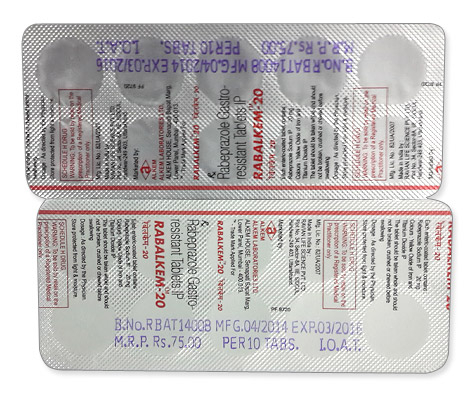
- The form of administration is oral, typically enteric-coated tablets (commonly 10 mg and 20 mg); granules or suspensions are available in some markets for paediatric use.
- The effect on acid secretion begins within about 1 hour, with symptomatic relief often noticeable within a few days; rabeprazole is noted for a relatively fast onset among PPIs.
- The duration of action is approximately 24 hours with once-daily dosing providing sustained acid suppression; longer-term treatment duration depends on the condition being treated.
- Alcohol warning: there is no specific contraindication with moderate alcohol intake, but avoid excessive alcohol as it can worsen gastric symptoms and reduce treatment benefit.
- The most common side effect is diarrhoea; other frequent adverse effects include headache, abdominal pain, nausea, constipation and rash; rare but serious reactions can include hepatic dysfunction, Stevens–Johnson syndrome and blood dyscrasias.
- Would you like to try rabeprazole without a prescription?

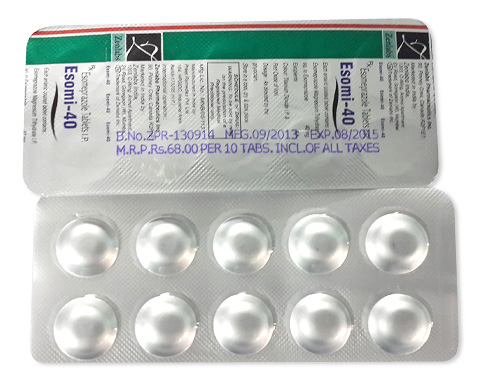
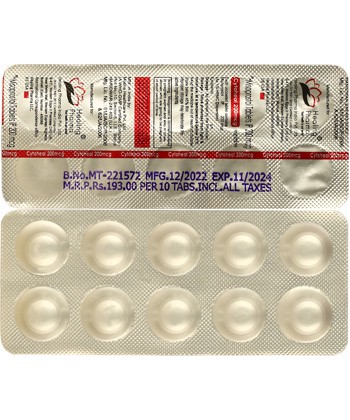
Basic Rabeprazole Information
- INN (International Nonproprietary Name): Rabeprazole.
- Brand Names Available In United Kingdom: Pariet, Rabecid (EU/UK listing in global brand table).
- ATC Code: A02BC04 — Proton pump inhibitors, rabeprazole (monotherapy). A02BD12/13 for H. pylori combinations.
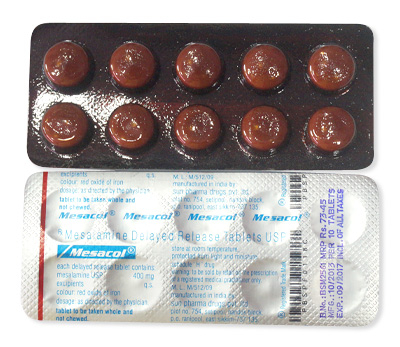
- Forms & Dosages: Enteric-coated tablets 10 mg and 20 mg are the most common forms. Granules/suspensions are rare and available in select markets for paediatric use. Co-packaged kits for H. pylori eradication exist in some regions but are not commonly supplied as single kits in the UK.
- Manufacturers In United Kingdom: not specified in the provided data. (EU/Global manufacturers include Eisai, Janssen, Dr. Reddy’s, Sun Pharma, Sandoz, Torrent, Hikma, Mylan, Accord, Teva, STADA.)
- Registration Status In United Kingdom: not specified in the provided data. Rabeprazole is authorised across EU member states and marketed in the EU/UK region as Pariet/Rabecid in global listings.
- OTC / Rx Classification: Prescription only (Rx) in nearly all regulatory agencies due to PPI class safety considerations.
Latest Research Highlights (UK & EU Focus)
Worried about whether rabeprazole is still a sensible choice amid recent studies?
European meta-analyses and cohort studies from 2022–2025 focus on comparative effectiveness of PPIs and safety of long-term use.
Several trials and analyses reinforce rabeprazole’s faster onset of acid suppression compared with older PPIs, which may translate into earlier symptom relief for some patients.
Rabeprazole shows a relatively low propensity for CYP-mediated drug interactions, making it attractive in patients on multiple medicines.
Pharmacovigilance signals from national agencies in Europe emphasise rare but serious events such as hypomagnesaemia and increased risk of Clostridioides difficile infection with prolonged PPI exposure.
MHRA Yellow Card reporting mirrors EMA trends and additionally notes sporadic hepatic events and dermatologic reactions.
H. pylori eradication trials conducted at European centres continue to include rabeprazole in triple or quadruple regimens and report improved eradication when antibiotics align with local resistance patterns.
NHS cost-effectiveness work from 2023–2024 tends to favour generic rabeprazole for uncomplicated GORD while recommending stewardship to prevent unnecessary long-term prescribing.
Quick Reference: standard adult dose for GORD is 20 mg once daily (ATC A02BC04; Pariet/Rabecid are common brand references).
Clinical Effectiveness In The UK
Can rabeprazole deliver faster relief for heartburn in a real NHS setting?
Primary care audits across NHS practices show that rabeprazole — prescribed as Pariet or generic rabeprazole tablets — achieves symptomatic remission for many within 1–2 weeks.
Healing rates over 4–8 weeks are comparable to other PPIs such as omeprazole and esomeprazole in routine NHS care.
Some clinicians prefer rabeprazole where a quicker onset or a lower interaction profile is clinically useful, for example in elderly multimorbid patients on multiple medicines.
Relapse after stopping treatment is common and NHS guidance promotes step-down approaches, including on-demand use or the lowest effective maintenance dose.
For H. pylori eradication in UK trials, rabeprazole 20 mg twice daily incorporated into triple therapy for 7–14 days performs well when antibiotics are chosen according to local resistance.
Real-world safety recorded in NHS registries reflects class-wide PPI signals and prompts routine monitoring for long-term users, particularly older adults and those on diuretics.
Patient‑Reported Outcomes: many report earlier reduction in heartburn and regurgitation with rabeprazole tablets compared with historical experience on older PPIs.
Indications And Expanded Uses
Unsure what conditions rabeprazole is routinely used for under MHRA and NHS practice?
MHRA-aligned indications for rabeprazole follow EMA guidance and include treatment of GORD, peptic ulcer disease and duodenal ulcer healing.
Standard NHS dosing: 20 mg once daily for GORD for 4–8 weeks and 20 mg once daily for duodenal ulcer for about 4 weeks.
High-dose, individualised therapy is used for Zollinger–Ellison syndrome, with starting regimens commonly around 60 mg daily and titrated to control acid hypersecretion.
In NHS and specialist practice, off-label or short-term uses include managing severe dyspepsia while awaiting H. pylori testing and inclusion in first-line triple therapy for H. pylori at 20 mg twice daily with two antibiotics for 7–14 days.
Paediatric use is limited and typically specialist-led; most primary care prescribers avoid giving rabeprazole to children under 12 years without specialist advice.
Prescriber Checklist: confirm indication, consider H. pylori testing before long courses, avoid routine paediatric prescribing without specialist guidance, and document intended duration.
Composition And Brand Landscape
Curious which brands and formats of rabeprazole you will see in UK practice?
Rabeprazole is the INN and is a substituted benzimidazole prodrug activated in the acidic microenvironment of gastric parietal cells.
In the UK/EU the originator brand Pariet and brands such as Rabecid appear in listings, while many generics are supplied by manufacturers like Sandoz, Teva and Accord.
Common packaging includes enteric-coated tablets in 10 mg and 20 mg strengths in foil blister packs to protect from moisture.
Some international markets offer co‑formulated H. pylori kits, but in the UK these antibiotics are typically prescribed separately to support antimicrobial stewardship.
Major community pharmacy chains and independents supply branded and generic rabeprazole tablets and provide patient information leaflets and counselling on administration.
Buying Notes: packaging should show ATC A02BC04 and clear dosing instructions such as 20 mg once daily for GORD.
Contraindications And Special Precautions
What should worry prescribers and patients when starting rabeprazole?
The absolute contraindication is known hypersensitivity to rabeprazole or substituted benzimidazoles.
Relative cautions include severe hepatic impairment where dose reduction and monitoring are advised, and pregnancy or breastfeeding where use is restricted unless benefit outweighs risk.
Long-term PPI risks to be aware of include hypomagnesaemia, possible vitamin B12 deficiency, increased fracture risk and higher susceptibility to GI infections such as C. difficile.
Elderly patients require careful medication review because of polypharmacy and comorbidity.
Concurrent use with drugs that require an acidic stomach for absorption (some azole antifungals, certain antiretrovirals and iron salts) should prompt alternative strategies or monitoring.
Yellow Card Signals: MHRA reports include sporadic hepatic events and dermatologic reactions; report suspected adverse reactions using the Yellow Card scheme.
Dosage Guidelines
How should rabeprazole be dosed in everyday NHS practice and special groups?
Standard adult dosing for GORD and duodenal ulcer is 20 mg once daily for 4–8 weeks (duodenal ulcer often 4 weeks).
For H. pylori eradication use rabeprazole 20 mg twice daily with two antibiotics for 7–14 days as part of triple therapy.
Zollinger–Ellison syndrome requires individualised high-dose therapy, often starting at 60 mg daily and titrated in divided doses with monitoring.
Elderly patients usually do not need routine adjustment, but watch for adverse effects and interactions.
Renal impairment does not usually require dose change for mild–moderate disease; use caution in severe renal dysfunction due to limited data.
Severe hepatic impairment may require dose reduction and closer monitoring for increased exposure.
Missed Dose Advice: take when remembered unless it is near the next dose; do not double up.
Interactions Overview
Worried about which common medicines or foods clash with rabeprazole?
Rabeprazole has a relatively low CYP interaction profile compared with some other PPIs, which reduces but does not eliminate interaction risk.
Reduced gastric acidity can impair the absorption of drugs needing an acidic environment, such as certain azole antifungals, some antiretrovirals and oral iron salts.
Concomitant use with clopidogrel appears less problematic than with omeprazole, but prescribers should still review therapy case by case.
Alcohol and everyday drinks like tea or coffee do not produce pharmacological interactions, but alcohol can worsen reflux and reduce symptomatic benefit.
MHRA Yellow Card reports and UK clinical guidance highlight combined risk of hypomagnesaemia when PPIs are used with loop or thiazide diuretics; periodic electrolyte monitoring is advised for long-term users.
Interaction Checklist: review azole antifungals, antiretrovirals, clopidogrel, iron supplements and diuretics before initiating rabeprazole.
Cultural Perceptions And Patient Habits
What do UK patients usually expect when prescribed rabeprazole?
Many UK patients view PPIs as effective quick fixes and expect relatively rapid relief for heartburn symptoms.
Online forums and NHS patient feedback emphasise trust in pharmacist counselling and a preference for clinician-led prescriptions via a GP or the electronic prescription service.
Community pharmacists commonly advise OTC antacids first, which delays when a prescription for rabeprazole might be introduced.
Awareness of long-term PPI risks has increased and patients frequently ask for step-down or deprescribing support during NHS medication reviews.
Use of online pharmacies and EPS for repeat prescriptions is growing, and many patients value home delivery with discreet packaging.
Pharmacist Counselling Prompts: ask about symptom timing, OTC use, previous PPI response, current medicines and desire to step down treatment.
Availability And Pricing Patterns
Where can patients in the UK obtain rabeprazole and what does it cost?
Rabeprazole is prescription-only in standard regulatory listings but is widely available as Pariet or generics through Boots, LloydsPharmacy, Superdrug and independent pharmacies.
On NHS prescription forms the standard charge applies in England unless the patient is exempt; Scotland, Wales and Northern Ireland do not levy routine prescription charges, which affects private buying behaviour.
Generic rabeprazole tends to be cost-effective on NHS formularies, while private prices vary across pharmacies and online suppliers.
Stock is typically offered in 10 mg and 20 mg blister packs; co-packed H. pylori kits are uncommon and antibiotics are supplied separately for stewardship.
In our online pharmacy, rabeprazole is available without a prescription, with discreet delivery to United Kingdom in 5-14 days.
Sourcing Checklist: choose an MHRA-registered supplier, check packaging for ATC A02BC04 and confirm dosing instructions before ordering.
Comparable Medicines And Prescribing Preferences
How does rabeprazole stack up against other PPIs commonly used on the NHS?
NHS prescribers routinely consider omeprazole, esomeprazole, lansoprazole, pantoprazole and rabeprazole when selecting a PPI.
Rabeprazole’s advantages include a faster onset of acid suppression and fewer CYP interactions, which is helpful for patients on multiple medicines.
Drawbacks include less historical prescribing familiarity compared with omeprazole and a similar long-term risk profile shared across the PPI class.
Practical NHS decision points include indication, previous PPI response, concomitant medications, hepatic function, local formulary status and patient preference.
For H. pylori therapy, evidence indicates that the antibiotic selection and local resistance are more important than which PPI is used.
Quick Comparison Table (summary): onset—rabeprazole often faster; interaction potential—lower than omeprazole; common indications—GORD, ulcers, H. pylori regimens.
Frequently Asked Questions
How quickly will rabeprazole relieve my heartburn?
Many patients notice improvement in symptoms within a few days, and full healing for GORD generally takes 4–8 weeks with the standard 20 mg once daily regimen.
Can I stop rabeprazole suddenly?
Short courses are usually safe to stop abruptly, but long-term users should consider tapering or a step-down plan to avoid rebound acid hypersecretion; discuss a plan with your GP or pharmacist.
Are there safety tests needed while I take rabeprazole?
Baseline tests are not routine for short courses, but long-term treatment may prompt monitoring of magnesium, vitamin B12 and bone health, particularly in elderly patients or those on interacting drugs.
Can I drive or drink alcohol while taking rabeprazole?
Minor central nervous system effects such as dizziness or headache can occur; avoid driving if affected and note that alcohol may worsen reflux symptoms even though it does not interact directly with rabeprazole.
When To Contact GP Or Pharmacy:
- New or worsening abdominal pain, vomiting or signs of GI bleeding.
- Severe rash, jaundice or unexplained neurologic symptoms.
- Symptoms not improving after the recommended treatment course.
Guidelines For Proper Use
What should a pharmacist say when counselling a patient starting rabeprazole?
Explain dosing clearly, including that enteric-coated tablets should be swallowed whole and are usually taken once daily at the recommended dose.
Advise patients to take the tablet before meals if directed and to complete the prescribed duration, typically 4–8 weeks for GORD.
Warn about possible side effects such as headache, diarrhoea and dizziness and instruct patients to report persistent or severe adverse effects.
Encourage patients not to increase the dose themselves and to discuss symptom recurrence or desire to stop therapy during an NHS medication review.
Use the Summary Care Record to check for interactions, document advice given and, when needed, refer patients to GP or gastroenterology for alarm features like weight loss or dysphagia.
Pharmacist Counselling Checklist: indication, dose/timing, duration, missed-dose advice, side-effect recognition, when to seek urgent advice.
Delivery Across United Kingdom
| City | Region | Delivery Time |
|---|---|---|
| London | Greater London | 5-7 days |
| Birmingham | West Midlands | 5-7 days |
| Manchester | Greater Manchester | 5-7 days |
| Glasgow | Scotland | 5-7 days |
| Leeds | West Yorkshire | 5-7 days |
| Liverpool | Merseyside | 5-7 days |
| Bristol | South West England | 5-7 days |
| Newcastle | North East England | 5-9 days |
| Sheffield | South Yorkshire | 5-9 days |
| Nottingham | Nottinghamshire | 5-9 days |
| Brighton | East Sussex | 5-9 days |
| Plymouth | Devon | 5-9 days |
| Norwich | Norfolk | 5-9 days |
| Swansea | Wales | 5-9 days |