
Gastrointestinal Tract
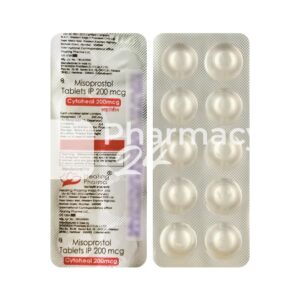
Cytotec
from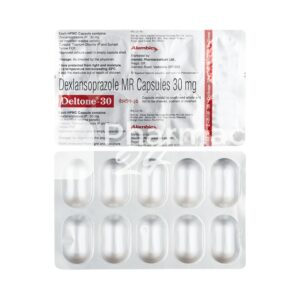
Dexilant
from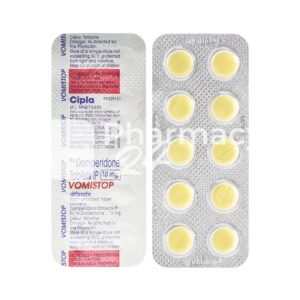
Domperidone
from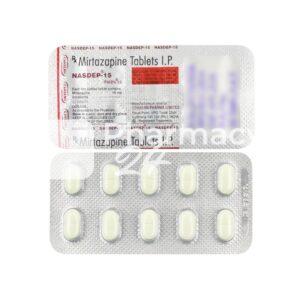
Mirtazapine
from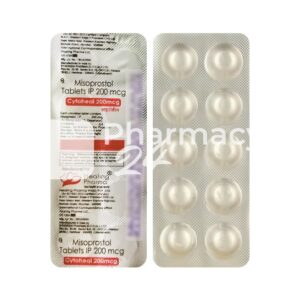
Misoprostol
from
Motilium
from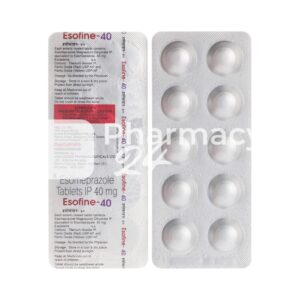
Nexium
fromAcid Reflux and Heartburn Relief
Acid reflux occurs when stomach acid flows back into the oesophagus, causing discomfort and a burning sensation. This common condition affects millions of people in the UK and can be triggered by certain foods, lifestyle habits, or medical conditions. Managing acid reflux is essential for maintaining digestive comfort and preventing long-term complications.
Common medications available in the UK
Several effective treatments are readily available to help manage acid reflux symptoms. Omeprazole is a proton pump inhibitor that reduces stomach acid production and is widely available over the counter. Lansoprazole works similarly and is often prescribed for more severe cases. Ranitidine alternatives like famotidine provide H2 receptor blocking action for those seeking different treatment options. Antacids such as Gaviscon and Tums provide quick relief by neutralising stomach acid immediately. Alginates create a protective barrier on the stomach lining, offering longer-lasting comfort.
Managing symptoms effectively
Lifestyle changes complement medication well. Elevating your head whilst sleeping, avoiding trigger foods, and eating smaller meals throughout the day can significantly improve symptoms. Most people find relief within days of starting treatment, though chronic cases may require ongoing management.
—
Constipation and Digestive Movement
Constipation affects a substantial portion of the UK population, particularly older adults and those with sedentary lifestyles. This condition involves infrequent bowel movements or difficulty passing stools, leading to discomfort and bloating. Effective treatment combines medication with dietary and lifestyle modifications to restore regular digestive function.
Available treatments in the UK market
Several proven remedies can help alleviate constipation symptoms:
- Docusate sodium stool softeners help make stools easier to pass without stimulating bowel movements
- Senna and sennosides are natural stimulant laxatives that encourage bowel contractions
- Lactulose is an osmotic laxative that draws water into the intestines, softening stools naturally
- Polyethylene glycol products like MoviPrep work through osmotic action and are particularly effective for stubborn constipation
- Bisacodyl tablets provide rapid relief, usually within six to twelve hours
Supporting long-term digestive health
Increasing fibre intake through whole grains, fruits, and vegetables should be the first step in managing constipation. Drinking adequate water throughout the day is crucial for softening stools. Physical activity and establishing regular toilet routines also play important roles in maintaining healthy bowel function. Most laxatives should not be used long-term without medical advice.
—
Diarrhoea and Stomach Upsets
Diarrhoea can result from infections, food intolerances, medications, or inflammatory conditions. Whether acute or chronic, this condition causes frequent loose stools and can lead to dehydration if not managed properly. Quick and effective treatment helps restore normal digestive function and prevents complications.
Popular UK medications
Several medications are commonly used to treat diarrhoea and restore digestive balance. Loperamide is an antidiarrhoeal agent that reduces intestinal movement and is available as Imodium. Bismuth subsalicylate helps reduce inflammation whilst decreasing stool frequency. Racecadotril protects the intestinal lining and is particularly useful in viral gastroenteritis. Electrolyte replacement solutions like Dioralyte help restore essential minerals lost during diarrhoea episodes. Probiotics containing beneficial bacteria support gut flora recovery after infections.
Dietary and hydration strategies
During diarrhoea, consuming clear broths, bland foods, and hydrating beverages is essential. Avoiding dairy, fatty foods, and high-fibre products temporarily can prevent further irritation. Most acute diarrhoea resolves within a few days, but persistent cases should be evaluated by healthcare professionals to rule out serious underlying conditions.
—
Indigestion and Bloating
Indigestion encompasses various symptoms including stomach discomfort, heaviness, and bloating after eating. This prevalent condition often relates to eating habits, food choices, or underlying digestive issues. Targeted treatment can quickly alleviate symptoms and improve meal enjoyment.
Medications commonly used in the UK
Multiple treatment options are available to address indigestion and bloating. Antacids like calcium carbonate and sodium bicarbonate neutralise stomach acid immediately. Simethicone reduces gas bubbles in the stomach and intestines, relieving bloating and flatulence. Mebeverine is an antispasmodic that helps relieve stomach cramps and discomfort. Peppermint oil capsules can ease digestive symptoms naturally and improve overall comfort. Enzyme supplements containing amylase, lipase, and protease help break down food more effectively.
Practical lifestyle improvements
Eating slowly and chewing food thoroughly aids digestion significantly. Limiting carbonated drinks and eating smaller, more frequent meals prevents excessive bloating. Stress reduction techniques like deep breathing or meditation can improve digestion, as stress directly affects stomach function. Avoiding eating just before bedtime allows adequate time for digestion before lying down.
—
Irritable Bowel Syndrome Management
Irritable Bowel Syndrome (IBS) is a chronic condition affecting the large intestine, characterised by abdominal pain, cramping, diarrhoea, or constipation. This functional disorder impacts quality of life significantly but responds well to targeted treatment approaches. Managing IBS requires both medication and lifestyle modifications tailored to individual symptoms.
Treatment options available in the UK
Various treatment strategies help manage IBS effectively. Antispasmodic medications like dicyclomine and hyoscyamine reduce intestinal muscle contractions and cramping. Antidiarrhoeal agents help those experiencing diarrhoea-predominant IBS symptoms. Bulk-forming laxatives assist those with constipation-predominant IBS. Tricyclic antidepressants in low doses reduce pain and improve bowel function. Specific IBS medications like linaclotide and lubiprostone target symptom mechanisms directly.
Personalised management strategies
Identifying food triggers through dietary tracking helps personalise treatment approaches. Low FODMAP diets have shown particular promise for IBS sufferers in the UK. Regular exercise, adequate sleep, and stress management significantly impact symptom severity. Healthcare professionals often recommend keeping symptom diaries to identify patterns and effective treatments.
—
Nausea and Digestive Support
Nausea can arise from various causes including motion sickness, medication side effects, pregnancy, or underlying gastrointestinal conditions. This unpleasant sensation often accompanies other digestive symptoms and requires targeted treatment. Effective management allows people to maintain normal activities and nutritional intake.
Available medications and remedies in the UK
Several effective options are available for managing nausea symptoms:
- Cyclizine and cinnarizine are antihistamines effective against motion-related nausea
- Metoclopramide works by improving stomach muscle contractions and emptying
- Granisetron and ondansetron are serotonin antagonists particularly useful for chemotherapy-related or post-operative nausea
- Ginger supplements offer natural relief and are widely available without prescription
- Peppermint tea provides gentle support for general digestive comfort and nausea relief
Supporting recovery and comfort
Simple dietary adjustments like eating bland, easy-to-digest foods help manage nausea. Avoiding strong smells and ensuring adequate fresh air circulation reduces symptoms. Acupressure wristbands provide drug-free relief for some people experiencing nausea. Staying hydrated with small sips of water or electrolyte solutions prevents dehydration whilst supporting recovery.