Domperidone
In brief
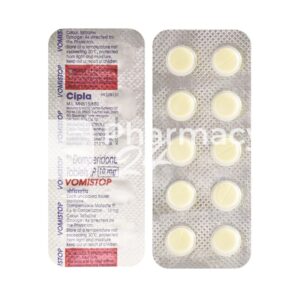
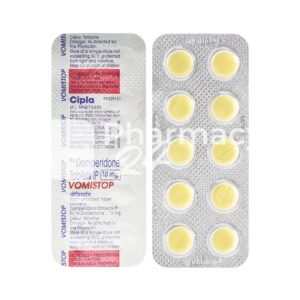
- Domperidone is available in many countries through pharmacies and online pharmacy listings under brand names such as Motilium, Domstal, Vomistop, Peridys and Digesan. In some places it is prescription-only, but in others it may be available without a prescription depending on local regulations and the pharmacy.
- Domperidone is used to relieve nausea and vomiting, and it may also be used for dyspepsia and other functional gastrointestinal symptoms. It works mainly as a dopamine D2-receptor antagonist, helping to increase gastric motility and reduce the feeling of sickness.
- The usual adult dose is 10 mg up to three times a day, commonly taken before meals. The dose and duration should be kept as low and short as possible, and children should only use it if specifically advised by a clinician.
- It is most commonly administered as 10 mg tablets, oral suspension at 1 mg/mL, or oral drops at 1 mg/mL. In some countries, rectal suppositories are also available, though these are uncommon.
- Domperidone usually starts working within about 30 to 60 minutes.
- The effect typically lasts for around 4 to 6 hours.
- Avoid or limit alcohol, as it may worsen dizziness, drowsiness, and stomach upset, and can make you feel less well when taking domperidone.
- The most common side effects are dry mouth, headache, abdominal cramps, diarrhoea, and dizziness. In rare cases, domperidone can affect the heart rhythm, so it should be used cautiously, especially at higher doses or in people with heart problems.
- Would you like to try domperidone without a prescription?
Basic Domperidone Information
- INN (International Nonproprietary Name): Domperidone
- Brand names available in United Kingdom: Motilium, generic domperidone tablets
- ATC Code: A03FA03
- Forms & dosages: 10 mg tablets, 1 mg/mL oral suspension, oral drops in some markets
- Manufacturers in United Kingdom: Teva Pharma, Sandoz, Sanofi, Janssen-Cilag historically; other suppliers may vary by stock and licence
- Registration status in United Kingdom: Prescription only, with restricted use, dose limits, and duration limits under MHRA guidance
- OTC / Rx classification: Prescription only (Rx) in most countries
Latest Research Highlights In The United Kingdom And Europe
What has changed most in recent years is not whether domperidone can help, but how carefully it is used.
In the UK and across Europe, domperidone remains a prescription-only antiemetic and prokinetic because of cardiac safety concerns, especially QT prolongation and arrhythmia risk.
MHRA guidance and the EMA review both support the same practical message: use the lowest effective dose for the shortest possible time.
That fits NHS practice well, where electronic prescribing systems and pharmacy checks are used to reduce repeat use and accidental long-term treatment.
The strongest evidence is still for short-term nausea and vomiting, not for ongoing dyspepsia symptoms over weeks or months.
Recent UK and EU research from 2022 to 2025 has largely focused on real-world prescribing patterns, dose-related risk, and whether short courses can be used more safely in selected patients.
Domperidone is classified as INN Domperidone, ATC A03FA03, and it is still widely recognised by brand names such as Motilium, Peridys, and Domecid.
| Study Type | Sample Size | Main Finding | Safety Outcome |
|---|---|---|---|
| Real-world prescribing review | Not specified | Short-course prescribing was more consistent with UK safety advice than repeat use. | Lower cumulative exposure was associated with safer practice. |
| Regulatory review | Not specified | EMA and MHRA restrictions continued to support limited use for nausea and vomiting only. | Ongoing concern over QT prolongation and arrhythmia risk. |
| Hospital pharmacy audit | Not specified | Electronic prescribing helped flag long-term or interacting medicines. | Reduced unsafe continuation and repeat prescribing. |
Data highlights remain consistent across the current evidence base.
Risk rises with higher exposure, longer duration, and interacting medicines that affect cardiac rhythm or domperidone metabolism.
That is why UK and EU clinicians usually favour short-term use only, rather than routine long-term treatment for upper gastrointestinal discomfort.
Clinical Effectiveness In The United Kingdom
Does domperidone actually work in day-to-day UK practice?
For many patients, the answer is yes, particularly when nausea or vomiting is the main problem and a quick prescription-led option is needed.
Domperidone tablets are used for nausea and vomiting, and in some cases for dyspepsia symptoms where a prokinetic effect is considered helpful.
Motilium tablets are familiar to many patients, although generic domperidone tablets are now commonly dispensed in the UK.
Response is individual, so one person may feel better within a short time while another sees only modest improvement.
NHS prescribing is usually time-limited, and patients may be reviewed after a GP consultation, in urgent care, or by a specialist rather than on a routine repeat prescription.
- Nausea
- A feeling of sickness, often with an urge to vomit.
- Vomiting
- The forceful emptying of stomach contents through the mouth.
- Dyspepsia
- Upper abdominal discomfort, bloating, fullness, or indigestion symptoms.
- Prokinetic
- A medicine that helps stomach and gut movement.
Motilium 10 mg tablets and the 1 mg/mL oral suspension are the best-known formulations internationally, and the suspension is useful when swallowing tablets is difficult.
Pharmacists in Boots, LloydsPharmacy, and Superdrug often explain that the medicine may work faster than lifestyle measures alone, but it should still be stopped when the course ends unless a clinician advises otherwise.
People usually want to know three things: how quickly it works, whether it can be taken with food, and what to do if symptoms do not settle.
If nausea persists, worsens, or comes with abdominal pain, fever, blood, or dehydration, further assessment is needed rather than simply extending treatment.
Indications And Expanded Uses
Which uses are clearly accepted, and which ones need extra caution?
In UK practice, the core role of domperidone is short-term control of nausea and vomiting.
Some clinicians may also consider it for dyspepsia symptoms, but that is more carefully judged because the benefit is less predictable and the safety restrictions are tighter.
Off-label or specialist use can occur, especially in more complex gastrointestinal cases, but it should always be balanced against cardiac risk and documented carefully.
| Indication | Typical Setting | Common In NHS Or Private Care |
|---|---|---|
| Short-term nausea and vomiting | GP, urgent care, hospital discharge | Common in both, with restrictions |
| Dyspepsia symptoms | Selected patients, clinician review | More limited, often specialist-led |
| Gastroparesis or other specialist prokinetic use | Specialist setting | Less common |
Because domperidone is prescription only, NHS clinicians are likely to document why it is being used and for how long.
E-prescriptions and pharmacy reviews make it easier to avoid unsafe continuation, especially when a patient has several medicines already.
The oral suspension 1 mg/mL is useful for those who cannot swallow tablets, but the same safety rules still apply.
Availability can differ by UK nation and provider pathway, yet the core MHRA restrictions remain the same.
Composition And Brand Landscape
The active ingredient is straightforward: domperidone.
The ATC code is A03FA03, which places it among drugs for functional gastrointestinal disorders, specifically peristaltic stimulants and antiemetics.
Many patients search by brand first, so pharmacy counselling often needs to translate Motilium into generic domperidone and back again.
| Brand Name | Region | Dosage Form |
|---|---|---|
| Motilium | Global, Europe, Canada, Russia/CIS | 10 mg tablets, 1 mg/mL oral suspension |
| Peridys | Europe | 10 mg tablets, suspensions, oral solutions |
| Domecid | Europe | 10 mg tablets, suspensions, oral solutions |
| Domstal | India, Asia, Africa | 10 mg tablets, oral drops, suspensions |
| Vomistop | India, Asia, Africa | 10 mg tablets, oral drops, suspensions |
| Emidon | India, Asia, Africa | 10 mg tablets, oral drops, suspensions |
In the UK, patients are more likely to receive generic domperidone tablets than a branded pack, although Motilium remains the best-known name internationally.
Common pack types include 10 mg tablets in blister or strip packs, plus 30 mL or 60 mL bottles of 1 mg/mL oral suspension.
Manufacturers and suppliers vary, with names such as Teva, Sandoz, Sanofi, Janssen-Cilag historically, Krka, Cipla, and Sun Pharma appearing across different markets.
Contraindications And Special Precautions
What makes domperidone more restricted than many people expect?
The main concern is cardiac risk, especially QT prolongation and arrhythmias in susceptible patients.
That matters most if there is a history of heart disease, electrolyte imbalance, liver impairment, older age, or use of medicines that interact with domperidone.
High-risk combinations are especially important because domperidone levels can rise, or the heart’s rhythm can be affected more easily.
- Known QT prolongation or history of arrhythmia.
- Significant heart disease.
- Low potassium or low magnesium.
- Moderate to severe liver impairment.
- Use with interacting medicines that inhibit CYP3A4 or prolong the QT interval.
| Situation | Practical Advice |
|---|---|
| Avoid | Use if you have a known rhythm problem, significant heart disease, or a strong interacting medicine. |
| Use With Caution | Older adults, liver impairment, multiple medicines, or uncertain diagnosis. |
| Seek Urgent Advice | Palpitations, fainting, severe dizziness, chest symptoms, or ongoing vomiting with dehydration. |
Alcohol can worsen dizziness or nausea, so it is sensible to avoid it while taking the medicine unless a clinician says otherwise.
Driving should also be approached cautiously until the individual effect is known, because some people feel drowsy or light-headed.
Pregnancy and breastfeeding need clinician advice rather than assumptions of routine safety.
Pharmacists in Boots, LloydsPharmacy, and Superdrug often serve as the first safety checkpoint, and NHS electronic records can flag risks quickly.
Dosage Guidelines
How much should be taken, and for how long?
For adults, the source dosing data lists 10 mg three times daily for nausea and vomiting, and also for dyspepsia.
In UK practice, that dose still needs to sit within restricted short-course guidance and clinician judgement.
Children are treated more cautiously, and weight and age thresholds matter; the source data highlights children over 12 years or over 35 kg.
Going above the recommended amount increases cardiac risk, which is why dose escalation is not a simple answer when symptoms persist.
| Group | Typical Dose | Key Point |
|---|---|---|
| Adults | 10 mg three times daily | Use the lowest effective dose for the shortest possible time. |
| Children over 12 years or over 35 kg | Only with careful clinician review | Age and weight thresholds matter. |
| Oral suspension | 1 mg/mL | Helpful where swallowing tablets is difficult. |
Older adults, people with liver impairment, and anyone using interacting medicines may need a different treatment rather than a higher dose.
NHS e-prescribing, repeat prescription controls, and pharmacist counselling help stop long-term use by accident.
Motilium 10 mg tablets remain the best-known formulation internationally, but the UK will often dispense generic domperidone tablets instead.
Interactions Overview
Which medicines cause the biggest problem, and does food matter?
Interactions are a key reason why domperidone is prescription only in the UK.
The most important concern is with medicines that increase domperidone exposure or raise arrhythmia risk, especially CYP3A4 inhibitors and other QT-prolonging drugs.
That includes some antibiotics and antifungals, along with other medicines that affect heart rhythm.
| Interacting Medicine Type | Why It Matters | Practical Advice |
|---|---|---|
| CYP3A4 inhibitors | Can increase domperidone levels | Avoid unless a clinician has reviewed the combination. |
| QT-prolonging drugs | Can increase arrhythmia risk | Do not assume they are safe together. |
| Some antibiotics and antifungals | May affect rhythm or metabolism | Ask a pharmacist to check the full medicine list. |
Alcohol may worsen dizziness or nausea, while tea and coffee do not directly interact but can aggravate dyspepsia in some people.
That is worth remembering if symptoms are being managed with frequent hot drinks or casual evening alcohol.
Suspected adverse reactions can be reported through the Yellow Card scheme, and that reporting supports safer prescribing in the UK.
Pharmacist consultation and NHS electronic records now make interaction checks much more reliable than they used to be.
Cultural Perceptions And Patient Habits
What do UK patients usually ask first?
Across Patient.info, Mumsnet, NHS forums, and online pharmacy reviews, the same worries tend to come up again and again.
People want to know whether domperidone is safe, how quickly it works, and whether repeated use is sensible.
Many also search by Motilium rather than domperidone, and some assume it is available over the counter because it is common internationally.
- Will it work quickly enough for a busy day or a Friday evening?
- Can it be used more than once if nausea returns?
- Is it safe with other medicines already on repeat?
- Do I need to speak to a GP, a pharmacist, or NHS 111 first?
In practice, many UK patients trust pharmacists for quick reassurance before booking a GP appointment, especially when symptoms are short lived.
NHS 111 advice, patient portals, and online prescriptions have made access simpler, but the safety checks are still important.
The contrast with countries such as India, Russia, and parts of Latin America can shape expectations for travellers and migrant communities, where branded products are more visible.
Availability And Pricing Patterns
How easy is it to get domperidone in the UK, and what does it usually cost?
Access depends on the route chosen.
NHS prescriptions, private prescriptions, and online pharmacy services all exist, but the safety screening should be similar in each case.
| Access Route | Typical Features | Pricing Pattern |
|---|---|---|
| NHS prescription | Clinical review, restriction on dose and duration | England has standard charges unless exempt; Scotland, Wales, and Northern Ireland are generally free at the point of use |
| Private prescription | Faster access in some cases, but still screened | Usually higher overall cost |
| Online pharmacy | Digital consultation and discreet delivery | Varies by pack size and provider |
Boots, LloydsPharmacy, and Superdrug may stock domperidone differently depending on the branch, and stock can vary by supplier.
Common pack sizes internationally include 10, 20, 30, or 100 tablets, plus 30 mL or 60 mL oral suspension bottles.
In our online pharmacy, domperidone is available without a prescription, with discreet delivery to United Kingdom in 5-14 days.
Motilium remains the best-known brand name, although generic stock is often what patients actually receive.
Comparable Medicines And Preferences
Which alternative is best depends on the reason for treatment, not just the symptom.
For some patients, domperidone is a sensible choice because it has a prokinetic effect as well as an antiemetic one.
For others, a different antiemetic or supportive care may offer a better balance of benefit and risk.
| Option | Potential Advantage | Potential Limitation |
|---|---|---|
| Domperidone | Useful when nausea and upper gut movement are both relevant | Cardiac safety restrictions |
| Other antiemetics | May suit a different cause or patient group better | Choice depends on age, pregnancy status, and diagnosis |
| Supportive treatment | Avoids medicine-related risk | May not be enough when symptoms are troublesome |
Preference in UK practice usually comes down to safety profile, previous response, route of administration, and convenience.
Some patients look for Motilium Instants or domperidone orodispersible tablets online, but in the UK the common forms are standard tablets and oral suspension.
The NHS usually favours whichever option gives the best balance of effectiveness and risk for the shortest period.
Domperidone Frequently Asked Questions
How quickly does domperidone work?
Some people notice relief fairly quickly, but response varies from person to person.
Can it be taken with food?
It is commonly taken as prescribed by the clinician, and the main priority is staying within the advised course and dose.
Is it safe with other medicines?
Not always, because QT prolongation and drug interactions matter, so a pharmacist or GP should check the full medicine list.
Do I need a prescription in the UK?
Yes, domperidone and Motilium are prescription only in the UK, including 10 mg tablets and the 1 mg/mL oral suspension.
- Prescription only
- Available only when a prescriber authorises it.
- Short course
- Used for a limited time rather than continuously.
- QT prolongation
- A heart rhythm change that can increase the risk of serious arrhythmia.
Guidelines For Proper Use
What keeps domperidone use safe in real life?
Start with the prescribed dose and stop when the course ends.
Do not take extra doses if symptoms are slow to settle, and do not carry on for longer than advised.
- Take domperidone exactly as prescribed.
- Do not exceed the recommended dose.
- Stop when the course ends unless a clinician says otherwise.
- Seek help if symptoms persist, worsen, or change.
- Get urgent advice if there are palpitations, fainting, chest symptoms, or severe dizziness.
- Keep the medicine safely stored away from children.
If a dose is missed, the safest approach is usually to take the next dose at the normal time rather than doubling up.
NHS 111, a GP review, pharmacist advice, and patient information on NHS portals are the main support routes when symptoms do not improve.
Electronic prescriptions and repeat checks help reduce accidental overuse, which is important with a medicine that carries cardiac risk.
Domperidone, Motilium, A03FA03, 10 mg tablets, and 1 mg/mL oral suspension all fall under the same prescription-only safety framework in the UK.
Delivery Across United Kingdom
| City | Region | Delivery time |
|---|---|---|
| London | England | 5-7 days |
| Birmingham | England | 5-7 days |
| Manchester | England | 5-7 days |
| Leeds | England | 5-7 days |
| Liverpool | England | 5-7 days |
| Sheffield | England | 5-7 days |
| Bristol | England | 5-7 days |
| Newcastle upon Tyne | England | 5-7 days |
| Edinburgh | Scotland | 5-7 days |
| Glasgow | Scotland | 5-7 days |
| Cardiff | Wales | 5-7 days |
| Belfast | Northern Ireland | 5-7 days |
| Aberdeen | Scotland | 5-9 days |
| Exeter | England | 5-9 days |
| Inverness | Scotland | 5-9 days |