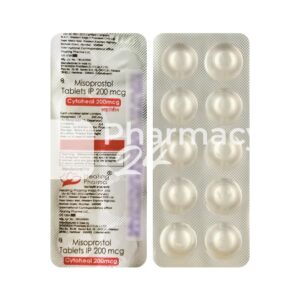
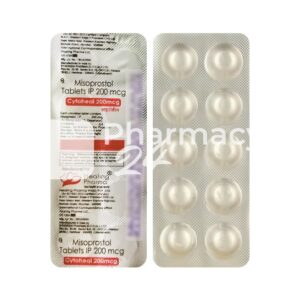
Misoprostol
In brief
- Misoprostol is a prescription-only medicine in most countries (including the UK, EU and USA) and should be supplied from pharmacies or licensed medical suppliers with a valid prescription; although informal or unregulated sales without a prescription occur in some settings, obtaining it that way is unsafe and may be unlawful.
- Misoprostol is a prostaglandin E1 analogue used to prevent NSAID-induced gastric ulcers, induce uterine contractions for medical abortion, treat miscarriage, induce labour (off‑label) and manage postpartum haemorrhage; it works by reducing gastric acid secretion and protecting the gastric mucosa and by stimulating uterine smooth muscle via prostaglandin receptors.
- Usual dosages vary by indication: gastric ulcer prevention 200 mcg two to four times daily; medical abortion 800 mcg (4×200 mcg) buccal/vaginal/sublingual after mifepristone; miscarriage management 800 mcg vaginally (may repeat after 3–12 h); labour induction typically 25 mcg vaginally every 4–6 h (off‑label); postpartum haemorrhage 600–800 mcg orally as a single dose.
- Available as oral tablets (commonly 200 mcg, sometimes 100 mcg), and administered orally, buccally, sublingually or vaginally depending on indication; also found in combination tablets (e.g. with diclofenac) in some markets.
- Onset depends on route: buccal/sublingual effects often begin within 15–30 minutes, vaginal onset typically within 30–60 minutes, and oral systemic effects commonly within 20–60 minutes for uterotonic or antacid actions.
- Duration of action varies by effect: uterotonic activity commonly lasts around 3–6 hours after a dose (single‑dose haemorrhage control effects may persist for a few hours), while gastric protective benefit requires repeated dosing and is maintained while treatment continues.
- Avoid excessive alcohol while taking misoprostol as alcohol may worsen gastrointestinal side effects (nausea, vomiting, diarrhoea) and general wellbeing; during pregnancy‑related protocols follow specialist advice and avoid alcohol altogether as advised.
- The most common side effect is diarrhoea; other frequent effects include abdominal pain/cramps, nausea, flatulence, headache and menstrual irregularities; more serious risks (rare) include severe hypersensitivity and uterine rupture when used for labour induction in women with prior uterine surgery.
- Would you like to try misoprostol without a prescription?
Basic Misoprostol Information
- INN (International Nonproprietary Name): Misoprostol
- Brand Names Available In United Kingdom: Cytotec, Gymiso, Misotab, Misoclear, Oxaprost (combo), Misoprost, MisoKit, Miserol; check local formularies for exact availability.
- ATC Code: G02AD06 — Genito-urinary System And Sex Hormones; Other Gynecologicals; Prostaglandins; Misoprostol.
- Forms & Dosages: Tablets 200 mcg (standard) and 100 mcg (less common); combination tablets with diclofenac (e.g. Oxaprost: 200 mcg misoprostol / 50 mg diclofenac).
- Manufacturers In United Kingdom: Waymade, Pfizer (Cytotec), Cipla, Sun Pharma, Exeltis, Searle, Famy Care Ltd., Laboratorio Dominguez (suppliers and distributors used by UK hospitals and clinics).
- Registration Status In United Kingdom: Not specified in the provided data; EMA listings apply across Europe and local MHRA/MHRA‑aligned status should be checked.
- OTC / Rx Classification: Prescription-only (Rx) worldwide according to provided data.
Latest Research Highlights (UK & EU Studies 2022–2025)
Clinicians ask whether recent studies change how misoprostol is used in the UK and EU.
Randomised trials and meta-analyses published between 2022 and 2025 reported that misoprostol remains effective as a uterotonic for postpartum haemorrhage prevention in low‑resource or prehospital settings.
Those reviews found comparable effectiveness to oxytocin where cold‑chain or intravenous access is limited, while noting higher rates of transient gastrointestinal adverse effects such as diarrhoea and cramping.
EU work also reinforced the role of combined mifepristone‑misoprostol regimens for medical abortion, with audits showing high complete‑expulsion rates and low surgical intervention requirements.
Emerging trials examined lower‑dose labour‑induction regimens (25 mcg titrated protocols) and suggested reduced hyperstimulation when carefully governed, but many such uses remain off‑label under MHRA guidance.
Safety reports across Europe emphasise diarrhoea, abdominal pain and rare uterine rupture in people with prior uterine surgery, and Yellow Card data underline the need for counselling and event reporting.
| Clinical Outcome | Summary |
|---|---|
| Efficacy For PPH Prevention | Comparable to oxytocin in settings without refrigeration; pragmatic choice in prehospital care. |
| Medical Abortion Outcomes | High complete‑expulsion rates when used with mifepristone; low surgical intervention in audited services. |
| Safety Events | Higher transient GI side effects; rare serious events (uterine rupture) mostly linked to prior uterine surgery. |
Data Highlights: Misoprostol is prescription‑only (Rx), listed on the WHO Model List for postpartum haemorrhage, ATC code G02AD06, and standard obstetric doses include 600–800 mcg for PPH and 800 mcg regimens for medical abortion/miscarriage.
Clinical Effectiveness In The UK
Patients want to know how misoprostol performs in real NHS services.
NHS trust audits and tertiary centre evaluations show misoprostol is a reliable, pragmatic uterotonic where oxytocin is delayed or cold‑chain is unavailable.
Early administration for postpartum haemorrhage has been associated with reduced transfusion requirements in service reports.
For medical abortion and miscarriage management, NHS and independent clinic series reported high rates of complete medical management and good patient satisfaction after the expansion of telemedicine services.
Patient‑reported outcomes commonly note predictable bleeding patterns and effective uterine evacuation, balanced against the burden of gastrointestinal side effects such as diarrhoea and cramps.
Common real‑world adherence issues include confusion over timing and route (buccal, vaginal or sublingual) and occasional difficulty accessing prompt follow‑up for heavy bleeding.
- NHS Outcome Metrics:
- High complete‑expulsion rates in mifepristone‑misoprostol pathways.
- Reduced emergency transfusions when used promptly for PPH in prehospital settings.
- Good patient satisfaction with home‑use protocols during and after telemedicine expansion.
| Setting | Reported Surgical Intervention Rate |
|---|---|
| NHS Early Medical Abortion Clinics | Low surgical intervention in audited series |
| Tertiary Obstetric Centres (PPH Protocols) | Reduced transfusions with early misoprostol use |
Standard Regimens In Practice: 800 mcg for abortion/miscarriage pathways and 600–800 mcg orally for postpartum haemorrhage are commonly used.
Indications And Expanded Uses
People often ask which uses are licensed versus guided by local policy.
MHRA and EMA list misoprostol for gastric ulcer prevention with NSAID therapy, and many obstetric uses are governed by local trust formularies and national guidelines.
WHO includes misoprostol on its Model List for postpartum haemorrhage and abortion care, supporting recognised guideline use in reproductive health.
In clinical practice across NHS trusts and private clinics, common uses include medical abortion (with mifepristone per recognised protocols), miscarriage management, labour induction (frequently off‑label at low‑dose regimens) and as a uterotonic for PPH when oxytocin is unsuitable.
For gastric protection the licensed dose is 200 mcg two–four times daily with food; obstetric protocols use larger single doses such as 800 mcg vaginally for miscarriage and 600–800 mcg orally for PPH.
- Licensed: Gastric ulcer prevention with NSAID therapy (200 mcg 2–4x/day).
- Recognised (Guideline‑Supported): Medical abortion with mifepristone, management of miscarriage, PPH prevention in resource‑limited settings.
- Off‑Label (Audit‑Only/Local Governance): Labour induction using low doses (e.g. 25 mcg vaginally) which requires local governance and informed consent, especially if prior caesarean sections exist.
Practical Note: Misoprostol is ATC G02AD06 and is prescription‑only.
Composition And Brand Landscape
Patients and prescribers need clarity on what the tablet contains and where it comes from.
The active ingredient is misoprostol, most commonly formulated as 200 mcg tablets with 100 mcg tablets less common.
The UK market is predominantly supplied with generics sourced through hospital tenders and community pharmacies, and globally recognised brand names include Cytotec, Gymiso, Misotab and Misoclear.
Combination products with diclofenac exist for gastroprotection in rheumatological indications (e.g. Oxaprost format).
| Brand | Typical Packaging | Manufacturer |
|---|---|---|
| Cytotec | Tablets 200 mcg (blisters, bottles) | Pfizer (historically) / generics available |
| Gymiso | Tablets 200 mcg (blisters, 20 or 60) | Various regional suppliers |
| Misotab | Tablets 200 mcg | Various manufacturers (regionally distributed) |
| Oxaprost (combo) | Combination tabs with diclofenac | Multiple regional manufacturers |
Hospitals and private clinics usually source generics via procurement routes, and MHRA special‑supply or import pathways can apply when routine stock is unavailable.
Contraindications And Special Precautions
People worry about who should not take misoprostol and when extra caution is needed.
- Absolute Contraindications:
- Known hypersensitivity to misoprostol or other prostaglandins.
- Pregnancy when prescribing for gastric ulcer prevention (pregnancy is a contraindication except when intentionally terminating).
- Suspected ectopic pregnancy for medical abortion/miscarriage protocols.
- Relative Contraindications:
- Inflammatory bowel disease or chronic diarrhoea.
- Severe cardiovascular disease (hypotension/tachycardia risk).
- Multiple prior uterine surgeries or classical caesarean section — increased uterine rupture risk during induction.
- Poorly controlled asthma, severe hepatic impairment.
Daily‑life advice includes short‑term avoidance of strenuous activity during heavy bleeding and caution driving or operating machinery if dizziness or nausea occur.
Alcohol can worsen dehydration from diarrhoea and should be avoided until symptoms settle.
Data Highlight: Common side effects include diarrhoea, abdominal pain and nausea, while serious events such as uterine rupture are rare and mainly linked to prior uterine surgery.
Dosage Guidelines
Clear dosing is essential for safety and effectiveness.
Standard tablet strengths are 200 mcg and occasionally 100 mcg for titration or specialised use.
| Indication | Typical NHS Regimen |
|---|---|
| Gastric Ulcer Prophylaxis | 200 mcg two–four times daily with food |
| Medical Abortion (with Mifepristone) | 800 mcg (4×200 mcg) buccal/vaginal/sublingual after mifepristone 200 mg |
| Miscarriage Management | 800 mcg vaginally, may repeat after 3–12 hours as needed |
| Postpartum Haemorrhage (Emergency) | 600–800 mcg orally single dose |
| Labour Induction (Off‑Label) | 25 mcg vaginally every 4–6 hours under local governance |
Special populations: the elderly may experience more gastrointestinal side effects; mild to moderate renal impairment usually requires no adjustment; hepatic impairment calls for caution.
Missed‑dose advice for ulcer prophylaxis is to take as soon as possible unless near the next dose, then skip; for abortion or induction protocols consult the treating clinic rather than doubling doses.
Interactions Overview
Patients frequently ask about drug interactions and report‑able safety issues.
Misoprostol interactions are mainly clinical rather than via metabolic enzyme effects.
- Uterotonic Combinations: Combining misoprostol with other uterotonics such as oxytocin, ergometrine or carboprost can potentiate uterine activity and must be managed by obstetric teams.
- Combination NSAIDs: Products combining diclofenac with misoprostol alter the gastrointestinal side‑effect profile and are used for NSAID gastroprotection.
- Alcohol And Dehydration: Alcohol increases dehydration risk with misoprostol‑induced diarrhoea and should be avoided until recovery.
Yellow Card reports flag problems when misoprostol is used without proper screening, such as in undiagnosed ectopic pregnancies, and when people self‑source online leading to incorrect dosing or route errors.
Practical advice is to avoid unsupervised co‑administration of multiple uterotonics and to report suspected adverse reactions via the Yellow Card system.
Cultural Perceptions And Patient Habits
What do patients in the UK say about misoprostol?
There is widespread trust in NHS advice and pharmacist counselling for medicines information, and online resources such as NHS 111 and patient.info are commonly used for initial triage.
Telemedicine expansion normalised home administration for early medical abortion, increasing acceptability but also raising concerns about unregulated online purchases and counterfeit products.
Pharmacists remain central to patient counselling, with patients expecting clear verbal advice about timing, routes and when to seek emergency care.
Regional habits vary: urban patients are more likely to access private clinics or online pharmacies, while rural patients rely on community midwives and local pharmacies for support.
| Trusted Source | Typical Use |
|---|---|
| NHS 111 / NHS Websites | Symptom triage and official guidance |
| Pharmacist | Medicines counselling and storage advice |
| Online Forums (e.g. Pregnancy Forums) | Peer experiences about routes and side effects |
Availability And Pricing Patterns
Access and cost are common practical concerns for patients and prescribers.
Misoprostol is prescription‑only across the UK and supplies in hospitals are typically held on trust formularies, while community access is via GP prescriptions or specialty clinic pathways.
Major retail pharmacy chains dispense prescribed products and regulated online pharmacies dispense on presentation of a valid prescription.
Prescription charges vary across the UK — England uses standard prescription charges whereas Scotland, Wales and Northern Ireland provide free prescriptions, creating regional cost differences and influencing private purchase demand.
Private clinic provision and imported generics may appear cheaper on the face of it but often include separate consultation fees; hospitals procure generics via tenders which can influence which brand is stocked.
| Route | Typical Cost Pattern |
|---|---|
| NHS Prescription | Subject to regional prescription charges (England vs devolved nations) |
| Private Clinic | Drug cost plus consultation fee; generics commonly used |
| Online Pharmacy | Prescription only dispensing; regulated vendors may offer discreet delivery |
Note: In our online pharmacy, misoprostol is available without a prescription, with discreet delivery to United Kingdom in 5-14 days.
Stock shortages and import sourcing can lead to brand substitutions (e.g. Gymiso, Cytotec, Misotab) in trusts and community pharmacies.
Comparable Medicines And Prescribing Preferences
Clinicians choose between several uterotonics and cervical ripening agents depending on setting and patient history.
| Medicine | Pros | Cons |
|---|---|---|
| Misoprostol | Oral/sublingual/vaginal routes, stable at room temperature, useful outpatient option | More GI side effects; off‑label induction dosing in many units |
| Oxytocin | First‑line uterotonic in hospital; established IV protocols | Requires refrigeration and IV access for many uses |
| Dinoprostone | Licensed for cervical ripening and induction | Requires in‑hospital administration; cost considerations |
| Carboprost | Injectable option for severe PPH | Restricted use, more systemic side effects |
Choice is driven by setting (ambulatory vs in‑hospital), patient history such as prior uterine surgery, storage needs and side‑effect profiles.
Misoprostol is ATC G02AD06 and is recognised by WHO as an essential medicine for postpartum haemorrhage, supporting its use where oxytocin is impractical.
Frequently Asked Questions
- Is misoprostol legal and prescription‑only in the UK?
Yes, misoprostol is prescription‑only (Rx) according to provided data and its use is regulated by national agencies.
- What are the common side effects?
Diarrhoea, abdominal pain, nausea and headache are common; heavy vaginal bleeding can occur with abortion or miscarriage management and serious symptoms require urgent care.
- Can I take misoprostol if I’m breastfeeding or have had a C‑section?
Breastfeeding is often permissible but local guidance should be consulted; prior C‑section raises uterine rupture risks for induction and requires obstetric discussion.
- Can I buy misoprostol online?
Legally it should only be supplied on prescription; buying from unregulated online sources risks incorrect dosing, counterfeit tablets and lack of follow‑up.
For reporting adverse reactions, patients and professionals can use the Yellow Card scheme and consult NHS patient leaflets for condition‑specific information.
Guidelines For Proper Use
Pharmacists play a key role in safe, effective misoprostol use.
Counselling should confirm the indication, review allergies and contraindications, and verify pregnancy status where relevant.
Clear explanation of route‑specific timing is essential — buccal, vaginal, sublingual and oral routes have different administration steps and timing recommendations.
Use teach‑back when prescribing multi‑tablet regimens such as 800 mcg and provide written patient information plus NHS 111 signposting.
- Pharmacist Counselling Checklist:
- Confirm indication and consent.
- Review absolute and relative contraindications.
- Explain route and timing, expected bleeding and pain.
- Provide emergency contact and follow‑up instructions.
- Advise storage below 25°C in a dry place and return if tablets appear damaged.
When To Contact 999: Severe bleeding with syncope, breathing difficulties, signs of severe infection or collapse.
When To Contact Clinic/NHS 111: Prolonged heavy bleeding, fever, uncontrolled pain, or concerns after taking the medication.
Routine Follow‑Up: Follow clinic instructions for review; contraception advice should be offered after abortion care.
Overdose Management: Supportive care is standard; hospital admission if severe diarrhoea, hypotension or other significant symptoms occur.
Delivery Across United Kingdom
| City | Region | Delivery time |
|---|---|---|
| London | England | 5-7 days |
| Birmingham | England | 5-7 days |
| Manchester | England | 5-7 days |
| Glasgow | Scotland | 5-7 days |
| Liverpool | England | 5-7 days |
| Leeds | England | 5-7 days |
| Edinburgh | Scotland | 5-7 days |
| Bristol | England | 5-7 days |
| Sheffield | England | 5-9 days |
| Newcastle Upon Tyne | England | 5-9 days |
| Belfast | Northern Ireland | 5-9 days |
| Cardiff | Wales | 5-9 days |
| Plymouth | England | 5-9 days |