
Losec
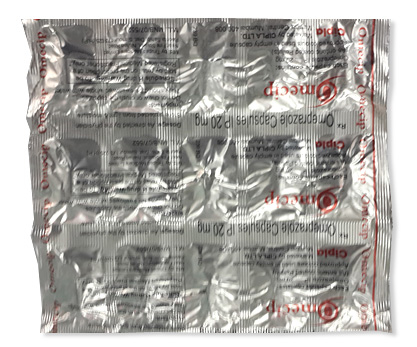
Losec
- In our pharmacy you can buy losec without a prescription; 20 mg short-course packs are available OTC in many countries (including UK), although 10 mg/20 mg/40 mg for chronic or higher‑dose use usually require a prescription.
- Losec (omeprazole) is used to treat gastro‑oesophageal reflux (heartburn), erosive oesophagitis, peptic/duodenal ulcers, as part of H. pylori eradication regimens and for hypersecretory conditions; it is a proton pump inhibitor that irreversibly blocks the H+/K+ ATPase in gastric parietal cells to reduce stomach acid production.
- Usual doses: OTC heartburn — 20 mg once daily for 14 days; erosive oesophagitis — 20–40 mg once daily for 4–8 weeks; peptic ulcer — 20 mg once daily for 4–8 weeks; H. pylori eradication — 20 mg twice daily with antibiotics for 10–14 days; severe hypersecretion — start ~60 mg daily and titrate; paediatric dosing is weight‑based (typically 10–20 mg).
- Forms of administration include delayed‑release tablets or capsules (10 mg, 20 mg, 40 mg), oral suspension powder packets (2.5 mg, 10 mg per packet), dispersible/dry powder, and an IV formulation (40 mg vial) for limited use.
- Onset: acid suppression begins within about an hour and some symptom relief may be noticed within 24 hours, but maximal effect often takes 2–4 days of treatment.
- Duration of action: a single dose typically suppresses acid for around 24 hours; with repeated dosing acid control is maintained daily and full recovery of acid secretion after stopping may take several days.
- Alcohol warning: avoid excessive alcohol as it can worsen reflux and gastric irritation; there is no absolute prohibition, but reduce alcohol intake while treating acid‑related conditions and consult your clinician if in doubt.
- The most common side effect is headache (other common effects include stomach pain, nausea, diarrhoea and dizziness).
- Would you like to try losec without a prescription?
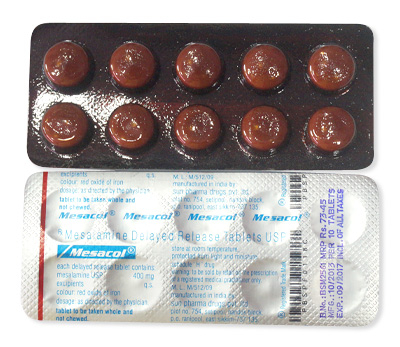
Basic Losec Information
- INN (International Nonproprietary Name): Omeprazole.
- Brand Names Available In United Kingdom: Losec, Omeprazole Sandoz, Mylan Omeprazole (10mg, 20mg, 40mg formulations commonly marketed in the UK).
- ATC Code: A02BC01 — Drugs for acid-related disorders; proton pump inhibitors (PPIs).
- Forms & Dosages: Delayed-release capsule/tablet 10mg, 20mg, 40mg; oral suspension/powder packets (2.5mg, 10mg per packet); dispersible forms 10mg/20mg/40mg; limited IV 40mg vials for inpatient use.
- Manufacturers In United Kingdom: AstraZeneca (Losec), Sandoz, Teva Pharmaceuticals, Mylan, Hikma (multinational suppliers and UK-distributed generics).
- Registration Status In United Kingdom: Registered and marketed in Europe including UK as Losec and multiple generics; availability as prescription or OTC depends on strength and pack size.
- OTC / Rx Classification: 20mg short-term low-count packs available OTC for 14-day courses (short course packs); 10mg, 20mg and 40mg in larger counts or for chronic use are prescription only.
Latest Research Highlights (Uk & Eu: 2022–2025)
Patients worry about long-term risks and whether their daily Losec still helps; recent UK and EU evidence answers some of that concern.
Population audits in UK primary care (2022–24) documented rising long-term PPI prescriptions and urged targeted medication reviews and deprescribing where appropriate.
EU guideline updates stress using the shortest effective duration and a stepped-care approach for GORD and heartburn management.
Randomised trials and meta-analyses through 2025 reported that omeprazole 20mg once daily, the standard OTC course, reduces weekly heartburn frequency versus placebo for uncomplicated reflux.
Higher doses of 20–40mg remain superior for healing erosive oesophagitis within 4–8 weeks in trial data used to inform NHS care pathways.
Cohort studies reproduced modest safety signals seen before: small increases in enteric infections such as C. difficile, hypomagnesaemia with prolonged therapy, and slight fracture‑risk elevations mainly after multi‑year use.
Deprescribing trials in UK primary care showed partial success when pharmacist-led reviews and electronic prompts were used to target repeat prescribing.
| Outcome | Population | Dose | Effect Size | Safety Flag |
|---|---|---|---|---|
| Symptom Reduction (Heartburn) | Adults With Uncomplicated GORD | 20mg OD | Weekly heartburn frequency reduced vs placebo (RCTs through 2025) | Minimal for short course |
| Erosive Oesophagitis Healing | Patients With Endoscopic Erosions | 20–40mg OD | Higher healing rates at 4–8 weeks vs lower doses | Monitoring for long-term risks if maintenance used |
| Deprescribing Success | Primary Care Repeat Prescriptions | Pharmacist-led Review | Partial reduction of long-term PPI use | Rebound symptoms can limit discontinuation |
Data Highlight: MHRA Yellow Card reporting trends show ongoing adverse-event submissions for PPIs with continued focus on electrolyte abnormalities and infections.
Note: ATC code A02BC01 identifies omeprazole in prescribing systems and audit datasets used in UK pharmacoepidemiology.
Clinical Effectiveness In The Uk
Patients commonly ask how quickly Losec will ease their acid symptoms.
In NHS practice omeprazole and generics remain the first-line proton-pump inhibitor for reflux and peptic ulcer healing.
Real-world outcomes match trial findings: 20mg once daily typically gives noticeable relief of uncomplicated heartburn within 1–2 weeks.
For erosive oesophagitis, treatment with 20–40mg once daily usually achieves healing over 4–8 weeks when taken correctly.
Primary-care audits report high rates of patient‑reported symptom improvement but also a risk of rebound acid hypersecretion after abrupt stopping of prolonged therapy.
Specialist gastroenterology care uses higher doses or twice‑daily dosing when treating H. pylori eradication regimens (20mg twice daily with antibiotics) or hypersecretory disorders where doses are titrated.
| Indication | Expected Time To Symptom Relief | Expected Healing |
|---|---|---|
| Uncomplicated Heartburn (OTC) | 1–14 Days | Symptom control; short course |
| Erosive Oesophagitis | Several Days To Weeks | 4–8 Weeks For Endoscopic Healing |
| Peptic/Duodenal Ulcer | 1–4 Weeks | 4–8 Weeks |
- Adherence Tips: Take omeprazole 30–60 minutes before breakfast.
- Swallow delayed‑release capsules whole; avoid crushing.
- Combine drug therapy with lifestyle measures such as weight management and reducing late meals.
Clinicians should record the indication and a planned stop or review date on electronic prescriptions to meet NHS repeat‑prescribing governance and reduce inappropriate maintenance use.
Indications & Expanded Uses (Mhra & Nhs Context)
Patients often want to know when it is appropriate to use Losec and whether off‑label use is acceptable.
MHRA- and EMA-aligned licensed indications include symptomatic GORD/GORD-related heartburn, erosive oesophagitis, peptic ulcer disease, adjunctive therapy for H. pylori eradication, and hypersecretory conditions such as Zollinger‑Ellison syndrome.
In NHS pathways this is applied as two common routes: a short OTC 14‑day 20mg course for uncomplicated heartburn (one course per four months maximum) and prescription regimens for healing erosive disease or maintenance where indicated.
Common pragmatic NHS uses include PPI cover for patients on long‑term NSAIDs at high ulcer risk and empirical acid suppression while dyspepsia investigations continue; these should be documented and justified in records.
| Indication | Typical Dose | Duration |
|---|---|---|
| GORD / Heartburn (OTC) | 20mg Once Daily | 14 Days (Max 1 Course/4 Months) |
| Erosive Oesophagitis | 20–40mg Once Daily | 4–8 Weeks |
| H. Pylori Eradication (Adjunct) | 20mg Twice Daily + Antibiotics | 10–14 Days |
| Zollinger‑Ellison / Hypersecretory | Individualised (Often High Dose) | Long‑Term |
Follow MHRA contraindications and local formularies when prescribing or recommending omeprazole, and record off‑label rationale where used in NHS or private clinics.
Composition & Brand Landscape (Uk Market)
Patients frequently ask whether brand matters for symptom control or price.
Active ingredient is omeprazole (INN) sold under the originator brand Losec and many generics in the UK market.
Available formulations that matter in UK practice are delayed‑release tablets/capsules at 10mg, 20mg and 40mg; oral suspensions and dispersible packets for children; and limited IV 40mg vials for inpatient use.
Major suppliers include AstraZeneca (Losec), Sandoz, Teva, Mylan and Hikma, with primary retail channels Boots, LloydsPharmacy and Superdrug, plus online pharmacies and NHS electronic prescription services.
| Brand | Manufacturer | Typical Pack Sizes | OTC / Rx Status |
|---|---|---|---|
| Losec | AstraZeneca | 10/20/40mg Blisters | Prescription |
| Omeprazole Sandoz | Sandoz | 10/20/40mg Blisters | Prescription |
| Mylan Omeprazole | Mylan | 10/20/40mg Blisters | Prescription |
| Short Course 20mg Packs | Various Retail Brands | 14‑day Packs | OTC (Short Course) |
Packaging and patient information leaflets vary between manufacturers; community pharmacists play a key role in counselling, supporting substitution and advising on timing and duration.
Contraindications & Special Precautions
People worry about who should avoid Losec and what to watch for with long-term use.
Absolute contraindication is known hypersensitivity to omeprazole or substituted benzimidazoles.
Avoid coadministration with contraindicated agents such as nelfinavir and follow interaction guidance from regulatory sources.
Special precautions in UK practice include using lower doses in hepatic impairment (maximum 10–20mg/day where advised), caution in patients with prior C. difficile infection, and monitoring bone health and magnesium in prolonged therapy.
Pregnancy and lactation: use only when clinically justified and follow local obstetric guidance.
Elderly patients do not require routine dose reduction but should be monitored for increased sensitivity and drug interactions.
- Red Flags: Allergy to omeprazole, unexplained GI bleeding, progressive dysphagia, severe liver dysfunction.
- Relative Contraindications: Osteoporosis risk, chronic steroid use, prior C. difficile infection.
Report serious or unexpected adverse reactions via MHRA Yellow Card and document liver or electrolyte issues during prolonged treatment.
Dosage Guidelines (Nhs‑Recommended Regimens)
Patients ask how much Losec to take and for how long for common problems.
Standard adult NHS regimens align with licensed information: OTC symptomatic heartburn 20mg once daily for 14 days (max one course per four months); erosive oesophagitis 20–40mg once daily for 4–8 weeks; duodenal/gastric ulcers 20mg once daily for 4–8 weeks; H. pylori treatment usually with 20mg twice daily plus appropriate antibiotics for 10–14 days.
| Indication | Adult Dose | Duration | Paediatric Note |
|---|---|---|---|
| OTC Heartburn | 20mg Once Daily | 14 Days (Max 1 Course/4 Months) | Refer To Paediatric Guidance |
| Erosive Oesophagitis | 20–40mg Once Daily | 4–8 Weeks | Weight‑based Dosing For Children |
| H. Pylori Adjunct | 20mg Twice Daily + Antibiotics | 10–14 Days | Specialist Regimens For Children |
For hepatic impairment, reduce to the lowest effective dose (max 10–20mg/day). If a dose is missed, take as soon as remembered but do not double up.
Electronic prescriptions should include indication and review date to avoid indefinite repeats; pharmacists should counsel patients to take omeprazole 30–60 minutes before a meal.
Interactions Overview (Food, Drinks & Drugs; Mhra Reports)
Patients commonly ask whether Losec will interfere with other medicines or their diet.
Omeprazole interacts via CYP2C19 inhibition and by raising gastric pH, which alters absorption of drugs needing low stomach acidity.
Clinically important interactions include reduced activation of clopidogrel; MHRA guidance recommends careful assessment and alternatives where necessary.
Concomitant use with nelfinavir is contraindicated due to loss of antiviral efficacy.
Drugs affected by reduced acidity include certain antifungals (ketoconazole) and iron preparations whose absorption requires an acidic environment.
| Drug | Interaction Type | Clinical Advice |
|---|---|---|
| Clopidogrel | CYP2C19 Interaction — Potential Reduced Activation | Assess Risk/Benefit; consult MHRA guidance; consider alternatives |
| Nelfinavir | Contraindicated (Loss Of Antiviral Activity) | Avoid Coadministration |
| Ketoconazole / Itraconazole | Reduced Absorption With Higher Gastric pH | Avoid Or Use Alternative Antifungal |
Alcohol does not directly interact with omeprazole pharmacokinetically but may worsen reflux symptoms; tea and coffee can trigger symptoms but do not alter omeprazole levels.
Pharmacists should use clinical decision support in dispensing systems to flag interactions and counsel patients accordingly, and report interaction incidents via the Yellow Card system when serious.
Cultural Perceptions & Patient Habits (Uk Patient Behaviour)
Many people see Losec as a quick, reliable fix for heartburn and often try OTC 20mg short courses before contacting their GP.
Online forums and community sites show high trust in pharmacists for immediate advice and frequent questions about rebound symptoms when stopping long-term therapy.
UK patients expect electronic records and NHS e‑prescriptions and often under‑report ongoing PPI use unless specifically asked during medication reviews.
Pharmacist-led deprescribing conversations are generally well received when framed as safety checks rather than cost-cutting measures.
- Common Misconceptions To Address: "PPIs are harmless long‑term" and "higher dose always better" — both need clinician assessment.
- Patient Insight: Patients value clear instructions on timing, expected benefit and how to stop safely to avoid rebound symptoms.
Signpost patients to NHS 111 or their GP for red flags and to MHRA Yellow Card for reporting adverse events.
Availability & Pricing Patterns (Boots, Lloyds, Superdrug; Nhs Differences)
People ask where to buy Losec and whether to choose OTC or prescription supply.
In the UK, 20mg short-course packs are commonly available OTC in retailers such as Boots, LloydsPharmacy and Superdrug and via reputable online pharmacies, while larger packs and higher strengths are prescription‑only through NHS or private scripts.
OTC prices vary by retailer and promotions; NHS prescription charges apply in England (standard per‑item charge) whereas Scotland, Wales and Northern Ireland have different prescription arrangements, creating regional cost differences.
Generic substitution in primary care is routine and typically reduces cost for patients and the NHS.
| Supply Route | Typical Retail Price Range (Indicative) | Patient Charge (Region) |
|---|---|---|
| OTC 20mg Short Pack (Retail Pharmacies) | Variable By Retailer (Promotions Common) | OTC Purchase Price |
| Prescription 10/20/40mg (NHS/Pk) | Generic Prices Lower Than Brand | England: Standard Prescription Charge; Scotland/Wales/Northern Ireland: Differing Schemes |
| Hospital IV 40mg Vials | Acquired Via NHS Procurement | Provided By Hospital |
Patients should check NHS prescription exemptions (for example age, income or specific medical conditions) and local pharmacy stock before purchase.
Our online pharmacy supplies losec without a prescription for qualifying OTC short-course packs, with discreet delivery to the United Kingdom in 5–14 days.
Comparable Medicines And Patient Preferences
When patients do not respond to one PPI or have interaction concerns, clinicians consider alternatives.
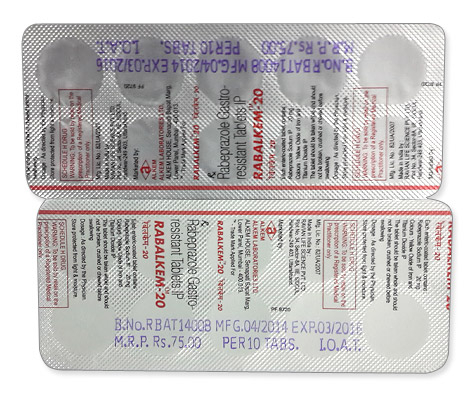
Common alternatives on NHS formularies include esomeprazole, pantoprazole, lansoprazole and rabeprazole.
Esomeprazole is the S‑enantiomer sometimes promoted for prolonged acid control, but for many patients head‑to‑head differences are modest and choice is shaped by cost and prior response.
Pantoprazole may be preferred when interaction profiles are a concern, for example in complex polypharmacy.
- Pros vs Cons Checklist: PPIs are effective for healing but carry small long‑term safety concerns; H2 antagonists and antacids remain options for intermittent, mild symptoms.
- Shared decision‑making should include previous response to therapies, pregnancy planning and the patient’s tolerance of medicines.
Documenting reasons for switching within the NHS record helps continuity of care and audit trail for repeat prescribing.
Faq Section
Q: Can I buy Losec OTC?
A: Yes — 20mg short-course packs are sold in pharmacies for 14 days (maximum one course every four months), while larger or chronic needs require an NHS prescription.
Q: How long until I feel better?
A: Many patients notice relief within days for uncomplicated heartburn; erosive disease may require 4–8 weeks of 20–40mg daily to heal.
Q: Is long‑term use safe?
A: Short courses are safe for most people; long‑term therapy warrants review for risks such as hypomagnesaemia, infections and bone density effects — discuss deprescribing with your GP or pharmacist.
Q: Can I stop suddenly?
A: Abrupt stopping after prolonged use can cause rebound symptoms; follow a clinician’s tapering plan or pharmacist advice to reduce discomfort.
Signpost patients to NHS.uk for general guidance and to MHRA Yellow Card for reporting suspected adverse reactions.
Guidelines For Proper Use (Pharmacist Counselling & Nhs Support)
Patients need clear, practical counselling when purchasing or being prescribed Losec.
Pharmacist counselling should cover the indication, correct timing (30–60 minutes before a meal), expected duration (OTC 14 days, longer if prescribed), likely side effects and important interactions such as with clopidogrel and nelfinavir.
Use electronic prescription notes to record intended stop or review dates and flag long‑term users for a medication review.
For children, advise weight‑based dosing with dispersible or suspension forms and refer to paediatric services where appropriate.
- Confirm Indication And Current Medications.
- Advise On Timing: 30–60 Minutes Before Breakfast.
- Explain Duration And How To Stop (Taper If Long‑Term).
- Discuss Side Effects And When To Seek Medical Help (Red Flags).
- Record Review Date In NHS Electronic Records And Encourage Yellow Card Reporting For Serious Events.
Encourage patients to read the patient information leaflet and to contact NHS 111 or their GP for red‑flag symptoms such as weight loss, persistent vomiting, difficulty swallowing or gastrointestinal bleeding.
Delivery Across United Kingdom
| City | Region | Delivery Time |
|---|---|---|
| London | Greater London | 5–7 days |
| Birmingham | West Midlands | 5–7 days |
| Manchester | Greater Manchester | 5–7 days |
| Glasgow | Scotland | 5–7 days |
| Edinburgh | Scotland | 5–7 days |
| Leeds | West Yorkshire | 5–7 days |
| Bristol | South West England | 5–7 days |
| Liverpool | Merseyside | 5–9 days |
| Sheffield | South Yorkshire | 5–9 days |
| Newcastle | Tyne and Wear | 5–9 days |
| Nottingham | Nottinghamshire | 5–9 days |
| Belfast | Northern Ireland | 5–9 days |
| Cardiff | Wales | 5–9 days |
| Leicester | Leicestershire | 5–9 days |