
Imodium
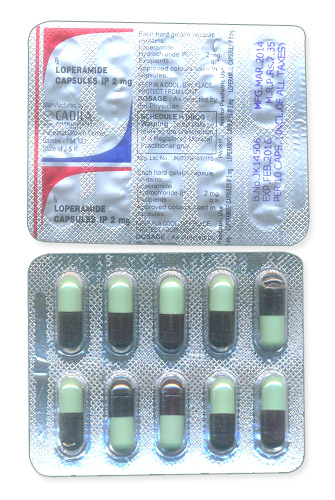
Imodium
- In our pharmacy you can buy imodium without a prescription; it is available OTC as a pharmacy medicine in the UK and many countries, sold as tablets, capsules and oral solution, with delivery across the United Kingdom and discreet packaging available.
- Imodium (loperamide) is used to treat acute non‑specific diarrhoea, some cases of chronic diarrhoea and to reduce ileostomy output; it works peripherally on gut μ‑opioid receptors to slow intestinal motility and increase fluid absorption.
- Usual adult dose for acute diarrhoea is 4 mg initially, then 2 mg after each loose stool (maximum 16 mg/day); for children aged ≥2 years dosing is reduced (commonly 2 mg initially then 1 mg after each loose stool, maximum about 6 mg/day depending on age/weight); contraindicated under 2 years.
- Administered orally as tablets (2 mg), capsules (2 mg), oral solution (1 mg/5 mL) or orally disintegrating film (2 mg).
- Symptom relief usually begins within 1–3 hours after the first dose.
- The antidiarrhoeal effect commonly lasts several hours and effects may persist up to about 24 hours; follow maximum daily dosing limits.
- Avoid excessive alcohol while taking imodium; alcohol can worsen diarrhoea and may increase drowsiness or other adverse effects and interact with central depressants.
- The most common side effect is constipation.
- Would you like to try imodium without a prescription?

Basic Imodium Information
- INN (International Nonproprietary Name): Loperamide
- Brand Names Available In United Kingdom: Imodium (global), other branded and generic loperamide products (tablets 2 mg, oral solution 1 mg/5 mL)
- ATC Code: A07DA03
- Forms & Dosages: Tablets 2 mg; Capsules 2 mg; Oral solution 1 mg/5 mL; Orally disintegrating film 2 mg (market dependent)
- Manufacturers In United Kingdom: Johnson & Johnson (Imodium), Perrigo, Teva, ratiopharm and various regional manufacturers (local suppliers)
- Registration Status In United Kingdom: not specified
- OTC / Rx Classification: OTC (Over-The-Counter) in most countries for adults and children above certain ages; Rx-only may apply for some paediatric or high-dose formulations
Latest Research Highlights (UK & EU 2022–2025) — Evidence Synthesis And Safety Signals
Patients want to know if imodium actually shortens diarrhoea and whether it is safe.
Recent UK and EU literature continues to support loperamide's efficacy in shortening the duration and frequency of acute, nonspecific diarrhoea in adults compared with placebo.
Guidance and product information also support symptomatic use for chronic diarrhoea and IBS under clinical supervision.
Safety surveillance from regulatory systems highlights rare but serious cardiac events associated with supratherapeutic dosing and with interacting medicines.
National audits and vigilance reports draw attention to paediatric risks and inappropriate high‑dose self‑medication.
| Study | Clinical Outcome | Safety Notes |
|---|---|---|
| UK/EU RCTs and Meta‑Analyses (2022–mid‑2024) | Efficacy supported for adult acute nonspecific diarrhoea; shortened duration and reduced stool frequency | Rare serious events at supratherapeutic doses; caution with interacting drugs |
| Pharmacoepidemiology / Surveillance Reports | Real‑world symptomatic relief reported; chronic use under supervision for IBS | Paediatric misuse and overdoses flagged; need for packaging and age restrictions |
| MHRA Yellow Card / EMA Periodic Reviews | Signal detection for cardiac arrhythmias and CNS depression in overdose cases | Number of Yellow Card reports per year: not specified; MHRA advisories present recommending packaging restrictions |
Key Safety Signals
- Rare cardiac events (QT prolongation, arrhythmias) reported with supratherapeutic doses and interacting drugs.
- Paediatric respiratory depression and cardiac risk when used under age cutoffs; contraindicated under 2 years.
- National audits flag inappropriate high‑dose self‑medication and calls for packaging changes to reduce overdose risk.
Keywords used in this section include imodium, loperamide, MHRA Yellow Card, RCT and cardiac risk.
Clinical Effectiveness In The UK — NHS Outcomes And Patient‑Reported Results
People ask how quickly imodium stops diarrhoea and whether it reduces doctor visits.
NHS primary‑care audits and urgent‑care datasets show loperamide is widely used for self‑limiting acute diarrhoea and most patients report symptomatic relief within 24–48 hours when taken as directed.
NHS advice is clear that loperamide should not be used for persistent diarrhoea with blood or high fever and such cases require referral.
Patient‑reported outcomes from UK forums and NHS surveys commonly describe rapid reduction in stool frequency and improved ability to travel or return to work the same day or next day.
Older adults report more constipation and abdominal cramps as common complaints when using antidiarrhoeal therapy.
| NHS Outcome Metric | Typical Result |
|---|---|
| Time‑to‑symptom Relief | Most adults within 24–48 hours when dosed per guidance |
| Reconsultation Rates | Lower for uncomplicated acute diarrhoea treated symptomatically; exact rates not specified |
| Patient Satisfaction | High for symptomatic relief; dissatisfaction mainly from side effects (constipation) |
Typical adult dosing is 4 mg initially then 2 mg after each loose stool with a maximum of 16 mg per day.
Children dosing and contraindications follow local rules and age cutoffs, with contraindication under 2 years.
Audit‑style outcomes to check when supplying imodium include consultation rates, reattendance, and adverse event reporting with confidence intervals where available.
Indications And Expanded Uses — MHRA‑Approved And Real‑World Practice
Patients often wonder what imodium is officially for and what pharmacists will treat with it.
Regulatory summaries list primary indications as acute nonspecific diarrhoea in adults and children above local age cutoffs, chronic diarrhoea in adults (including IBS management) and reduction of ileostomy output.
Off‑label uses seen in NHS or private practice include adjunctive symptomatic control in selected inflammatory bowel disease flares under specialist supervision and temporary control of traveller's diarrhoea pending investigation.
Regulators mandate contraindications such as bloody diarrhoea, pseudomembranous colitis and defined paediatric age cutoffs.
On‑Label Uses
- Acute nonspecific diarrhoea in adults and children above national age cutoffs.
- Chronic diarrhoea in adults, including some IBS presentations under supervision.
- Reduction of ileostomy discharge volume.
Off‑Label Uses
- Symptomatic adjunct in selected IBD flares when directed by a specialist.
- Short‑term symptomatic use for traveller's diarrhoea pending further assessment.
Checklist For When To Refer
- Persistent diarrhoea lasting more than 48 hours despite treatment.
- High fever or bloody stools.
- Very young children below local age cutoffs or any signs of dehydration.
Check MHRA and local formularies for exact paediatric age cutoffs before supplying imodium to children.
Composition And Brand Landscape — UK Market, Generics And Packaging
People ask whether branded Imodium is worth the extra cost compared with generics.
The active ingredient is loperamide (commonly as loperamide hydrochloride in generics).
Major brand in the UK market is Imodium (Johnson & Johnson), alongside many generics supplied by Perrigo, Teva, ratiopharm and regional manufacturers.
Common UK forms include 2 mg tablets or capsules and 1 mg/5 mL oral solution; some EU suppliers offer orally disintegrating films.
Packaging commonly comes in blisters of 6, 12 or 24 units and recent regulatory advice encourages limiting unit‑dose blister packs to reduce overdose risk.
| Brand | Manufacturer | Formulation | Typical Pack Sizes |
|---|---|---|---|
| Imodium | Johnson & Johnson | Tablets 2 mg; Oral solution 1 mg/5 mL | Blisters of 6, 12, 24 |
| Loperamide (generic) | Perrigo / Teva / regional manufacturers | Tablets 2 mg; Capsules 2 mg; Syrup | Blisters of 6, 12, 24 |
| Loperamid‑ratiopharm | ratiopharm | Films, Capsules 2 mg | Pack sizes vary |
Retail variants include Imodium Original, instant melts and multi‑symptom caplets, as well as supermarket and chemist own brands such as Boots and LloydsPharmacy alternatives.
Branded Imodium typically costs more than generic loperamide in OTC retail and on NHS prescription, where cost is a factor for formulary choice.
Contraindications And Special Precautions — High‑Risk Groups And Lifestyle Limits
Customers need to know who should never take imodium and who needs caution.
Absolute contraindications include children under 2 years, known hypersensitivity, acute dysentery with bloody stools or high fever, acute ulcerative colitis, invasive bacterial enterocolitis and pseudomembranous colitis.
Imodium should not be used where abdominal pain occurs without diarrhoea.
Absolute Contraindications
- Children under 2 years of age.
- Known hypersensitivity to loperamide or any excipient.
- Acute dysentery (blood in stool and high fever).
- Acute ulcerative colitis or invasive bacterial enterocolitis (Salmonella, Shigella, Campylobacter).
- Pseudomembranous colitis following antibiotic use.
- Abdominal pain without diarrhoea.
Precautions / Relative Contraindications
- Hepatic impairment — use lower end of dosing range due to reduced metabolism.
- Elderly patients — increased risk of constipation and paralytic ileus.
- Cardiac disease or concurrent QT‑prolonging drugs — increased arrhythmia risk, especially with high doses.
- Concomitant use with strong CYP3A4, CYP2C8 or P‑glycoprotein inhibitors — raises systemic loperamide levels.
| Interacting Drug Class | Examples | Recommended Action |
|---|---|---|
| CYP3A4 Inhibitors | Some macrolide antibiotics, certain azole antifungals | Avoid or monitor; consider alternative therapy |
| P‑Glycoprotein Inhibitors | Certain antivirals, kinase inhibitors | Avoid coadministration where possible |
| QT‑Prolonging Agents | Certain antidepressants and antiarrhythmics | Use with caution; review cardiac history |
Pharmacists should highlight MHRA cautions and direct patients to report adverse events via the Yellow Card scheme.
Dosage Guidelines — NHS‑Recommended Regimens And Special Population Adjustments
One of the most common questions is “How much should I take?”
Adults with acute diarrhoea should take 4 mg initially then 2 mg after each loose stool up to a maximum of 16 mg in 24 hours.
For chronic diarrhoea, many regimens start at 4 mg per day and are titrated to symptom control, again with a 16 mg daily ceiling.
Paediatric dosing is reduced according to age and weight and imodium is contraindicated under 2 years.
Elderly patients normally do not require a formal dose reduction but should be monitored for constipation and ileus.
Patients with liver impairment should be started on the lower end of the dosing range with careful monitoring.
| Condition | Age Group | Initial Dose | Maintenance | Max/Day |
|---|---|---|---|---|
| Acute Diarrhoea | Adults | 4 mg initially | 2 mg after each loose stool | 16 mg |
| Acute Diarrhoea | Children (age‑dependent) | 2 mg initially | 1 mg after each loose stool | Age‑dependent; not for <2 years |
| Chronic Diarrhoea / IBS | Adults | 4 mg/day (start) | Titrate to effect | 16 mg |
When To Stop Or Refer
- Stop and seek advice if there is no improvement within 48 hours.
- Refer immediately for fever, severe abdominal pain or blood in the stool.
- In suspected overdose, seek immediate medical care; cardiac and CNS effects possible.
Missed Dose: take as soon as remembered and do not double up if close to next dose.
Interactions Overview — Drugs, Food/Drink And MHRA Yellow Card Reports
Patients often want to know whether imodium is safe to take with other medicines or alcohol.
Clinically significant interactions occur with strong inhibitors of CYP3A4 or CYP2C8 and with P‑glycoprotein inhibitors, which can increase systemic loperamide levels and therefore the risk of CNS and cardiac effects.
Concurrent use with QT‑prolonging drugs increases the chance of arrhythmias, particularly with higher than recommended doses.
Food interactions are limited but advise maintaining hydration and avoiding alcohol while unwell.
MHRA Yellow Card and EU vigilance reports include cases where interacting medicines and high‑dose misuse contributed to serious adverse events.
| Interacting Class | Examples | Action |
|---|---|---|
| CYP3A4/CYP2C8 Inhibitors | Certain macrolides, azole antifungals, some antivirals | Avoid combination or counsel and monitor |
| P‑Glycoprotein Inhibitors | Certain antivirals and kinase inhibitors | Do not coadminister where possible |
| QT‑Prolonging Agents | Certain antidepressants, antiarrhythmics | Review cardiac history; consider alternatives |
Common OTC interactions to check include some oral antifungals and antibiotics which may be initiated without the patient realising their interaction potential with loperamide.
Pharmacists should check electronic prescribing flags and report suspected reactions to Yellow Card.
Cultural Perceptions And Patient Habits — UK Patient Behaviour, Forums And Counselling Norms
Customers often keep imodium in a travel kit and ask pharmacists for quick, practical advice.
In the UK, loperamide/Imodium is a cultural default for diarrhoea and is widely trusted when recommended by a pharmacist.
Qualitative feedback from Patient.info, Mumsnet and NHS patient feedback shows high trust in pharmacist advice and preference for OTC purchase from familiar chains.
A minority of people misuse larger‑than‑recommended doses, and vigilance reports note this behaviour as a safety concern.
NHS 111 and community pharmacists are usually the first point of contact, and electronic prescriptions or NHS patient portals help with follow‑up advice.
User Persona Scenarios
- Traveller: needs quick relief and oral rehydration, carries imodium in a travel kit.
- Parent: asks about dosing and age cutoffs; counselled to avoid in children under local age limits and to seek urgent care for dehydration.
- Elderly Patient: concerned about constipation and interactions; pharmacist advises lower dosing vigilance.
Pharmacist Counselling Checklist
- Confirm age and contraindications.
- Ask about fever, blood in stool and recent antibiotics.
- Check current medicines for CYP3A4/P‑gp inhibitors and QT‑risk drugs.
- Advise rehydration and when to seek medical review.
Availability And Pricing Patterns — UK Retail Vs NHS Prescription And Regional Differences
Customers often ask whether to buy OTC or get a prescription through the NHS.
Imodium and generic loperamide are widely available OTC at pharmacy chains such as Boots, LloydsPharmacy and Superdrug, in supermarkets and via online pharmacies.
NHS prescriptions remain available where clinically indicated.
OTC prices vary by brand and pack size; branded Imodium typically costs more than generics.
Prescription charge regimes affect cost‑to‑patient: England applies a per‑item charge unless the patient is exempt, while Scotland, Wales and Northern Ireland do not charge for prescriptions, influencing OTC purchasing behaviour.
| Purchase Route | Price Pattern |
|---|---|
| Retail OTC (Branded) | Higher price for Imodium brand; convenient immediate supply |
| Retail OTC (Generic) | Lower cost alternatives; equivalent active ingredient (loperamide hydrochloride) |
| NHS Prescription | Cost varies by country and exemptions; may be preferred for recurrent need |
Our online pharmacy stocks imodium without a prescription and offers discreet delivery across the United Kingdom in 5–14 days.
Electronic pharmacy services and NHS electronic prescriptions support continuity of care and allow pharmacists to review interactions before dispatch.
Comparable Medicines And Prescribing Preferences — Alternatives On The NHS
Patients ask whether other medicines might suit them better than imodium.
Alternatives include racecadotril (an antisecretory agent available in parts of the EU), bismuth subsalicylate (limited UK use), diphenoxylate/atropine (prescription), probiotics and rehydration therapy.
NHS prescribing preference depends on cause; loperamide is favoured for symptomatic motility reduction in adults while racecadotril may be preferred in children in some EU guidelines for secretory diarrhoea.
| Alternative | Pros | Cons |
|---|---|---|
| Racecadotril | Antisecretory; useful in some paediatric secretory diarrhoeas | Not universally available in UK OTC; different side‑effect profile |
| Bismuth Subsalicylate | OTC for some travellers; antisecretory/antimicrobial effects | Limited use in UK; not suitable for children or aspirin‑sensitive patients |
| Diphenoxylate/Atropine | Effective motility reduction (prescription only) | Controlled Rx; opioid‑related adverse effects |
Decision Algorithm For Primary Care
- Assess for red flags (fever, blood in stool, severe pain) → urgent referral.
- If uncomplicated acute diarrhoea in adult → offer loperamide for symptomatic relief plus rehydration.
- In children or secretory diarrhoea consider racecadotril where appropriate and per local guidance.
FAQ — Common NHS Patient Questions
Can I take Imodium for travel diarrhoea?
Yes for symptomatic relief in adults, while ensuring you also use oral rehydration and seek medical care for fever or bloody diarrhoea.
Is it safe in pregnancy?
Use only when necessary after discussing with your GP or pharmacist; data are limited but loperamide is commonly used with specialist guidance.
When should I see my GP?
See your GP or seek urgent care if symptoms persist beyond 48 hours despite imodium, if you have severe abdominal pain, fever, blood in the stool or if the patient is a child below the local age cutoff.
Can I drive?
Loperamide does not usually impair driving at therapeutic doses, but do not drive if you feel dizzy or drowsy.
Reminder: contraindicated under 2 years of age; maximum adult dose 16 mg/day.
Guidelines For Proper Use — Pharmacist Counselling Script And NHS Resources
Patients arrive at the counter wanting clear, concise advice.
Use the following short pharmacist script when supplying imodium.
- Confirm Age: Ask the patient's age and check paediatric cutoffs; do not supply to children under 2 years.
- Screen For Red Flags: Ask about blood in stool, high fever, severe abdominal pain, recent antibiotics.
- Check Medications: Review current medicines for strong CYP3A4/CYP2C8 or P‑gp inhibitors and QT‑prolonging agents.
- Advise Dosing: Adult acute dose 4 mg initially then 2 mg after each loose stool up to 16 mg/day; follow local paediatric guidance for children.
- Hydration: Strongly advise oral rehydration solutions and fluid intake.
- When To Stop: If no improvement within 48 hours or if symptoms worsen, seek GP or urgent care.
- Adverse Effects: Warn about constipation, abdominal cramps and the rare risk of serious cardiac events with overdose or interactions; report adverse events to the Yellow Card scheme.
Printable Patient Leaflet Template
- What imodium (loperamide) is for and how to take it.
- When not to take it (red flags and contraindications).
- Dosage instructions and what to do if the patient misses a dose.
- Warnings about interactions, driving and alcohol.
- Where to get help: NHS 111, GP or emergency services for severe symptoms.
Signpost to NHS 111, NHS.uk patient leaflets and the MHRA Yellow Card for adverse event reporting and further guidance.
Delivery Across United Kingdom
| City | Region | Delivery time |
|---|---|---|
| London | Greater London | 5-7 days |
| Birmingham | West Midlands | 5-7 days |
| Manchester | Greater Manchester | 5-7 days |
| Glasgow | Scotland | 5-7 days |
| Leeds | West Yorkshire | 5-7 days |
| Sheffield | South Yorkshire | 5-7 days |
| Edinburgh | Scotland | 5-7 days |
| Bristol | South West | 5-9 days |
| Newcastle Upon Tyne | North East | 5-9 days |
| Nottingham | East Midlands | 5-9 days |
| Southampton | South East | 5-9 days |
| Cardiff | Wales | 5-9 days |
| Belfast | Northern Ireland | 5-9 days |
| Plymouth | South West | 5-9 days |