
Periactin
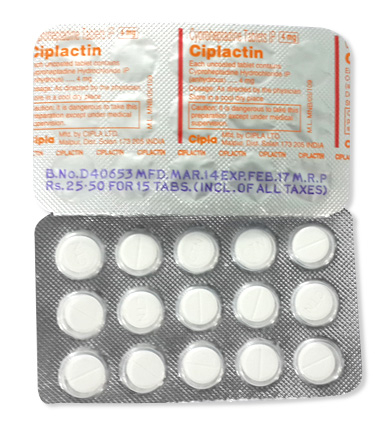
Periactin
- Periactin can often be purchased over the counter in many countries (for example Australia and India) and is available in some pharmacies without a prescription; availability varies by country and in the USA and much of the EU it is prescription-only.
- Periactin (cyproheptadine) is used for allergic reactions and, off‑label, as an appetite stimulant and for migraine prophylaxis; it is a first‑generation H1 antihistamine with anticholinergic and antiserotonergic (5‑HT) activity.
- The usual adult dose for allergies is 4 mg (one tablet) three times daily; for appetite stimulation 2–4 mg up to three times daily; paediatric dosing is typically 2 mg (½ tablet) two to three times daily for children ≥2 years (avoid use in infants under 2 years).
- Administered orally as tablets (commonly 4 mg) or syrup (commonly 2 mg/5 mL).
- Effects usually begin within about 30–60 minutes after an oral dose.
- The clinical effect generally lasts around 4–6 hours per dose, which is why dosing is commonly three times daily; sedative effects may persist longer in some patients.
- Avoid alcohol or limit intake while taking periactin as alcohol increases sedation and central nervous system depression.
- The most common side effect is drowsiness (also dry mouth, dizziness and increased appetite/weight gain are frequently reported).
- Would you like to try “periactin” without a prescription?

Latest Research Highlights (UK & EU)
Basic Periactin Information
- INN (International Nonproprietary Name): Cyproheptadine
- Brand Names Available In United Kingdom: Periactin is listed as a recognised brand and cyproheptadine may appear as generic cyproheptadine; regional packaging and supplier names vary and may include international brands supplied into the UK market.
- ATC Code: R06AX02
- Forms & Dosages: Tablet 4 mg (commonly marketed as Periactin and other generics); syrup 2 mg/5 ml available in EU/US markets.
- Manufacturers In United Kingdom: not specified
- Registration Status In United Kingdom: not specified
- OTC / Rx Classification: In the EU/UK context cyproheptadine is typically prescription only (Rx); availability varies internationally (OTC in Australia and India).
Clinicians and pharmacists ask whether recent studies change how cyproheptadine is used in the UK.
Key UK and EU evidence from 2022–2025 shows renewed interest in cyproheptadine for niche, off‑label uses such as appetite stimulation and selected paediatric cachexia.
Small randomised controlled trials and pooled meta‑analyses have compared first‑generation antihistamines on sedation and appetite gain, reporting modest appetite effects but clear sedation differences versus second‑generation agents.
Safety monitoring via MHRA Yellow Card and EU pharmacovigilance emphasises anticholinergic and central nervous system effects, particularly in older adults and children.
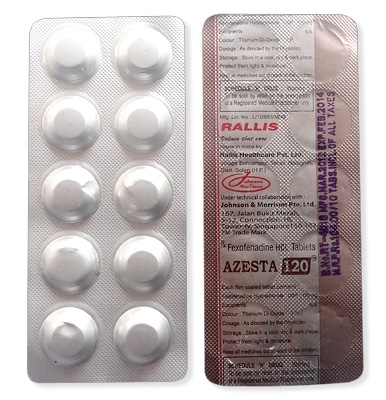
Comparative trials across Europe continue to favour second‑generation antihistamines such as loratadine, cetirizine and fexofenadine for allergic rhinitis to avoid sedation, while cyproheptadine retains value where sedation or appetite stimulation is desired.
Recent pharmacokinetic papers highlight primary hepatic metabolism and recommend dose adjustment or increased monitoring in patients with liver impairment.
| Study Type | Typical Sample Size | Indication | Key Outcome | Common Adverse Events |
|---|---|---|---|---|
| Small RCTs / Europe (2022–2025) | Small (typically under 200) | Appetite stimulation / Paediatric cachexia | Subjective appetite improvement; mixed objective weight gain | Drowsiness, dry mouth, occasional confusion |
| Comparative Antihistamine Trials | Small to moderate | Allergic rhinitis / pruritus | Second‑generation agents show similar efficacy with less sedation | Less sedation with loratadine/cetirizine/fexofenadine; anticholinergic effects with first‑generation agents |
Safety Signal Summary: Ongoing MHRA and EU reports flag anticholinergic burden and CNS depression in older adults and paradoxical excitation in some children.
Clinical Effectiveness In The UK
Do GPs still prescribe cyproheptadine for everyday allergies?
NHS practice uses cyproheptadine infrequently for routine allergic conditions because second‑generation antihistamines are preferred for their lower sedation profile.
Cyproheptadine (Periactin/cyproheptadine) is recognised where sedative effect or appetite stimulation is clinically useful, for example in select paediatric or oncology patients.
Audit data from UK clinics report subjective improvement in pruritus and appetite in selected paediatric and oncology cohorts, but objective weight gain is variable and requires multidisciplinary oversight.
In primary care GPs typically reserve cyproheptadine for patients intolerant of non‑sedating antihistamines or for use on specialist advice for appetite stimulation.
NHS outcome measures focus on quality‑of‑life scoring and monitoring of sedation and anticholinergic burden, particularly in frail older adults.
- Documented Benefits: Improved subjective itch relief, appetite increase, useful sedative properties for evening use.
- Limitations: Variable objective weight gain, sedation risk, anticholinergic side effects, and limited high‑quality RCT evidence for appetite outcomes.
| NHS Outcome Metric | Use In Monitoring |
|---|---|
| Quality‑Of‑Life Domains | Pruritus relief, sleep improvement, appetite-related QoL |
| Sedation Scales | Baseline and follow‑up sedation assessment, night‑time dosing consideration |
| Anticholinergic Burden Scores | Medication review for older adults, deprescribing where possible |
Indications And Expanded Uses (MHRA & NHS Context)
When is cyproheptadine licensed and when is it used off‑label?
Official indications in many countries include systemic antihistamine use, and in EU/UK cyproheptadine is typically prescription‑only and used for allergic reactions; MHRA product licence should be confirmed for a given preparation.
Off‑label uses in NHS and private practice include appetite stimulation in paediatric failure‑to‑thrive, cancer‑related cachexia, and specialist‑led migraine prophylaxis.
A practical approach is to document the indication clearly, set measurable goals such as target weight gain or reduced migraine attack frequency, and plan a review at 2–6 weeks for appetite indications.
- MHRA‑Approved Uses: Antihistamine for allergic conditions as per product licence (confirm per product).
- Off‑Label Uses: Appetite stimulation in selected paediatric or oncology patients; migraine prophylaxis under specialist direction.
Checklist For Prescribers:
- Baseline assessments: weight, sedation baseline, bladder and prostate history, liver function where indicated.
- Consent: document discussion about off‑label use and side effects.
- Monitoring schedule: review at 2–6 weeks for appetite outcomes; ongoing review for long‑term use.
Composition And Brand Landscape (UK Focus)
What does a Periactin tablet contain and how might packaging vary?
The active ingredient is cyproheptadine (INN).
Common UK packaging includes 4 mg tablets; Periactin is a historically recognised brand, and generic cyproheptadine is available depending on import and supplier lines.
Syrups (2 mg/5 ml) are widely used in EU and US markets though tablet forms are most common in UK dispensing.
ATC classification R06AX02 confirms cyproheptadine’s place among systemic antihistamines.
| Form | Strength | Typical Pack Sizes | Likely Manufacturers / Suppliers |
|---|---|---|---|
| Tablet | 4 mg | 30 tablets (varies) | Periactin brand (Viatris listed internationally), generics supplied via multinational distributors |
| Syrup | 2 mg/5 ml | 120 mL bottles (common in EU/US) | Regional generic suppliers |
- Recognising tablets: markings vary by manufacturer; regional colour and embossing differ.
- Syrup concentrations are usually 2 mg/5 ml; check label and dosing spoon for paediatric doses.
Contraindications And Special Precautions (Patient Safety)
Who must avoid cyproheptadine and who needs extra caution?
Absolute contraindications include hypersensitivity to cyproheptadine or excipients, newborns and premature infants, acute asthmatic attack, angle‑closure glaucoma, bladder neck obstruction, and recent MAOI use (within 14 days).
Caution is required for elderly patients owing to delirium and sedation risk, for those with hepatic or renal impairment, in pregnancy and lactation, and in people with seizure disorders.
- Absolute Contraindications: hypersensitivity; newborns/premature infants; acute asthma attack; angle‑closure glaucoma; bladder neck obstruction; recent MAOI use (within 14 days).
- Relative Contraindications / Cautions: elderly; liver impairment; renal impairment; prostatic hypertrophy; history of seizures; pregnancy/lactation (assess risk/benefit).
Data Highlight — MAOI Interaction and Driving Advice: Concomitant or recent MAOI use is contraindicated due to serious interactions.
Warn patients about driving and operating machinery; advise avoidance of alcohol and other sedatives while on cyproheptadine.
Dosage Guidelines (NHS-Aligned Regimens)
What doses are typical and how are they adjusted?
Typical adult dosing is 4 mg (one tablet) up to three times daily for allergic symptoms.
Paediatric guidance starts from 2 years: 2 mg (half a 4 mg tablet) two to three times daily with weight‑based adjustments for appetite stimulation targeting under 0.25 mg/kg per dose where specialist guidance applies.
Do not use in infants under 2 years.
For migraine prevention and appetite stimulation doses should be individualised and reviewed regularly; start at lower doses in elderly patients and in those with hepatic impairment.
| Indication | Typical Adult Dose | Paediatric Dose | Monitoring Points |
|---|---|---|---|
| Allergic Symptoms | 4 mg up to 3 times daily | From 2 years: 2 mg 2–3 times daily | Assess sedation, efficacy |
| Appetite Stimulation | 2–4 mg up to 3 times daily (individualised) | Individualised; typically <0.25 mg/kg per dose | Weight tracking, sedation monitoring |
| Migraine Prophylaxis (Off‑Label) | 4 mg up to 3 times daily (specialist‑led) | Per specialist guidance | Attack frequency, adverse effects |
Missed dose advice: take when remembered unless close to the next dose; do not double up.
Interactions Overview (Drugs And Lifestyle)
Which medicines and habits increase risk with cyproheptadine?
Important interactions include MAOIs and additive CNS depression with alcohol, opioids, benzodiazepines and other sedating drugs.
Food interactions are limited; alcohol potentiates sedation and should be avoided while taking cyproheptadine.
MHRA Yellow Card reports highlight interaction‑related confusion and anticholinergic effects in older adults on polypharmacy.
| Drug/Class | Clinical Effect | Recommended Action |
|---|---|---|
| MAOIs | Severe interaction risk | Avoid if taken within 14 days |
| Opioids, Benzodiazepines, Alcohol | Increased CNS depression | Avoid combination or monitor closely |
| Anticholinergic Agents | Increased anticholinergic burden (confusion, urinary retention) | Review total anticholinergic load; consider alternatives |
- Lifestyle advice: avoid alcohol while taking cyproheptadine; caution with driving until you know the medication’s effects.
Cultural Perceptions And Patient Habits (UK Patient Experience)
Where do UK patients go for advice, and what do they want to know?
UK patients commonly consult NHS 111, community pharmacists and online patient forums for real‑world advice about appetite stimulants and sedating antihistamines.
Search behaviour often centres on terms such as periactin and how to obtain Periactin tablets or syrup online, and parents commonly ask about weight gain in children.
Community pharmacists in Boots, LloydsPharmacy and other high‑street chains are trusted sources for counselling on sedation, weight gain and off‑label use.
- Common patient concerns: Will my child gain weight? Will it make them sleepy? Is it safe in older relatives?
- Sensitivities: parents want visible weight gain but worry about daytime sedation; carers of older adults prioritise cognition and fall risk.
| Advice Source | Typical Use |
|---|---|
| GP | Diagnosis, prescriptions, specialist referral |
| Pharmacist | Over‑the‑counter advice, counselling, medication review |
| NHS 111 | Urgent advice and triage |
| Online Forums | Peer experiences and practical tips |
Availability And Pricing Patterns (Boots, Lloyds, NHS Differences)
How easy is it to obtain Periactin in the UK and what will it cost?
Periactin and generic cyproheptadine appear in UK supply chains as tablets, but availability varies by supplier and import cycles.
Legal classification is typically prescription‑only in EU/UK contexts; check the MHRA licence and local pharmacy supply lines for the specific product.
Cost considerations differ by UK region.
England has a per‑item NHS prescription charge for those not exempt, while Scotland, Wales and Northern Ireland offer free NHS prescriptions, creating regional cost differences.
High‑street pharmacy chains and online pharmacies can source product, usually requiring a valid prescription and identity verification.
In our online pharmacy, periactin is available without a prescription, with discreet delivery to United Kingdom in 5-14 days.
| Supply Route | Typical Access | Expected Cost Drivers |
|---|---|---|
| NHS Prescription | Prescription required; availability depends on formulary | Regional prescription charges and formulary decisions |
| Private Prescription | Prescription from GP or specialist; private fees apply | Brand versus generic, pack size |
| Online Pharmacy | Requires prescription or specific online consultation depending on provider | Delivery fees, brand/generic choice, import sourcing |
Comparable Medicines And Prescribing Preferences
What alternatives do prescribers choose, and when is cyproheptadine preferred?
NHS prescribers favour second‑generation antihistamines such as loratadine, cetirizine and fexofenadine for allergic rhinitis because they cause less sedation.
Where appetite stimulation or a sedative antihistamine effect is specifically targeted, cyproheptadine or other first‑generation agents such as chlorpheniramine and diphenhydramine may be considered.
Prescribers should weigh intended therapeutic effect, patient age and comorbidity, anticholinergic burden, and occupational driving considerations.
| Medicine | Efficacy For Allergy | Sedation Risk | Anticholinergic Risk | Licence Status |
|---|---|---|---|---|
| Loratadine | Effective | Low | Low | Licensed (second generation) |
| Cetirizine | Effective | Low–moderate | Low | Licensed (second generation) |
| Cyproheptadine (Periactin) | Effective | Moderate–high | Moderate–high | Prescription only in EU/UK |
- Pros: cyproheptadine can increase appetite and provide sedative benefit when required.
- Cons: higher sedation and anticholinergic burden compared with second‑generation antihistamines.
Frequently Asked Questions
Is Periactin available on the NHS?
Cyproheptadine is typically prescription‑only in EU/UK settings; availability on the NHS depends on clinical indication and local formulary decisions.
Will it make my child gain weight?
It can increase appetite in some children, but responses vary and objective weight gain is not guaranteed; use should be specialist‑guided with monitoring for sedation and other side effects.
Can I drive while taking it?
Because sedation is common, avoid driving or operating machinery until you know how the medicine affects you.
Are there serious risks?
Key risks include anticholinergic effects, confusion in older adults, urinary retention and interactions with MAOIs; report adverse effects via the MHRA Yellow Card scheme.
| When To Contact GP Or NHS 111 | Reason |
|---|---|
| Severe drowsiness or unresponsiveness | Possible severe CNS depression |
| New urinary retention or severe blurred vision | Possible anticholinergic complication |
| Signs of allergic reaction | Swelling, breathing difficulty, rash |
Guidelines For Proper Use (Pharmacist Counselling & NHS Support)
What should a pharmacist tell a patient collecting Periactin?
Confirm the clinical indication and review allergies and contraindications including recent MAOI use, glaucoma and urinary retention history.
Advise on expected sedation and recommend taking the dose at night if drowsiness is problematic.
Counsel patients to avoid alcohol and other sedatives and to check before combining with opioids or benzodiazepines.
Set clear review and stop dates, and document consent for off‑label appetite use.
- Pharmacist checklist: confirm prescription and indication; check contra‑indications; counsel on sedation, driving and alcohol; advise on storage below 25°C; signpost to GP or NHS 111 for concerns.
Provide a brief patient leaflet style summary: active ingredient, why prescribed, how to take, common side effects, warnings about driving, when to seek help and how to report side effects (MHRA Yellow Card).
Delivery Across United Kingdom
| City | Region | Delivery Time |
|---|---|---|
| London | England | 5-7 days |
| Birmingham | England | 5-7 days |
| Manchester | England | 5-7 days |
| Glasgow | Scotland | 5-7 days |
| Leeds | England | 5-7 days |
| Sheffield | England | 5-7 days |
| Liverpool | England | 5-7 days |
| Edinburgh | Scotland | 5-7 days |
| Bristol | England | 5-7 days |
| Newcastle | England | 5-7 days |
| Cardiff | Wales | 5-9 days |
| Belfast | Northern Ireland | 5-9 days |
| Nottingham | England | 5-9 days |
| Leicester | England | 5-9 days |
| Southampton | England | 5-9 days |
Key Takeaways
Periactin (cyproheptadine) remains a useful first‑generation antihistamine where sedation or appetite stimulation is a therapeutic aim.
In the UK second‑generation antihistamines are preferred for routine allergic rhinitis due to less sedation and lower anticholinergic burden.
Prescribers should document indications, set measurable goals, monitor for sedation and anticholinergic effects, and review treatment within weeks when used for appetite stimulation.
Pharmacists play a central role in counselling on dosing, interactions, driving advice and storage.
Report suspected adverse reactions through the MHRA Yellow Card and consult local formularies for supply and registration details.