
Antiallergic
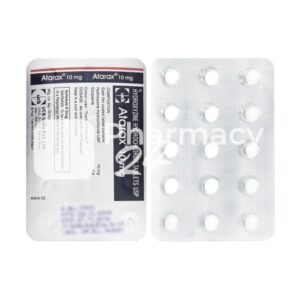
Atarax
from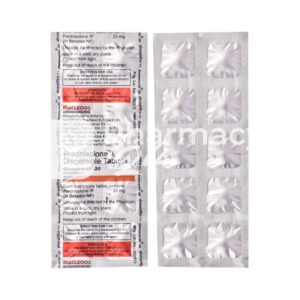
Deltacortril
from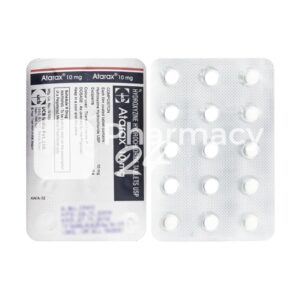
Hydroxyzine
from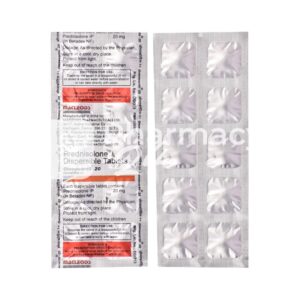
Prednisolone
fromUnderstanding Allergies and Antiallergic Medications
Allergies affect millions of people across the United Kingdom every year, causing uncomfortable symptoms that can significantly impact daily life. An allergic reaction occurs when the immune system overreacts to a harmless substance, triggering the release of histamine and other chemical mediators. These reactions can range from mild irritation to severe complications. Antiallergic medications work by blocking histamine receptors or preventing the release of histamine from mast cells, providing relief from various allergy symptoms.
The most common allergies include hay fever, food allergies, pet allergies, dust mite allergies, and skin reactions. Symptoms typically include sneezing, itching, runny nose, watery eyes, hives, and swelling. Understanding the type of allergy you suffer from is essential for selecting the right antiallergic treatment. Modern antiallergic medications are designed to be effective whilst minimising side effects, allowing you to maintain your normal activities throughout the year.
Antihistamines: The First Line of Defence
Antihistamines are the most commonly prescribed antiallergic medications available in the United Kingdom. They function by blocking H1 receptors in the body, which prevents histamine from triggering allergy symptoms. There are two main categories: first-generation and second-generation antihistamines.
Second-generation antihistamines are generally preferred because they cause less drowsiness and have fewer side effects. Popular options available on the UK market include cetirizine, sold under brands like Piriteze, which provides non-drowsy relief for up to 24 hours. Loratadine, marketed as Clarityn, is another effective option that works similarly to cetirizine. Fexofenadine, known as Telfast, is particularly useful for those who need alertness throughout the day. These medications are available over-the-counter at most UK pharmacies.
First-generation antihistamines like chlorphenamine and promethazine are still used but cause more sedation. They may be recommended for nighttime use when drowsiness is not problematic. All antihistamines work best when taken regularly during allergy season rather than only when symptoms appear.
Nasal Corticosteroids and Decongestants
Nasal corticosteroid sprays are highly effective for managing nasal allergy symptoms and are often considered the gold standard treatment for allergic rhinitis. These medications reduce inflammation directly in the nasal passages, providing long-lasting relief. Fluticasone propionate, available as Flonase Allergy Relief, and mometasone furoate, sold as Asmanex, are popular choices in the United Kingdom.
Nasal decongestants work quickly to relieve blocked noses by narrowing blood vessels in nasal passages. Pseudoephedrine and xylometazoline are common decongestants available in UK pharmacies. However, decongestants should not be used for longer than seven to ten days to avoid rebound congestion. Many combination products mixing antihistamines with decongestants are available, such as those containing both cetirizine and pseudoephedrine.
For best results, nasal sprays should be administered correctly. Users should tilt their head slightly forward and insert the spray nozzle into one nostril whilst breathing gently through the mouth. These medications typically begin working within 15 minutes to one hour.
Topical Antiallergic Treatments
Topical antiallergic treatments are applied directly to affected areas, making them ideal for localised allergic reactions such as itchy skin, eczema flare-ups, or contact dermatitis. Antihistamine creams and ointments provide immediate relief for itching and irritation without systemic absorption.
Topical corticosteroids are prescription medications that reduce inflammation and itching on the skin. Hydrocortisone cream is the mildest strength and available over-the-counter for minor skin irritations. Stronger formulations require prescription and should only be used as directed by healthcare professionals. These products are particularly effective for treating allergic dermatitis and other inflammatory skin conditions.
Emollients and barrier creams provide supportive care for sensitive skin. Products containing colloidal oatmeal or natural moisturisers help restore skin integrity and reduce irritation. Many UK pharmacies stock specialist ranges designed for allergy-prone skin. Eye drops containing antihistamines are also available for allergic conjunctivitis, providing rapid relief from red, itchy, watery eyes.
Mast Cell Stabilisers and Specialist Treatments
Mast cell stabilisers like sodium cromoglicate prevent histamine release from mast cells before allergic reactions occur. These are particularly useful for preventing allergy symptoms when taken before exposure to known allergens. Sodium cromoglicate is available as nasal spray, eye drops, and inhalers across UK pharmacies.
For more severe allergies or those not responding to standard treatments, specialist medications may be recommended. Montelukast, marketed as Singulair, is a leukotriene receptor antagonist that works differently from antihistamines and is effective for allergic rhinitis and allergic asthma. This medication requires a prescription from a doctor.
Immunotherapy, or allergy desensitisation, involves gradually increasing exposure to allergens under medical supervision. Whilst not a medication in the traditional sense, this treatment can provide long-term relief for severe allergies. Patients considering this option should consult NHS specialists or private allergy clinics in the United Kingdom. Some newer biological therapies targeting specific immune pathways are also available through specialist centres for patients with severe allergic conditions.
Choosing and Using Antiallergic Medications Safely
Selecting the right antiallergic medication depends on individual symptoms, severity, and lifestyle requirements. Over-the-counter antihistamines are suitable for mild to moderate allergies, whilst more severe cases may require prescription medications or combination therapy. It’s important to consider whether you need a medication that works quickly or one providing long-term prevention.
Always read product information carefully and check for interactions with other medications you may be taking. Antiallergic medications may interact with certain antidepressants, blood pressure medications, or other drugs. If you’re pregnant, breastfeeding, or have underlying health conditions, consult your pharmacist before starting any antiallergic treatment.
For optimal results, use medications consistently during allergy season rather than waiting for symptoms to become severe. Many people find that combining treatments, such as an antihistamine tablet with a nasal spray, provides better symptom control than single therapy. Keep a symptom diary to identify your specific triggers and discuss patterns with your pharmacist or doctor.
Consider the following key points when selecting antiallergic treatments:
- Choose non-drowsy formulations if you need to remain alert during the day
- Start with over-the-counter options for mild allergies before progressing to prescription medications
- Use preventative treatments before allergen exposure when possible
- Combine different treatment types for more comprehensive symptom relief
- Review your medication choices annually as new products become available
Most UK pharmacies offer free consultations to help you choose the most appropriate antiallergic medication for your individual needs. Always seek medical advice if symptoms worsen or new side effects develop. Your pharmacist is an excellent resource for understanding which treatment option best suits your particular allergy pattern and lifestyle requirements. By selecting the right antiallergic medication and using it correctly, you can enjoy relief from allergy symptoms and maintain your quality of life throughout the year.