Hydroxyzine
In brief
- Hydroxyzine can be purchased from some online pharmacies and in certain local markets; however, it is prescription-only in most countries. In some pharmacy settings it may be available without a prescription, but legality depends on local regulations. Delivery times and packaging vary by supplier.
- Hydroxyzine is used for allergy relief, itching (pruritus), anxiety, and sometimes short-term sleep aid or pre-operative sedation. It is a first-generation antihistamine that works by blocking histamine H1 receptors and also has sedative and anxiolytic effects through central nervous system action.
- The usual adult dose depends on the indication: for itching, 25 mg two to three times daily; for anxiety, 50–100 mg per day in divided doses; and for sedation or sleep, 25–50 mg at bedtime. The maximum daily dose is commonly 100 mg in adults.
- Hydroxyzine is available as tablets, capsules, syrup/oral solution, and injectable forms.
- It usually starts working within 15–60 minutes after oral administration.
- The duration of action is typically around 4–6 hours, although sedative effects may last longer in some people.
- Avoid alcohol while taking hydroxyzine, as it can significantly increase drowsiness, dizziness, and impaired concentration.
- The most common side effects are drowsiness, sedation, fatigue, dry mouth, blurred vision, constipation, and nausea.
- Would you like to try hydroxyzine without a prescription?
Latest Research Highlights: UK And EU Safety Findings, 2022–2025
Hydroxyzine is still used in UK practice, but the safety conversation around it has become much sharper in recent years.
The key issue is cardiac risk, especially QT prolongation and the small but serious risk of torsades de pointes.
That is why the MHRA and EMA-era approach now leans heavily on the lowest effective dose and the shortest possible duration, particularly for older adults and people taking several medicines.
Hydroxyzine is a prescription-only first-generation antihistamine with anxiolytic, sedative and antipruritic actions, so it can help quickly, but it also reaches the brain and can affect the heart.
In UK pharmacies, that matters most for patients with arrhythmia risk, a family history of QT prolongation, or complex polypharmacy where interactions are easy to miss.
| Risk signal | Relevant populations | Clinical implication |
|---|---|---|
| QT prolongation and TdP | People with cardiac disease, family history of QT prolongation, or QT-prolonging medicines | Avoid where possible; review medicines carefully |
| Excess sedation | Older adults, frail patients, shift workers, drivers | Use the lowest dose and warn about drowsiness |
| Anticholinergic burden | Patients on multiple medicines, especially the elderly | Raises risk of dry mouth, blurred vision, constipation and falls |
| Overdose toxicity | Accidental double dosing or self-harm risk | May cause extreme drowsiness, seizures and arrhythmia; urgent hospital care needed |
That safety profile explains why pharmacists often pause when hydroxyzine is requested alongside a long repeat list, amiodarone, macrolides, antipsychotics, benzodiazepines or alcohol use.
For most patients, hydroxyzine research UK updates support cautious, short-term symptom control rather than open-ended use.
Basic Hydroxyzine Information
- INN (International Nonproprietary Name): Hydroxyzine (hydroxyzine hydrochloride, hydroxyzine pamoate)
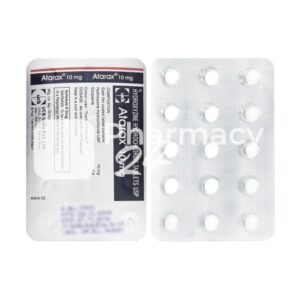
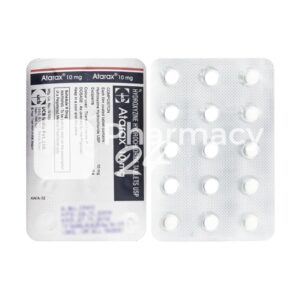
- Brand names available in United Kingdom: Atarax and generic hydroxyzine listings; local packaging may vary
- ATC Code: N05BB01
- Forms & dosages: Tablets 10 mg, 25 mg, 50 mg; capsules 25 mg, 50 mg; syrup/solution 2 mg/ml; injectable hospital forms 25 mg/ml, 50 mg/ml
- Manufacturers in United Kingdom: not specified
- Registration status in United Kingdom: prescription-only (Rx) in nearly all markets
- OTC / Rx classification: prescription-only (Rx)
Clinical Effectiveness In The United Kingdom: What Hydroxyzine Helps With
People usually want to know one thing first: will it actually help the symptom that is bothering them tonight?
In NHS and private settings, hydroxyzine is used mainly for itching, anxiety, short-term sleep disturbance and occasional pre-operative sedation.
For itching, adult dosing is commonly 25 mg two to three times daily by mouth, with a maximum of 100 mg a day.
For anxiety, a divided total daily dose of 50–100 mg is typical.
For sleep, 25–50 mg at bedtime is used off-label, usually for short periods only.
Patient-reported benefits are straightforward: less scratching, calmer evenings, and sometimes a better first night’s sleep when itching or nerves have been the problem.
The downside is just as familiar: next-day drowsiness can be enough to spoil a school run, an early shift, or a morning meeting.
| Indication | Typical use in the UK | What patients often notice |
|---|---|---|
| Pruritus | Short-term relief when non-sedating antihistamines are not enough | Less itch, less scratching, better comfort overnight |
| Anxiety | Short-term calming effect | Feeling less on edge, but sometimes sleepy |
| Sleep disturbance | Off-label bedtime use | May help with settling, but morning grogginess is common |
| Pre-operative sedation | Occasional single-dose use before a procedure | Relaxation and reduced tension |
Effectiveness does vary by indication, which is why hydroxyzine for itching and hydroxyzine for anxiety are common discussion points in pharmacy consultations.
When a non-sedating antihistamine has not been enough, hydroxyzine sedative effects can be useful, but only if the patient understands the trade-off.
Indications And Expanded Uses: Approved And Off-Label In The United Kingdom
When is hydroxyzine an established choice, and when is it being used a bit more cautiously off-label?
The medicine is a first-generation antihistamine and anxiolytic, with ATC code N05BB01, and it is available internationally as hydroxyzine hydrochloride or hydroxyzine pamoate.
In day-to-day UK prescribing, the core uses are pruritus and short-term anxiety relief, with other uses only when a clinician feels the balance still makes sense.
- Pruritus
- Itching, often linked to allergy or skin irritation.
- Anxiolytic
- A medicine used to reduce anxiety symptoms.
- Off-label
- Used in a way that is not the main licensed indication, but can still be considered by a prescriber when appropriate.
Common off-label UK use includes short-term insomnia, procedural anxiety, and sedation where that is clinically appropriate.
These uses are not automatic simply because hydroxyzine can make people sleepy.
They still need a proper assessment because the CNS effects and cardiac effects matter, especially in older adults or those taking several medicines.
| Use | Status | Practical note |
|---|---|---|
| Itching | Established use | Often chosen when simpler options are not enough |
| Anxiety | Established use | Usually short-term symptom control, not long-term treatment |
| Sleep | Off-label | Used cautiously because drowsiness can last into the next day |
| Procedural sedation | Off-label or situational use | Case-by-case decision, not a routine repeat medicine |
NHS prescribing habits usually reserve hydroxyzine for situations where simpler options have failed, are not suitable, or have not given enough symptom relief.
Composition And Brand Landscape: United Kingdom Names, Generics And Pack Formats
Patients often recognise a medicine by the box strength rather than the brand name, and hydroxyzine is a good example.
The international nonproprietary name is hydroxyzine, with hydroxyzine hydrochloride and hydroxyzine pamoate as the main forms seen in supply chains.
Across Europe, Atarax is the name many people know, while Vistaril is more familiar in the US and global context.
In the United Kingdom, generic listings may be more visible than a single dominant high-street brand, particularly on NHS electronic prescriptions and pharmacy labels.
| Form | Common strengths | Typical packaging |
|---|---|---|
| Tablets | 10 mg, 25 mg, 50 mg | Blister packs or bottles |
| Capsules | 25 mg, 50 mg | Bottles |
| Syrup / oral solution | 2 mg/ml | 100 ml or 200 ml bottles |
| Injectable | 25 mg/ml, 50 mg/ml | Hospital ampoules and packaging |
Hydroxyzine tablets, Atarax tablets and hydroxyzine oral solution are the forms most patients ask about, especially when they need a strength that matches a prescription exactly.
Blister packs are common for tablets, and bottles are common for liquids, which helps with pharmacy labelling and dose checking at home.
Contraindications And Special Precautions: Who Should Avoid Hydroxyzine
Is hydroxyzine safe for everyone who needs a bit of relief?
No medicine is, and hydroxyzine has a few exclusions that need proper attention.
The main absolute contraindications are known allergy to hydroxyzine or to cetirizine or levocetirizine, QT prolongation, first-trimester pregnancy, and severe hepatic dysfunction.
Relative cautions include older age, frailty, renal or hepatic impairment, myasthenia gravis, urinary retention, glaucoma, prostatic hyperplasia and use with other QT-prolonging medicines.
Practical UK advice also includes caution with driving, operating machinery and alcohol, because the sedative effect can be stronger than expected.
- Known allergy to hydroxyzine, cetirizine or levocetirizine
- Personal or family history of QT prolongation
- First trimester of pregnancy
- Severe hepatic dysfunction
- Elderly or frail patients
- Moderate renal or hepatic impairment
- Concurrent QT-prolonging medicines
- Myasthenia gravis, urinary retention or glaucoma
Older adults may be more sensitive to anticholinergic effects, sedation and falls, so even a dose that looks modest on paper can be too much in practice.
That is why hydroxyzine contraindications are checked carefully in UK pharmacy counselling, especially when a patient is already on several regular medicines.
Dosage Guidelines: NHS-Style Use, Adjustments And Duration
How much should be taken, and for how long?
That depends on the indication, age and clinical risk.
| Indication | Typical dose | Notes |
|---|---|---|
| Pruritus in adults | 25 mg two to three times daily, maximum 100 mg daily | Common starting point for itching |
| Anxiety in adults | 50–100 mg daily in divided doses | Usually short-term symptom relief |
| Sleep, off-label | 25–50 mg at bedtime | May cause morning drowsiness |
| Pre-operative sedation | 50–100 mg as a single adult dose | Used only when prescribed for that purpose |
| Children for itching | 0.5–1 mg/kg every 8–12 hours | Avoid in children under 6 months; keep within maximum limits |
For frail older adults, renal or hepatic impairment, and anyone with a higher cardiac risk, prescribers usually start low and review quickly rather than leaving hydroxyzine on repeat long-term.
Short-term use is preferred, typically days to a few weeks, because tolerance and side effects become more of a problem with longer use.
That is also why hydroxyzine dosage is usually written with a clear review point, rather than as an open-ended chronic medicine.
Interactions Overview: Alcohol, Medicines And Common United Kingdom Risks
People often ask whether hydroxyzine is “just an antihistamine” and therefore harmless with other tablets.
It is not that simple.
Alcohol can add to sedation, and so can benzodiazepines, opioids, Z-drugs and other CNS depressants.
Another concern is anticholinergic burden, which becomes more noticeable when several medicines are taken together.
QT-prolongation can also become additive with certain antibiotics, antipsychotics and antiarrhythmics.
| Interaction type | Examples | Why it matters |
|---|---|---|
| Additive sedation | Alcohol, benzodiazepines, opioids, Z-drugs | More drowsiness, impaired alertness and falls risk |
| QT interaction | Some antibiotics, antipsychotics, antiarrhythmics | May increase arrhythmia risk |
| Overdose toxicity | Accidental extra doses or intentional overdose | Extreme drowsiness, seizures and cardiac arrhythmia can occur |
| Masked sedation | Tea and coffee | Not a direct contraindication, but can hide how sleepy a person still is |
Pharmacy systems often flag these combinations, and serious concerns can be reported through the MHRA Yellow Card scheme.
When hydroxyzine overdose happens, supportive hospital treatment and cardiac monitoring are needed because there is no specific antidote.
Cultural Perceptions And Patient Habits In The United Kingdom
What do patients usually think hydroxyzine is for?
Most people describe it as a strong antihistamine, a short-term calmer, or the one that “makes you sleepy”.
That matches a lot of patient discussion seen on forums such as Patient.info and Mumsnet, where people often compare relief from itch or anxiety with next-day grogginess, dry mouth and driving worries.
Common questions are usually practical rather than technical.
- Will it help the itch enough to sleep?
- Will I be too drowsy to drive tomorrow?
- Can it be taken with alcohol?
- How long until it starts working?
- Will it leave me groggy the next morning?
People also value pharmacy counselling, whether that is in Boots, LloydsPharmacy or Superdrug, because timing and sedation advice are often more useful than the leaflet alone.
More patients now also check NHS 111 advice or NHS patient portals before using a sedating medicine, especially if they are nervous about interactions or work safety.
Availability And Pricing Patterns: Pharmacies, E-Prescriptions And Regional Differences
Can hydroxyzine be bought over the counter in the UK?
No.
Hydroxyzine is prescription-only and usually supplied as blister tablets or oral solution, often through NHS dispensing or private prescriptions.
Electronic prescriptions have made access easier, and online pharmacies are now a common route for people who want a convenient, discreet service.
In our online pharmacy, hydroxyzine is available without a prescription, with discreet delivery to United Kingdom in 5-14 days.
That said, availability can still vary by chain and by strength, especially for liquid formulations or less common pack sizes.
| Access route | What it usually means | Cost factor |
|---|---|---|
| NHS dispensing | Supply through a UK prescription | Depends on national charging rules |
| Private prescription | Paid supply through a prescriber and pharmacy | Varies by prescriber and pharmacy fees |
| Online pharmacy | Remote ordering and home delivery | Can differ by service and stock |
| High-street chain | Boots, LloydsPharmacy or Superdrug stock | Strength and formulation availability may vary |
Prescription charging rules differ across England, Scotland, Wales and Northern Ireland, so the route chosen can affect how much a patient pays and how quickly the medicine is obtained.
That is one reason patients often ask specifically about hydroxyzine availability UK and hydroxyzine price UK before they decide between NHS and private supply.
Comparable Medicines And Prescribing Preferences In The NHS
Why might a clinician choose cetirizine instead of hydroxyzine for routine allergy symptoms?
Usually because second-generation antihistamines are less sedating and have fewer anticholinergic effects.
Cetirizine, levocetirizine, loratadine, promethazine and diphenhydramine are the names most often discussed as hydroxyzine alternatives.
| Medicine | Typical UK preference | Main point |
|---|---|---|
| Cetirizine | Common first choice for routine allergy symptoms | Less sedating than hydroxyzine |
| Levocetirizine | Similar role to cetirizine | Often chosen for allergy control |
| Loratadine | Popular non-sedating option | Useful when drowsiness is a problem |
| Promethazine | Sedating alternative | Can help, but sedation is still a major issue |
| Diphenhydramine | Occasional alternative | Antihistamine with strong sedative effect |
Hydroxyzine still has a role where itch control is needed and sedation may actually help, especially when a calm night is part of the treatment goal.
Its drawbacks remain the same: drowsiness, QT risk and limited suitability for long-term use.
Frequently Asked Questions
Can I drive after taking hydroxyzine?
Be careful, because drowsiness is common and driving or operating machinery may not be safe.
Is it safe with alcohol?
It is best avoided, because alcohol can increase sedation and make side effects worse.
How quickly does it work?
Many people notice calming or antihistamine effects fairly quickly, but sleepiness can also come on soon after the dose.
What if I miss a dose?
Take it when remembered unless the next dose is due soon, and do not double up.
Guidelines For Proper Use: Pharmacist Counselling And NHS Support
The safest way to use hydroxyzine is usually the simplest way: the lowest effective dose for the shortest possible time.
That is especially important if the medicine has been started for hydroxyzine for anxiety, hydroxyzine for itching or short-term sleep support.
Pharmacists can help with timing, interaction checks, sedation advice and when to get medical review.
NHS 111, a GP review or a patient portal can all be useful if symptoms are not improving or the medicine does not feel right.
Storage is straightforward: keep it below 25°C, protect it from light and moisture, keep syrup tightly closed, and leave tablets in their original packaging.
No cold chain is needed.
- Use the lowest effective dose
- Keep the course as short as possible
- Avoid alcohol unless a clinician has said otherwise
- Be cautious about driving or work that needs alertness
- Check for interaction risks with other medicines
- Seek review if symptoms persist or side effects are troublesome
- Get urgent help for overdose, severe drowsiness, palpitations or collapse
Overdose red flags include extreme drowsiness, seizures and cardiac arrhythmia, and that needs urgent hospital evaluation.
Delivery Across United Kingdom
| City | Region | Delivery time |
|---|---|---|
| London | England | 5-7 days |
| Birmingham | England | 5-7 days |
| Manchester | England | 5-7 days |
| Leeds | England | 5-7 days |
| Glasgow | Scotland | 5-7 days |
| Edinburgh | Scotland | 5-7 days |
| Liverpool | England | 5-7 days |
| Sheffield | England | 5-9 days |
| Bristol | England | 5-7 days |
| Cardiff | Wales | 5-7 days |
| Belfast | Northern Ireland | 5-7 days |
| Newcastle upon Tyne | England | 5-9 days |
| Nottingham | England | 5-9 days |
| Leicester | England | 5-9 days |