Voltaren
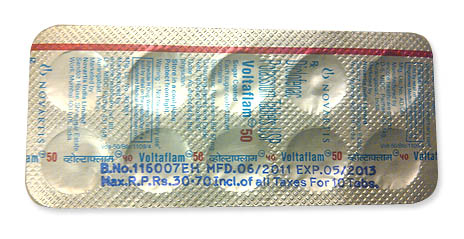
Voltaren
- You can buy Voltaren in many pharmacies and some e-pharmacies; in some countries the topical gel is available over the counter, while oral tablets, injections and eye drops are prescription only. Availability and prescription status vary by country, so check local regulations.
- Voltaren is used for pain and inflammation, especially osteoarthritis, rheumatoid arthritis, ankylosing spondylitis, acute musculoskeletal pain, and localised strains or sprains. Its active ingredient is diclofenac, a non-steroidal anti-inflammatory drug (NSAID) that works by blocking cyclo-oxygenase (COX) enzymes and reducing prostaglandin production.
- The usual dose depends on the form and condition: oral diclofenac is commonly 100–150 mg per day in divided doses for arthritis, with a maximum of 200 mg per day; for acute pain, 50 mg every 8 hours as needed; topical gel is usually applied 2–4 g to the affected area up to 4 times daily.
- Voltaren is available as enteric-coated tablets, extended-release tablets, topical gel, suppositories, an ophthalmic solution, powder for oral solution, and injectable solution.
- It usually starts working within about 30–60 minutes for oral forms, while the topical gel may begin easing pain within 1–2 hours.
- The duration of action is generally around 4–6 hours for standard oral tablets, longer for extended-release formulations, and topical relief may last several hours after application.
- Alcohol should be avoided or kept to a minimum, because it can increase the risk of stomach irritation, ulcers, and bleeding when taken with diclofenac.
- The most common side effects are nausea, indigestion, abdominal pain, diarrhoea, headache, dizziness, and with the gel, skin irritation, redness, or itching.
- Would you like to try Voltaren without a prescription?

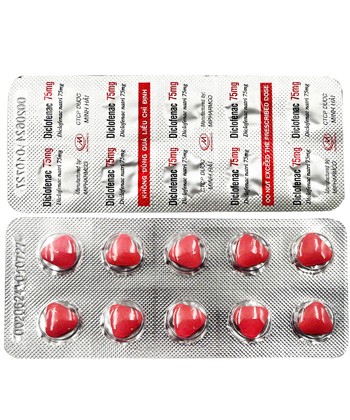
Latest Research Highlights On Diclofenac
Basic Voltaren Information
- INN (International Nonproprietary Name): Diclofenac
- Brand Names Available in United Kingdom: Voltaren, Voltarol
- ATC Code: M01AB05
- Forms & Dosages: Enteric-coated tablets, extended-release tablets, topical gel, ophthalmic solution, powder for oral solution, injection ampoules, suppositories
- Manufacturers in United Kingdom: GlaxoSmithKline, Novartis, Pharmaceutica Remedia, Terapia, KRKA, Sun Pharma
- Registration Status in United Kingdom: Topical forms are mostly OTC; oral, injectable, and eye-drop forms are prescription only in most countries
- OTC / Rx Classification: Topical gel mostly OTC; tablet, injection, and eye drops prescription only
- Available Forms & Strengths: 25mg, 50mg, 75mg, 100mg tablets; 75mg/3mL injection; 1% and 2% gel; 0.1% ophthalmic solution; 50mg oral powder; 50mg and 100mg suppositories
| Source Area | Main Finding | Practical Meaning |
|---|---|---|
| UK and EU evidence, 2022–2025 | Diclofenac remains effective for musculoskeletal pain, osteoarthritis, and short-term injury relief. | It is still a standard option in diclofenac pain relief UK advice. |
| Topical versus oral | Topical diclofenac gel gives local relief with lower systemic exposure. | Anti-inflammatory gels UK are often preferred for localised pain. |
| Safety signals | Cardiovascular, gastrointestinal, and renal risks are stronger with oral use, especially in older adults and those with comorbidities. | Lowest effective dose and shortest duration remain the rule. |
Data highlight: recent reviews and pharmacy practice continue to support topical diclofenac evidence for local knee, hand and soft-tissue pain, while MHRA and EMA safety positions remain cautious about oral NSAIDs in higher-risk patients.
Data highlight: NHS-style advice still tends to favour gels first for localised pain, particularly when a patient wants relief without the stomach and kidney burden that can come with tablets.
Data highlight: real-world pharmacy use patterns show that many people start with diclofenac gel, then move to prescription oral treatment only if symptoms are more widespread or persistent.
If you have ever wondered why a pharmacist suggests a gel before tablets, the answer is usually risk balance rather than reluctance to treat pain.
Clinical Effectiveness In The United Kingdom
What do patients actually notice when they use Voltaren for arthritis pain relief or a sprain after a long day at work?
In NHS and private settings, people commonly report easier movement, less morning stiffness, and a quicker return to normal tasks such as walking to the bus stop, gardening, or lifting a child.
- Improved mobility after local joint or muscle pain.
- Less stiffness on waking, especially with knee and hand symptoms.
- Better day-to-day function when pain is limited to one area.
- For some oral formulations, a slower sense of relief than expected.
- With gels, occasional skin irritation, itching, rash, or redness.
| Use Case | What Patients Often Prefer | Common Counselling Point |
|---|---|---|
| Back pain | Voltarol for back pain in gel form | Apply only to the painful area on intact skin. |
| Knee or hand arthritis | Diclofenac topical first | Topical treatment is often tried before tablets. |
| Flare-ups after strain | Short-term gel use | Reassess if there is no improvement after a week. |
In community pharmacy, the usual expectation is simple: people want enough relief to keep working, caring, and sleeping, without feeling “out of it”.
That is why many UK patients trial topical treatment first, especially for knee, hand, or back pain, before moving on to prescription oral NSAIDs.
Indications And Expanded Uses
Which conditions does diclofenac actually cover, and where does common practice begin to stretch beyond the label?
- Osteoarthritis
- A core licensed use for adults, especially for joint pain and stiffness.
- Rheumatoid arthritis
- Used for inflammatory joint symptoms when prescribed as part of a wider plan.
- Ankylosing spondylitis
- Another licensed inflammatory condition where oral diclofenac may be used.
- Acute mild-to-moderate pain
- Used for short-term pain relief, including musculoskeletal strains.
- Topical musculoskeletal pain
- Commonly used for localised back, knee, shoulder, and soft-tissue pain.
- Eye surgery support
- Ophthalmic diclofenac may be used in short courses after cataract surgery.
| Form | Prescription Status | Typical Use |
|---|---|---|
| Voltarol tablets | Prescription only | Inflammatory joint and spinal conditions |
| Diclofenac sodium tablets | Prescription only | Osteoarthritis, rheumatoid arthritis, acute pain |
| Diclofenac gel | Mostly OTC in low-dose forms | Localised muscle and joint pain |
In NHS and private clinics, off-label use is most often seen for localised joint pain and sports-related injuries, especially when a clinician wants a targeted option rather than a full systemic NSAID.
Oral, injectable, and eye-drop forms are generally prescription-only, while some low-dose topical gels are available without a prescription.
Composition And Brand Landscape
What is the difference between Voltaren, Voltarol, and a plain diclofenac pack from a generic manufacturer?
The active substance is diclofenac, and the brand names vary by market.
| Item | Details |
|---|---|
| INN | Diclofenac |
| UK and EU brands | Voltaren, Voltarol |
| ATC code | M01AB05 |
| Packaging | Tablets commonly in 20, 30, 60, or 100 count packs; gels in 20g, 50g, or 100g tubes |
M01AB05 breaks down as musculo-skeletal system, anti-inflammatory and anti-rheumatic products, non-steroids, acetic acid derivatives, and diclofenac.
That code matters to pharmacists because it sits firmly within the NSAID group, where diclofenac sodium tablets, gels, suppositories, injections, and ophthalmic products are all part of the same therapeutic family.
Licensed and generic products are distributed through local drugstores and e-pharmacies, which is why patients often see the same medicine under several pack designs and brand names.
Who Should Avoid Voltaren
Who needs to be cautious before taking diclofenac, even for a short period?
- Anyone with hypersensitivity to diclofenac or other NSAIDs.
- People who have had asthma or allergic-type reactions after aspirin or NSAIDs.
- Patients with active stomach or bowel ulcers or bleeding.
- Anyone around CABG surgery.
- People with severe renal or hepatic insufficiency.
| Risk Group | Why It Matters | Practical Pharmacy Advice |
|---|---|---|
| Cardiovascular disease | Potential for increased cardiovascular events | Use only if clearly needed and at the lowest effective dose. |
| GI history | Higher chance of ulcer or bleeding problems | Extra caution with previous ulcers, bleeding, or IBD. |
| Older adults | Greater risk of severe adverse effects | Keep treatment as short as possible. |
| Kidney or liver impairment | Drug handling may be reduced | Monitor closely and consider dose reduction. |
Pregnancy and breastfeeding also need caution in UK practice, so a pharmacist will usually advise speaking to a prescriber before starting treatment.
Alcohol can increase gastrointestinal risk, and driving should be considered carefully if dizziness occurs.
The safest pattern is still the familiar one: lowest effective dose, shortest duration, and a quick review if anything feels wrong.
Dosage Guidelines And Special Populations
How much diclofenac is usually taken, and what changes for older adults or people with kidney problems?
| Condition | Standard Adult Dose | Notes |
|---|---|---|
| Osteoarthritis or rheumatoid arthritis | 100–150mg daily in divided doses; maximum 200mg/day | Use the shortest possible oral course. |
| Acute mild-to-moderate pain | 50mg every 8 hours as needed | Short-term use only. |
| Ankylosing spondylitis | 100–125mg daily in divided doses | Usually under medical supervision. |
| Topical gel | 2–4g to the affected area four times daily | Reassess if no improvement after 7 days. |
Older adults should generally start at the lowest effective dose because GI, renal, and cardiovascular side effects are more likely.
Children under 18 are generally not recommended unless a specialist is involved, because the safety data are limited.
In liver impairment, dose reduction is often needed, while advanced renal failure is a reason to avoid treatment and monitor kidney function closely where use is being considered.
Topical treatment is often used for 7 to 21 days for mild musculoskeletal injuries, although osteoarthritis may need longer supervision.
Interactions With Medicines, Food And Drink
Which combinations cause the biggest problems in the pharmacy queue?
| Interacting Item | Possible Issue | What Patients Are Usually Told |
|---|---|---|
| Other NSAIDs | Higher risk of side effects | Avoid taking more than one NSAID unless specifically advised. |
| Anticoagulants and antiplatelets | Bleeding risk may rise | Ask a pharmacist or prescriber before combining. |
| Corticosteroids and SSRIs | GI risk may increase | Extra care is needed if these are already prescribed. |
| Diuretics, ACE inhibitors, ARBs | Kidney function may be affected | Monitoring is especially important in chronic use. |
| Lithium and methotrexate | Clinically important interactions | Prescriber review is essential. |
Alcohol is the main drink-related concern because it can worsen gastrointestinal irritation and bleeding risk.
Tea and coffee are not direct contraindications, although sensitive patients sometimes notice that routine pain medicine feels less well tolerated with them.
Interaction concerns often come up through pharmacist review or Yellow Card reporting when someone is already taking several medicines for long-term pain.
Cultural Perceptions And Patient Habits In The United Kingdom
Why does Voltaren come up so often in UK discussions about everyday pain?
On patient forums such as Patient.info and Mumsnet, the recurring themes are quick relief, a preference for gels, and caution about “strong painkillers”.
- People often want relief that fits around work, school runs, and commuting.
- Topical treatment is seen as practical for localised pain.
- Many patients trust pharmacists for OTC advice before visiting a GP.
- NHS 111, the NHS App, and patient portals are often checked first.
| Habit | Why It Happens |
|---|---|
| Trying a gel before tablets | People want pain relief without oral side effects. |
| Asking family for advice | NSAID use is often discussed at home before a purchase is made. |
| Using pharmacy rather than GP first | It feels faster and more convenient for short-term pain. |
For many adults, anti-inflammatory gels UK readers recognise are less intimidating than tablets, especially when they still need to work, parent, or drive.
Long-term NSAID use also worries people, so a brief conversation about safety can make a big difference to confidence and adherence.
Availability And Pricing Patterns
Where can people buy Voltaren in the UK, and why does the route matter?
| Access Route | Typical Product Type | UK Practical Note |
|---|---|---|
| Major pharmacies | Topical gel | Commonly available OTC in chains such as Boots, LloydsPharmacy, and Superdrug. |
| Prescription supply | Oral, injectable, and eye-drop forms | Usually obtained through GP or specialist prescribing. |
| Online pharmacy | Selected OTC and prescription items | Check MHRA-registered products before ordering. |
| Click-and-collect | Often topical packs | Useful for quick collection after online checkout. |
In England, NHS prescription charging can apply, whereas Scotland, Wales, and Northern Ireland use free supply systems for NHS prescriptions.
Pack size and brand choice affect out-of-pocket cost, with 20g, 50g, and 100g tubes usually priced differently and larger packs often giving better value.
In our online pharmacy, voltaren is available without a prescription, with discreet delivery to United Kingdom in 5-14 days.
Comparable Medicines And Patient Preferences
How does diclofenac compare with ibuprofen, naproxen, and other NSAIDs people are familiar with?
| Medicine | Main Strength | Trade-Off |
|---|---|---|
| Ibuprofen | Widely familiar and easy to access | Often chosen first because of habit and OTC use. |
| Naproxen | Longer action | May suit some inflammatory pain patterns better. |
| Ketoprofen | Alternative NSAID option | Availability and tolerability vary. |
| Meloxicam | Prescription option for longer-term use | Usually used when a clinician wants a different profile. |
| Celecoxib | Selective COX-2 option | May be considered when stomach risk matters. |
| Piroxicam | Long-acting NSAID | Often needs careful risk assessment. |
Voltarol vs ibuprofen is a common comparison, especially for back pain and arthritic knees.
Many clinicians like diclofenac gel because it targets one painful spot, while ibuprofen may be chosen first when patients prefer a medicine they already know.
- Choose diclofenac gel when the pain is localised and skin is intact.
- Choose another NSAID when the prescriber wants a different risk profile or the pain is more generalised.
- Think carefully about all NSAIDs when there is stomach, heart, kidney, or bleeding risk.
Questions And Answers About Voltaren
Is Voltaren gel available OTC in the UK?
Low-dose topical diclofenac products are commonly available without a prescription, while oral and injectable forms are usually prescription only.
How long should I use diclofenac for back or joint pain?
Use the shortest possible time, and if a gel is not helping after about 7 days, it should be reassessed.
Can I take Voltaren with ibuprofen?
It is generally best not to combine NSAIDs unless a clinician or pharmacist specifically tells you to do so.
What should I do if I miss a dose or take too much?
Take a missed dose as soon as you remember unless it is nearly time for the next one, and do not double up.
Overdose needs urgent medical attention because symptoms can include GI bleeding, drowsiness, low blood pressure, and renal failure.
Delivery Across United Kingdom
| City | Region | Delivery time |
|---|---|---|
| London | England | 5-7 days |
| Birmingham | England | 5-7 days |
| Manchester | England | 5-7 days |
| Leeds | England | 5-7 days |
| Liverpool | England | 5-7 days |
| Newcastle upon Tyne | England | 5-7 days |
| Bristol | England | 5-7 days |
| Glasgow | Scotland | 5-7 days |
| Edinburgh | Scotland | 5-7 days |
| Cardiff | Wales | 5-7 days |
| Belfast | Northern Ireland | 5-7 days |
| Nottingham | England | 5-9 days |
| Sheffield | England | 5-9 days |
| Coventry | England | 5-9 days |
Guidance For Proper Use
How would a UK pharmacist usually talk you through Voltaren at the counter?
- Use the lowest effective dose for the shortest possible time.
- Apply diclofenac gel only to intact skin.
- Wash hands after use unless the hands are the area being treated.
- Avoid taking more than one NSAID at the same time.
- Store tablets at room temperature, away from moisture.
- Keep gels away from heat and direct sunlight, and do not freeze topical or ophthalmic forms.
- Seek review if pain persists, worsens, or red flags appear.
Pharmacists will often suggest NHS 111, GP review, or pharmacy self-care advice pathways when the symptoms are not settling or when the pain pattern is not straightforward.
Adverse effects should be reported, because practical safety reporting helps keep diclofenac guidance honest and up to date.
Used sensibly, Voltaren remains a useful short-term option for local pain, with topical treatment often giving the right balance of convenience, relief, and lower systemic exposure.