Trandate
Trandate
- Trandate (labetalol) is supplied from pharmacies and licensed wholesalers; it is classified as prescription‑only (Rx) in the markets reviewed (UK, EU, US and others). While some pharmacies or suppliers may at times supply medicines without a prescription, legally and for safety it should be obtained on prescription from a healthcare professional.
- Trandate is used to treat hypertension (chronic and acute hypertensive emergencies) and can be used in pregnancy under specialist care; it is a non‑selective beta‑blocking agent with additional alpha‑1 blocking activity, lowering blood pressure by reducing heart rate, myocardial contractility and peripheral vascular resistance.
- Usual oral dosing in adults starts at 100 mg twice daily, with maintenance commonly 200–400 mg twice daily and total daily doses up to 2,400 mg divided; for hypertensive emergency IV regimens include a 20 mg slow IV bolus (over ~2 minutes) with repeats or increases to 40–80 mg every 10 minutes as required, or an infusion titrated at about 0.5–2 mg/min.
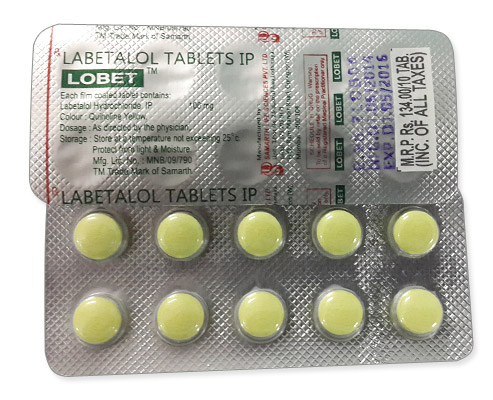
- Available as oral tablets (commonly 100 mg, 200 mg, 300 mg and in some regions 400 mg) and as an injectable solution for intravenous use (e.g. 5 mg/mL or 100 mg/20 mL vials) for slow bolus or infusion administration.
- Onset of action: IV dosing produces a blood‑pressure effect within minutes (typically 2–5 minutes); oral tablets usually begin to lower blood pressure within about 20–60 minutes, with peak effects later.
- Duration of action: oral doses typically provide blood‑pressure control for around 8–12 hours (depending on dose and individual response); IV effects are rapidly titratable and persist while the drug is present or the infusion continues.
- Alcohol warning: avoid or limit alcohol while taking trandate, as alcohol can worsen dizziness and hypotension and increase the risk of falls and drowsiness.
- The most common side effect is dizziness (also common are fatigue, drowsiness, nausea and flushing); more serious but less frequent effects include hepatic injury, bronchospasm, bradycardia and severe hypotension.
- Would you like to try trandate without a prescription?
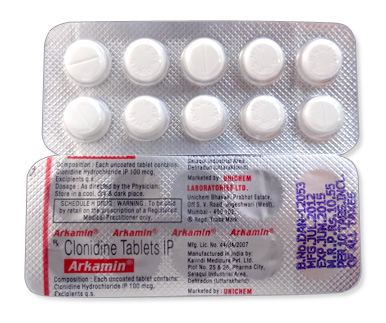
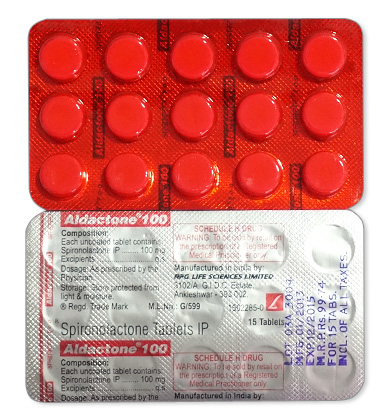
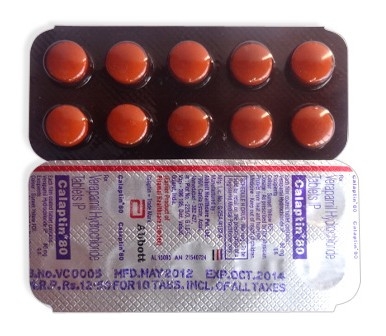
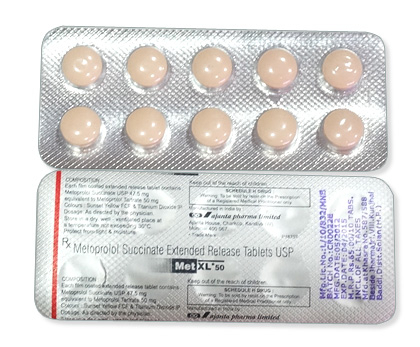
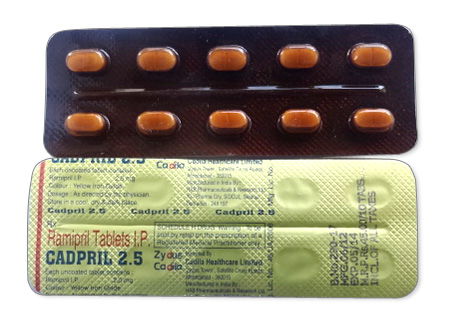
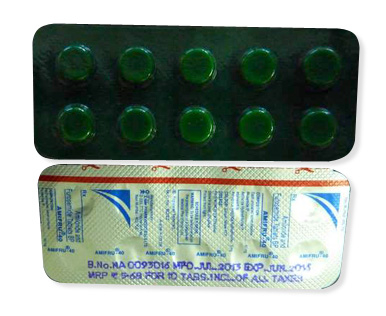
Basic Trandate Information
- INN (International Nonproprietary Name): Labetalol
- Brand Names Available In United Kingdom: Trandate (tablets 100 mg, 200 mg, 400 mg; IV injection in some settings). Packaging commonly in blister packs or bottles.
- ATC Code: C07AG01
- Forms & Dosages: Tablets 100 mg, 200 mg, 300 mg, and 400 mg in some regions; solution for injection 5 mg/mL, 100 mg/20 mL vials for intravenous use.
- Manufacturers In United Kingdom: GSK (UK) and multiple generics from Amdipharm, Sandoz, Mylan, Apotex and others.
- Registration Status In United Kingdom: EMA/EU approval as Trandate/labetalol; prescription medicine.
- OTC / Rx Classification: Prescription-only (Rx) in all markets reviewed.
Latest Research Highlights
Clinicians want to know whether recent studies change how we use trandate in practice.
UK and EU reports from 2022–2025 looked at labetalol’s role in acute and chronic hypertension, with particular attention to pregnancy and IV use in emergencies.
Large observational NHS-linked cohort analyses reported continued effectiveness for blood-pressure lowering and comparable cardiovascular outcomes versus other beta‑blockers when used for appropriate indications.
Meta-analyses during the same period emphasised a higher risk of bronchospasm in patients with COPD or asthma when using non‑selective beta‑blockers such as labetalol.
Randomised trials comparing IV labetalol with nicardipine and esmolol for rapid blood-pressure control showed faster onset with nicardipine but broadly similar adverse‑event rates across arms.
Obstetric practice data reaffirmed labetalol as a favoured choice in many severe pre‑eclampsia protocols, when started and monitored by specialists.
MHRA Yellow Card summaries from 2022–2024 noted rare hepatic injury and occasional severe hypotension following rapid IV boluses, prompting updated local infusion and bolus protocols in several trusts.
| Country | Design | n | Primary Outcome | Safety Signals |
|---|---|---|---|---|
| United Kingdom | Observational NHS-linked cohort | Not specified | BP reduction and cardiovascular outcomes | Bronchospasm risk in COPD/asthma |
| EU (Multi‑centre) | Meta-analysis (RCTs and observational) | Not specified | Comparative safety and efficacy of IV agents | Variable onset times; rare hepatotoxicity signals |
| Various | Randomised trials (IV labetalol vs nicardipine/esmolol) | Not specified | Time to target BP | Faster onset with nicardipine; comparable adverse events |
| United Kingdom (Obstetrics) | Clinical audits and protocol reviews | Not specified | Severe pre‑eclampsia control and maternal outcomes | Favoured use of labetalol under specialist care |
Approved strengths and formulations from product labels remain: tablets 100 mg, 200 mg, 300 mg (400 mg in some regions) and IV vials 5 mg/mL, 100 mg/20 mL.
ATC classification is C07AG01 and the INN is labetalol, which helps when checking local formularies and electronic records.
Clinical Effectiveness In The UK
Patients and GPs often ask how well trandate controls everyday high blood pressure.
NHS audit data and primary‑care prescribing audits report meaningful systolic and diastolic reductions with labetalol for both primary hypertension and acute secondary‑care management.
In primary care, clinicians find labetalol useful where dual alpha/beta antagonism is desirable, notably in pregnancy and in patients with labile blood pressure patterns.
Patient‑reported outcome measures collected via GP practices and Patient.info show many users experience improved control, though tolerability varies between individuals.
Fatigue and dizziness are the most commonly reported reasons for switching to alternative agents in practice audits.
Hospital trusts report that when labetalol is used intravenously for hypertensive crises, it commonly reduces blood pressure within 10–30 minutes when administered per local protocol.
Close monitoring is needed because bradycardia and hypotension are recognised risks during IV therapy.
| Setting | BP Control Rate | Common Adverse Events |
|---|---|---|
| Primary Care (NHS audits) | Meaningful reductions in most patients on therapy | Fatigue, dizziness |
| Hospital IV Use | Rapid reduction within 10–30 minutes when per protocol | Bradycardia, hypotension (monitoring required) |
Typical oral and IV regimens used in audits align with current product information and trust protocols and help explain these outcomes.
Indications And Expanded Uses
Patients commonly ask where trandate fits among blood‑pressure options.
MHRA and SmPCs list essential hypertension and acute blood‑pressure control as primary indications for labetalol.
In the UK, Trandate is routinely used for severe hypertension in pregnancy, always under specialist oversight.
NHS trusts also use labetalol for hypertensive emergencies in secondary care settings where a beta/alpha blocker is appropriate.
Common off‑label NHS practices include perioperative blood‑pressure control and selected neurocritical care situations where combined alpha/beta blockade is beneficial.
Paediatric use is specialist and weight‑based only because a broad licence for children is not established.
- Approved: Essential hypertension; acute IV BP control.
- Common Off‑Label: Perioperative BP control; select neurocritical care applications.
- Specialist‑Only: Severe pre‑eclampsia, paediatric hypertensive crisis (weight‑based dosing by specialist).
Standard dosing context from product information: oral initiation often 100 mg twice daily, maintenance 200–400 mg twice daily, and up to 2,400 mg/day in divided doses for resistant cases.
For acute IV control, bolus and infusion schemes such as 20 mg slow bolus or infusion at 0.5–2 mg/min are widely used in hospital protocols.
Composition And Brand Landscape
People often want to know what is in each tablet and which brands exist in the UK market.
The active ingredient is labetalol hydrochloride, commonly supplied as Trandate in the United Kingdom.
Generics from GSK, Amdipharm, Sandoz, Mylan and other manufacturers are widely available and are commonly selected by NHS formularies for cost reasons.
| Country | Brand | Forms & Packaging |
|---|---|---|
| United Kingdom | Trandate | Tablets: 100 mg, 200 mg, 400 mg; IV injection for hospital use (blister packs or bottles) |
| United States | Trandate, Normodyne (brand discontinued in US; generics available) | Tablets: 100 mg, 200 mg, 300 mg; bottles of 100 tablets or unit doses |
| EU / Other | Trandate and multiple generics | Tablets and IV vials; local packaging varies by country |
The ATC code remains C07AG01, classifying labetalol as a non‑selective beta blocker with alpha‑blocking activity.
Hospitals typically stock IV vials (5 mg/mL, 100 mg/20 mL) for acute care, while community pharmacies supply tablet strengths for long‑term therapy.
Contraindications And Special Precautions
Knowing who should not take trandate is essential for safe dispensing.
Absolute contraindications include bronchial asthma or a history of obstructive airway disease, overt cardiac failure, cardiogenic shock, severe bradycardia, second or third‑degree AV block without a pacemaker, and known hypersensitivity to labetalol.
Relative cautions apply in diabetes, peripheral vascular disease, liver impairment and untreated pheochromocytoma.
In pregnancy labetalol is used for severe hypertension under specialist care after a benefit/risk discussion.
- Absolute Contraindications: Bronchial asthma or obstructive airway disease; overt cardiac failure; cardiogenic shock; second/third‑degree heart block without pacemaker; severe bradycardia; hypersensitivity to labetalol.
- Relative Cautions: Diabetes (may mask hypoglycaemia), peripheral vascular disease, liver disease (hepatotoxicity risk), pheochromocytoma without alpha blockade, pregnancy—specialist review advised.
| Population | Advice |
|---|---|
| Elderly | Start at lower dose; titrate cautiously; monitor for dizziness and hypotension |
| Renal Impairment | Monitor response; routine dose reduction not usually required |
| Hepatic Impairment | Consider dose reduction and closer monitoring due to accumulation risk |
Daily life advice includes caution when driving or operating machinery if feeling dizzy or drowsy and avoiding excess alcohol which can increase hypotensive effects.
Dosage Guidelines
Clear dosing notes help prevent errors and support confident counselling at the counter.
Typical adult oral initiation is 100 mg twice daily with titration to 200–400 mg twice daily as needed.
The maximal oral cumulative dose reported in product information is up to 2,400 mg per day given in divided doses.
For hypertensive emergencies the IV approach commonly used is a 20 mg slow bolus over 2 minutes, repeatable or escalated to 40–80 mg every 10 minutes as required, or an infusion at 0.5–2 mg/min titrated to effect.
Elderly patients should start at lower doses and be titrated with care because of orthostatic effects.
Renal impairment usually requires monitoring rather than routine dose reduction, while liver impairment may need a reduced dose and closer observation.
| Indication | Initial Dose | Maintenance / Notes |
|---|---|---|
| Hypertension (oral) | 100 mg twice daily | Titrate to 200–400 mg twice daily; max up to 2,400 mg/day divided |
| Hypertensive Emergency (IV) | 20 mg slow IV bolus over 2 minutes | Repeat or escalate to 40–80 mg every 10 minutes; or infusion 0.5–2 mg/min |
Paediatric dosing is specialist and weight‑based only and should be dosed by paediatric intensivists or specialist teams.
Interactions Overview
Patients regularly ask which drugs or foods make trandate more risky.
Labetalol can cause additive hypotension when combined with other antihypertensives such as ACE inhibitors, diuretics and calcium‑channel blockers.
Co‑administration with other negative chronotropes like digoxin or verapamil increases the risk of significant bradycardia.
CYP‑mediated drug interactions are limited for labetalol, but clinicians should still check for complex polypharmacy and hepatically metabolised co‑medications due to rare hepatotoxicity reports.
Alcohol may accentuate postural hypotension and should be avoided in excess while titrating therapy.
- High‑Risk Drug Classes: Other antihypertensives (ACE inhibitors, diuretics, CCBs), negative chronotropes (digoxin, verapamil, diltiazem), potent CYP inhibitors when liver disease present.
- Do Not Combine Without Review: Beta‑blockers with severe reactive airway disease; negative chronotropes without ECG monitoring; multiple central antihypertensives without specialist advice.
Pharmacists should review MHRA Yellow Card trends and local formularies for emerging interaction reports and report serious adverse reactions as required.
Cultural Perceptions And Patient Habits
Patients often bring beliefs and experiences that affect adherence to trandate therapy.
UK patients typically accept GP‑prescribed antihypertensives but commonly express worries about beta‑blocker side effects such as fatigue and sexual dysfunction.
Online forums like Patient.info and parenting sites often feature personal experiences and questions, and many people turn to their pharmacist or NHS 111 for immediate advice.
Pharmacies such as Boots, LloydsPharmacy and Superdrug are trusted points of contact for counselling and repeat supplies.
There is growing uptake of electronic prescriptions and online pharmacy services linked to the NHS spine and e‑RS, which many patients find convenient for repeat dispensing.
- Common Patient Questions: Will it make me tired? Is it safe in pregnancy? Can I stop suddenly? What about driving?
- Suggested Pharmacist Scripts: Explain likely side effects, advise on missed doses, and suggest follow‑up with GP if symptoms affect daily life.
Clear counselling at the point of dispensing improves adherence and reduces avoidable switching due to expected, transient side effects.
Availability And Pricing Patterns
Patients want to know where to get trandate and how much it may cost across the UK.
Trandate and generics are widely available through major UK chains and via NHS prescriptions, with hospital trusts holding IV stock for acute care.
Prescription charges vary across the UK: England retains the standard prescription charge system, while Scotland, Wales and Northern Ireland have abolished or vary charges, creating regional cost differences.
Online pharmacies provide repeats under NHS electronic repeat dispensing and private prescription models; pharmacists must verify electronic prescriptions against the SmPC before supply.
| Supply Channel | Availability | Cost Factors |
|---|---|---|
| Retail Pharmacies | Common: Boots, LloydsPharmacy, Superdrug and independent pharmacies | Subject to NHS prescription charges or private pricing for private prescriptions |
| Hospitals | IV vials stocked for acute care | Provided under hospital formularies |
| Online Pharmacies | Repeat supplies and private prescriptions available | Must confirm prescription validity; regional delivery times vary |
Common tablet strengths stocked in community pharmacies are 100 mg, 200 mg and 400 mg and IV formats are the 100 mg/20 mL vials used by hospitals.
In our online pharmacy, trandate can be ordered with a valid prescription, with discreet delivery to United Kingdom in 5–14 days.
Comparable Medicines And Prescribing Preferences
Prescribers often need a quick checklist when choosing between trandate and alternatives.
In primary care, selective beta‑blockers such as atenolol, bisoprolol and metoprolol are common comparators, and carvedilol is used when mixed alpha/beta blockade is desired.
ACE inhibitors like enalapril and calcium‑channel blockers such as amlodipine are frequently preferred depending on comorbidity, for example ACE inhibitors in diabetes with albuminuria.
In pregnancy, hydralazine and nifedipine remain alternatives, but labetalol is widely used under obstetric guidance.
For ICU or emergency department IV control, nicardipine and esmolol are commonly used alternatives with different onset and duration profiles.
| Comparator | Pros | Cons |
|---|---|---|
| Atenolol / Metoprolol / Bisoprolol | Cardioselective; familiar in primary care | Less alpha activity; different side‑effect profiles |
| Carvedilol | Mixed alpha/beta similar mechanism | Different pharmacokinetics and tolerability |
| Nicardipine / Esmolol (IV) | Rapid control in acute settings; nicardipine fast onset | Different monitoring needs; choice per local protocol |
NHS formulary guidance tends to favour drugs matched to comorbidity and local cost‑effectiveness decisions, so always check the local preferred list before switching agents.
Frequently Asked Questions
- Can I Drive While Taking Trandate?: If you feel dizzy or drowsy do not drive and report new symptoms to your GP or pharmacist.
- What If I Miss A Dose?: Take as soon as you remember unless it is close to the next dose; do not double up to make up a missed dose.
- Is Labetalol Safe In Pregnancy?: Labetalol is used for severe hypertension in pregnancy under specialist care after risk/benefit discussion with the obstetric team.
- Can I Stop Suddenly?: Do not stop abruptly; reduce under clinician supervision to avoid rebound hypertension and tachycardia.
For more detailed patient information consult the SmPC or NHS patient portals and seek advice from your GP for individual circumstances.
Guidelines For Proper Use
Pharmacist counselling should be structured, clear and focused on safety and adherence.
Start by confirming the indication and exact dosing regimen with the patient and check allergies and contra‑indications.
Explain common side effects such as dizziness, fatigue and nasal congestion and stress when to seek help.
Warn about driving and alcohol, advise on missed‑dose instructions and describe overdose signs like severe dizziness, fainting or breathing difficulty.
- Counselling Checklist: Confirm indication; review contraindications and current medicines; explain dosing and side effects; warn about driving and alcohol; advise when to seek medical attention.
- When To Seek Emergency Care: Severe shortness of breath, chest pain, fainting, severe weakness, or signs of severe hypotension.
For IV use in hospital, ensure local protocols specify bolus rates and monitoring for bradycardia and hypotension.
Record Yellow Card reports for serious adverse events and direct patients to NHS online resources and their GP electronic records for continuity of care.
Storage guidance from product information: store tablets at 20°–25°C and protect from moisture and light, and do not freeze IV solutions.
Delivery Across United Kingdom
| City | Region | Delivery Time |
|---|---|---|
| London | Greater London | 5–7 days |
| Birmingham | West Midlands | 5–7 days |
| Manchester | Greater Manchester | 5–7 days |
| Glasgow | Scotland | 5–7 days |
| Leeds | West Yorkshire | 5–7 days |
| Sheffield | South Yorkshire | 5–9 days |
| Bristol | South West England | 5–9 days |
| Liverpool | Merseyside | 5–9 days |
| Edinburgh | Scotland | 5–7 days |
| Newcastle | Tyne and Wear | 5–9 days |
| Nottingham | Nottinghamshire | 5–9 days |
| Belfast | Northern Ireland | 5–9 days |
| Cardiff | Wales | 5–7 days |
| Leicester | Leicestershire | 5–9 days |
| Coventry | West Midlands | 5–9 days |