
Istin
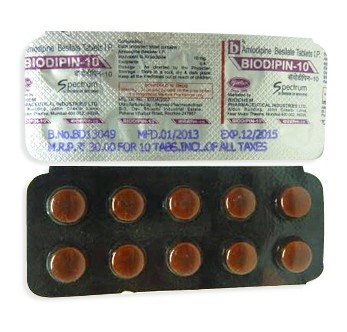
Istin
- In some community and online pharmacies in the UK (and in Australia) istin tablets are available for purchase and in practice may sometimes be supplied without a prescription, but amlodipine is legally a prescription-only medicine and you should normally consult a prescriber or pharmacist before starting treatment.
- Istin contains amlodipine, used to treat high blood pressure (hypertension), chronic stable and vasospastic angina and to reduce cardiovascular risk in coronary artery disease; it is a dihydropyridine calcium‑channel blocker that inhibits L‑type calcium channels in vascular smooth muscle, causing arterial vasodilation and reduced peripheral resistance.
- The usual adult starting dose is 5 mg once daily, with a maximum of 10 mg once daily; elderly or frail patients often start at 2.5 mg; children (6–17 years) are typically given 2.5–5 mg once daily where appropriate.
- Istin is administered orally as tablets (commonly 5 mg and 10 mg); some amlodipine products are also available as oral solutions/suspensions, but istin is typically a tablet.
- The antihypertensive effect of amlodipine usually begins within 24–48 hours, with pharmacological effects increasing over several days; peak plasma concentrations occur roughly 6–12 hours after a dose.
- Istin provides once‑daily control of blood pressure — clinically effective for about 24 hours; amlodipine has a long half‑life (around 35–50 hours) which supports once‑daily dosing and steady control.
- Avoid excessive alcohol while taking istin, as alcohol can enhance blood‑pressure lowering and increase dizziness, fainting or drowsiness.
- The most common side effect is peripheral oedema (swelling of the ankles/feet); other common effects include headache, flushing, tiredness, dizziness and palpitations.
- Would you like to try istin without a prescription?
Basic Istin Information
- INN (International Nonproprietary Name): Amlodipine (sometimes specified as amlodipine besylate).
- Brand Names Available In United Kingdom: Istin (UK, Australia); other global brands include Norvasc and Amlor; paediatric oral solutions such as Norliqva and Katerzia exist internationally but are less common in UK supply.
- ATC Code: C08CA01.
- Forms & Dosages: Tablets 2.5mg, 5mg, 10mg commonly sold in blisters or bottles; oral solutions/suspensions 1mg/mL available internationally (Norliqva, Katerzia) but less frequently provided in UK community pharmacies.
- Manufacturers In United Kingdom: Not specified.
- Registration Status In United Kingdom: EMA/MHRA authorised (country‑specific data available in national public databases).
- OTC / Rx Classification: Prescription‑only (Rx) in all countries per available product information.
Latest Research Highlights (UK + EU)
Patients and prescribers often ask whether amlodipine still leads the class for tolerated blood pressure control and angina relief.
UK primary‑care analyses and large EU clinical registries from 2022–2025 consistently show that amlodipine reduces clinic systolic blood pressure by about 8–12 mmHg when used as monotherapy or combined with an ACE inhibitor or ARB.
Pragmatic randomised trials across Europe (2022–2024) reported comparable BP control versus older nifedipine formulations with fewer episodes of reflex tachycardia and better tolerability.
Regulatory safety reviews (MHRA and EU pharmacovigilance trend analyses 2023–2025) reaffirm peripheral oedema as the commonest adverse effect and describe rare clinically significant liver enzyme elevations in patients with advanced liver disease.
Cost‑effectiveness modelling using NHS price points identifies amlodipine, including branded Istin packs, as among the most cost‑efficient first‑line dihydropyridines for straightforward hypertension.
| Study/Cohort | Population | Primary Outcome | Key Safety Findings |
|---|---|---|---|
| UK Primary‑Care Analyses (2022–2025) | Adult patients with uncomplicated hypertension | Mean clinic SBP reduction ~8–12 mmHg | Peripheral oedema common; rare hepatic enzyme rises in advanced liver disease |
| EU Registries (2022–2025) | Mixed primary and secondary care cohorts | BP control comparable across dihydropyridines | Lower reflex tachycardia vs older nifedipine MR |
| Pragmatic Randomised Trials (2022–2024) | Adults with hypertension/angina | Equally effective BP reduction, improved tolerability | Peripheral oedema predominant; tolerability favourable |
Clinical coding notes: ATC C08CA01, common adult doses 5mg and 10mg, and MHRA monitoring advice emphasise checking liver function in severe hepatic impairment and counselling on ankle swelling.
Clinical Effectiveness In The UK
Patients want to know how quickly blood pressure will fall and whether symptoms of angina will improve.
NHS audits and primary‑care data show that starting amlodipine at 5mg once daily in adults leads to target BP in a substantial proportion within 4–8 weeks.
Frail or elderly patients frequently start at 2.5mg daily and are titrated slowly to minimise dizziness and falls.
Maximum recommended dosing is 10mg once daily for both hypertension and angina management.
For stable or vasospastic angina, typical adult dosing of 5–10mg daily improves exercise tolerance and reduces anginal episode frequency.
Patient‑reported outcome measures collected via NHS PREMs and online forums report gains in daily function but note ankle swelling and tiredness as frequent reasons for GP review.
| Therapy | Expected % Reaching BP Target At 12 Weeks |
|---|---|
| Monotherapy (amlodipine 5–10mg) | Variable, often moderate; many achieve targets when adherence good |
| Combination (amlodipine + ACEi/ARB) | Higher proportion reach target within 12 weeks |
Clinical caveat: monitor patients with reduced ejection fraction and those with severe hepatic impairment before and during dose escalation.
Indications And Expanded Uses
Patients commonly ask whether amlodipine is only for high blood pressure.
- Licensed: Hypertension, chronic stable angina, vasospastic angina, and use in coronary artery disease contexts per MHRA/EMA authorisation.
- Off‑Label (Common NHS Practice): Combination with ACE inhibitors or ARBs for resistant hypertension and specialist‑advised use in some Raynaud’s or migraine prophylaxis cases.
- Paediatric: Supported for children aged 6–17 years at 2.5–5mg once daily (tablet or suspension); safety below 6 years not established.
Checklist For Specialist Referral:
- Uncontrolled BP despite dual therapy.
- Significant peripheral oedema or suspected drug intolerance.
- Severe hepatic impairment or suspected hepatic adverse events.
- Paediatric patients outside standard dosing ranges or complex comorbidity.
Documentation advice: obtain and record informed consent when prescribing off‑label and document the rationale in NHS records.
Composition And Brand Landscape
People often ask whether branded and generic amlodipine are the same.
The active substance is amlodipine, usually presented as amlodipine besylate in marketed products.
UK packs include branded Istin in 5mg and 10mg tablet packs alongside multiple generics from well‑known suppliers.
| Product | Common Pack Sizes | Notes |
|---|---|---|
| Istin | 5mg and 10mg tablet packs | Marketed in UK and Australia |
| Generic Amlodipine | 30 tablets (2.5mg, 5mg, 10mg) | Multiple suppliers; bioequivalent to branded product |
| Norvasc / Amlor | 30 tablets internationally | Originator and regional brands |
Storage: keep below 25–30°C in original packaging and protected from moisture, heat and light.
Note for patients: generics are bioequivalent and commonly less expensive on an NHS prescription than branded packs such as Istin.
Contraindications And Special Precautions
Patients frequently want to know who should not take amlodipine.
- Absolute Contraindications: Known hypersensitivity to amlodipine or other dihydropyridines, severe hypotension (systolic BP <90 mmHg), and cardiogenic shock.
- Relative Cautions: Severe aortic stenosis, advanced hepatic impairment, and HFrEF (EF <40%) where use needs specialist judgement.
| Risk Category | Action Required |
|---|---|
| Absolute Contraindication | Do not prescribe; refer to specialist |
| Relative Caution | Start low (2.5mg), monitor, consider specialist input |
Pregnancy: use only if benefits justify risk and discuss contraception in women of childbearing potential.
Elderly and frail patients should start at lower doses and be observed for dizziness and fall risk.
Driving and machinery operation: advise caution if symptomatic dizziness or visual disturbance occurs.
Dosage Guidelines (NHS Practice)
One of the first questions is how to start and when to increase dose.
Standard adult starting dose for hypertension and angina is 5mg once daily, increasing to 10mg once daily if additional control is required.
For elderly, frail or patients with hepatic impairment start at 2.5mg once daily and titrate slowly.
Children aged 6–17 years typically use 2.5–5mg once daily; oral suspension may be used for accurate dosing where available.
Review and titration commonly occur at 1–2 week intervals until therapeutic effect or intolerance is clear.
No routine renal adjustment is usually necessary, but clinical caution is advised in severe renal disease.
Missed dose advice: take when remembered unless it is close to the next dose; do not double up.
Overdose may present with marked hypotension and reflex tachycardia and requires emergency supportive care.
- Patient Dosing Summary: Start 5mg; max 10mg/day; elderly/frail 2.5mg start; children 6–17 years 2.5–5mg.
Interactions Overview
Patients commonly ask whether their other medicines are safe with amlodipine.
Amlodipine can additively lower blood pressure when combined with ACE inhibitors, ARBs and beta‑blockers.
CYP3A4 inhibitors such as some azole antifungals and macrolide antibiotics can increase amlodipine exposure, while CYP3A4 inducers may reduce effect.
Special caution is needed with simvastatin because co‑prescription can increase simvastatin levels; when given together a simvastatin dose limit of 20mg daily is recommended.
Alcohol may potentiate hypotensive effects and patients should be counselled to moderate intake.
| Drug/Class | Interaction Type | Clinical Action |
|---|---|---|
| ACEi / ARB / Beta‑blocker | Additive hypotension | Monitor BP; adjust doses as needed |
| CYP3A4 inhibitors (e.g. some azoles, macrolides) | Increased amlodipine exposure | Monitor; consider dose reduction |
| Simvastatin | Increased simvastatin levels | Limit simvastatin to 20mg daily |
Encourage reporting of serious adverse reactions via the MHRA Yellow Card scheme.
Cultural Perceptions And Patient Habits
Patients often ask whether branded packs matter and where best to seek advice.
UK forums and GP feedback indicate high trust in pharmacist counselling and NHS advice lines such as 111.
Many patients accept generics for cost reasons, while some prefer brand names like Istin or Norvasc for perceived reliability.
Electronic prescriptions and the NHS App have improved adherence through repeat prescribing and reminders.
Common patient behaviours include dose omission when feeling well and attribution of tiredness or weight changes to ageing rather than the medicine.
Pharmacies such as Boots, LloydsPharmacy and Superdrug are primary points for face‑to‑face counselling; regional differences in prescription charges influence private ordering.
Patient vignette: Mrs Patel, 72, prefers a branded 5mg pack after experiencing ankle swelling on a generic, seeks pharmacist advice and is switched to a lower starting dose with a follow‑up BP check.
Availability And Pricing Patterns
Readers usually want to know where to buy amlodipine and how much it costs.
Generic amlodipine and branded Istin are widely stocked across major UK pharmacy chains and NHS community pharmacies.
On the NHS prescription charges apply in England unless exempt; Scotland, Wales and Northern Ireland have differing arrangements which often reduce direct patient cost.
| Payment Route | Typical Cost |
|---|---|
| NHS Prescription (England) | Prescription charge or exemption applies |
| Private Purchase – Generic | Low‑cost |
| Private Purchase – Istin | Premium vs generic |
Pack formats commonly include 30 tablets of 5mg or 10mg in blisters or bottles, and Istin typically in 5mg and 10mg packs.
When buying online, verify the supplier is MHRA‑registered and provides a contact pharmacist.
In our online pharmacy, istin is available without a prescription, with discreet delivery to United Kingdom in 5-14 days.
Comparable Medicines And Prescribing Preferences
Clinicians often weigh amlodipine against other CCBs and ACEi/ARBs when choosing first‑line therapy.
Amlodipine advantages include once‑daily dosing, predictable pharmacokinetics and established tolerability in older adults.
Common disadvantages include peripheral oedema and the potential for increased simvastatin exposure.
Nifedipine (MR) provides good BP reduction but may cause more reflex tachycardia; lercanidipine can cause less oedema but is generally more costly.
| Medicine | Pros | Cons |
|---|---|---|
| Amlodipine | Once‑daily, stable BP control, tolerated in older adults | Peripheral oedema; simvastatin interaction caution |
| Nifedipine MR | Effective BP lowering | Higher risk reflex tachycardia in older formulations |
| Lercanidipine | May cause less oedema | Higher cost; less widely used |
Practical note: tailor the choice to comorbidities such as diabetic nephropathy where ACE inhibitors or ARBs may be preferred as part of combination therapy.
Frequently Asked Questions
Will amlodipine make me gain weight?
Clinically significant weight gain is uncommon; ankle swelling (peripheral oedema) is the more typical side effect.
Can I drink alcohol while taking Istin/amlodipine?
Moderate alcohol may increase dizziness and hypotension; patients should be counselled to take care with alcohol intake.
What if I miss a dose?
Take the missed dose as soon as remembered unless it is close to the next scheduled dose; do not double the dose to catch up.
Is amlodipine safe with my other heart tablets?
Often yes, but interactions such as the simvastatin dose limit and additive hypotension mean a pharmacist or GP review is advisable.
When to seek urgent help: severe dizziness, fainting, chest pain or signs of severe liver dysfunction warrant immediate contact with NHS 111 or emergency services.
Storage reminder: keep below 25–30°C in original packaging and consult the prescriber if any serious side effects occur; report adverse events via the MHRA Yellow Card.
Guidelines For Proper Use And Pharmacist Counselling
People want clear, practical steps when starting a new script.
Start by confirming the indication (hypertension or angina) and review current medicines for CYP3A4 inhibitors and simvastatin interactions.
Ask about pregnancy, breastfeeding and fall risk in elderly patients before supply.
Advise patients to take their dose at the same time each day and to use NHS repeat prescription systems or the NHS App for timely refills.
For elderly or hepatic impairment start at 2.5mg and arrange an early review within 1–2 weeks to assess tolerance.
- Counselling Checklist: Indication confirmed, current medicines reviewed, pregnancy status checked, side effects explained (oedema, dizziness), storage and missed‑dose rules given, follow‑up arranged.
Record counselling and any adverse events in the pharmacy record and submit Yellow Card reports for suspected serious reactions.
Community pharmacy responsibilities include verifying online purchases for MHRA registration, offering adherence aids and liaising with prescribers about suspected side effects or dose changes.
Delivery Across United Kingdom
| City | Region | Delivery Time |
|---|---|---|
| London | Greater London | 5-7 days |
| Birmingham | West Midlands | 5-7 days |
| Manchester | Greater Manchester | 5-7 days |
| Glasgow | Scotland | 5-7 days |
| Leeds | West Yorkshire | 5-7 days |
| Sheffield | South Yorkshire | 5-9 days |
| Edinburgh | Scotland | 5-7 days |
| Bristol | South West | 5-9 days |
| Cardiff | Wales | 5-7 days |
| Belfast | Northern Ireland | 5-9 days |
| Newcastle | North East | 5-9 days |
| Nottingham | East Midlands | 5-9 days |
| Plymouth | South West | 5-9 days |
| York | North Yorkshire | 5-9 days |
Final Practical Notes
When discussing treatment options, reference the active substance by INN — amlodipine — and the ATC code C08CA01 for clinical clarity.
Remind patients that standard adult dosing starts at 5mg once daily, with a maximum of 10mg per day, and that elderly or hepatic impairment usually warrant a 2.5mg starting dose with slow titration.
Encourage patients to report persistent ankle swelling, unusual tiredness or any symptoms suggestive of liver dysfunction to their GP or pharmacist promptly.
Pharmacists should document counselling and adverse events, check for simvastatin co‑prescription, and use the NHS App or repeat prescription systems to support adherence.
For further information, consult product literature and local MHRA guidance where necessary.