
Lisinopril
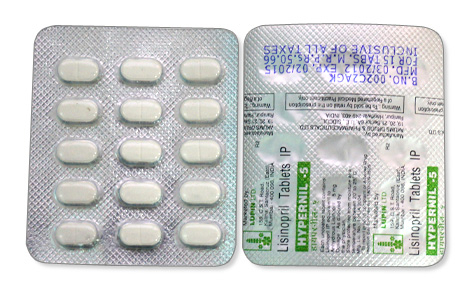
Lisinopril
- In most countries (USA, EU, UK, India, Japan etc.) lisinopril is prescription-only and should be dispensed with a valid prescription; however some pharmacies and online vendors do supply lisinopril without a receipt—if you obtain it this way be aware it may be outside local regulations and you should still consult a prescriber before use.
- Lisinopril is used to treat high blood pressure, heart failure, to improve survival after myocardial infarction and to reduce progression of diabetic nephropathy; it is an ACE inhibitor that blocks the angiotensin‑converting enzyme, lowering angiotensin II levels and reducing blood pressure and cardiac workload.
- Typical dosing: for hypertension start 10 mg once daily (maintenance 20–40 mg once daily, max 40 mg); heart failure often starts 2.5–5 mg once daily titrated up to 40 mg; post‑MI commonly 5 mg then 10 mg daily; diabetic nephropathy 10–20 mg daily as tolerated; paediatric and renal‑impairment dosing require specialist adjustment.
- Oral administration only: tablets (2.5–40 mg strengths, scored or unscored) and an oral solution formulation (1 mg/mL, Qbrelis) — no injectable or topical forms commercially available.
- The antihypertensive effect usually begins within about 1 hour after an oral dose, with more noticeable effects over the first few hours and peak effect typically within 6–8 hours.
- Duration of action is sufficiently long for once‑daily dosing; clinically effects last about 24 hours (plasma half‑life around 12 hours in typical patients), so steady daily dosing is used to maintain control.
- Avoid excessive alcohol; alcohol can worsen lisinopril‑related dizziness and increase the risk of symptomatic hypotension — moderate alcohol intake or abstaining is advised while starting or titrating therapy.
- The most common side effect is a persistent dry cough; other frequent adverse effects include dizziness, headache, fatigue, hypotension and hyperkalaemia, and rare but serious effects include angioedema and renal impairment.
- Would you like to try lisinopril without a prescription?
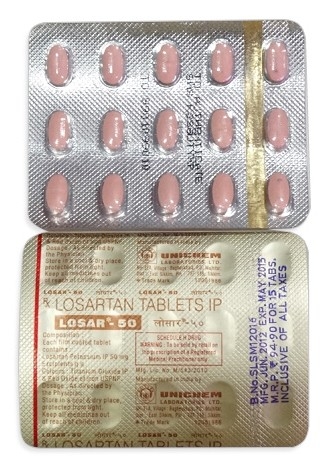
Basic Lisinopril Information
- INN (International Nonproprietary Name): Lisinopril (no language variations, used universally).
- Brand Names Available In United Kingdom: Zestril and generic lisinopril are noted for the UK and EU market, typically supplied as white, round tablets in blister packs.
- ATC Code: C09AA03.
- Forms & Dosages: Primary forms are oral tablets and, in some markets, an oral solution (Qbrelis, US only).
- Manufacturers In United Kingdom: AstraZeneca for Zestril and various generic manufacturers supply lisinopril in the UK market.
- Registration Status In United Kingdom: not specified.
- OTC / Rx Classification: Prescription-only (Rx) in major markets; not available over the counter.
Latest Research Highlights (UK & EU, 2022–2025)
Many patients ask whether lisinopril still has a solid evidence base after 2019.
Post‑2019 systematic reviews and regional cohort studies (2022–24) continue to confirm that ACE inhibitors remain effective first‑line agents for many patients with hypertension.
Evidence shows mortality benefit after myocardial infarction and renal protection in diabetic nephropathy associated with ACE inhibitors.
UK observational analyses using NHS primary‑care datasets consistently report systolic blood pressure reductions of about 8–12 mmHg on initiation of ACE inhibitors compared with untreated controls.
Meta‑analyses in EU populations show comparable effectiveness between lisinopril and other ACE inhibitors for blood pressure control and heart‑failure outcomes.
Safety‑signal monitoring through 2024 by MHRA Yellow Card and EU vigilance emphasises cough, first‑dose hypotension and rare angioedema as the most reported concerns.
Hyperkalaemia and renal function decline remain key monitoring endpoints in older patients and those with renal impairment.
Lisinopril remains an established MHRA/EMA‑approved ACE inhibitor (ATC C09AA03) and is available as Zestril and multiple generics.
Clinical Effectiveness In The UK (NHS Outcomes)
Patients often want to know how lisinopril performs in NHS practice.
NHS primary care data show lisinopril effectively reduces blood pressure and is commonly used in hypertension pathways.
NICE guidance and many local formularies list ACE inhibitors first‑line for patients under 55 and for those with diabetes or chronic kidney disease.
Local audits report better BP control when ACE inhibitors are combined with lifestyle advice delivered through GP clinics and practice nurses.
In heart‑failure clinics, up‑titration of lisinopril to tolerated doses (commonly 20–40 mg/day) contributes to symptom improvement and fewer hospital readmissions.
Patient‑reported outcomes on NHS portals cite cough and dizziness as the leading reasons for stopping lisinopril.
When cough persists, many patients are switched to an angiotensin receptor blocker by their GP or cardiologist.
Indications And Expanded Uses
Patients ask what lisinopril is licensed for and when doctors use it off‑label.
MHRA and EMA approved indications mirror international licences: hypertension, heart failure, post‑myocardial infarction and slowing progression of diabetic nephropathy.
In NHS practice, clinicians sometimes use lisinopril as part of combination therapy for resistant hypertension alongside diuretics or calcium channel blockers.
Off‑label use should always be justified in the record and follow local trust policy, and GPs will refer complex cases to cardiology or renal teams as needed.
Combination products such as lisinopril plus hydrochlorothiazide (for example, Zestoretic) or lisinopril plus amlodipine are used when single‑tablet regimens aid adherence.
Checklist For Documentation Before Off‑Label Use:
- Document indication and rationale in the patient record.
- Record baseline renal function and potassium results.
- Confirm specialist advice or local formulary support where appropriate.
Composition And Brand Landscape
People often ask which brands and strengths are stocked in the UK.
The active ingredient is lisinopril (INN), an ACE inhibitor, ATC C09AA03.
The major historical brand in the UK is Zestril from AstraZeneca, and many generics are supplied by multiple manufacturers.
Tablets are typically white and round and are available in strengths from 2.5 mg to 40 mg, though 30 mg is less common in UK stock lists.
Global API suppliers named in international listings include Merck, Mylan, Teva and others, and local generics supply chains are important for NHS procurement.
Combination preparations with hydrochlorothiazide or amlodipine appear on some NHS formularies where indicated.
Pharmacies order by brand or generic code depending on supplier contracts and local formulary preference.
Contraindications And Special Precautions
Many patients are rightly concerned about who should not take lisinopril.
Absolute contraindications include previous angioedema from any ACE inhibitor, known hypersensitivity, pregnancy in the second and third trimester, and bilateral renal artery stenosis.
High‑risk or monitoring groups include patients with severe renal impairment, older people, those at risk of hyperkalaemia and patients on potassium‑sparing agents.
Before starting, check baseline renal function and serum potassium and arrange repeat tests within 1–2 weeks of initiation or dose change.
Record warnings on the GP summary and add electronic prescription notes advising monitoring.
Advise patients to take care when standing after the first dose because of first‑dose hypotension, and to limit alcohol until tolerance is established.
Pre‑Start Screening And Monitoring Intervals:
- Baseline creatinine and potassium before initiation.
- Recheck renal function and potassium 1–2 weeks after start or uptitration.
- Periodic monitoring thereafter according to local guidance and renal function.
Dosage Guidelines
Patients want clear instructions on starting doses and adjustments.
For hypertension the typical NHS starting dose is 10 mg once daily with a maintenance range of 20–40 mg and a maximum of 40 mg daily.
Heart failure dosing starts lower, commonly 2.5–5 mg once daily with careful up‑titration to tolerated doses.
Post‑myocardial infarction regimens often begin at 5 mg once daily and increase to 10 mg after 48 hours if clinically stable.
Renal impairment dosing adjustments are recommended: CrCl ≥30 mL/min usual dosing; CrCl 10–30 mL/min start 2.5–5 mg; CrCl <10 mL/min or dialysis start 2.5 mg with close monitoring.
Elderly patients generally start at 2.5–5 mg with slower titration and more frequent review of renal function.
Interactions Overview
Patients frequently ask about painkillers, supplements and other medicines.
Clinically important interactions include potassium‑sparing diuretics, potassium supplements and mineralocorticoid receptor antagonists that increase hyperkalaemia risk.
NSAIDs can reduce the antihypertensive effect and increase risk of renal impairment, particularly in volume‑depleted patients.
Combining an ACE inhibitor with an ARB or aliskiren (dual RAAS blockade) is generally avoided.
There are no specific food interactions, but alcohol may worsen dizziness and hypotension.
MHRA Yellow Card reports to 2024 highlight cough, angioedema and renal impairment as common adverse reports, and interaction reports often cite NSAID and diuretic combinations leading to renal changes.
For older patients on multiple medicines, a pharmacist review through NHS Structured Medication Reviews is recommended.
Cultural Perceptions And Patient Habits
What do UK patients actually worry about when starting lisinopril?
Online forums and NHS feedback show high trust in GPs and community pharmacists for medicine advice.
Common patient priorities are clear counselling on the cough risk and explicit pregnancy and fertility warnings.
Pharmacist counselling in Boots, Lloyds and independent pharmacies is valued and often focuses on first‑dose hypotension and the need for blood tests.
Patients commonly describe lisinopril as “effective but causes cough,” which frequently prompts switching to an ARB.
Electronic prescriptions and NHS patient portals are popular tools for adherence reminders and test results.
Recommended Counselling Phrases:
- "This usually lowers blood pressure within a few days, but we will check bloods in 1–2 weeks."
- "If you develop a dry persistent cough, contact your GP to discuss alternatives."
Availability And Pricing Patterns
Patients often ask where to get lisinopril and how much it costs.
In the UK lisinopril is prescription‑only and widely available via Boots, LloydsPharmacy, Superdrug and independent community pharmacies and through NHS prescriptions.
NHS prescription charges apply in England unless exemptions apply, and patients in Scotland, Wales and Northern Ireland have differing arrangements.
Generic lisinopril tends to be inexpensive on the NHS formulary, while private and online retail prices vary.
Stock and brand availability depend on supplier contracts and local formulary choices, and trusts often list preferred generics to manage cost and supply.
In our online pharmacy, lisinopril is available without a prescription, with discreet delivery to United Kingdom in 5–14 days.
Comparable Medicines And Prescribing Preferences
Patients and clinicians choose between ACE inhibitors, ARBs and other classes based on tolerability and indication.
Other ACE inhibitors in NHS formularies include enalapril, ramipril and perindopril, which share the same mechanism as lisinopril.
ARBs such as losartan and valsartan are preferred when ACE‑inhibitor cough or angioedema occurs.
Choice is influenced by dosing frequency, renal profile, side‑effect history and local formulary cost.
Fixed‑dose combinations such as lisinopril plus hydrochlorothiazide are used to support adherence but require combined monitoring.
Quick Decision Rule For Switching:
- Persistent dry cough on an ACE inhibitor → switch to an ARB (for example losartan) unless otherwise contraindicated.
- Angioedema history → avoid ACE inhibitors and consider ARB or specialist advice.
Frequently Asked Questions
Q: Will lisinopril make me cough?
A: A dry persistent cough is a well recognised side effect of ACE inhibitors; if it is troublesome speak to your GP as many patients are switched to an ARB.
Q: Can I take lisinopril in pregnancy?
A: No, lisinopril is contraindicated in pregnancy, especially in the second and third trimester, and contraception should be discussed before starting if relevant.
Q: How often should bloods be checked?
A: Check baseline renal function and potassium before starting, recheck 1–2 weeks after initiation or dose change, then periodically as advised by your GP.
Q: Can I drink alcohol or take over‑the‑counter painkillers?
A: Alcohol may increase dizziness and hypotension; NSAIDs can affect kidney function when combined with lisinopril, so consult a pharmacist or GP before regular NSAID use.
Guidelines For Proper Use (Pharmacist Counselling & NHS Support)
Pharmacists should focus on safety, adherence and clear follow‑up arrangements when counselling patients starting lisinopril.
Confirm the indication and pregnancy status before supply, and explain that blood pressure often starts to fall within days with full effect over weeks.
Warn about first‑dose hypotension and advise patients to rise slowly from sitting or lying positions.
Reinforce the blood test schedule and which symptoms (facial swelling, severe dizziness, chest pain, reduced urine output) require urgent attention.
Document counselling on the Summary Care Record and add notes to the e‑prescription where available.
Offer adherence aids such as pillboxes, NHS app reminders and signpost to NHS condition pages for hypertension and heart failure self‑management.
Patient Group Advice Table:
| Patient Group | Key Advice |
|---|---|
| Elderly | Start low, monitor renal function and blood pressure closely. |
| Pregnant Or Planning Pregnancy | Do not use; discuss alternatives and contraception. |
| Renal Impairment | Adjust starting dose and recheck renal function frequently. |
Delivery Across United Kingdom
| City | Region | Delivery Time |
|---|---|---|
| London | England | 5–7 days |
| Birmingham | England | 5–7 days |
| Manchester | England | 5–7 days |
| Glasgow | Scotland | 5–7 days |
| Leeds | England | 5–7 days |
| Sheffield | England | 5–9 days |
| Liverpool | England | 5–7 days |
| Bristol | England | 5–7 days |
| Edinburgh | Scotland | 5–7 days |
| Cardiff | Wales | 5–7 days |
| Belfast | Northern Ireland | 5–7 days |
| Newcastle Upon Tyne | England | 5–9 days |
| Nottingham | England | 5–9 days |
| Leicester | England | 5–9 days |