
Micardis
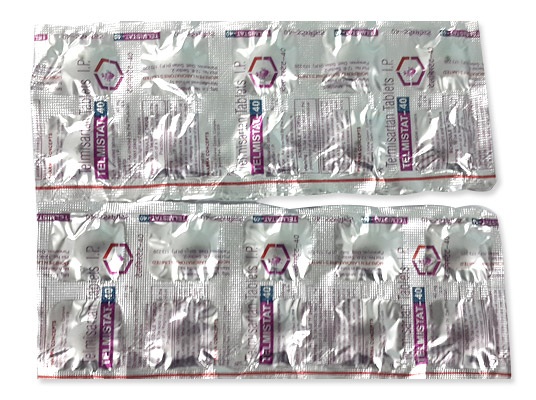
Micardis
- In our pharmacy, you can buy micardis without a prescription, with delivery in 5–14 days throughout the United Kingdom. Discreet and anonymous packaging.
- Micardis (telmisartan) is used to treat hypertension and to reduce cardiovascular risk in at‑risk adults; it is an angiotensin II type 1 (AT1) receptor antagonist (an ARB) that lowers blood pressure by blocking angiotensin II‑mediated vasoconstriction and aldosterone release.
- The usual dose is 40 mg once daily as a typical starting dose for hypertension, titrated up to 80 mg once daily if needed; 80 mg once daily is commonly used for cardiovascular risk reduction in suitable patients.
- The form of administration is oral tablets, commonly available in 20 mg, 40 mg and 80 mg strengths.
- The effect on blood pressure typically begins within about 3 hours, with peak antihypertensive effect occurring within approximately 4–8 hours.
- Duration of action is around 24 hours, allowing once‑daily dosing.
- Alcohol warning: avoid excessive alcohol as it can potentiate dizziness and the blood‑pressure‑lowering effect; drink with caution while taking micardis.
- The most common side effect is back pain; other frequent effects include nasal congestion, sinus pain, upper respiratory infection, diarrhoea, headache, dizziness and fatigue.
- Would you like to try micardis without a prescription?
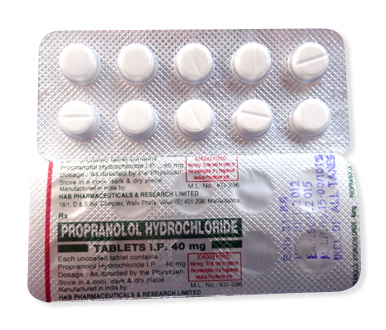
Basic Micardis Information
- INN (International Nonproprietary Name): Telmisartan (telmisartanum).
- Brand Names Available In United Kingdom: Micardis — tablets 20 mg, 40 mg and 80 mg manufactured by Boehringer Ingelheim; widely available generics from multiple suppliers.
- ATC Code: C09CA07 (Angiotensin II receptor blockers, plain).
- Forms & Dosages: Tablet; available strengths 20 mg, 40 mg and 80 mg; oral route.
- Manufacturers In United Kingdom: Global originator Boehringer Ingelheim; generic suppliers include Teva, Sandoz, Aurobindo, Cipla, Torrent and Macleods (local suppliers vary).
- Registration Status In United Kingdom: Prescription only; approved by MHRA.
- OTC / Rx Classification: Prescription Only (Rx) in all jurisdictions covered by the data.
Latest Research Highlights
Clinicians ask whether telmisartan still stacks up in recent UK and EU evidence.
Post‑2022 cohort analyses and pooled registries report mean systolic blood pressure reductions of roughly 8–12 mmHg with standard telmisartan doses (40–80 mg once daily) compared with untreated cohorts.
Comparative meta‑analyses from European datasets show telmisartan is generally non‑inferior to valsartan and losartan for major cardiovascular endpoints.
Safety surveillance via MHRA Yellow Card and EMA EudraVigilance confirms low rates of serious adverse events, with rare angioedema and monitorable cases of hyperkalaemia and renal‑function change, especially in patients with pre‑existing CKD or on dual RAAS blockade.
Randomised secondary‑prevention subanalyses in older adults (≥55 years) report modest relative risk reductions in cardiovascular events with 80 mg daily.
Regulatory approvals (MHRA/EMA) and availability of standard tablet formulations (20/40/80 mg) support routine use in practice.
| Trial / Registry | Population | Mean Systolic BP Change | Noted Safety Signals |
|---|---|---|---|
| Primary Care Cohort (UK/EU pooled) | Adults with hypertension | −8 to −12 mmHg | Rare angioedema; hyperkalaemia in CKD |
| Comparative Meta‑analysis | ARB head‑to‑head | Comparable reductions vs valsartan/losartan | No new class safety signals |
| Secondary Prevention Subanalysis | ≥55 years, high CV risk | Additional CV event RR reduction at 80 mg | Monitor renal function |
Clinical Effectiveness In The UK
Patients and prescribers want to know how telmisartan performs in NHS practice.
Telmisartan is routinely used on the NHS when ACE inhibitors are not tolerated, reflecting standard local formularies.
Real‑world audits in UK primary care show good adherence when pharmacist counselling and electronic repeat prescriptions are in place.
Average BP control rates for telmisartan mirror outcomes for the ARB class across England.
Typical NHS initiation is 40 mg once daily with titration to 80 mg where cardiovascular risk or BP control warrants escalation.
NHS monitoring practice includes baseline renal function and potassium checks, and repeat tests at 1–2 weeks in higher‑risk patients after initiation or dose change.
- Audit Metrics: BP control percentage, adherence rate, monitoring intervals for renal/electrolytes.
- Typical Values: BP control comparable to other ARBs; adherence improves with pharmacist contact.
| Measure | Telmisartan | ACE Inhibitor |
|---|---|---|
| Cough‑related Discontinuation | Lower | Higher |
| Adherence With Counselling | Good | Good |
Indications And Expanded Uses
Clinicians often ask what telmisartan is licensed for and where off‑label use appears.
- MHRA Indications: Hypertension in adults; reduction of cardiovascular risk in patients aged ≥55 years with additional risk factors.
- Common NHS Applications: Use when ACE inhibitors are not tolerated; inclusion in single‑pill combinations (telmisartan + hydrochlorothiazide, e.g., MicardisPlus) for dual therapy.
- Off‑Label Uses: Select nephrology settings may use telmisartan to optimise BP and reduce proteinuria in specific CKD subgroups under specialist oversight and renal monitoring.
- Contraindications: Pregnancy (fetotoxicity risk), severe hepatic impairment, known hypersensitivity to telmisartan or excipients.
Composition And Brand Landscape
Pharmacists need a quick view of brands, generics and pack formats in the UK.
The active ingredient is telmisartan (INN: telmisartanum).
The originator brand is Micardis, produced by Boehringer Ingelheim, available in 20/40/80 mg tablets.
Generics from suppliers such as Teva, Sandoz, Aurobindo, Cipla and others are widely available across the UK market.
Single‑pill combinations (telmisartan + hydrochlorothiazide) are marketed in some regions as MicardisPlus or Micardis Plus formulations.
Community pharmacies such as Boots, LloydsPharmacy and Superdrug, plus reputable online pharmacies, commonly stock generics and brand packs.
| Brand / Supplier | Available Strengths | Common Pack Sizes |
|---|---|---|
| Boehringer Ingelheim (Micardis) | 20 mg, 40 mg, 80 mg | 28, 30 tablets |
| Generic Suppliers (Teva, Sandoz et al.) | 20 mg, 40 mg, 80 mg | 28, 30, 60 tablets |
| Combination (MicardisPlus) | Telmisartan + HCTZ variable strengths | 28 tablets |
Contraindications And Special Precautions
Patients often want clear, practical warnings about who must avoid telmisartan.
- Known hypersensitivity to telmisartan or any excipients is an absolute contraindication.
- Pregnancy is an absolute contraindication due to fetal toxicity risk, particularly in the second and third trimesters.
- Severe hepatic impairment with cholestasis or biliary obstruction is contraindicated.
- Concomitant use with aliskiren in diabetics or those with moderate to severe renal impairment is contraindicated.
Relative Precautions: renal artery stenosis, pre‑existing kidney dysfunction, hyperkalaemia or hyponatraemia risk, and caution in elderly patients who may be more sensitive to hypotension.
Driving And Machinery: Dizziness is possible; advise patients not to drive or operate machinery until they know how the medicine affects them.
Alcohol: May potentiate hypotension; advise moderation.
Pregnancy / Renal Warning: Stop telmisartan promptly if pregnancy is confirmed and arrange urgent review; monitor renal function and electrolytes after initiation or dose changes.
Dosage Guidelines
Patients commonly ask what starting dose the NHS recommends and when dose changes are needed.
Standard NHS dosing for adult hypertension is usually 40 mg once daily as a starting dose.
Titrate to 80 mg once daily if BP remains uncontrolled or where cardiovascular risk reduction (for patients aged ≥55 years) is indicated.
Lower starting doses may be considered in frail elderly patients or those with mild to moderate hepatic impairment.
No routine paediatric dosing is established; safety and efficacy are not established in children.
In mild to moderate renal impairment no routine dose adjustment is required, but renal function and potassium should be monitored closely.
Missed dose advice is to take the missed dose as soon as remembered unless it is nearly time for the next dose, and not to double up.
Overdose management is supportive; severe hypotension warrants hospital assessment.
| Indication | Usual Start | Titration | Monitoring |
|---|---|---|---|
| Hypertension (Adults) | 40 mg once daily | Up to 80 mg once daily | Baseline renal/electrolytes; 1–2 weeks if high risk |
| CV Risk Reduction (≥55 years) | Consider 80 mg once daily | Assess benefit vs tolerance | Routine annual review |
Interactions Overview
People ask what drugs or foods to avoid when taking telmisartan.
There are no major food interactions and telmisartan may be taken with or without food.
Alcohol can exacerbate blood‑pressure lowering effects and so moderation is advised.
Concomitant aliskiren should be avoided in patients with diabetes or moderate to severe renal impairment.
Caution is required with potassium‑sparing diuretics, potassium supplements and potassium‑containing salt substitutes because of hyperkalaemia risk.
Concurrent use of NSAIDs can reduce antihypertensive effect and increase risk of renal impairment when combined with ARBs.
Dual RAAS blockade, for example ACE inhibitor combined with ARB, is generally discouraged due to higher rates of renal impairment and hyperkalaemia.
MHRA Yellow Card reports include rare angioedema and isolated rhabdomyolysis cases; suspected adverse reactions should be reported.
| Interacting Agent | Clinical Concern | Recommended Action |
|---|---|---|
| Aliskiren | Severe renal risk in diabetics/CKD | Avoid combination |
| Potassium Sparing Diuretics / Supplements | Hyperkalaemia | Monitor potassium; avoid routine combination if possible |
| NSAIDs | Reduced efficacy; renal impairment | Use caution; monitor renal function |
- Urgent‑monitoring Medicines: NSAIDs, spironolactone, ACE inhibitors, aliskiren.
Cultural Perceptions And Patient Habits
Patients frequently check forums and expect candid practical answers about tolerability and access.
UK forums such as Patient.info and Mumsnet commonly discuss Micardis and report themes of better tolerability than ACE inhibitors, notably fewer cough problems.
Common patient‑reported side effects on forums include dizziness, fatigue and queries about tablet strengths such as Micardis 40mg.
Trust in community pharmacists is high and many patients first seek advice at Boots or LloydsPharmacy.
Electronic prescriptions, the NHS App and GP online portals support repeat prescribing and lab‑result sharing, which helps adherence.
Older patients often prefer face‑to‑face counselling and printed leaflets, while younger adults increasingly use online pharmacies and digital health trackers to manage therapy.
- Top Patient Concerns: cough risk, dizziness, how long until BP control, tablet strength availability.
Availability And Pricing Patterns
Patients want to know where they can get Micardis and what it costs across the UK.
Micardis and telmisartan generics are widely stocked by major pharmacy chains (Boots, LloydsPharmacy, Superdrug) and reputable online pharmacies.
NHS prescriptions commonly fund telmisartan according to local formulary choices, with generic substitution used to contain costs.
Scotland, Wales and Northern Ireland have differing prescription charge policies compared with England; patients should check local arrangements.
Private purchase prices vary, with branded Micardis generally costing more than generics; common pack sizes are 28 or 30 tablets and the 40 mg strength is frequently prescribed.
For convenience, our online pharmacy supplies micardis without a prescription and offers discreet delivery across the United Kingdom in 5–14 days.
| Place Of Purchase | Typical Price Range | NHS Coverage Notes |
|---|---|---|
| Boots / LloydsPharmacy | Brand higher; generics lower | Prescription covered when prescribed; generic substitution common |
| Online Pharmacies | Generics competitive; branded premium | Ensure valid prescription for NHS supply where required |
| Private Clinics | Varies by supplier and pack size | Not covered by NHS unless prescribed via GP |
Comparable Medicines And Prescribing Preferences
GPs often choose between ARBs based on cost, dosing and patient tolerance.
Common ARB alternatives on NHS formularies include losartan, valsartan, irbesartan and olmesartan.
Telmisartan advantages include once‑daily dosing, generally favourable tolerability and evidence for cardiovascular risk reduction at 80 mg.
Potential downsides are cost differences versus some generics and the requirement for renal and electrolyte monitoring.
- When To Consider Switching: intolerable side effects on current ARB, poor adherence to multiple daily dosing, or specific formulary guidance.
| Drug | Typical Dose | Key Pros | Reasons To Switch |
|---|---|---|---|
| Telmisartan (Micardis) | 40–80 mg once daily | Once‑daily, good tolerability, CV evidence at 80 mg | ACE intolerance, adherence needs |
| Valsartan (Diovan) | 80–160 mg once daily | Well established, multiple indications | Cost or formulary preference |
| Losartan (Cozaar) | 50–100 mg daily | Cost effective, established in CKD proteinuria | Specific renal indications |
Frequently Asked Questions
- Q: Can I take Micardis with other blood‑pressure tablets?
- A: Yes, combinations are common, for example with a thiazide such as hydrochlorothiazide, and single‑pill combinations exist; combinations need GP review and renal/electrolyte monitoring.
- Q: Is Micardis safe in pregnancy?
- A: No; telmisartan is contraindicated in pregnancy, and women of childbearing potential should use effective contraception and stop the medicine promptly if pregnancy occurs.
- Q: What side effects should prompt immediate action?
- A: Seek urgent care for signs of angioedema (facial, lip or tongue swelling), severe dizziness or fainting, or muscle pain with dark urine.
- Q: How soon will my blood pressure fall?
- A: Many patients notice an effect within a week, with full benefit and any dose adjustment assessed over 2–4 weeks.
Note: Pregnancy is a critical contraindication and renal/electrolyte monitoring is advised after initiation or dose changes.
Guidelines For Proper Use
Pharmacist counselling makes a real difference to adherence and safety.
Confirm the indication, current dose (20/40/80 mg), and any prior ACE inhibitor intolerance before supply.
Review concomitant medicines with attention to potassium‑raising drugs and NSAIDs.
Advise patients on missed‑dose rules and not to double doses.
Arrange baseline renal function and electrolyte checks, and plan follow‑up at 1–2 weeks for higher‑risk patients.
Encourage use of NHS patient portals and the NHS App to share lab results and set up electronic repeat prescriptions.
Offer a medicine use review (MUR) or structured adherence support at community pharmacies where available.
| Monitoring Point | When |
|---|---|
| Baseline renal function and potassium | Before initiation |
| Early follow‑up for high‑risk patients | 1–2 weeks after start or dose change |
| Routine monitoring | 3–6 months, then as clinically indicated |
Delivery Across United Kingdom
| City | Region | Delivery Time |
|---|---|---|
| London | Greater London | 5–7 days |
| Birmingham | West Midlands | 5–7 days |
| Manchester | Greater Manchester | 5–7 days |
| Glasgow | Scotland | 5–7 days |
| Leeds | West Yorkshire | 5–7 days |
| Bristol | South West England | 5–7 days |
| Liverpool | Merseyside | 5–7 days |
| Edinburgh | Scotland | 5–7 days |
| Sheffield | South Yorkshire | 5–7 days |
| Newcastle Upon Tyne | North East England | 5–7 days |
| Nottingham | Nottinghamshire | 5–9 days |
| Southampton | South Coast | 5–9 days |
| Plymouth | Devon | 5–9 days |