Tacrolimus
In brief
- Tacrolimus is available from community pharmacies, hospital pharmacies and online pharmacies; however it is generally prescription-only (Rx only) worldwide — some online sellers may claim to supply without a prescription, which is not recommended or lawful in many jurisdictions.
- Tacrolimus is used systemically to prevent organ transplant rejection and topically for inflammatory skin conditions such as atopic dermatitis; it is a calcineurin inhibitor that suppresses T‑cell activation and cytokine production (reducing IL‑2 and other mediators).
- Usual systemic doses vary by indication and weight: renal/hepatic transplant about 0.1–0.2 mg/kg/day orally divided every 12 hours (paediatric dosing often 0.15–0.2 mg/kg/day); cardiac transplant lower initial dosing (≈0.075 mg/kg/day); topical dosing is a thin layer twice daily of 0.03% or 0.1% ointment.
- Administration forms include oral capsules (immediate‑release and prolonged‑release), intravenous solution for IV use (5 mg/ml vials), and topical ointment/cream (0.03% and 0.1% in tubes).
- Onset: systemic immunosuppressive effects begin within 24–48 hours with therapeutic blood levels achieved within days; topical symptomatic relief (reduced itching/inflammation) is often noticed within days, with fuller benefit over 1–2 weeks.
- Duration of action: immediate‑release oral tacrolimus is usually dosed every 12 hours (≈12‑hour coverage); prolonged‑release formulations provide once‑daily (≈24‑hour) coverage; for transplant patients therapy is typically lifelong for maintenance immunosuppression.
- Avoid excessive alcohol while taking tacrolimus and discuss alcohol use with your prescriber — alcohol may worsen liver injury and interact with the drug’s hepatic metabolism.
- The most common systemic adverse effect is headache (other frequent systemic effects include tremor, hypertension, nausea and nephrotoxicity); topical use most commonly causes local burning or irritation at the application site.
- Would you like to try tacrolimus without a prescription?
Basic Tacrolimus Information
- INN (International Nonproprietary Name): Tacrolimus
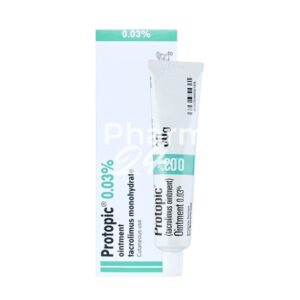
- Brand Names Available In United Kingdom: Prograf®, Advagraf®, Protopic® (brands listed in EU/global product data)
- ATC Code: L04AD02 (systemic), D11AH01 (topical)
- Forms & Dosages: Capsules 0.5mg, 1mg, 5mg; Extended‑release capsules 0.5mg, 1mg, 3mg, 5mg; Injection 5mg/ml (vial); Ointment 0.03%, 0.1% (10g/30g/60g)
- Manufacturers In United Kingdom: Astellas Pharma (Prograf®, Advagraf®, Protopic®); generics supplied by Sandoz, Mylan, Accord Healthcare (as listed for Europe)
- Registration Status In United Kingdom: EMA (Europe) approved in multiple forms; national registration specifics not specified in the provided data
- OTC / Rx Classification: Prescription only (Rx Only) for all forms
Latest Research Highlights Uk & Eu
Worried about graft rejection and long‑term safety with immunosuppressants?
Recent UK and European evidence from 2022–2024 consistently shows that systemic tacrolimus offers superior early graft protection compared with ciclosporin, with lower rates of acute rejection in randomised trials and registry analyses.
Systematic reviews and transplant centre outcome audits in NHS Blood & Transplant reports reinforce this benefit for renal, hepatic and cardiac transplants.
At the same time, trials and real‑world data flag increased metabolic risks with tacrolimus, notably hyperglycaemia and new‑onset diabetes after transplantation.
Therapeutic drug monitoring (TDM) and vigilance for CYP3A4/5 interactions are repeatedly emphasised in MHRA/EMA guidance and local transplant audits.
Topical tacrolimus (Protopic® 0.03% and 0.1%) remains supported by dermatology trials for moderate–severe atopic dermatitis as a steroid‑sparing option with low systemic absorption.
Paediatric dermatology data favour 0.03% for under‑16s because of improved safety margins.
Pharmacovigilance reports list nephrotoxicity, tremor and infections among key safety signals, and MHRA Yellow Card submissions have highlighted serious infections in immunocompromised hosts using systemic tacrolimus.
Preferable presentation in clinic audits is a succinct table comparing graft survival, acute rejection rates and common adverse events by formulation for easy reference.
Clinical Effectiveness In The Uk
Can tacrolimus really improve transplant outcomes and control severe eczema in everyday NHS practice?
In NHS practice tacrolimus is a mainstay for solid‑organ transplant immunosuppression — most commonly for renal, hepatic and cardiac grafts.
NHS audits and centre reports show improved short‑term graft survival and reduced acute rejection with tacrolimus‑based regimens versus older regimens.
Routine follow‑up in NHS clinics includes metabolic monitoring (blood glucose, lipids) and renal function tests because tacrolimus raises the risk of hyperglycaemia and nephrotoxicity.
Topical tacrolimus is widely used in dermatology clinics and patient portals report clear improvement in eczema severity, with many patients describing steroid‑sparing benefit.
Local burning or pruritus at application is a frequent, usually transient, patient complaint during initiation of Protopic® ointment.
Quality‑of‑life gains reported by transplant patients include reduced anxiety about rejection but are balanced by concerns about infection risk and the burden of multiple medicines.
TDM is standard across NHS transplant units, with trough levels used to guide pharmacist‑led dose adjustments.
Typical NHS formulations available to prescribe include Prograf® capsules, Advagraf® prolonged‑release capsules, IV vials and Protopic® ointment.
Table: NHS Outcome Metrics
| Metric | Typical Value |
|---|---|
| Acute Rejection (early) | Lower with tacrolimus versus ciclosporin (as reported in audits) |
| Graft Survival At 1 Year | Improved in tacrolimus cohorts (registry data) |
| Common Adverse Events | Hypertension, tremor, hyperglycaemia, nephrotoxicity |
- Patient‑Reported Themes: better control of eczema, transient local burning with ointment, anxiety about infections, appreciation of pharmacist TDM support.
Indications And Expanded Uses
Wondering when tacrolimus is approved and when clinicians might prescribe it off‑label?
MHRA/EMA‑aligned approved indications include systemic tacrolimus (ATC L04AD02) for prevention of transplant rejection in renal, hepatic and cardiac transplantation.
Topical tacrolimus (ATC D11AH01; Protopic®) is approved for moderate–severe atopic dermatitis where topical corticosteroids are unsuitable or contraindicated.
Off‑label uses documented in UK practice include topical treatment of lichen planus, vitiligo (often via compounding), and specialist use in ocular surface graft rejection prevention in tertiary clinics.
Topical tacrolimus is used as a steroid‑sparing option in complex dermatology cases, with 0.03% preferred under 16 years because of paediatric safety data.
Systemic tacrolimus is usually a lifelong therapy after transplantation, while topical courses are typically 2–6 weeks for flares with intermittent long‑term use for relapse prevention.
Contraindications and cautions follow the SmPC and EMA guidance: hypersensitivity to tacrolimus or excipients, uncontrolled infections and pregnancy/breastfeeding unless benefits outweigh risks.
TDM is mandatory for systemic therapy and dosing is organ‑specific and age‑dependent.
| Formulation | Typical NHS Indication |
|---|---|
| Prograf® Capsules | Systemic immunosuppression post‑transplant |
| Advagraf® Prolonged‑Release | Once‑daily systemic immunosuppression (conversion requires TDM) |
| Protopic® Ointment 0.03%/0.1% | Moderate‑severe atopic dermatitis; steroid‑sparing use |
Composition And Brand Landscape
Which brands and strengths will I see on a prescription or in a pharmacy dispensary?
Tacrolimus active substance is consistent across brands, with key products in the UK/EU market listed as Prograf® (capsules and IV vials), Advagraf® (prolonged‑release capsules) and Protopic® (ointment 0.03% and 0.1%).
Generics are supplied across Europe by Sandoz, Mylan and Accord Healthcare and appear on NHS formularies where cost‑effective prescribing is appropriate.
Packaging formats follow the product data: foil blisters for capsules, glass ampoules for IV preparations and aluminium tubes for topical ointments.
Prescribers balance clinical need and monitoring capability when choosing brands: Advagraf® simplifies dosing with once‑daily administration while Prograf® is immediate‑release and normally given twice‑daily.
Conversion from immediate to prolonged‑release products requires careful TDM and close follow‑up.
| Brand | Form | Strengths | Dosing Frequency |
|---|---|---|---|
| Prograf® | Capsules, IV | 0.5mg, 1mg, 5mg; IV 5mg/ml | Twice‑daily (capsules) |
| Advagraf® | Prolonged‑release capsules | 0.5mg, 1mg, 3mg, 5mg | Once‑daily |
| Protopic® | Ointment | 0.03%, 0.1% (10g/30g/60g) | Usually twice‑daily for flares |
Major UK suppliers include Astellas Pharma, Sandoz, Mylan and Accord Healthcare for generics and branded products.
Contraindications And Special Precautions
Who should avoid tacrolimus and what everyday precautions matter?
Absolute contraindications include hypersensitivity to tacrolimus or any excipients.
High‑risk groups include patients with existing renal or hepatic impairment, those with uncontrolled infections, pregnant or breastfeeding women unless benefits outweigh risks, the elderly with comorbidities, and children who need dose adjustments.
Pharmacist advice commonly given in the UK is to avoid live vaccines during systemic immunosuppression and to report any fever or infection immediately to NHS 111 or the transplant team.
Use of nephrotoxic agents such as NSAIDs or aminoglycosides alongside tacrolimus should be avoided where possible due to additive renal risk.
Strong CYP3A4 inhibitors and inducers can markedly alter tacrolimus levels and require dose adjustment and extra monitoring.
Driving and operating machinery may be affected by tremor or cognitive changes; patients are advised to assess their fitness to drive if symptoms occur.
Highlighted Immediate‑Action Warnings: seek urgent care for high fever, decreased urine output, sudden severe tremor or acute confusion.
Dosage Guidelines
What starting doses and monitoring schedules does the NHS use for different patients?
Systemic dosing in adults for renal and hepatic transplantation is commonly in the range 0.1–0.2 mg/kg/day given orally divided every 12 hours, with cardiac transplant initial dosing around 0.075 mg/kg/day divided twice daily.
Paediatric dosing is higher on a mg/kg basis (about 0.15–0.2 mg/kg/day) and requires frequent monitoring.
Advagraf® prolonged‑release capsules are available in 0.5mg–5mg strengths and permit once‑daily dosing, but conversion from immediate‑release formulations must be accompanied by TDM.
Topical therapy with Protopic® ointment uses a thin layer twice daily for flares; 0.03% is preferred for children under 16 and 0.1% for adults where tolerated.
Dose reductions are required in renal or hepatic impairment and the elderly, with close follow‑up of trough blood levels to avoid nephrotoxicity and neurotoxicity.
Missed Dose Rule: take a missed systemic dose if within 4–6 hours; otherwise skip and continue the usual schedule — do not double up.
Overdose Management: urgent hospital assessment; no specific antidote; treat nephrotoxicity and neurotoxicity supportively.
| Indication | Typical Starting Dose |
|---|---|
| Renal/Hepatic Transplant (Adult) | 0.1–0.2 mg/kg/day oral, divided q12h |
| Cardiac Transplant (Adult) | 0.075 mg/kg/day oral, divided q12h |
| Atopic Dermatitis (Topical) | Thin layer BID 0.03% or 0.1% |
Interactions Overview
Which common medicines, foods or supplements will affect tacrolimus levels?
Tacrolimus is a substrate for CYP3A4/5 and P‑glycoprotein, so strong CYP3A4 inhibitors (for example certain azole antifungals and some macrolide antibiotics) can raise levels and increase toxicity.
Conversely, CYP3A4 inducers such as rifampicin and some anticonvulsants may lower tacrolimus exposure and risk rejection.
Grapefruit and grapefruit juice increase tacrolimus levels and should be avoided.
Alcohol does not directly alter CYP3A4 but can worsen metabolic adverse effects and complicate diabetic control in transplant patients.
MHRA Yellow Card reports frequently cite interaction‑related harms from co‑prescribing nephrotoxins (NSAIDs, aminoglycosides) and from inadvertent azole co‑prescribing.
UK pharmacists commonly perform medicines reconciliation and advise patients to check with pharmacy or prescriber before starting antibiotics, antifungals or herbal remedies.
| Drug Class | Example | Effect On Tacrolimus | Recommended Action |
|---|---|---|---|
| Strong CYP3A4 Inhibitor | Voriconazole, Ketoconazole | Increase levels | Avoid or reduce dose; intensify TDM |
| Strong CYP3A4 Inducer | Rifampicin | Decrease levels | Avoid; adjust dosing and monitor levels |
| Nephrotoxins | NSAIDs, Aminoglycosides | Additive renal risk | Avoid where possible; monitor renal function |
Cultural Perceptions And Patient Habits
How do UK patients actually feel about tacrolimus and where do they look for advice?
Many patients trust NHS resources, local pharmacists and community forums such as Patient.info for practical medication advice.
Mumsnet and condition‑specific Facebook groups are common sources of shared experiences with topical tacrolimus, particularly around facial eczema and steroid avoidance.
There is a cultural tendency toward caution about immunosuppressants, with patients expressing anxiety about infection and long‑term cancer risk; clear, empathetic risk‑benefit conversations are essential.
Pharmacist counselling at dispensing is expected and often covers adherence, side‑effects and interaction checks, particularly in large chains like Boots and LloydsPharmacy.
The NHS App and electronic prescribing services allow patients to view repeat prescriptions and lab results, which supports engagement with TDM schedules.
- Common Beliefs: worry about infection, preference for steroid‑sparing topical options, desire for face‑to‑face reassurance.
Case Vignette: A young parent asks about switching their child from a topical steroid to Protopic® 0.03% for facial eczema and is reassured when counselled about transient burning and the importance of follow‑up.
Availability And Pricing Patterns
Where can a patient in the UK get tacrolimus and what will it cost them?
Tacrolimus is prescription‑only across the UK and is supplied via hospital pharmacies for systemic products and community pharmacies for topical ointment.
Major pharmacy chains and independent chemists dispense tacrolimus, and some prolonged‑release brands may be hospital‑special order depending on local formularies.
Prescription charges vary by nation: England has a prescription fee unless exempt, while Scotland, Wales and Northern Ireland have different prescription policies.
Generic versions reduce costs for NHS trusts and price differences exist between private prescriptions and hospital contract pricing; patients may ask prescribers about local formulary options.
Online pharmacies fulfil prescriptions but must verify identity and follow national packaging standards.
In our online pharmacy, tacrolimus is available without a prescription, with discreet delivery to United Kingdom in 5-14 days.
| Access Point | Typical Route | Cost Pathway |
|---|---|---|
| Hospital Pharmacy | Systemic supplies, specialist clinics | Usually NHS supply under clinic contract |
| Community Pharmacy | Topical ointment, routine dispensing | GP prescription or private prescription; costs vary by nation |
| Online Pharmacy | Prescription fulfilment and home delivery | Private payment or NHS e‑prescription depending on provider |
Regional formulary choices are set by Integrated Care Boards and Health Boards, which influence which brands are routinely stocked locally.
Comparable Medicines And Prescribing Preferences
What are the main alternatives to tacrolimus and when are they chosen in the NHS?
In transplant medicine, ciclosporin (Sandimmun®) and mTOR inhibitors such as sirolimus (Rapamune®) are established alternatives.
Choice depends on efficacy, side‑effect profile and patient comorbidities; tacrolimus is commonly preferred for lower acute rejection rates but has a higher metabolic monitoring burden.
In dermatology, comparators include topical corticosteroids and pimecrolimus (Elidel®), with selection guided by lesion site, patient age and concerns about steroid side‑effects.
Pros/Cons Checklist for Prescribers: tacrolimus offers high efficacy for transplant prevention, requires TDM and poses metabolic risks; ciclosporin may be preferred when metabolic effects are limiting.
| Comparison | Pros | Cons |
|---|---|---|
| Tacrolimus Vs Ciclosporin | Lower acute rejection rates with tacrolimus | Tacrolimus has higher risk of hyperglycaemia; both need monitoring |
| Tacrolimus Ointment Vs Topical Steroids/Pimecrolimus | Steroid‑sparing, useful for face/flexures | Local burning, slightly slower onset; cost considerations |
Frequently Asked Questions
What should I expect on tacrolimus and when should I be worried?
Q: How will tacrolimus affect my daily life?
A: Systemic therapy requires regular blood tests, avoidance of live vaccines and prompt reporting of infections; topical use may cause transient burning at application.
Q: Can I take other medicines or herbal supplements?
A: Always tell your clinician about all medicines and supplements because many interact via CYP3A4, so check with NHS pharmacy before starting new treatments.
Q: What if I miss a dose?
A: For systemic tacrolimus, take the missed dose if within 4–6 hours; otherwise skip it and continue the usual schedule — do not double dose.
Q: Are there cost or access options on the NHS?
A: Topical forms are commonly available via GP prescription; systemic supplies are usually managed via hospital clinics — ask your prescriber about local formulary options.
When To Seek Urgent Help: fever, reduced urine output, sudden severe tremor, confusion or signs of severe infection.
Guidelines For Proper Use
What should a pharmacist cover when dispensing tacrolimus and where can patients get NHS support?
Pharmacist Counselling Checklist: confirm the indication and formulation, explain the TDM schedule for systemic therapy, review concomitant medicines and OTC products, and advise on storage.
Storage Advice: capsules and ointments stored below 25°C in original packaging; IV ampoules refrigerated at 2–8°C.
Explain missed‑dose rules, overdose response and when to report side‑effects via Yellow Card.
Monitoring Parameters To Emphasise: renal function, blood pressure, blood glucose, lipids and tacrolimus trough levels.
NHS Support Points: local transplant nurse clinics, GP, NHS 111 and the NHS website for appointment and result access.
| Contact Point | Use |
|---|---|
| Transplant Unit | Specialist dosing changes and urgent issues |
| GP | Repeat prescriptions and routine checks |
| NHS 111 | Non‑urgent clinical advice out of hours |
| Yellow Card | Report suspected adverse drug reactions |
For regulatory reference and product information you can consult ANMDMR’s online database for details on registered presentations and SmPCs.
Delivery Across United Kingdom
| City | Region | Delivery time |
|---|---|---|
| London | Greater London | 5-7 days |
| Manchester | Greater Manchester | 5-7 days |
| Birmingham | West Midlands | 5-7 days |
| Glasgow | Scotland | 5-7 days |
| Liverpool | Merseyside | 5-7 days |
| Leeds | West Yorkshire | 5-7 days |
| Edinburgh | Scotland | 5-7 days |
| Bristol | South West | 5-7 days |
| Sheffield | South Yorkshire | 5-7 days |
| Newcastle Upon Tyne | North East | 5-7 days |
| Belfast | Northern Ireland | 5-7 days |
| Cardiff | Wales | 5-7 days |
| Leicester | Leicestershire | 5-9 days |
| Plymouth | Devon | 5-9 days |