
Progynova
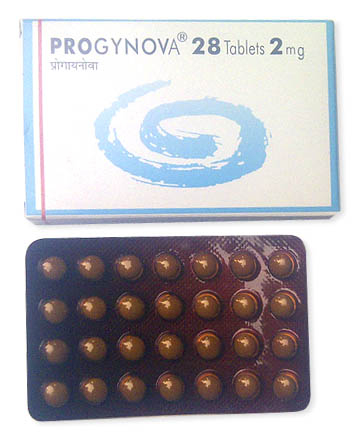
Progynova
- Progynova (estradiol/oestradiol) can be purchased in some pharmacies and online stores, and in many regulated markets it is prescription-only. In some pharmacies it may be available without a prescription, but this depends on local law and supplier policy.
- Progynova is used for menopausal symptoms, vulvovaginal atrophy, estrogen deficiency, prevention of post-menopausal osteoporosis when other options are unsuitable, and certain hormone-responsive cancer palliation. It works by replacing oestrogen, helping to restore hormone levels and reduce symptoms caused by low oestrogen.
- The usual dose depends on the condition: for menopausal symptoms, 1–2 mg orally once daily; for osteoporosis prevention, 0.5–2 mg orally once daily; for hypoestrogenism, 1–2 mg orally once daily. Doses should be individualised to the lowest effective dose for the shortest duration possible.
- Progynova is usually taken as an oral tablet. Estradiol can also be used in other forms such as vaginal cream or transdermal preparations, depending on the product.
- Onset varies, but symptom relief may begin within a few days to a few weeks, while vaginal symptoms may improve after 1–2 weeks of regular use.
- The duration of action is generally about 24 hours for the oral tablet, so it is usually taken once daily.
- Alcohol should be avoided or limited, as it may increase side effects and can be unsuitable in people with liver disease or other risk factors.
- The most common side effects are nausea, headache, breast tenderness, vaginal spotting or breakthrough bleeding, bloating, abdominal cramps, mood changes, and skin rash.
- Would you like to try Progynova without a prescription?
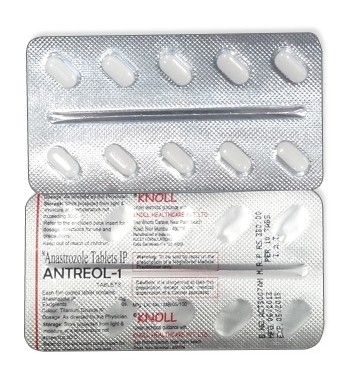
Progynova At A Glance
- INN (International Nonproprietary Name): Estradiol.
- Brand names available in United Kingdom: Progynova, alongside generic estradiol medicines.
- ATC Code: G03CA03.
- Forms & dosages: Oral tablets 0.5 mg, 1 mg, 2 mg; vaginal cream 0.01% (0.1 mg/g); other estradiol forms exist globally, including transdermal options.
- Manufacturers in United Kingdom: Multiple local and regional suppliers; availability varies by wholesaler stock and prescribing patterns.
- Registration status in United Kingdom: Available as prescription-only estradiol products in the EU/UK market.
- OTC / Rx classification: Rx only.
Latest Research Highlights: UK And EU Evidence, 2022–2025
What does the latest evidence actually say for women considering estradiol, including Progynova, for menopausal symptoms or vaginal dryness?
Across UK and EU practice, the picture remains consistent.
Estradiol is the active ingredient, classed under ATC G03CA03, and in UK and EU markets it is usually supplied as generic estradiol rather than the Estrace name.
Recent practice updates continue to support menopausal hormone therapy for symptom relief, local treatment for vulvovaginal atrophy, and selected use in prevention of bone loss when other options are not suitable.
The safety message has not changed: use the lowest effective dose, for the shortest duration, with periodic review.
That approach is the one most aligned with MHRA-style counselling and routine NHS care.
| Area | 2022–2025 finding | Evidence strength | UK/EU clinical takeaway |
|---|---|---|---|
| Symptom improvement | Consistent reduction in hot flushes and vaginal symptoms. | Strong | Useful when symptoms affect sleep, comfort, and daily function. |
| Adherence | Better adherence when treatment matches symptom pattern and route preference. | Moderate | Oral tablets suit some patients; local vaginal therapy suits others. |
| Thromboembolic risk | Risk remains a key safety consideration, especially with oral systemic estrogen. | Strong | Assess personal clot history and use the lowest effective dose. |
| Breast/endometrial monitoring | Regular review for unexpected bleeding and cancer risk factors remains important. | Strong for monitoring, limited for direct comparative data | Investigate unexplained bleeding promptly. |
Data highlight: the supplied product data show common strengths of oral tablets at 0.5 mg, 1 mg, and 2 mg, with vaginal cream at 0.01%.
That matters because most UK patients are choosing between low-dose tablet options and local treatment, not between dozens of different estradiol strengths.
Progynova is a familiar search term, but the wider UK market often uses branded alternatives such as estradiol tablets, gels, patches, and vaginal products depending on the clinical need.
Body identical estrogen, estradiol tablets UK, estrogen HRT tablets, Oestrogel, Evorel, Femoston, and Vagifem are the sort of terms patients commonly compare when reading NHS guidance or speaking to a pharmacist.
Clinical Effectiveness In The UK NHS Context
Why do so many patients notice a difference within the first few weeks of estradiol HRT?
In NHS care, estradiol is used to relieve menopausal symptoms, treat hypoestrogenism, and in selected situations support palliative symptom control.
Its effectiveness is usually judged by the patient’s own report: fewer hot flushes, better sleep, less vaginal soreness, and improved day-to-day comfort.
Oral tablets are more systemic, while local vaginal treatment is aimed at dryness, irritation, and painful intercourse.
That distinction matters when symptoms are mostly vaginal rather than whole-body.
- Reduced hot flushes and night sweats.
- Better sleep when flushing is the main trigger for waking.
- Improved vaginal comfort and reduced dryness.
- Less irritation during daily movement or intimacy.
- Support for bone health when other options are unsuitable.
Standard dosages in the supplied data are 1–2 mg oral daily for menopausal symptoms and 2–4 g vaginal cream daily for 1–2 weeks, then taper.
In real NHS use, treatment is reviewed so that the medicine is continued only as long as it is needed.
Common challenges include delayed improvement, breakthrough bleeding during early titration, and the need to adjust dose or route if symptoms are not settling.
A patient might start on one strength and then move down once symptoms are controlled, especially if the goal is comfort rather than long-term high-dose treatment.
Progynova, estradiol HRT, estrogen HRT tablets, Elleste Solo, Femoston, and estradiol tablets are all terms that often come up in this context.
Indications And Expanded Uses: MHRA-Approved And Off-Label
What is Progynova actually prescribed for in the UK, and when does a specialist step in?
The approved uses centre on menopausal symptoms, female hypoestrogenism, prevention of osteoporosis when non-estrogen options are unsuitable, and local treatment for vulvovaginal atrophy.
More specialist use exists, but it is uncommon and clinician-led.
- Menopausal symptoms
- Used to reduce flushes, night sweats, sleep disruption, and low oestrogen discomfort.
- Female hypoestrogenism
- Used when oestrogen levels are low for reasons outside normal menopause.
- Prevention of osteoporosis
- Considered only when other non-estrogen options are unsuitable.
- Local vulvovaginal atrophy treatment
- Used for dryness, soreness, and fragility in the vaginal and vulval tissues.
- Hormone-responsive cancer palliation
- Specialist-led and uncommon, used when a clinician judges that palliative benefit outweighs risk.
The supplied data note 10 mg oral 3 times daily for breast cancer/palliation and 1–2 mg oral 3 times daily for prostate cancer/palliation.
Those regimens are not routine community pharmacy starts and should always be treated as specialist prescribing.
Many UK patients check NHS portals or ask a pharmacist before starting HRT, especially when the indication is not obvious from the prescription label.
If a patient is unsure whether a medicine is being used for menopausal support or another indication, a pharmacist can often clarify the route, expected effect, and the monitoring plan.
Progynova, estradiol, menopausal hormone therapy, vulvovaginal atrophy treatment, and hormone-responsive cancer palliation are the main search phrases tied to these uses.
Composition And United Kingdom Brand Landscape
Is Progynova the same as generic estradiol?
At its core, yes.
The active ingredient is estradiol, known as oestradiol in British English.
Progynova sits within the broader UK and EU estradiol market alongside generics, and the supplied data note that European markets often use estradiol branding rather than Estrace.
The market includes oral tablets, vaginal creams, patches, gels, sprays, and other transdermal forms from multiple manufacturers.
| Product | Typical Form | Usual Use | Notes |
|---|---|---|---|
| Progynova | Oral tablet | Systemic menopausal hormone therapy | Brand availability can vary. |
| Elleste Solo | Oral tablet | Systemic estrogen replacement | Different brand, same broad treatment class. |
| Femoston | Oral tablet | HRT in suitable patients | Prescriber choice depends on whether a progestogen is needed. |
| Oestrogel | Gel | Transdermal estrogen | Useful where a non-oral route is preferred. |
| Sandrena | Gel | Transdermal estrogen | Route choice often reflects tolerability. |
| Lenzetto | Spray | Transdermal estrogen | Convenient for some patients. |
| Vagifem | Vaginal tablet | Local vaginal treatment | Targets vaginal symptoms rather than whole-body symptoms. |
| Evorel | Patch | Transdermal estrogen | Patch adhesion and skin tolerance can affect preference. |
Oral estradiol tablets act systemically, while vaginal or transdermal options deliver treatment more locally or through the skin.
That is why an online search for estrogen only tablet UK can lead to different products that are not directly interchangeable.
Progynova, estradiol hemihydrate, HRT tablet UK, Oestrogel, Sandrena, and Evorel are all terms patients use while comparing options.
Contraindications And Special Precautions
When should estradiol be avoided rather than just started carefully?
The highest-risk exclusions from the supplied data are clear, and they matter in pharmacy counselling.
- Do not use in pregnancy or if pregnancy is suspected.
- Do not use with unexplained vaginal bleeding.
- Do not use with active or recent DVT or PE.
- Do not use in liver disease or liver dysfunction.
- Do not use with a history of oestrogen-dependent cancer, especially breast or endometrial cancer.
- Do not use after MI or stroke.
- Do not use if there is hypersensitivity to estradiol or any component.
Important cautions include hypertension, diabetes, hyperlipidaemia, family history of hormone-dependent cancers, migraine, smoking over 35 years, renal impairment, and controlled hypothyroidism.
A pharmacist will usually advise urgent medical review if a patient develops chest pain, shortness of breath, a swollen painful leg, sudden weakness, or a severe new headache.
Driving is not usually directly restricted, but dizziness, severe headache, or visual symptoms mean extra caution is sensible.
Alcohol does not have a special formal interaction warning in the supplied data, although it can worsen flushes or nausea for some people.
Progynova, estradiol tablets, menopausal hormone therapy, body identical estrogen, and estrogen HRT tablets are all terms that may trigger these safety checks.
Dosage Guidelines: NHS-Style Regimens And Adjustments
How is the dose usually chosen in practice?
The rule is simple: start low, review, and adjust only if needed.
| Indication | Typical dose | Duration pattern | Monitoring note |
|---|---|---|---|
| Menopausal symptoms | 1–2 mg oral daily | Shortest period necessary | Review symptom control and bleeding. |
| Prevention of osteoporosis | 0.5–2 mg oral daily | Only if alternatives unsuitable | Reassess need periodically. |
| Female hypoestrogenism | 1–2 mg oral daily | Adjusted to response | Monitor benefit and tolerability. |
| Vaginal atrophy | 2–4 g vaginal cream daily for 1–2 weeks, then maintenance 1–3 times weekly | Often stepped down after initial treatment | Check symptom response and local irritation. |
In older adults, the lowest effective dose is preferred because the risk of thrombotic and neoplastic events is higher.
Severe liver impairment is a contraindication, and renal impairment calls for caution and closer monitoring.
Children are not generally candidates, because safety and efficacy are not established.
In everyday pharmacy practice, that means a patient may start on a standard tablet strength and later be moved to a lower maintenance dose if symptoms settle.
Progynova, estradiol HRT, estradiol tablets, vaginal atrophy treatment, and osteoporosis prevention post-menopause are the practical dosing themes most people ask about.
Interactions Overview: Medicines, Food, Drink, And Reporting
What tends to matter most with estradiol interactions?
The main issues are medicine interactions that affect clot risk, hormone exposure, or thyroid treatment.
Anticoagulants need special care, enzyme-inducing medicines can change hormonal exposure, and thyroid medicine may need review because oestrogen can affect thyroid-binding globulin.
Any regimen where clot risk already matters deserves extra attention before starting or changing treatment.
Data highlight: no major food interaction is known from the supplied product data.
There are no major routine food restrictions.
Tea or coffee may aggravate palpitations or sleep disturbance for some patients, while alcohol may worsen hot flushes or nausea.
If a patient thinks a side effect has been caused by the medicine, the MHRA Yellow Card scheme is the right reporting route in the UK.
That helps pharmacists and regulators spot patterns early.
Progynova, estradiol tablets, estrogen HRT tablets, and menopausal hormone therapy are common search terms when patients first encounter interaction advice.
Cultural Perceptions And Patient Habits In The United Kingdom
Why do UK patients often spend so long comparing HRT options before they order?
Because many want reassurance as much as treatment.
Pharmacist counselling is often the first stop, followed by NHS portals, NHS 111, or a community pharmacy conversation when symptoms are changing quickly.
Online forums often show the same concerns repeating: wanting “body identical” reassurance, worrying about cancer risk, and trying to work out the difference between tablet, patch, and gel.
- Checking NHS information before taking the first dose.
- Asking whether the product is body identical estrogen.
- Comparing Progynova with Femoston, Elleste, Oestrogel, or Vagifem.
- Preferring a known brand because it feels familiar.
- Wanting a route that suits work, travel, and routine.
Some areas of the UK still show a strong preference for familiar branded medicines, even though prescribing often favours generics.
That is normal and worth respecting, because confidence improves adherence.
A Friday-evening order is often driven by a simple problem: the patient wants relief before the weekend, not a lecture on pharmacology.
Progynova, Femoston, Elleste Solo, Oestrogel, and Vagifem are the names people compare when they are deciding what fits their symptoms and lifestyle.
Availability And Pricing Patterns Across The United Kingdom
Can Progynova be obtained through the NHS, and what about private supply?
In the UK, estradiol medicines are accessible through the NHS prescription system and through private purchase where appropriate.
England usually follows standard prescription charging rules, while Scotland, Wales, and Northern Ireland have different patient cost structures.
The supplied data confirm Rx-only status and broad EU and UK generic availability.
Our online pharmacy offers Progynova without a prescription, with discreet delivery to the United Kingdom in 5-14 days.
| Access route | Typical channel | Notes |
|---|---|---|
| Boots | High-street and online pharmacy | Stock depends on branch and wholesaler supply. |
| LloydsPharmacy | High-street and online pharmacy | Dispensing route may vary by location. |
| Superdrug | Pharmacy and online services | Availability can vary by service and region. |
| Online pharmacies | Electronic prescription or private fulfilment | Legitimacy should always be checked. |
Electronic prescriptions have made access easier, especially for repeat HRT users.
Packaging commonly comes as blisters or bottles of 30, 60, or 90 tablets, while cream is often supplied in 15 g or 30 g tubes.
Progynova, estradiol tablets, estrogen HRT tablets, and HRT tablet UK are typical searches when patients are comparing access routes and costs.
Comparable Medicines And Prescribing Preferences
Why would a prescriber choose one estrogen product over another?
The answer usually comes down to where the symptoms are, whether treatment needs to be systemic or local, how easy it is to remember the dose, and how the patient tolerates the route.
- Progynova / estradiol tablets: Useful for systemic menopausal symptoms and some broader estrogen replacement needs.
- Premarin: Conjugated estrogens, used in related hormone therapy settings.
- Vagifem: Vaginal tablet, aimed at local symptoms such as dryness and soreness.
- Evorel, Climara, Estraderm: Patches, often preferred when a transdermal route is wanted.
- Ovestin: Estriol product used as a local estrogen in some countries.
A practical pro and con check helps.
Pros: tablets are familiar, easy to swallow, and suitable for systemic treatment.
Cons: oral use may not suit everyone, and some patients prefer transdermal options for convenience or perceived lower risk.
Transdermal and local products can be better when the main problem is vaginal symptoms rather than whole-body flushing.
Comparable medicines should not be treated as interchangeable without prescriber input, especially where a progestogen is also needed.
Progynova, Premarin, Vagifem, Evorel, Climara, Estraderm, and Ovestin are the key names people usually see during comparison shopping.
Frequently Asked Questions
What Is Progynova Used For?
It is used for menopausal symptoms, female hypoestrogenism, prevention of osteoporosis when suitable alternatives are not available, and local treatment for vaginal atrophy.
How Long Does Estradiol Take To Work?
Some patients notice improvement in hot flushes and comfort within weeks, but treatment is reviewed and adjusted according to response.
What If I Miss A Dose?
For oral estradiol, take it as soon as remembered unless the next dose is close; do not double.
For vaginal cream, apply it as soon as possible.
Can I Get It On The NHS?
Yes, estradiol medicines are used in NHS care when clinically appropriate, and access depends on the prescriber’s assessment and local prescribing practice.
If too much is taken, symptoms may include nausea, vomiting, and withdrawal bleeding, and urgent medical advice should be sought if concerned.
Guidelines For Proper Use: Counselling And Patient Support
What should a patient know before starting treatment at home?
Take the medicine exactly as prescribed, because the best results usually come from steady use rather than “as needed” dosing.
In the first weeks, some patients notice mild nausea, headache, breast tenderness, or breakthrough bleeding before things settle.
Unexpected bleeding should always be reviewed.
Treatment should not be stopped abruptly without advice if symptoms are controlled, because the return of hot flushes or vaginal discomfort can be abrupt too.
- GP for repeat review and dose adjustment.
- Community pharmacist for practical counselling and interaction checks.
- NHS 111 for urgent advice when symptoms change quickly.
- NHS App or patient portal for repeat prescription and results checking.
- Specialist menopause services where available for more complex cases.
Store at 15–25°C, protect from heat and moisture, and keep tightly closed.
Regular review matters because the aim is always the same: use the lowest effective dose for the shortest necessary time.
Progynova, estradiol tablets, estradiol HRT, estrogen HRT tablets, and body identical estrogen all sit within that individualised treatment plan.
Delivery Across United Kingdom
| City | Region | Delivery time |
|---|---|---|
| London | Greater London | 5-7 days |
| Birmingham | West Midlands | 5-7 days |
| Manchester | North West England | 5-7 days |
| Glasgow | Scotland | 5-7 days |
| Leeds | West Yorkshire | 5-7 days |
| Edinburgh | Scotland | 5-7 days |
| Liverpool | North West England | 5-7 days |
| Sheffield | South Yorkshire | 5-9 days |
| Bristol | South West England | 5-7 days |
| Newcastle upon Tyne | North East England | 5-7 days |
| Nottingham | East Midlands | 5-9 days |
| Leicester | East Midlands | 5-9 days |
| Cardiff | Wales | 5-7 days |
| Belfast | Northern Ireland | 5-7 days |
| Southampton | South East England | 5-9 days |
Progynova In Summary
Progynova is an estradiol medicine used widely in menopausal hormone therapy and related oestrogen replacement care.
For the right patient, it can reduce flushes, improve sleep, ease vaginal discomfort, and support bone health when suitable.
For the wrong patient, or at the wrong dose, the risks matter just as much as the benefits.
That is why UK counselling always comes back to the same fundamentals: confirm the indication, check contraindications, use the lowest effective dose, and review regularly.
If you are comparing Progynova with Femoston, Elleste, Oestrogel, Vagifem, or Evorel, the most useful question is not which one sounds strongest, but which one best matches the symptom pattern and the safest route for you.