
Dulcolax
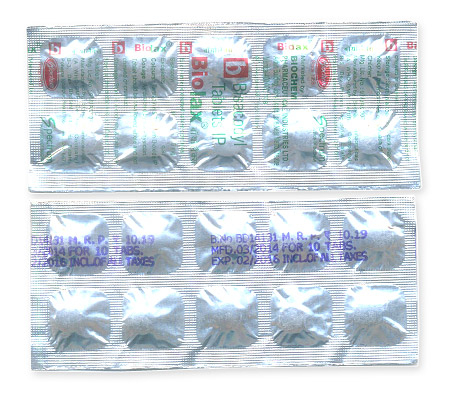
Dulcolax
- In our pharmacy you can buy dulcolax without a prescription (OTC); delivery available across the United Kingdom (typical delivery 2–7 days) with discreet packaging.
- Dulcolax (bisacodyl) is used for occasional constipation and for bowel cleansing before procedures; it is a stimulant laxative that increases colon peristalsis and water secretion into the bowel.
- Usual doses: adults — oral 5–10 mg once daily (often 10 mg at night), rectal suppository 10 mg as a single dose; for medical bowel evacuation regimens 10–20 mg the night before plus a 10 mg suppository in the morning; children and special populations require physician guidance.
- Forms of administration: enteric-coated tablets swallowed whole (oral), rectal suppositories, and rectal enema solutions.
- Onset time: oral tablets usually produce a bowel movement in about 6–12 hours (often taken at night for morning effect); suppositories typically work within 15–60 minutes and enemas within minutes.
- Duration of action: effects usually lead to a single bowel evacuation and typically resolve within a few hours, although complete bowel clearance for pre-procedure regimens may take longer (up to 24 hours for full preparation).
- Alcohol warning: avoid excessive alcohol while using dulcolax as alcohol may worsen dehydration and electrolyte disturbances; ensure adequate fluid intake.
- The most common side effects are abdominal cramps and discomfort; other frequent effects include diarrhoea, nausea and possible rectal irritation (with suppositories); dehydration and electrolyte imbalance can occur with excessive use.
- Would you like to try dulcolax without a prescription?
Basic Dulcolax Information
- INN (International Nonproprietary Name): Bisacodyl
- Brand Names Available In United Kingdom: Dulcolax; Fleet
- ATC Code: A06AB02 — Laxatives, stimulant laxatives for oral or rectal use
- Forms & Dosages: Tablet (enteric) 5 mg oral; Suppository 10 mg rectal; Enema solution 10 mg/30 mL rectal
- Manufacturers In United Kingdom: not specified
- Registration Status In United Kingdom: not specified
- OTC / Rx Classification: Over-the-counter (OTC) in most countries; classification in the UK not specified
Latest Research Highlights
Patients ask, "Is dulcolax fast and safe for a short course?"
Recent UK and EU literature from 2022–2025 confirms that bisacodyl works quickly for occasional constipation and bowel preparation when used short-term.
Systematic reviews and randomised trials show stimulant laxatives such as bisacodyl and sodium picosulfate give similar short-term increases in stool frequency.
Longer-term comparisons favour osmotic agents such as polyethylene glycol for chronic constipation because of better tolerability.
MHRA Yellow Card summaries and EU vigilance reports list common gastrointestinal side effects such as abdominal cramps and diarrhoea.
Regulatory surveillance also notes sporadic electrolyte disturbances in frail older people or those on multiple medications.
For bowel prep, bisacodyl alone or with an enema achieves good evacuation rates provided clear hydration advice is followed.
Patient implication: keep treatment short, prioritise hydration, and ask the pharmacist for triage if elderly, pregnant, or taking diuretics.
Data reference: INN = Bisacodyl; ATC A06AB02.
Available forms: 5 mg enteric tablets, 10 mg suppositories, 10 mg/30 mL enemas.
Trials Summary Table
| Study | n | Outcome | Safety |
|---|---|---|---|
| UK/EU RCTs (2022–2025) — Stimulant vs Stimulant | varied | Similar short-term stool frequency improvement | GI cramps, diarrhoea reported |
| Comparative Trials: Stimulant vs Osmotic | varied | Osmotics preferred for longer-term tolerability | Fewer cramps with osmotics |
| Bowel Prep Studies | varied | Bisacodyl ± enema: good evacuation if hydrated | Dehydration risk if fluids inadequate |
Yellow Card Signal Highlights
- Common Signals: abdominal cramps, diarrhoea, rectal irritation.
- Less Frequent Signals: dehydration and electrolyte disturbance in frail elderly or those on interacting drugs.
- Action: pharmacists should report suspected adverse reactions via the Yellow Card scheme.
Clinical Effectiveness In The UK
Many patients want to know, "How quickly will this work for me?"
UK primary-care audits and NHS pathway data show rectal bisacodyl provides predictable relief within minutes to an hour.
Oral enteric tablets usually produce a bowel movement within about 6–12 hours when taken at night.
NHS prescribing audits report high patient satisfaction for short courses used for acute constipation and pre-procedure evacuation.
Patients with IBS‑C often report more cramping and lower tolerability with stimulant laxatives compared with others.
Community pharmacists often suggest lifestyle and osmotic measures first when constipation is frequent.
Pharmacist advice typically reserves stimulant laxatives for rescue use or procedural bowel cleansing.
Patient-Reported Outcomes
- Rapid relief with suppositories for immediate need.
- Oral tablets useful as an overnight rescue for morning relief.
- Short courses are rated positively when patients are counselled on cramps and hydration.
- Those with chronic constipation tend to prefer osmotic agents for daily management.
Onset Comparison
| Form | Typical Onset | Expected Symptom Change |
|---|---|---|
| Oral Enteric Tablet (5 mg) | 6–12 hours | Softened stools and increased frequency overnight |
| Suppository (10 mg) | Minutes to 1 hour | Rapid evacuation, may cause cramping |
| Enema (10 mg/30 mL) | Within 30–60 minutes | Local evacuation, useful for bowel prep |
Indications And Expanded Uses
People often ask, "What is dulcolax licensed for and when is off‑label use considered?"
MHRA and EU summaries list approved indications as occasional constipation in adults and children, and bowel cleansing before procedures.
Higher-dose or procedural regimens are used under clinician supervision for bowel preparation.
Off-label uses can include short-term treatment of opioid-induced constipation under clinician guidance.
Selective use in paediatric gastroenterology for bowel washouts may occur but requires specialist oversight.
Safety note: avoid routine daily use beyond one week without clinical review to reduce risk of dependence and electrolyte disturbance.
Pregnant or breastfeeding patients should consult a clinician before use.
Approved Vs Off‑Label Uses
- Approved: occasional constipation in adults and children; bowel cleansing before colonoscopy or surgery.
- Off‑Label: short-term opioid-induced constipation management under clinician supervision; specialist paediatric bowel washouts.
Absolute Contraindications
- Suspected bowel obstruction or ileus.
- Acute abdominal conditions such as appendicitis.
- Severe inflammatory bowel disease flare.
- Severe dehydration or known hypersensitivity to bisacodyl.
Composition And Brand Landscape
Patients ask, "Which forms are available and who makes them?"
The active ingredient is bisacodyl supplied as enteric-coated 5 mg tablets and 10 mg suppositories; enemas are typically 10 mg/30 mL.
Brand presence in the UK includes Dulcolax and Fleet, with multiple generics and private-label options in large chains.
Sanofi is a primary brand owner in many markets, with other suppliers varying by country.
Products And Market Table
| Form | Strength | Typical Packaging | Typical Retail Price |
|---|---|---|---|
| Enteric Tablet | 5 mg | Blister packs (10, 20, 30) | not specified |
| Suppository | 10 mg | Foil pouch (5, 6, 10) | not specified |
| Enema Solution | 10 mg/30 mL | Single-use bottle | not specified |
Major suppliers and manufacturers include Sanofi and regional licensees, with generic production across Europe.
Patient tip: look for clear packaging photos in e-commerce listings and always read the leaflet for excipients and storage advice.
Contraindications And Special Precautions
Common worry: "Could this be unsafe for me?"
Absolute contraindications include allergy to bisacodyl, suspected bowel obstruction, acute surgical abdomen, severe dehydration and severe IBD.
Children under 6 should not use bisacodyl without a doctor’s advice.
Elderly patients require monitoring for dehydration and electrolyte imbalance if use is prolonged.
Pregnancy and breastfeeding call for clinician consultation and risk–benefit assessment.
Avoid driving or heavy machinery if severe cramping occurs.
Avoid alcohol around treatment as it can increase dehydration risk.
Contraindications (Bullet List)
- Hypersensitivity to bisacodyl or excipients.
- Bowel obstruction, ileus, or acute abdomen.
- Acute appendicitis or severe abdominal pain with vomiting.
- Severe inflammatory bowel disease.
Dosage Guidelines
Patients commonly ask, "How much should I take and for how long?"
NHS-aligned dosing for adults is oral 5–10 mg once daily using enteric tablets, with a 10 mg suppository as a single rectal dose for rapid effect.
Bowel-prep regimens commonly use 10–20 mg oral the night before plus a 10 mg suppository on the morning of procedure under supervision.
Children over 6 may use oral 5 mg or rectal 5–10 mg daily; children under 6 must see a doctor.
Elderly patients require no formal dose reduction but need monitoring for dehydration and electrolytes.
Do not exceed seven days continuous use without medical review.
Dosage Table
| Population | Usual Dosage | Duration |
|---|---|---|
| Adult (Occasional Constipation) | Oral 5–10 mg once daily; Suppository 10 mg once | Use for shortest time; not >7 days without review |
| Pediatric (>6 Years) | Oral 5 mg or Rectal 5–10 mg daily | Under physician guidance; <6 years consult doctor |
| Elderly | As adult; monitor hydration and electrolytes | Not >7 days without review |
| Bowel Preparation | 10–20 mg oral night before + 10 mg suppository morning | Procedure-specific; clinician supervised |
Patient checklist for pharmacists: confirm indication, check contraindications, advise on hydration, explain onset and when to seek GP or emergency care.
Interactions Overview
Typical question: "Will dulcolax interact with my other medicines?"
There are few pharmacokinetic interactions, but combined dehydration or electrolyte-altering drugs increase risk of imbalance.
Diuretics, ACE inhibitors and corticosteroids can increase the risk of electrolyte disturbance when diarrhoea occurs.
Antacids or milk may damage the enteric coating, causing premature release and local irritation.
Yellow Card reports sometimes note additive diarrhoea when combining laxatives and rectal irritation with local NSAID use.
If vomiting or suspected obstruction occurs, stop use and seek medical advice.
Drug/Food Interaction Actions
- Diuretics / ACE inhibitors / Corticosteroids: increased electrolyte risk — pharmacist should advise monitoring and refer if prolonged diarrhoea.
- Antacids / Milk: risk to enteric coating — advise at least 2 hours between doses.
- Other Laxatives: additive diarrhoea — avoid concurrent use unless advised by clinician.
Cultural Perceptions And Patient Habits In The UK
People often feel embarrassed about constipation and prefer a quick, private solution.
Surveys and forum analysis show many UK patients contact a pharmacist first for immediate OTC advice.
Online communities such as Patient.info and Mumsnet frequently discuss dulcolax and alternatives.
Stigma can delay help-seeking among older adults, so pharmacists play an important role in sensitively offering advice and discreet supply.
Many patients prefer home delivery or click-and-collect for privacy.
Common Patient Concerns
- Fear of dependence with daily stimulant laxative use.
- Worry about cramping and whether a suppository will be painful.
- Preference for gentler daily options like polyethylene glycol for chronic symptoms.
- Need for quick, discreet access at weekends or outside GP hours.
Quick FAQ From Forums
- Will a tablet work overnight? Yes, oral enteric tablets often act within 6–12 hours.
- Are suppositories messy? They are effective and usually well tolerated when used correctly.
- Can I buy it without seeing a GP? Yes, many pharmacies sell dulcolax OTC.
Availability And Pricing Patterns
Where can I buy dulcolax and how much will it cost?
Dulcolax and generic bisacodyl products are widely stocked in Boots, LloydsPharmacy, Superdrug and online pharmacies.
Suppositories and tablets are commonly available OTC in community pharmacies.
Private retail pricing varies by chain and pack size, and NHS prescription charges differ across the UK nations.
Online pharmacies offer competitive prices and discreet delivery options.
In our online pharmacy, dulcolax is available without a prescription, with discreet delivery to United Kingdom in 5-14 days.
Buying Tips
- Check expiry date and store below 25°C.
- Look at packaging photos and read the patient information leaflet for excipients.
- Consider generics for lower cost if price is a concern.
Comparable Medicines And Preferences
Many patients ask, "Should I pick dulcolax or something gentler?"
Head-to-head evidence shows stimulant laxatives (bisacodyl, senna, sodium picosulfate) have similar short-term efficacy.
Osmotic agents such as polyethylene glycol and lactulose are preferred for chronic constipation because they are gentler and suitable for longer use.
NHS guidance typically recommends osmotics as first-line for chronic constipation and stimulants for rescue or preparation.
Pros And Cons Checklist
- Dulcolax (Bisacodyl): Fast acting, effective for rescue or prep, may cause cramps and should be short-term.
- Senna: Similar stimulant action, available OTC, similar side‑effect profile.
- Polyethylene Glycol (Movicol / Forlax): Slower onset, well tolerated for long-term management, good for chronic constipation.
- Sodium Picosulfate: Chemically related stimulant, used for bowel prep and rescue therapy.
Comparison Table
| Medicine Class | Onset | Tolerability | Recommended Use |
|---|---|---|---|
| Stimulant (Bisacodyl, Senna) | Fast (hours) | Moderate; cramps possible | Rescue therapy, bowel prep |
| Osmotic (Polyethylene Glycol) | Slower (1–3 days) | Good for long-term use | Chronic constipation management |
FAQ (NHS-Focused)
- Can I take Dulcolax every day? — No; avoid use for more than seven days without GP review because of dependence and electrolyte risk.
- When will tablets work? — Oral enteric tablets usually act within 6–12 hours; suppositories act within minutes to an hour.
- Is it safe in pregnancy? — Use only if clearly needed and after discussion with a GP or midwife.
- What if I miss a dose? — Skip the missed dose and do not double up.
- When should I see a GP or emergency care? — Severe abdominal pain, persistent vomiting, blood in stool, or no bowel movement after use require urgent assessment.
Guidelines For Proper Use
Pharmacists need a quick checklist for counselling.
Confirm indication, check absolute contraindications and concomitant medicines, and advise on correct administration.
Instruct patients to swallow enteric tablets whole with water and avoid milk or antacids close to the dose.
Warn about possible cramping and diarrhoea and stress the need for adequate hydration.
Limit duration to under seven days without review and report suspected adverse events to Yellow Card.
Pharmacist Counselling Checklist
- Confirm age and indication.
- Ask about bowel obstruction symptoms and severe abdominal pain.
- Check for diuretics, ACE inhibitors, or corticosteroids.
- Advise on timing: take oral dose at night for morning relief.
- Record advice and report adverse reactions if observed.
Delivery Across United Kingdom
| City | Region | Delivery time |
|---|---|---|
| London | England | 5-7 days |
| Birmingham | England | 5-7 days |
| Manchester | England | 5-7 days |
| Glasgow | Scotland | 5-7 days |
| Edinburgh | Scotland | 5-7 days |
| Leeds | England | 5-7 days |
| Liverpool | England | 5-7 days |
| Bristol | England | 5-7 days |
| Newcastle Upon Tyne | England | 5-9 days |
| Sheffield | England | 5-9 days |
| Nottingham | England | 5-9 days |
| Belfast | Northern Ireland | 5-9 days |
| Cardiff | Wales | 5-9 days |
| Coventry | England | 5-9 days |
Final Practical Notes
Always follow label instructions and the patient information leaflet for dulcolax products.
Store tablets below 25°C and keep suppositories away from heat to prevent melting.
If symptoms persist despite short-term use, advise the patient to see their GP for assessment of underlying causes.
Pharmacists should report suspected adverse reactions to the MHRA Yellow Card scheme to contribute to ongoing safety monitoring.
Helpful NHS resources include NHS 111 and local GP services for referral when red flags appear.