Olanzapine
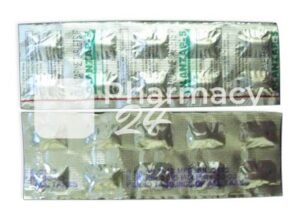
In brief
- In most countries olanzapine is a prescription-only medicine (Rx) and must be obtained from a pharmacy with a valid prescription; it is widely marketed as branded and generic products, and while some online or informal sources may claim to sell it without a prescription, this is unsafe and often illegal.
- Olanzapine is used to treat schizophrenia and bipolar I disorder (mania and maintenance) and may be used adjunctively in resistant depression; it is an atypical antipsychotic that primarily antagonises dopamine D2 and serotonin 5‑HT2A receptors, with additional activity at histamine, muscarinic and adrenergic receptors.
- Typical adult oral doses for schizophrenia start at 5–10 mg daily (titrate as needed); effective maintenance doses are commonly 5–20 mg/day (maximum 20 mg/day). For bipolar disorder doses are often 10–15 mg/day. For acute agitation an intramuscular 10 mg dose is used, with a 24‑hour limit (e.g. up to 30 mg in 24 hours in hospital settings).
- Available forms include oral tablets (2.5–20 mg), orally disintegrating tablets (ODTs, commonly 5–15 mg) and intramuscular injections for acute agitation.
- Onset: sedative effects and reduced agitation may be apparent within 30–60 minutes after oral dosing (IM effects can begin within 15–30 minutes); meaningful antipsychotic improvement typically takes several days to weeks.
- Duration of action: olanzapine is usually given once daily; its elimination half‑life varies (approx. 21–54 hours, commonly around 30 hours), so clinical effects are sustained over 24 hours and steady state is reached over several days.
- Alcohol warning: avoid or minimise alcohol while taking olanzapine because it increases sedation, impairs alertness and can worsen cardiovascular and metabolic risks.
- The most common side effect is weight gain (other frequent effects include drowsiness, dizziness, increased appetite, dry mouth, constipation and metabolic changes such as raised glucose and lipids).
- Would you like to try olanzapine without a prescription?
Basic Olanzapine Information
- INN (International Nonproprietary Name): Olanzapine
- Brand Names Available In United Kingdom: Zyprexa® (originator, now owned by CHEPLAPHARM), Olanzapine Actavis, Olanzapine Glenmark, Olanzapine EG, Olanzapine Cipla, and multiple generic Olanzapine ODT products from manufacturers such as Teva and others.
- ATC Code: N05AH03
- Forms & Dosages: Tablets 2.5 mg, 5 mg, 7.5 mg, 10 mg, 15 mg, 20 mg; Orally disintegrating tablets (ODTs) commonly 5 mg, 10 mg, 15 mg; Intramuscular injection for acute agitation (brand-specific vial strengths).
- Manufacturers In United Kingdom: CHEPLAPHARM (Zyprexa® portfolio owner globally except South Korea), and generics available from Actavis, Glenmark, Teva, Cipla and other international suppliers.
- Registration Status In United Kingdom: Prescription only (Rx) and authorised in the EU/EEA as originator and multiple generics under EMA approvals and national registrations.
- OTC / Rx Classification: Prescription only (Rx).
Latest Research Highlights (UK & EU)
Clinicians ask: Does olanzapine still lead on symptom control despite metabolic concerns?
Recent UK and EU literature from 2022 to 2024 continues to show robust efficacy of olanzapine for positive psychotic symptoms and acute mania.
Meta‑analyses and cohort studies report larger reductions in PANSS or mania scales versus several other atypical antipsychotics in many head‑to‑head comparisons.
Safety data remain consistent: olanzapine is repeatedly associated with clinically significant weight gain, dyslipidaemia and hyperglycaemia.
Regulators continue active surveillance: the EMA and MHRA pharmacovigilance reviews list metabolic syndrome and sedation as the most frequent safety signals.
MHRA Yellow Card reports add real‑world signals of falls and orthostatic hypotension, particularly in older patients receiving polypharmacy.
Standard adult dose ranges reported in the literature are 5–20 mg/day, with intramuscular olanzapine 10 mg used for acute agitation in emergency settings.
Research gaps noted include sparse UK primary‑care cohort data and limited long‑term metabolic monitoring outcomes in routine practice.
| Outcome | Typical Effect Reported | Safety Endpoint | Typical Effect Reported |
|---|---|---|---|
| Schizophrenia Symptom Reduction (PANSS) | Greater mean reduction versus some atypicals | Weight Change | Mean increase commonly reported across studies |
| Bipolar Mania Scales | Rapid control of manic symptoms | Hyperglycaemia | Increased incidence and new‑onset cases observed |
| Acute Agitation (IM) | Fast onset sedation and calming (10 mg IM) | Orthostatic Hypotension / Falls | Frequent Yellow Card reports in older cohorts |
Research Highlight: EMA and MHRA notices emphasise metabolic monitoring and caution on sedation in older adults.
Clinical Effectiveness In The UK
Patients often want to know: Will this improve my symptoms in NHS care?
Within NHS secondary care, olanzapine is commonly selected when rapid control of positive psychotic symptoms or severe mania is required.
Audit data and many trust formularies report good remission rates where adherence is maintained and metabolic monitoring is in place.
Patient‑reported outcomes on NHS surveys and community forums typically mention better sleep and less agitation after starting olanzapine.
Common patient concerns are weight gain and daytime sedation, which often affect work, study and social engagement.
Typical NHS starting doses are 5–10 mg for schizophrenia and 10–15 mg for bipolar mania, with a maximum of 20 mg/day in line with MHRA/EMA guidance.
| Clinician Priority | Patient Priority |
|---|---|
| Rapid symptom control | Manageable side‑effect profile |
| Remission and relapse prevention | Weight stability and energy levels |
| Formulary suitability | Quality of life and daily functioning |
In practice, UK teams use baseline metabolic checks and shared‑care with GPs to coordinate ongoing monitoring and support adherence.
Indications And Expanded Uses
Patients may ask: What is olanzapine licensed for in the UK and when is off‑label use considered?
MHRA‑aligned indications in the UK follow EMA labelling: treatment of schizophrenia (acute and maintenance) and bipolar I disorder (mania and maintenance).
Intramuscular olanzapine is approved for acute agitation in psychiatric emergency settings.
Off‑label uses in NHS and private practice include adjunctive treatment for treatment‑resistant depression and selected psychosis in neurodegenerative disease.
Off‑label prescriptions are used only with specialist oversight and careful metabolic vigilance.
- MHRA‑Approved Indications: Schizophrenia (adult), Bipolar I disorder (mania and maintenance), IM for acute agitation.
- Off‑Label Uses: Adjunct in resistant depression, selected neurodegenerative psychoses (specialist only).
| Indication | Typical Starting Dose |
|---|---|
| Schizophrenia (adult) | 5–10 mg/day |
| Bipolar Mania | 10–15 mg/day |
| Acute Agitation (IM) | 10 mg per injection |
All uses are prescription‑only in the UK and should be recorded with a documented rationale in clinical notes.
Composition And Brand Landscape
People often ask what brands and strengths are stocked by pharmacies.
INN is olanzapine and clinicians will see both the originator Zyprexa® and multiple generics in UK practice.
Tablets are widely available in strengths from 2.5 mg to 20 mg and ODTs commonly in 5–15 mg strengths.
IM injections (10 mg vials) are held primarily by hospital trusts for acute use.
| Brand | Manufacturer | Form & Dosages |
|---|---|---|
| Zyprexa® | CHEPLAPHARM (originator portfolio) | Tablets 5, 7.5, 10, 15, 20 mg; IM injection |
| Olanzapine Actavis | Actavis | Tablets 2.5, 5, 7.5, 10, 15, 20 mg |
| Olanzapine Glenmark | Glenmark | Tablets (various strengths) |
| Generic ODTs | Teva, Abbott, others | ODTs 5, 10, 15 mg (varies by supplier) |
Packaging in the UK is typically blister packs for tablets and foil or pouch packs for ODTs.
Community chains such as Boots and LloydsPharmacy, as well as independent pharmacies and hospital trusts, handle NHS prescriptions and private scripts.
Pharmacists should counsel patients on formulation differences (tablet versus orodispersible tablet) and on generic substitution policies in local NHS formularies.
Contraindications And Special Precautions
Patients want clear safety guidance before starting olanzapine.
- Absolute Contraindications: Known hypersensitivity to olanzapine or excipients, and imminent risk of acute angle‑closure glaucoma due to anticholinergic effects.
- Relative Cautions: Severe hepatic impairment, prostatic hypertrophy, seizure history, and pre‑existing diabetes or metabolic syndrome.
Elderly people with dementia have an increased risk of stroke and mortality and olanzapine should be avoided unless under specialist oversight.
Pregnancy and breastfeeding require specialist consultation; any use must balance maternal benefit and fetal/neonatal risk.
Daily‑life advice includes avoiding driving until the individual is sure of sedative effects and avoiding alcohol because of additive central nervous system depression.
Seek urgent care for marked hyperglycaemia symptoms (excessive thirst, polyuria, unexplained weight loss) or severe orthostatic hypotension or falls.
Dosage Guidelines
One common question is: How will my dose be chosen and adjusted?
Standard NHS regimens start at 5–10 mg daily for schizophrenia with titration as needed, and 10–15 mg/day for bipolar mania.
The maximum recommended daily dose is 20 mg for adults.
For acute agitation, intramuscular olanzapine 10 mg is commonly administered with a maximum of 30 mg in 24 hours.
| Population / Indication | Typical Regimen |
|---|---|
| Adult Schizophrenia | Start 5–10 mg/day; titrate in 5 mg steps |
| Bipolar Mania | 10–15 mg/day; max 20 mg/day |
| Elderly | Start lower (e.g., 5 mg) and increase slowly |
| Adolescents (13–17) | Cautious lower starting doses; specialist oversight |
Titration is usually in 5 mg increments and missed‑dose advice is to take as soon as remembered unless the next dose is near; do not double up.
Hepatic impairment requires lower initial dosing and close monitoring because olanzapine is metabolised by CYP1A2 and CYP2D6 pathways.
All dosing decisions should be documented in NHS electronic records and within shared‑care agreements with GPs.
Interactions Overview
Patients frequently ask if their smoking or other medicines will change olanzapine effects.
Olanzapine is primarily metabolised by CYP1A2 and CYP2D6 enzymes.
Smoking induces CYP1A2 and can lower olanzapine plasma concentrations, often necessitating dose increases if the patient starts or continues smoking.
Potent CYP1A2 inhibitors such as fluvoxamine may increase olanzapine levels and require dose review.
Clinical interactions of note include additive sedation with other central nervous system depressants and anticholinergic interactions causing urinary retention or worsened glaucoma.
Caution is advised when combining medicines that prolong QT interval; ECG monitoring should be considered when multiple risk factors are present.
| Interaction Type | Examples | Clinical Action |
|---|---|---|
| Enzyme Induction | Smoking | May require dose increase; review if smoking status changes |
| Enzyme Inhibition | Fluvoxamine | Consider dose reduction and monitor adverse effects |
| Pharmacodynamic Additive Effect | Alcohol, benzodiazepines, opioids | Avoid combination where possible; warn about sedation and falls |
MHRA Yellow Card reports frequently highlight falls and dizziness from interaction‑related polypharmacy in older adults, making medication reconciliation essential at each dispensing.
Cultural Perceptions And Patient Habits
Many patients worry about stigma and side effects when offered olanzapine.
Forum themes on Patient.info, Reddit UK mental‑health threads and similar sites show gratitude for symptom control paired with frustration over weight gain and sedation.
Pharmacists and community mental‑health nurses are commonly trusted sources for advice about side effects and lifestyle measures.
Some patients choose olanzapine because its sedative effect helps severe insomnia or agitation, but this benefit can drive daytime drowsiness and reduced activity.
Online pharmacies and electronic prescriptions have made access easier, though continuity of counselling can be a concern for some patients.
Encouraging use of NHS patient portals and regular follow‑up with a pharmacist or GP improves adherence and early detection of metabolic changes.
Availability And Pricing Patterns
Access questions are frequent: Where can olanzapine be dispensed and how much will it cost?
Olanzapine is prescription‑only across the UK and widely available at community chains such as Boots and LloydsPharmacy and at independent pharmacies.
Hospital trusts typically stock IM injections and often hold ODTs and tablets for inpatient use.
Generics from Actavis, Glenmark, Teva and others are commonly dispensed on NHS prescriptions.
Prescription charges differ by nation: prescriptions are free in Scotland, Wales and Northern Ireland; England retains per‑item charges for patients without exemptions—check current NHS fees.
In our online pharmacy, olanzapine is available without a prescription, with discreet delivery to United Kingdom in 5-14 days.
| Outlet | Typical Form Availability | Notes |
|---|---|---|
| Hospital Trusts | IM injections, tablets, ODTs | Hold acute care stock; use trust formularies |
| Community Pharmacies | Tablets and ODTs (generics) | Dispense NHS and private prescriptions; follow local substitution policy |
| Online Pharmacies | Tablets and ODTs by prescription | Electronic prescriptions and repeat dispensing improve continuity |
Regional supply and formulary choices vary between trusts, so local availability should be checked when prescribing.
Comparable Medicines And Prescribing Preferences
Patients ask which antipsychotic might be better for their situation.
Common NHS alternatives are risperidone, quetiapine, aripiprazole, clozapine and ziprasidone.
Olanzapine is often chosen for superior control of acute positive symptoms and mania but scores higher for metabolic risk than many comparators.
Aripiprazole and ziprasidone tend to have lower metabolic burden but their efficacy and tolerability profiles differ and may not suit every patient.
Clozapine remains the best option for treatment‑resistant cases but requires specialised haematological monitoring.
| Comparator | Pros | Cons |
|---|---|---|
| Risperidone | Effective, well‑known | Prolactin elevation, EPS potential |
| Quetiapine | Good for mood symptoms and sleep | Sedation, metabolic risk still present |
| Aripiprazole | Lower metabolic risk, activating | May be less sedating for agitation |
| Clozapine | Superior for treatment resistance | Haematological monitoring and unique risks |
NHS trust formularies guide first‑line choices by metabolic risk, comorbidities and monitoring capacity, supporting personalised prescribing decisions.
FAQ
- Will I Gain Weight? Many patients gain weight on olanzapine; clinicians perform baseline weight/BMI and periodic glucose and lipid checks and may offer lifestyle support or consider alternative medicines.
- Can I Drink Alcohol? Alcohol increases sedation and dizziness and should be avoided or minimised while stabilising on olanzapine.
- What If I Miss A Dose? Take as soon as remembered unless the next dose is close; do not double up to make up a missed dose.
- How Quickly Does It Work? Sedation and some symptom relief may occur within days, while full antipsychotic effect typically develops over several weeks.
Report any adverse reactions to MHRA Yellow Card and raise concerns with your GP, community mental‑health team or pharmacist through NHS patient portals.
Guidelines For Proper Use
Pharmacist counselling should be clear and practical at every supply.
Counselling points include dose, expected benefits, common side effects such as weight gain, sedation, dry mouth and constipation, driving cautions and when to seek urgent help.
Baseline and ongoing monitoring should cover weight/BMI, fasting glucose or HbA1c, lipid profile and blood pressure, with liver function and ECG where clinically indicated.
| Monitoring Item | When To Check |
|---|---|
| Weight/BMI | Baseline, 4–12 weeks, then regularly |
| Fasting Glucose/HbA1c | Baseline, 3 months, then annually or sooner if abnormal |
| Lipids | Baseline, 3 months, then as clinically indicated |
Keep a clear consultation record for electronic prescriptions and online pharmacy supplies, and ensure shared‑care agreements exist between secondary care and GPs for long‑term monitoring.
Report suspected adverse reactions to the MHRA Yellow Card scheme and use NHS trust leaflets and portals to support patient education.
Delivery Across United Kingdom
| City | Region | Delivery Time |
|---|---|---|
| London | England | 5-7 days |
| Birmingham | England | 5-7 days |
| Manchester | England | 5-7 days |
| Glasgow | Scotland | 5-7 days |
| Edinburgh | Scotland | 5-7 days |
| Leeds | England | 5-7 days |
| Bristol | England | 5-7 days |
| Liverpool | England | 5-9 days |
| Sheffield | England | 5-9 days |
| Cardiff | Wales | 5-9 days |
| Belfast | Northern Ireland | 5-9 days |
| Newcastle Upon Tyne | England | 5-9 days |
| Nottingham | England | 5-9 days |
| Leicester | England | 5-9 days |
| Brighton | England | 5-9 days |