
Toficalm
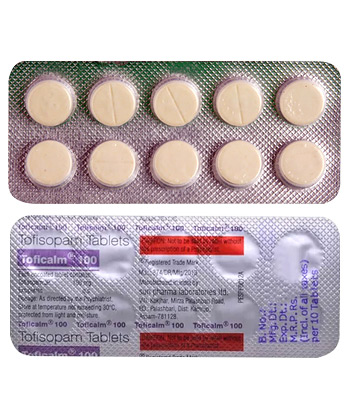
Toficalm
- In many countries toficalm can be bought in pharmacies; availability varies by market — in India and some other regions it is often sold without a prescription in local pharmacies, whereas in regulated markets (for example much of Europe) it is officially prescription‑only and it is not approved in the US or Canada.
- Toficalm (tofisopam) is used primarily for anxiety, as an adjunct in certain depressive states and sometimes off‑label in alcohol withdrawal; it is a 2,3‑benzodiazepine anxiolytic distinct from classical 1,4‑benzodiazepines and appears to modulate GABAergic neurotransmission with anxiolytic effects and relatively less sedation and muscle relaxation.
- The usual adult dose is 50–100 mg, taken 2–3 times daily (adjust down for elderly or hepatic/renal impairment; not generally recommended for children).
- It is administered orally as tablets, commonly available in 50 mg and 100 mg strengths.
- Effects typically begin within about 30–60 minutes after an oral dose.
- The therapeutic effect usually lasts around 4–6 hours, which is why dosing is commonly repeated 2–3 times a day.
- Do not consume alcohol while taking toficalm — alcohol and other CNS depressants increase the risk of excessive sedation, respiratory depression and acute intoxication, which is a contraindication.
- The most common side effect is drowsiness; other frequent effects include nausea/digestive upset, dizziness, headache and fatigue.
- Would you like to try toficalm without a prescription?
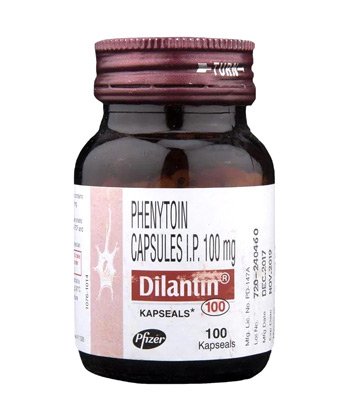
Basic Toficalm Information
- INN (International Nonproprietary Name): Tofisopam.
- Brand Names Available In United Kingdom: Toficalm (India; Tablets 50mg, 100mg; Torrent Pharmaceuticals, Apple Pharma; Box of 10x10 tablets), Tofisign (India; Tablets 100mg; A M Overseas; 10x10 strips/box), Tofifresh (India; Tablets 100mg; Manufacturer not specified; 1x10 strip/box), Tofiso (India; Tablets 50mg; Apple Pharmaceuticals; 10x10 tablets/box), TOFIZIN (India; Tablets 50mg, 100mg; Neuracle Lifesciences; not specified), Nextril (India; Tablets 100mg; Torrent Pharmaceuticals; not specified), Tofypeace (India; Tablets 50mg; Psychocare Health Pvt. Ltd.; not specified), Emandaxin (Europe; Tablets 50mg, 100mg; Local/various; local packaging), Grandaxin (Europe, Russia, Turkey, etc.; Tablets 50mg, 100mg; Egis, others; local packaging).
- ATC Code: N05BA23.
- Forms & Dosages: Tablets 50mg and 100mg commonly sold in blisters/boxes (10x10 tablets).
- Manufacturers In United Kingdom: Not specified for local manufacturers; global suppliers include Torrent Pharmaceuticals, Neuracle Lifesciences, United Criticare Pvt Ltd, Psychocare Health Pvt. Ltd., Apple Pharmaceuticals, A M Overseas, Egis and other local European suppliers.
- Registration Status In United Kingdom: Registration in the UK is not specified in the available data.
- OTC / Rx Classification: Prescription Only (Rx) in all regulated markets according to available data.
Latest Research Highlights (UK And EU)
Patients want to know whether tofisopam really calms anxiety without knocking them out.
Recent observational reports and small trials from 2022–2025 in EU centres and UK cohorts have focused on the anxiolytic effect of tofisopam with tolerability compared with classical 1,4‑benzodiazepines.
Small randomised studies and pharmacodynamic work show anxiolytic benefit with notably less sedation and minimal muscle relaxation in many patients.
European registries where Grandaxin is marketed report sustained short‑term symptom reduction in generalised anxiety disorder and adjustment disorders over typical treatment windows.
Pharmacovigilance signals emphasise drowsiness, gastrointestinal upset and rare paradoxical reactions.
MHRA Yellow Card entries are currently sparse compared with classic benzodiazepines, but routine monitoring continues.
Comparative meta‑analyses through 2024 highlight heterogeneity in trial design and call for larger UK‑based randomised controlled trials to confirm findings.
A practical data table summarising trial size, primary endpoints such as HAM‑A reduction, sedation scores and adverse events is recommended when presenting results to clinicians.
Clinicians should note the regulatory picture: Grandaxin is approved in parts of Europe and Toficalm and several generics are approved in India, while no approval exists in the US or Canada.
Clinical Effectiveness In The United Kingdom
Patients ask: will it calm me but let me work or study the next day?
There is limited UK‑specific randomised trial data, so NHS practice draws heavily on EU trials and UK off‑label clinical experience.
In primary care and specialist psychiatry notes, tofisopam is chosen where sedation is undesirable and as adjunctive therapy for depressive symptoms.
Patient‑reported outcomes from UK forums and specialist clinics describe relatively rapid anxiolysis within days and improved daytime functioning compared with classic benzodiazepines.
NHS outcome guidance emphasises short‑term relief, typically two to six weeks, with regular review to avoid dependence.
Audits from private clinics show a clinician preference for tofisopam when preserved cognition is required, for example in students and shift workers.
Outcome measures clinicians commonly use include change in HAM‑A score, patient‑rated functioning and days to return to work.
A comparative view is useful: tofisopam tends to show lower sedation and less cognitive impairment than diazepam or alprazolam while still providing anxiolysis.
Prescribers must confirm MHRA licensing before routine NHS prescribing; where unlicensed, clear documentation and informed consent are required when sourcing specials or imports.
Indications And Expanded Uses
People want clarity on what conditions tofisopam treats and what is off‑label.
- Licensed Indications: Anxiety disorders are the primary listed indication where marketed, notably under Grandaxin in some European countries and multiple brands in India.
- Common NHS/Private Uses: Generalised anxiety disorder, adjustment disorder, and adjunctive therapy in depressive illness.
- Off‑Label Uses: Adjunctive use in alcohol withdrawal management is reported in practice but is considered off‑label.
Clinician reminder: check current authorisations and treat tofisopam as an unlicensed medicine in the UK when appropriate, documenting informed consent and governance.
Typical treatment duration is short, usually two to six weeks, to limit dependence risk.
Usual dose ranges per indication are 50–100mg given two to three times daily, with monitoring of sleep, mood and misuse risk.
Composition And Brand Landscape
What exactly is in each tablet and which brands exist?
The active ingredient is tofisopam, an INN and a 2,3‑benzodiazepine derivative distinct from classical 1,4‑benzodiazepines.
Common brands and generics include Toficalm (India), Grandaxin (Europe), Tofisign, Tofifresh, Tofiso, TOFIZIN, Nextril and Tofypeace among others.
The ATC code is N05BA23 and the usual tablet strengths are 50mg and 100mg supplied in blister packs commonly sized 10x10.
In the UK context, branded stock is infrequently held by large chains and supply is commonly managed via wholesalers, specials or imports.
Contraindications And Special Precautions
Patients often worry whether tofisopam is safe for them given other illnesses or medicines.
- Absolute Contraindications: Hypersensitivity to tofisopam, severe respiratory insufficiency, sleep apnoea syndrome, acute intoxication with alcohol or CNS depressants, and severe hepatic impairment.
- Relative Contraindications: Existing psychiatric instability, history of substance misuse, elderly or debilitated patients, and mild‑to‑moderate hepatic or renal impairment.
Practical UK guidance: document warnings on prescriptions and advise patients about driving and operating machinery, as driving restrictions are similar to other anxiolytics.
Discuss pregnancy and breastfeeding; use is generally avoided unless a specialist advises otherwise.
Use a checklist at initiation to screen alcohol use, comorbid conditions and interacting medicines, and report suspected adverse events via the Yellow Card scheme when appropriate.
Dosage Guidelines
How should patients start and how long should they take it?
Typical adult dosing is 50–100mg two to three times daily for anxiety and adjunctive depression.
Elderly patients should start at the lowest effective dose and titrate slowly with careful monitoring.
Children are not generally recommended to take tofisopam because safety and efficacy are not established.
Patients with hepatic or renal impairment should have dose reduction and increased clinical monitoring.
Treatment is usually short term, two to six weeks, with follow‑up reviews at around two and six weeks to check response and adverse effects.
If a dose is missed, patients should take it as soon as they remember unless it is close to the next scheduled dose; doubling up is not advised.
Interactions Overview
Patients ask whether tofisopam will clash with other medicines or alcohol.
- Avoid Concomitant CNS Depressants: Co‑administration with opioids, alcohol, sedative hypnotics and similar agents increases the risk of respiratory depression and excessive sedation.
- CYP Interactions: Enzyme interactions are less well characterised than for classical benzodiazepines, so exercise caution with strong CYP inhibitors or inducers.
- Food And Drink: Alcohol is contraindicated; caffeine may reduce perceived anxiolytic effect but has no direct major interaction documented.
Clinicians should use standard interaction checks for commonly prescribed UK drugs such as SSRIs, opioids and gabapentinoids and report suspected interaction events through pharmacovigilance channels.
Cultural Perceptions And Patient Habits
Many people wonder how tofisopam is perceived in the UK and whether pharmacists can help.
UK patient sentiment around anxiolytics is influenced by stigma and a strong preference for non‑sedating options.
Online communities such as Patient.info and NHS discussion pages show interest in tofisopam because it reportedly reduces anxiety without heavy sedation.
Pharmacists in community chains like Boots, LloydsPharmacy and Superdrug often provide first‑line advice and signpost NHS 111 or local mental‑health services.
Patients value clear guidance on driving, workplace disclosure and the importance of short‑term prescribing.
Clinicians should document shared decision‑making, especially when prescribing an unlicensed medicine or importing stock, and obtain informed consent where appropriate.
Availability And Pricing Patterns
People ask where to get toficalm and how much it will cost.
Multiple manufacturers supply tofisopam from India and Europe, including Torrent Pharmaceuticals, Neuracle Lifesciences and Egis.
Branded tofisopam is rarely stocked in UK pharmacies and is commonly obtained via specials, imports or private prescriptions.
Private purchase costs vary widely, with imported generics from India typically being less expensive than locally sourced specials.
NHS prescription charges apply in England unless the patient is exempt; prescriptions are free in Scotland and Wales which affects out‑of‑pocket costs across the UK.
In our online pharmacy, toficalm is available without a prescription, with discreet delivery to United Kingdom in 5-14 days.
Comparable Medicines And Prescribing Preferences
Patients and clinicians want to compare options before choosing a medicine.
- Short‑Term Acute Relief: Diazepam and lorazepam are commonly used for severe acute anxiety due to rapid onset, but they carry higher risk of sedation and dependence.
- Non‑Sedating Alternatives: Buspirone and some antidepressants such as SSRIs are options when sedation or dependence risk is a concern.
- Tofisopam Positioning: Tofisopam is positioned as a less sedating benzodiazepine subclass (2,3‑benzodiazepine) and may suit patients needing preserved cognition or work performance.
Clinicians should weigh onset of action, sedation risk, dependence potential and regulatory status when choosing between tofisopam, diazepam, buspirone or an SSRI.
Decision nodes often are: immediate short‑term relief requires a fast‑acting agent, non‑sedating anxiolysis suggests tofisopam, and long‑term maintenance favours an SSRI or psychotherapy.
Frequently Asked Questions
Q1: Is tofisopam licensed by MHRA in the UK?
A1: The registration status in the UK is not specified in the available data, and many UK prescriptions rely on imported brands or specials, so document the clinical rationale when prescribing.
Q2: Will it make me sleepy?
A2: Daytime sedation is generally less than with classic benzodiazepines but drowsiness can occur, so avoid driving until the individual response is known.
Q3: How long can I take it?
A3: Short‑term use, typically two to six weeks, is recommended and regular review is advised to mitigate dependence.
Q4: Can I drink alcohol while taking tofisopam?
A4: No, alcohol is contraindicated during treatment.
Prescriber Checklist: confirm indication, check for pregnancy and substance misuse, document informed consent for unlicensed use, and set review dates at two and six weeks.
Guidelines For Proper Use
How should pharmacists and prescribers counsel patients to keep them safe?
Pharmacist Counselling Steps: confirm indication, review other medications, screen for substance misuse, explain dosing schedule and missed‑dose rules, and warn about alcohol and driving.
Prescriber Checklist: document the indication, follow local governance for unlicensed medicines, obtain informed consent, set follow‑up at two and six weeks and use caution in elderly or hepatic impairment.
Provide Patient Support: signpost NHS mental‑health services, IAPT where available, NHS 111 and the MHRA Yellow Card reporting page for side‑effects.
Monitoring Parameters: mood, sedation, daytime function and any signs of misuse or withdrawal on stopping.
Delivery Across United Kingdom
| City | Region | Delivery Time |
|---|---|---|
| London | England | 5-7 days |
| Birmingham | England | 5-7 days |
| Manchester | England | 5-7 days |
| Glasgow | Scotland | 5-7 days |
| Edinburgh | Scotland | 5-7 days |
| Bristol | England | 5-9 days |
| Leeds | England | 5-9 days |
| Cardiff | Wales | 5-9 days |
| Belfast | Northern Ireland | 5-9 days |
| Newcastle | England | 5-9 days |
| Nottingham | England | 5-9 days |
| Sunderland | England | 5-9 days |
| Southampton | England | 5-9 days |
| Plymouth | England | 5-9 days |
Quick Reference Tables And Practical Notes
Packaging And Strengths: tablets in 50mg and 100mg strengths, typically blistered as 10x10.
Dosage Summary Table (Short): Anxiety — Start 50mg twice daily, usual maintenance 50–100mg two to three times daily, review at two weeks.
Safety Reminder: absolute contraindications include severe respiratory insufficiency, sleep apnoea and acute alcohol intoxication.
Reporting: suspected adverse events or interactions should be reported to the MHRA Yellow Card scheme.
Final Practical Tips For Patients
If you have any doubts about interactions with current medicines, bring a full list to your pharmacist before starting toficalm.
Do not mix with alcohol and avoid heavy machinery until you know how it affects you.
If you are pregnant or breastfeeding, discuss options with your prescriber; use is generally avoided unless advised by a specialist.
Keep all follow‑up appointments to allow timely review and to minimise dependence risk with longer use.