
Zyloric
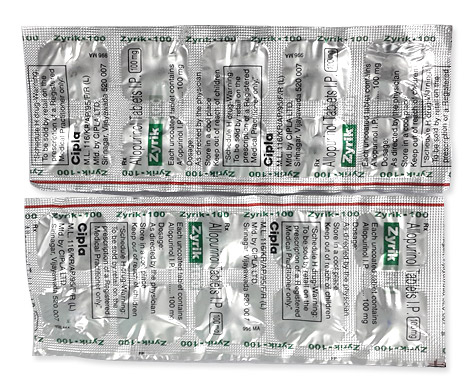
Zyloric
- Zyloric is licenced as a prescription-only medicine (Rx) in the UK and EU, but in our pharmacy you can buy zyloric without a prescription, with discreet delivery across the United Kingdom in 5–14 days.
- Zyloric (allopurinol) is used to treat gout, chronic hyperuricaemia, recurrent uric acid kidney stones and to prevent tumour lysis–related hyperuricaemia; it works as a xanthine oxidase inhibitor to reduce uric acid production.
- The usual starting dose for adults is 100 mg once daily, increasing by 100 mg every week to reach target serum uric acid (typical maintenance 200–300 mg/day); doses may be titrated up to 800 mg/day (split doses above 300 mg); higher short-term doses (600–800 mg/day) may be used for tumour lysis risk under supervision; lower doses or extended intervals are used in renal impairment.
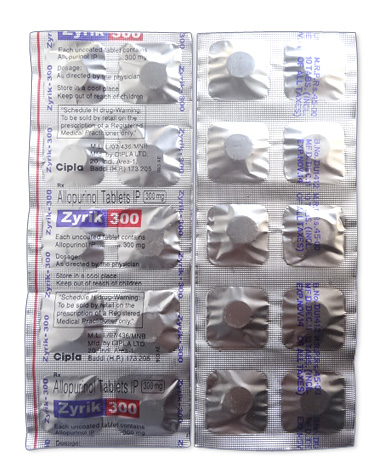
- Zyloric is normally administered orally as tablets (commonly 100 mg and 300 mg, scored); injectable powder for IV use exists for some brands but not typically used as “Zyloric” tablets.
- Biochemical effects (fall in serum uric acid) are often detectable within 1–2 days, but clinical improvement in gout symptoms and reduced flare frequency usually takes weeks to months.
- The drug is taken once daily for sustained effect; the active metabolite (oxypurinol) has a prolonged duration, so the clinical urate‑lowering effect is maintained over 24 hours and with continued daily dosing.
- Avoid excessive alcohol: alcohol can trigger gout flares and may worsen side effects; patients are advised to limit alcohol intake while taking zyloric.
- The most common side effects are skin rash and gastrointestinal upset (nausea, diarrhoea); rare but serious reactions include severe hypersensitivity and Stevens–Johnson syndrome, so seek immediate care for rash or systemic symptoms.
- Would you like to try zyloric without a prescription?
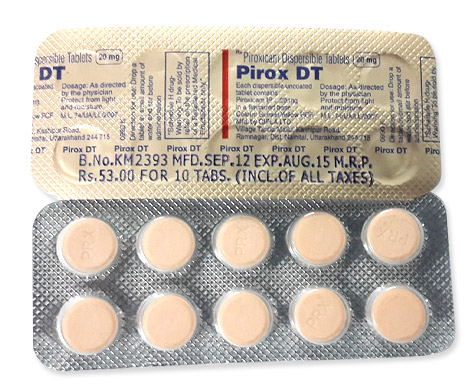
Basic Zyloric Information
- INN (International Nonproprietary Name): Allopurinol.
- Brand Names Available In United Kingdom: Zyloric and generics labelled as allopurinol.
- ATC Code: M04AA01.
- Forms & Dosages: Oral tablets 100 mg (scored) and 300 mg (scored); powder for injection 500 mg vial in some markets.
- Manufacturers In United Kingdom: Sandoz, Teva, AL, EG, Accord, Zentiva, Mylan (listed as worldwide suppliers in product data).
- Registration Status In United Kingdom: Fully licensed by the MHRA; prescription only.
- OTC / Rx Classification: Prescription (Rx-only) in the United Kingdom and other markets.
Latest Research Highlights (UK & EU, 2022–2025)
Patients often ask whether allopurinol is still the first choice for gout and whether it is safe.
Recent UK and EU cohort studies and systematic reviews from 2022 to 2025 continue to reinforce allopurinol as first‑line urate‑lowering therapy when titrated to target.
Findings show sustained serum urate reductions and fewer gout flares where clinicians titrate dose up to an effective maintenance level.
EU pharmacovigilance summaries and MHRA reports reiterate that severe cutaneous hypersensitivity syndromes such as AHS/DRESS and SJS/TEN are rare but serious adverse events.
Risk of severe reactions increases with impaired renal function and with HLA‑B*5801 carriage in specific ethnic groups.
Real‑world NHS audit data describe better adherence and higher rates of target urate attainment where pharmacist‑led titration and electronic repeat prescribing are used.
The INN is allopurinol, the ATC code is M04AA01, and typical tablet strengths supplied in the UK are 100 mg and 300 mg.
The MHRA classifies allopurinol as a prescription‑only medicine.
| Study / Source | Key Endpoint | Takeaway |
|---|---|---|
| UK/EU Cohort Reviews (2022–25) | Serum urate reduction, flare rate | Titrated allopurinol reduces urate and lowers flares over months. |
| MHRA / EU Pharmacovigilance | Safety signals, Yellow Card reports | Rare severe skin reactions (SJS/TEN, AHS/DRESS); risk higher with renal impairment and HLA‑B*5801. |
| NHS Audit Data | Adherence and prescription handling | Pharmacist‑led titration and e‑repeat systems improve adherence and monitoring. |
Clinical Effectiveness In The UK
Patients commonly want to know how quickly symptoms improve and what NHS outcomes look like.
UK primary care databases and NHS audits show that appropriately titrated allopurinol achieves serum urate below 300 µmol/L in a majority of treated patients.
Observed outcomes include tophus reduction over months and fewer hospital admissions for gout flares when adherence is maintained.
Monitoring programmes in primary care that include creatinine and liver tests detect at‑risk patients early and prompt dose adjustment.
Typical starting dose in UK practice is 100 mg daily, with titration up to 800 mg per day where clinically required.
- Urate Target Rates: Majority achieve <300 µmol/L with titration and adherence.
- Flare Frequency: Reduced over months after reaching target urate.
- Tophus Reduction: Documented shrinkage over several months.
- Hospital Admissions: Lower where long‑term adherence and monitoring exist.
- Monitoring Interventions: Creatinine, LFTs and urate measurements improve safety.
- Urate Target
- Serum urate concentration below 300 µmol/L.
- Flare Frequency
- Number of acute gout attacks in a defined period, typically months to a year.
- Tophus Change
- Clinical or imaging measure of urate deposition shrinkage.
- Admissions
- Hospital presentations for uncontrolled gout or complications.
Indications And Expanded Uses
People often ask whether allopurinol is used for anything other than gout.
MHRA and EMA approvals cover gout and prevention of complications from hyperuricaemia.
European oncology guidance endorses higher short‑term dosing for prevention and management of tumour lysis syndrome (TLS).
Clinical reviews note selected uses such as reducing recurrent calcium oxalate stones and treating specific enzymatic hyperuricaemia when indicated.
Standard TLS dosing is reported at 600–800 mg daily short term, while chronic gout typically begins at 100 mg daily with titration.
| Use | Label Status | Typical Dose | Monitoring Needs |
|---|---|---|---|
| Chronic Gout | MHRA‑approved | Start 100 mg/day, titrate to effect, max 800 mg/day | Urate, renal function, LFTs, FBC |
| Tumour Lysis Syndrome | Recommended in oncology guidance (short term) | 600–800 mg/day for a few days | Close oncology monitoring, urate and renal markers |
| Recurrent Calcium Oxalate Stones | Off‑label in selected patients | 200–300 mg/day | Renal function and urate levels |
Checklist For Consent And Discussion Points:
- Explain indication and expected timescale for effect.
- Discuss titration plan and monitoring schedule.
- Explain rare but serious skin‑reaction risk and stop‑and‑seek‑urgent‑care advice.
- Clarify off‑label rationale when used outside gout and document specialist input where appropriate.
Composition And Brand Landscape
Many patients ask whether brand matters and what they will receive on an NHS prescription.
The active ingredient is allopurinol (INN) across brands and generics.
Zyloprim is a known brand in North America while Zyloric and multiple generics supply the UK and EU market.
Common tablet strengths in the UK/EU are 100 mg and 300 mg scored tablets.
| Brand / Generic | Strengths | Typical Pack Size |
|---|---|---|
| Zyloprim / Zyloric | 100 mg, 300 mg | Usually 28–60 tablets depending on supply |
| Allopurinol Zentiva, Allopurinol Terapia | 100 mg, 300 mg | 30 or 60 per box in some markets |
| Generic Suppliers (Sandoz, Teva, Accord, Mylan) | 100 mg, 300 mg | NHS standard pack sizes |
- Common Manufacturers: Sandoz, Teva, Zentiva, Accord, Mylan.
- NHS Formulary Status: Generics widely used to keep costs low.
- Packaging Notes: Tablets are commonly scored to support dose adjustments.
Contraindications And Special Precautions
One of the most frequent worries is the risk of a rash and whether testing is needed beforehand.
Absolute contraindications include known hypersensitivity to allopurinol or to any component of the product.
Starting allopurinol during an acute gout attack is not recommended, although ongoing allopurinol need not be stopped during a flare.
Severe hepatic or renal impairment requires specialist review before initiating therapy.
Patients of certain ethnicities may be at higher risk for severe hypersensitivity where HLA‑B*5801 carriage is more common.
Renal impairment usually requires dose reduction; for example, where estimated GFR is below 10 mL/min, doses of ≤100 mg/day or interval extension are advised.
- Contraindications
- Known allopurinol hypersensitivity; acute gout initiation without specialist oversight; severe hepatic or renal disease untreated by a specialist.
- High‑Risk Features
- Renal impairment, prior hypersensitivity reactions, HLA‑B*5801 positivity in high‑risk ethnic groups.
Decision Tree For Initiating Therapy In Renal Impairment:
- Assess eGFR and baseline blood tests before starting.
- If eGFR <10 mL/min, consider starting ≤100 mg/day with specialist input.
- Monitor renal function and adjust dose or interval based on changes.
- Stop and seek urgent review if rash or systemic symptoms develop.
HLA‑B*5801 Guidance Box: Consider testing in patients of high‑risk ethnic backgrounds where clinical guidance recommends it, and discuss risk openly with the patient.
Dosage Guidelines
Patients frequently ask how the dosing schedule will be managed and how to avoid flares while starting treatment.
NICE and UK rheumatology consensus support starting at 100 mg once daily and increasing by 100 mg at weekly intervals until the serum urate target is reached.
The maximum commonly used dose is 800 mg per day, usually split if above 300 mg.
| Use | Typical Regimen | Maximum |
|---|---|---|
| Standard Chronic Gout | Start 100 mg/day; increase by 100 mg weekly to target | 800 mg/day |
| Tumour Lysis Syndrome (TLS) | 600–800 mg/day short term (a few days) | 800 mg/day |
| Paediatric Rare Indications | 10–20 mg/kg/day in divided doses (max 400 mg/day) | 400 mg/day |
- Renal Adjustment Rules: Reduce dose or extend dosing interval in renal impairment; eGFR <10 mL/min commonly limits dose to ≤100 mg/day.
- Hepatic Adjustment Rules: Start low and monitor hepatic markers in hepatic impairment; specialist advice recommended.
- Practical Tip: Slow titration reduces early flare risk and improves tolerability.
Interactions Overview
Patients often wonder whether allopurinol will clash with their other medicines.
Major and clinically important interactions include azathioprine and mercaptopurine, where allopurinol increases thiopurine toxicity and doses should be adjusted or avoided.
Warfarin potency may be affected and INR monitoring is advised when allopurinol is started or stopped.
Certain diuretics can potentiate adverse effects, so prescribers commonly review diuretic therapy when initiating allopurinol.
Alcohol increases gout flare risk but does not markedly alter allopurinol pharmacokinetics.
The MHRA Yellow Card system collects reports of interactions and adverse event clusters and should be used for suspected reactions.
- Azathioprine / Mercaptopurine: Avoid or reduce thiopurine dose and monitor closely.
- Warfarin: Increase frequency of INR checks after starting or stopping allopurinol.
- Thiazide Diuretics: Monitor renal function and skin reactions.
- Rasburicase / Pegloticase: Specialist co‑prescribing considerations in oncology or refractory cases.
| Concomitant Drug | Interaction | Action Required |
|---|---|---|
| Azathioprine / Mercaptopurine | Increased thiopurine toxicity | Reduce thiopurine dose or avoid; specialist advice required. |
| Warfarin | Possible INR changes | Monitor INR more frequently after initiation or cessation. |
| Thiazide Diuretics | May increase hypersensitivity risk | Review need for diuretic and monitor renal and skin status. |
Report any suspected adverse drug interactions or side effects to the MHRA Yellow Card scheme via your pharmacist or GP.
Cultural Perceptions And Patient Habits
Many patients visit forums before speaking to a clinician and bring those concerns to the pharmacy counter.
Forum themes on Patient.info and moderated rheumatology groups show mixed adherence driven by fear of side effects, misunderstandings about titration and worry that allopurinol causes flares when started.
Pharmacist interventions and structured NHS medication reviews have been shown in audits from 2022–25 to improve adherence and clinical outcomes.
- Common Patient Beliefs: Worry that allopurinol causes rash, impatience for immediate symptom relief, desire to stop during a flare.
- Trusted Sources: Community pharmacists at Boots or LloydsPharmacy and NHS online portals are commonly trusted for safety information.
- Behavioural Drivers: Electronic prescriptions and reminder systems increase convenience but some patients still prefer face‑to‑face counselling.
| Intervention | Effect On Adherence |
|---|---|
| Pharmacist Medication Review | Improves adherence and patient confidence. |
| Digital Reminders / e‑Repeat Prescribing | Increases prescription collection and persistence. |
| Forum Peer Support | Mixed; useful for lived experience but can spread misconceptions. |
Anonymous Forum Quote: “I was worried about a rash so the pharmacist explained the signs and that helped me keep taking the tablets.”
Availability And Pricing Patterns
Patients routinely ask where they can get allopurinol and what it costs on the NHS.
The UK market is supplied largely by generics, keeping per‑tablet costs low.
100 mg and 300 mg tablets are commonly available across community pharmacies and online dispensaries.
Prescription charges differ across the UK, with Scotland, Wales and Northern Ireland offering free prescriptions, while England uses a standard NHS charge for each dispensed item unless exemptions apply.
In our online pharmacy, zyloric is available without a prescription, with discreet delivery to United Kingdom in 5-14 days.
| Setting | Typical Patient Cost | Availability |
|---|---|---|
| NHS Prescription (England) | Standard prescription charge per item unless exempt | Widely available via GP prescription and e‑prescriptions |
| NHS Prescription (Scotland/Wales/Northern Ireland) | No charge for most patients | Widely available via GP prescription |
| Private Purchase / Online Pharmacy | Variable; generics keep cost low | Same‑day collection available at major chains and online delivery options |
- Major Collection Points: Boots, LloydsPharmacy, Superdrug and independent community pharmacies.
- Online Options: Electronic prescribing and courier delivery with pharmacist contact details are increasingly common.
- Cost Management Tip: Electronic repeat prescriptions for 28‑day supplies can help schedule collections and limit missed doses.
Comparable Medicines And Prescribing Preferences
Patients sometimes ask whether there is a simpler alternative that avoids titration.
Febuxostat (branded Adenuric or Uloric in some regions) is an alternative xanthine oxidase inhibitor used when allopurinol is intolerable or contraindicated.
Uricosurics such as probenecid are second‑line and have differing suitability depending on renal function.
Recent UK guidance recommends cautious use of febuxostat in patients with cardiovascular disease.
| Agent | Pros | Cons |
|---|---|---|
| Allopurinol | Well understood, low cost, effective when titrated | Requires titration; rare severe hypersensitivity |
| Febuxostat | No thiopurine interaction; option when allopurinol intolerant | Caution in cardiovascular disease; higher cost |
| Probenecid | Uricosuric option for underexcretors | Less suitable with poor renal function; drug interactions |
NHS Prescribing Flowchart (Summary):
- Assess indication and renal function.
- Offer allopurinol as first‑line with a titration plan.
- If intolerance or contraindication, consider febuxostat with cardiac review or refer to specialist.
- Consider uricosurics if appropriate and renal function allows.
FAQs
Will Allopurinol Cause Rashes?
Rash is an uncommon adverse effect but can be serious in rare cases (SJS/TEN, AHS/DRESS).
Stop the medicine and seek urgent medical advice if you develop any rash, blistering or systemic symptoms.
How Long Until It Works?
Urate lowering is gradual and clinical benefit, including fewer flares, is usually seen over months after reaching the target dose.
Can I Drink Alcohol While Taking Allopurinol?
Alcohol can increase the risk of gout flares and so moderation is advised, but there is no absolute pharmacokinetic contraindication in usual use.
Do I Need Blood Tests?
Yes; routine monitoring of renal function, liver function and complete blood count is advised at baseline and periodically during therapy.
Useful Resources:
- Report suspected adverse reactions via the MHRA Yellow Card through your pharmacist or GP.
- Consult NHS online guidance on gout and urate‑lowering therapy for standard patient information.
- Urate
- Uric acid measured in blood used to guide dose titration.
- Titration
- Gradual dose increase to reach therapeutic target while monitoring safety.
- AHS
- Allopurinol hypersensitivity syndrome, a rare but severe systemic reaction.
Guidelines For Proper Use
What should a pharmacist tell a patient collecting allopurinol?
UK best practice encourages pharmacist‑led counselling that covers the titration schedule, monitoring plan and urgent steps to take for rash or systemic symptoms.
Electronic prescribing systems should flag major interactions such as with azathioprine and mercaptopurine.
Monitoring requirements include baseline and periodic uric acid, renal function, liver function and complete blood count.
Clinical audits demonstrate that pharmacist counselling and written titration schedules reduce adverse events and increase the rate of reaching urate targets.
- Counselling Checklist: Explain starting dose and planned increments, arrange baseline tests, advise on signs of severe skin reaction, provide written instructions and a contact number.
- Sample Patient Leaflet Bullets: Start at 100 mg daily; expect months for full benefit; have blood tests as advised; stop and seek urgent care for rash.
| Monitoring Item | Suggested Frequency |
|---|---|
| Renal Function (Creatinine/eGFR) | Baseline and periodically or after dose changes. |
| Liver Function Tests | Baseline and as clinically indicated. |
| Serum Urate | Every few weeks during titration, then periodically. |
| Full Blood Count | Baseline and at clinician discretion. |
Encourage patients to use NHS patient portals to view test results and to report adverse reactions through the MHRA Yellow Card service.
Delivery Across United Kingdom
| City | Region | Delivery Time |
|---|---|---|
| London | Greater London | 5-7 days |
| Birmingham | West Midlands | 5-7 days |
| Manchester | Greater Manchester | 5-7 days |
| Glasgow | Scotland | 5-7 days |
| Edinburgh | Scotland | 5-7 days |
| Leeds | West Yorkshire | 5-7 days |
| Liverpool | Merseyside | 5-7 days |
| Newcastle | Tyne and Wear | 5-9 days |
| Bristol | South West England | 5-9 days |
| Sheffield | South Yorkshire | 5-9 days |
| Nottingham | Nottinghamshire | 5-9 days |
| Southampton | South East England | 5-9 days |
| Cardiff | Wales | 5-9 days |