
Pyridium
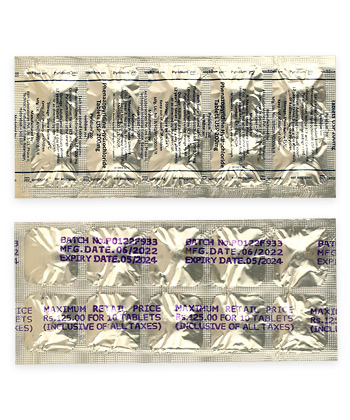
Pyridium
- In our pharmacy, you can buy pyridium without a prescription; availability varies by country (OTC in the US and many Latin American countries, often prescription-only in much of the EU and the UK) — always check local regulations.
- Pyridium (phenazopyridine) is used for short-term symptomatic relief of urinary pain, burning, urgency and frequency associated with urinary tract infections or urinary tract irritation; it acts as a local urinary tract analgesic on the mucosa and does not treat the underlying infection.
- The usual adult dose is 100–200 mg orally three times daily (100–200 mg TID), with use generally limited to a maximum of 2 days when taken alongside antibiotics; not recommended for children under 12 without specialist advice.
- The drug is administered orally as tablets (commonly 100 mg or 200 mg), occasional capsules and rarely as pharmacy-compounded oral suspension (10 mg/mL).
- Relief commonly begins within about 20–30 minutes after taking a dose.
- Effect typically lasts several hours, which is why dosing is commonly three times a day (roughly every 6–8 hours).
- Avoid or limit alcohol while taking pyridium, as alcohol may worsen dizziness and increase the burden on the liver; use with caution in patients with liver disease.
- The most common side effect is harmless reddish‑orange discoloration of the urine (which can stain clothing); other common effects include headache, dizziness, gastrointestinal upset and rash; rare but serious effects include methemoglobinemia and hemolytic anaemia (notably in G6PD deficiency).
- Would you like to try pyridium without a prescription?

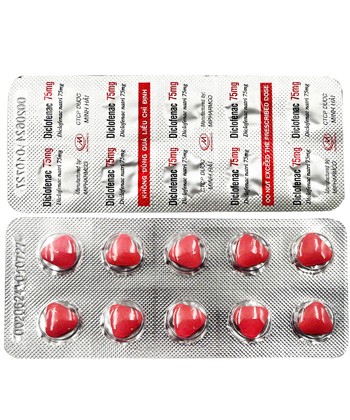
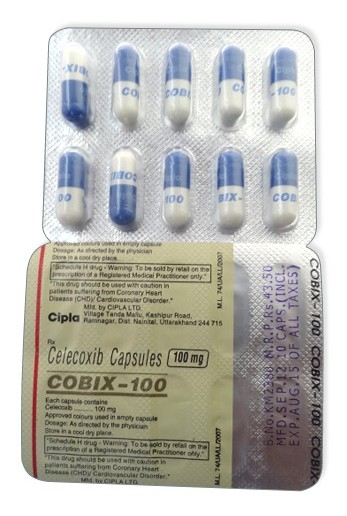
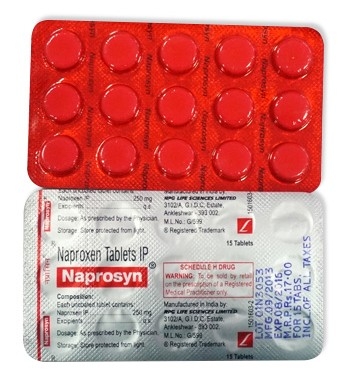
Basic Pyridium Information
- INN (International Nonproprietary Name): Phenazopyridine.
- Brand Names Available In United Kingdom: Phenazopyridine (generic, non‑MHRA listed for prescription use; typically imported).
- ATC Code: G04BX06.
- Forms & Dosages: Tablets 100 mg and 200 mg orally. Capsules in some markets (95–99.5 mg) are rare. Compounded oral suspension 10 mg/mL is available in specialised pharmacies.
- Manufacturers In United Kingdom: not specified.
- Registration Status In United Kingdom: Not widely available or approved. Supply generally requires import, hospital stock or private prescription.
- OTC / Rx Classification: In the United States lower strengths are OTC and higher strengths Rx. In parts of Europe and Romania it is prescription only. In the UK/EU it is generally handled as prescription or import-only.
Latest Research Highlights UK & EU (2022–2025)
Worried that a urinary analgesic might hide a serious infection?
Recent UK and EU literature from 2022–2025 confirms that phenazopyridine provides symptomatic urinary analgesia but does not treat the underlying infection.
Randomised trials and systematic reviews show consistent short‑term reduction in dysuria and urinary frequency when used as an adjunct to antibiotics.
Peak symptomatic benefit is reported within 24–48 hours of starting phenazopyridine.
Safety monitoring from EU pharmacovigilance and case series emphasises rare but serious adverse events.
Reported serious events include methemoglobinaemia, haemolytic anaemia in patients with G6PD deficiency, and renal or hepatic injury with prolonged use.
MHRA Yellow Card reports mirror EU trends, with the majority of reports relating to urine discolouration and mild gastrointestinal upset.
Serious Yellow Card entries are uncommon and tend to involve off‑label prolonged dosing beyond recommended durations.
Clinicians are advised to limit use to short courses and to report suspected serious adverse reactions promptly.
Clinical Effectiveness In The United Kingdom
Want fast relief of burning and urgency while you wait for an antibiotic?
UK practice uses phenazopyridine mainly for short‑term symptom control while awaiting or alongside antibiotics.
NHS patient surveys and primary‑care audits report rapid subjective relief of burning and urgency within 24 hours for most users.
Improved sleep and day‑to‑day functioning are commonly reported outcomes in these surveys.
Smaller UK studies using validated pain scales support the patient reports but do not show faster bacteriological clearance.
Typical regimens seen in practice are 100–200 mg orally three times daily with a maximum duration of two days when combined with antibacterial therapy.
Effectiveness is best when pharmacists set expectations about onset and urine discolouration and warn against masking signs of worsening infection.
Counselling and NHS 111 or pharmacy follow‑up improve safe use and reduce unnecessary repeat consultations.
UK primary‑care guidance therefore treats phenazopyridine as an adjunct, not a substitute, for antibiotics and notes supply issues where MHRA authorisation is absent.
Indications And Expanded Uses In MHRA And NHS Practice
Are there situations where a urinary analgesic is appropriate beyond a simple UTI?
Phenazopyridine is indicated for short‑term symptomatic relief of urinary tract pain, dysuria and urinary frequency.
It is commonly used in symptomatic urinary tract infections and for short‑term relief after urinary tract procedures or trauma.
In many UK and EU settings phenazopyridine is prescription‑only and often imported for hospital or private use.
Off‑label uses documented in private practice include flares of interstitial cystitis and transient catheter‑related discomfort, although supporting evidence is limited.
Important clinical rule: phenazopyridine should be used only as an adjunct to appropriate diagnostic assessment and antimicrobial management when indicated.
Definition list:
- Indication: Symptomatic UTI pain and post‑procedural urinary discomfort.
- Dose Range: 100–200 mg orally three times daily.
- Max Duration: Two days when used with antibiotics.
Documenting informed consent for off‑label use and recording counselling on urine colour and contraindications is best practice in both NHS and private settings.
Composition And Brand Landscape
Curious which products are available and how they differ?
The active ingredient is phenazopyridine, usually formulated as phenazopyridine hydrochloride in tablet form.
The ATC classification is G04BX06 under urologicals.
The global brand landscape varies by region.
In the United States Pyridium® is a recognised brand available in 100 mg and 200 mg tablets.
Eastern European brands include Uropirina and local fenazopiridină formulations, typically at 100 mg strengths.
In the United Kingdom phenazopyridine exists mainly as generic imported product and is not widely MHRA‑branded.
Packaging forms sold internationally include tablets at 100 mg and 200 mg, occasional capsule variants in the US (around 95–99.5 mg) and rare compounded suspensions at 10 mg/mL.
Major suppliers globally include established manufacturers in the US, Eastern Europe and Latin America, while UK chain pharmacies do not typically stock MHRA‑authorised phenazopyridine.
Pharmacist counselling and clear labelling are essential because of urine discolouration and rare but serious adverse effects.
Contraindications And Special Precautions
Do you have a hidden condition that makes this tablet unsafe?
Absolute contraindications include severe renal insufficiency, known hypersensitivity to phenazopyridine or excipients, G6PD deficiency, and children under 12 years except when individually prescribed.
Relative contraindications include moderate renal impairment, pregnancy and breastfeeding because safety data are limited, and significant liver dysfunction.
Elderly patients require renal monitoring and possible dose reduction.
Practical precautions to discuss at the pharmacy counter include the expected reddish‑orange urine and the risk of staining clothing.
Advise patients to take care when driving or using machinery if they experience dizziness or lightheadedness.
Screen for G6PD risk by asking about a personal or family history of haemolysis or unexplained jaundice.
For suspected overdose, highlight signs such as breathlessness, cyanosis, jaundice or dark urine and advise immediate medical review.
Treatment of methemoglobinaemia may include supportive care and methylene blue in appropriate settings.
Dosage Guidelines NHS‑Recommended Regimens And Adjustments
What is the safest dose and how long should treatment last?
Standard adult dosing observed in practice is 100–200 mg orally three times daily, with some post‑surgical regimens using 200 mg TID for short periods under supervision.
NHS‑aligned guidance recommends the lowest effective dose for the shortest duration, typically not exceeding two days when started with antibiotics.
Children under 12 years are not recommended to take phenazopyridine; dosing for adolescents 12–18 years should be individualised and supervised by a prescriber.
Elderly patients should have renal function reviewed and dose reduction considered or the drug avoided in significant impairment.
Severe renal impairment is a contraindication and the drug should be avoided.
Missed dose advice: take as soon as remembered unless it is near the next dose and do not double up.
Overdose can present with methemoglobinaemia or haemolytic anaemia, particularly in G6PD deficiency, and requires urgent medical care.
A simple dosing table and pharmacist quick‑check flowchart are useful tools in busy community practice.
Interactions Overview With Drugs, Food And Laboratory Tests
Will this pill change my urine test or interact with my other medicines?
Phenazopyridine has few well‑documented pharmacokinetic interactions but causes urine discolouration that can interfere with colour‑based urine dipstick tests and some microscopy assays.
This colour interference may confound point‑of‑care testing and requires advising patients to delay non‑urgent urine testing for 48–72 hours after stopping the drug.
Alcohol is not an absolute contraindication but may worsen dizziness or sedation and should be used cautiously.
Patients at risk of methemoglobinaemia should use caution with other oxidising agents.
No major CYP‑mediated interactions are commonly reported, but clinicians should review polypharmacy in elderly patients, especially with renal impairment.
MHRA Yellow Card entries have occasionally noted suspected interactions or co‑adverse reactions with antibiotics and NSAIDs, though causality is often unclear.
A short interactions table for pharmacy use is helpful to flag urine test interference and counsel patients appropriately.
Cultural Perceptions And Patient Habits In The United Kingdom
Will my GP or pharmacist recommend this, or is it a rare import only?
Many patients in the UK prefer to consult a pharmacist first for urinary symptoms, and community pharmacies remain trusted local resources.
Online forums and patient communities frequently discuss urine discolouration, a desire to avoid antibiotics, and interest in symptomatic relief tablets.
Phenazopyridine often appears in queries despite limited UK availability.
Patients commonly expect clear warnings about staining and short maximum durations of use.
There is also public caution about imported medicines and a preference for MHRA‑approved products when available.
Patient‑centred messaging should normalise the urine colour change, reiterate the two‑day maximum when used with antibiotics, and prompt review if fever or flank pain develops.
A concise pharmacist FAQ and a short patient leaflet address the most common concerns effectively.
Availability And Pricing Patterns In Major Pharmacy Chains
Can I pick this up at Boots or Lloyds without a prescription?
Phenazopyridine is not commonly stocked as an MHRA‑licensed product in UK pharmacies and is usually supplied via private prescription, hospital stock or imported generics.
Boots, LloydsPharmacy and Superdrug may be able to obtain product on request through special‑order import channels or private clinic arrangements, but availability varies by region.
NHS prescribing of phenazopyridine is unusual and depends on local formulary decisions and clinician judgement.
Private purchase prices reflect import costs and may vary considerably between online pharmacies and local private clinics.
Electronic prescription services and e‑pharmacy consultations can speed supply, subject to robust prescription verification and safe sourcing.
When supplying non‑MHRA imports pharmacists should document supplier details, batch numbers and record patient consent.
In our online pharmacy, pyridium is available without a prescription, with discreet delivery to United Kingdom in 5–14 days.
Comparable Medicines And Prescribing Preferences
What are sensible alternatives if phenazopyridine cannot be used?
Alternatives for symptomatic urinary pain include OTC urinary analgesic products available in some markets and prescription antispasmodics such as flavoxate for bladder spasm.
Methenamine is used for urinary antiseptic prophylaxis in recurrent infections but is not an acute analgesic.
Antibiotics remain the only treatment that clears bacterial urinary tract infections.
Comparative pros and cons: phenazopyridine gives rapid analgesia but causes urine discolouration and carries rare serious risks.
Antispasmodics reduce spasm but provide less direct analgesia for dysuria.
In NHS practice prescribers favour short‑term symptomatic relief combined with diagnostics and targeted antibiotic therapy where indicated.
Patient preference about staining and desire to avoid antibiotics should be considered alongside local formulary availability when selecting therapy.
Frequently Asked Questions For NHS Patients
Will phenazopyridine cure my UTI?
No.
Phenazopyridine relieves pain and burning but does not treat the infection itself.
How long can I take it?
Typically 100–200 mg three times daily for no more than two days while antibiotics are started.
Is it safe in pregnancy?
Safety data are limited so avoid unless a prescriber documents that benefits outweigh risks.
Why is my urine orange or red?
This is an expected and harmless effect of phenazopyridine but it can stain clothing.
Can I get it from Boots or LloydsPharmacy without a prescription?
In the UK it is usually prescription‑only and not widely stocked; check with your local pharmacy for special order or private clinic supply.
Guidelines For Proper Use Pharmacist Counselling And NHS Portals
What should the pharmacist cover at the counter?
Confirm the indication for symptomatic urinary pain and check absolute contraindications such as severe renal failure and G6PD deficiency.
Review current medications and advise the dose of 100–200 mg three times daily with a strict two‑day maximum when used with antibiotics.
Explain expected urine colour change and common side effects such as headache, nausea and dizziness.
Advise urgent review for breathlessness, cyanosis, jaundice or dark blood‑tinged urine.
Recommend delaying urine dipstick testing for 48–72 hours after stopping phenazopyridine to avoid misleading results.
Use NHS patient portals and the NHS app to document counselling and provide follow‑up links to authoritative guidance.
Store medicines at 20–25°C and advise patients to return unused supplies to the pharmacy for safe disposal.
Report suspected adverse reactions via the MHRA Yellow Card scheme and record batch and supplier details when supplying imports.
Delivery Across United Kingdom
| City | Region | Delivery Time |
|---|---|---|
| London | Greater London | 5–7 days |
| Birmingham | West Midlands | 5–7 days |
| Manchester | Greater Manchester | 5–7 days |
| Glasgow | Scotland | 5–7 days |
| Leeds | West Yorkshire | 5–7 days |
| Liverpool | Merseyside | 5–7 days |
| Edinburgh | Scotland | 5–7 days |
| Bristol | South West | 5–7 days |
| Newcastle Upon Tyne | North East | 5–9 days |
| Sheffield | South Yorkshire | 5–9 days |
| Nottingham | Nottinghamshire | 5–9 days |
| Belfast | Northern Ireland | 5–9 days |
| Cardiff | Wales | 5–9 days |