
Ezetrol
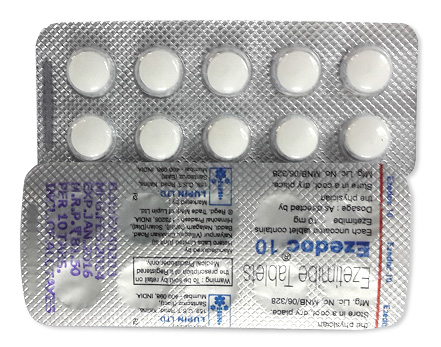
Ezetrol
- In our pharmacy, you can buy ezetrol without a prescription, with delivery in 5–14 days throughout the United Kingdom. Discreet and anonymous packaging. (Note: ezetimibe is officially prescription-only in many countries and should ideally be used under medical supervision.)
- Ezetrol (ezetimibe) is used to lower cholesterol in primary and mixed hyperlipidaemia, homozygous familial hypercholesterolaemia and sitosterolaemia. It works as a cholesterol absorption inhibitor by blocking intestinal uptake of cholesterol (via inhibition of the NPC1L1 transporter), reducing LDL cholesterol.
- The usual dose of ezetrol is 10 mg once daily for adults and for children aged 10 years and older.
- The form of administration is an oral tablet (10 mg).
- Clinical lipid‑lowering effects are usually seen within about 2 weeks, with more complete effect by 4 weeks.
- Ezetrol is taken once daily; the pharmacological effect persists with daily dosing and the active metabolite has an effective duration of around 24 hours.
- Avoid excessive alcohol intake; alcohol can worsen liver function and may increase liver-related risks especially if ezetrol is used with statins—discuss alcohol use with your doctor.
- The most common side effect is upper respiratory tract infection.
- Would you like to try ezetrol without a prescription?
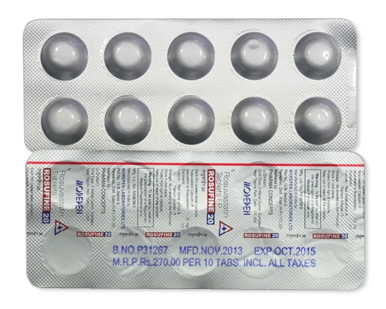
Basic Ezetrol Information
- INN (International Nonproprietary Name): ezetimibe
- Brand Names Available In United Kingdom: Ezetrol (EU, including UK), with other global brands such as Zetia and combination product Vytorin noted in international markets.
- ATC Code: C10AX09
- Forms & Dosages: Tablet, 10 mg strength, commonly supplied in 30 or 90 count blisters or bottles.
- Manufacturers In United Kingdom: MSD and multiple generic suppliers post patent expiry (European suppliers noted).
- Registration Status In United Kingdom: EMA (EU) approval listed for Ezetrol; local registrations and generics available in Europe (specific UK MHRA entries not specified in provided data).
- OTC / Rx Classification: Prescription only (Rx).
Latest Research Highlights (UK & EU)
Clinicians often ask whether ezetimibe delivers meaningful LDL‑C lowering on top of statins.
Recent UK and EU research from 2022 to mid‑2024 continued to support ezetimibe as an effective add‑on to statin therapy and as an option for statin‑intolerant patients.
Landmark earlier trials such as IMPROVE‑IT remain the reference for cardiovascular outcomes showing incremental event reduction when ezetimibe is added to statin therapy.
Newer real‑world European cohorts report mean additional LDL‑C reductions in the order of about 18–25% compared with statin alone.
Post‑authorisation surveillance in the UK and EU shows low rates of serious hepatic or muscular adverse events, with Yellow Card summaries citing isolated liver enzyme elevations and reports of muscle symptoms when used with statins.
Pharmacoeconomic evaluations performed in EU settings favour ezetimibe as a cost‑effective escalation step before considering PCSK9 inhibitors for moderate LDL‑C gaps.
| Trial / Year | Population | Mean LDL‑C Change | Cardiovascular Outcome |
|---|---|---|---|
| IMPROVE‑IT (landmark) | Post‑ACS on statin | Incremental LDL‑C lowering when added to statin | Reduced CV events versus statin alone |
| European Real‑World Cohorts (2022–2024) | Statin patients, mixed primary care cohorts | ~18–25% additional LDL‑C reduction | Improved LDL control; ongoing outcome follow‑up |
| Post‑Authorisation Safety Reports | General use in UK/EU | Not applicable | Low rates of serious hepatic/muscle events; isolated LFT rises |
Data highlights encourage clinical uptake of ezetimibe as an evidence‑based, oral cholesterol absorption inhibitor that complements statin therapy.
Clinical Effectiveness In The UK
Patients and GPs want to know how quickly ezetimibe will change cholesterol readings in NHS practice.
In NHS practice ezetimibe is typically prescribed as 10 mg once daily to patients whose LDL‑C targets are unmet on statin therapy or who are statin‑intolerant.
Primary care audits and clinic registries report meaningful LDL‑C falls and improved lipid panels within 4–12 weeks after starting ezetimibe.
Many GPs initiate treatment and use electronic repeat dispensing to maintain therapy and support adherence.
Using ezetimibe appropriately reduces referrals to secondary care for lipid control in patients where the statin alone is insufficient.
Patient concerns raised on NHS forums include pill burden, questions about combining ezetimibe with supplements, and uncertainty about liver monitoring.
NHS electronic prescribing and GP‑pharmacy communication help maintain adherence through e‑prescriptions and pharmacist counselling.
- Measurable Outcome: Typical LDL‑C reduction on top of statin ~18–25% in real‑world cohorts.
- Time To Reassess: Lipid panel at 4–12 weeks after initiation.
- Adherence Tips: Use repeat dispensing, pharmacy counselling, and attach lab results to NHS patient portals.
Common practice in UK primary care is to reassess QRISK and lipid goals after starting ezetimibe, with many patients remaining on long‑term therapy when tolerated and effective.
Indications And Expanded Uses
Patients often ask whether ezetimibe is suitable for familial or uncommon lipid conditions.
MHRA‑aligned indications in the UK reflect EU approvals and include primary hyperlipidaemia, mixed hyperlipidaemia, homozygous familial hypercholesterolaemia (HoFH) and sitosterolaemia.
Ezetimibe is licensed for use as monotherapy or in combination with statins or fenofibrate depending on the clinical need.
Off‑label use in NHS or private practice can include targeted use for patients with persistent LDL‑C elevation despite maximally tolerated statin therapy, or as bridge therapy when statins are contraindicated such as during pregnancy under specialist supervision.
Paediatric use is established for children aged 10 years and above at 10 mg once daily; safety and efficacy are not established in children under 10 years.
| Indication | Typical Regimen | Monitoring Interval |
|---|---|---|
| Primary/Mixed Hyperlipidaemia | 10 mg once daily; monotherapy or with statin | Lipid check at 4–12 weeks |
| Homozygous Familial Hypercholesterolaemia | 10 mg once daily; adjunct to other lipid‑lowering therapies | Specialist clinic monitoring; regular lipids and LFTs |
| Sitosterolaemia | 10 mg once daily | Lipid panel and specialist review |
When considering expanded uses, clinicians should follow specialist guidance and the product licence where applicable.
Composition And Brand Landscape
Patients want clarity about what is in the tablet and where brands come from.
The active substance is ezetimibe (INN) 10 mg per tablet.
Key brands seen in UK and EU markets include Ezetrol in blister packs and generics from multiple suppliers since patent expiry.
Global branded products such as Zetia are available outside Europe, and combination products such as Vytorin (ezetimibe plus simvastatin) are seen internationally.
| Brand | Form | Typical Pack | Notes |
|---|---|---|---|
| Ezetrol | 10 mg tablet | Blister packs (30, 90) | Available in EU including UK |
| Zetia | 10 mg tablet | Bottles (varies by market) | Original branded product (outside EU) |
| Generic Ezetimibe | 10 mg tablet | 30, 90 counts | Multiple manufacturers post patent expiry |
| Vytorin | Combination tablet | Varies | Ezitimibe + simvastatin combination product |
ATC classification C10AX09 places ezetimibe among cholesterol absorption inhibitors and packaging is commonly 30 or 90 count blisters or bottles.
Contraindications And Special Precautions
Patients frequently worry about liver disease, pregnancy and muscle pain when starting new lipid medicines.
Absolute contraindications include moderate‑to‑severe hepatic impairment and known hypersensitivity to ezetimibe or any excipients.
When combined with statins, ezetimibe should be avoided in active liver disease, pregnancy and breastfeeding.
Relative precautions include caution and monitoring in mild hepatic impairment and in severe renal impairment when used with other lipid agents.
Unexplained muscle pain or weakness requires prompt assessment because of the theoretical risk of rhabdomyolysis when ezetimibe is combined with statins.
- Absolute Contraindications: Moderate‑to‑severe hepatic impairment; known hypersensitivity to ezetimibe or excipients.
- Relative Precautions: Mild hepatic impairment (monitor LFTs), severe renal impairment with combination therapy, unexplained myalgia or muscle weakness.
| Trigger | Action |
|---|---|
| Jaundice or marked LFT elevations | Stop drug and investigate; specialist referral |
| New, unexplained muscle pain or weakness | Check CK and review statin combination; consider stopping |
| Pregnancy or breastfeeding | Avoid combination with statin; specialist advice required |
Counsel patients about alcohol moderation due to liver risk and advise temporary cessation and testing if significant myalgia or jaundice occurs.
Dosage Guidelines
Typical patient question: how and when should I take the tablet?
The standard adult dose is 10 mg once daily as a single tablet.
Paediatric dosing is 10 mg once daily for children aged 10 years and older; safety in children under 10 years is not established.
Elderly patients do not usually require dose adjustment.
Use is contraindicated or not recommended in moderate‑to‑severe hepatic impairment, while no adjustment is typically required for renal impairment.
Therapy is usually long‑term with reassessment of lipids at 4–12 weeks after initiation or dose change.
If a dose is missed, take it as soon as you remember unless it is near the time of the next dose; do not double the dose.
Overdose management is supportive because there is no specific antidote.
- Start: 10 mg once daily, tablet form.
- Reassess lipids at 4–12 weeks.
- Continue long term if targets are met and drug tolerated.
- Missed dose: take when remembered, do not double up.
| Timing | Monitoring |
|---|---|
| Baseline | Lipid panel, consider LFTs if combination with statin |
| 4–12 Weeks | Lipid reassessment and adherence check |
| Ongoing | Periodic lipid panels and LFTs when indicated |
Interactions Overview
Patients often ask whether ezetimibe interacts with other cholesterol medicines or common drugs.
Ezetimibe has a relatively benign interaction profile but important interactions exist when combining with statins or other lipid agents.
When used with statins there is potential for additive hepatic adverse effects and increased risk of myalgia, so monitor liver function tests and muscle symptoms.
Co‑administration with fibrates is used clinically but requires vigilance for gallbladder disease and myopathy.
Bile acid sequestrants can reduce ezetimibe absorption, so stagger dosing by taking ezetimibe two hours before a sequestrant.
Ciclosporin has been reported to increase ezetimibe exposure; specialist review is recommended for such combinations.
| Drug | Effect | Practical Advice |
|---|---|---|
| Statins (eg atorvastatin, rosuvastatin) | Possible additive hepatic effects and myalgia | Monitor LFTs and muscle symptoms; adjust statin per guidance |
| Fibrates (eg fenofibrate) | Used together clinically; monitor for gallbladder and muscle effects | Monitor symptoms and consider periodic testing |
| Bile Acid Sequestrants | Reduced ezetimibe absorption | Take ezetimibe 2 hours before sequestrant |
| Ciclosporin | Increased ezetimibe exposure reported | Specialist review advised |
MHRA Yellow Card reports should be checked for any newly emerging interactions in routine practice.
Cultural Perceptions And Patient Habits
Many people in the UK want clear lab evidence before committing to a long‑term drug.
There is a cultural tendency to explore lifestyle and natural alternatives, while trusting pharmacist counselling and NHS advice when decisions are made collaboratively.
Online forums such as Patient.info and Mumsnet commonly discuss statin intolerance and alternative strategies, which influences patient expectations around ezetimibe.
Pharmacists in community chains and independent outlets play a central role in explaining that ezetimibe is an evidence‑based adjunct to diet and exercise for cholesterol control.
Electronic prescriptions and NHS patient portals give patients access to lipid results, which supports shared decision‑making and adherence.
- Forum Sentiment Themes: interest in reducing statin dose, curiosity about ezetimibe 10mg, questions on combining with supplements.
- Patient Counselling Checklist: indication, expected timeline (4–12 weeks), side effects to watch for, bring recent blood tests to appointments.
Clear lab numbers, practical counselling and easy access to repeat supplies help patients stay on treatment when appropriate.
Availability And Pricing Patterns
Patients want to know where to get ezetimibe and how much it will cost on the NHS or privately.
Ezetimibe is classified as prescription only and is stocked across major UK pharmacy chains and online pharmacies that process NHS electronic prescriptions.
Brand availability in the UK includes Ezetrol and multiple generics from European manufacturers; combination products such as Vytorin may be available depending on local formularies.
NHS prescription charges differ between nations of the UK and affect out‑of‑pocket cost and adherence; Scotland, Wales and Northern Ireland usually provide free NHS prescriptions while England maintains a standard charge unless the patient qualifies for exemption.
Private prescription prices vary and many patients choose generics to reduce cost.
| Channel | Availability | Notes |
|---|---|---|
| NHS Prescription | Widely available | Subject to local prescribing and charges by UK nation |
| Private Pharmacy | Available | Price varies; generics usually cheaper |
| Online Pharmacy | Available with e‑prescription | Repeat dispensing and home delivery options |
In our online pharmacy ezetrol is available with a valid prescription, with discreet delivery to United Kingdom in 5–14 days.
Comparable Medicines And Preferences
Clinicians and patients often weigh ezetimibe against alternatives when LDL targets remain unmet.
NHS pathways typically favour maximising tolerated statin dose first and then adding ezetimibe 10 mg if targets are not met or statins are not tolerated.
Alternatives include switching to a higher‑potency statin such as atorvastatin or rosuvastatin, using fibrates for raised triglycerides, or considering PCSK9 inhibitors for very high‑risk or refractory cases.
Combination tablets such as Vytorin may be convenient when a simvastatin component is acceptable clinically.
- Pros Of Ezetimibe: Oral once‑daily, cost‑effective step before biologics, modest systemic interactions, useful for statin‑intolerant patients.
- Cons Of Ezetimibe: Smaller absolute LDL‑C reduction than high‑intensity statins or PCSK9 inhibitors.
| Drug | Mechanism | Typical LDL Reduction | Cost Tier |
|---|---|---|---|
| Ezetimibe | Cholesterol absorption inhibitor | Modest additional reduction (~18–25% real world) | Low (generic) |
| Atorvastatin / Rosuvastatin | HMG‑CoA reductase inhibitors (statins) | Variable; high‑intensity statins have larger reductions | Low to medium |
| PCSK9 Inhibitors (eg evolocumab) | Monoclonal antibodies reducing LDL receptor degradation | Large reductions | High |
| Fenofibrate | Fibrate | Primarily reduces triglycerides | Low to medium |
Frequently Asked Questions
Q: Will ezetimibe interact with my statin?
A: Ezetimibe is often prescribed together with a statin and provides additive LDL‑C lowering, but monitoring of liver enzymes and muscle symptoms is recommended when combined.
Q: Can I drink alcohol while taking ezetimibe?
A: Moderate alcohol intake is not a direct contraindication, but heavy drinking is discouraged because of potential liver risk; report any jaundice or persistent malaise.
Q: What if I miss a dose?
A: Take the missed dose as soon as you remember unless the next dose is near; do not double the dose.
Q: How long until my cholesterol improves?
A: Lipid checks usually show change within 4–12 weeks; arrange reassessment with your GP or lipid clinic.
Suggested prompts to bring to a consultation: current medication list, most recent blood test results, and any symptoms of muscle pain or fatigue.
Guidelines For Proper Use
Pharmacist counselling should start with the indication for treatment and the expected timeline for benefit.
Explain dosing clearly: 10 mg once daily, taken at the same time each day, with no routine dose adjustment for the elderly.
Tell patients to expect lipid improvement within 4–12 weeks and to report side effects such as persistent myalgia or signs of liver dysfunction.
Advise storage at 20–25°C, in a dry place protected from light.
Remind patients that ezetimibe is prescription only and that baseline LFTs are recommended when used with statins, with periodic monitoring thereafter.
- Pharmacist Checklist: confirm indication, check concomitant medicines, counsel on missed dose, arrange lipid and LFT monitoring as needed.
- What To Report: jaundice, unexpected muscle pain or weakness, severe abdominal pain, or any allergic reaction.
Report adverse events via the MHRA Yellow Card scheme and direct patients to NHS patient portals or the local pharmacy for repeat supplies and queries.
Delivery Across United Kingdom
| City | Region | Delivery Time |
|---|---|---|
| London | Greater London | 5–7 days |
| Birmingham | West Midlands | 5–7 days |
| Manchester | Greater Manchester | 5–7 days |
| Glasgow | Scotland | 5–7 days |
| Leeds | West Yorkshire | 5–7 days |
| Liverpool | Merseyside | 5–7 days |
| Bristol | South West England | 5–7 days |
| Edinburgh | Scotland | 5–7 days |
| Cardiff | Wales | 5–7 days |
| Belfast | Northern Ireland | 5–7 days |
| Sheffield | South Yorkshire | 5–9 days |
| Nottingham | Nottinghamshire | 5–9 days |
| Newcastle | Tyne and Wear | 5–9 days |