
Cholesterol
Understanding Cholesterol and Why It Matters
Cholesterol is a waxy substance found in your blood that your body needs to build cells and produce hormones. However, high cholesterol levels can increase your risk of heart disease and stroke. There are two main types: LDL cholesterol, often called “bad” cholesterol, which can build up in your arteries, and HDL cholesterol, known as “good” cholesterol, which helps remove other forms of cholesterol from your bloodstream.
Understanding your cholesterol levels is essential for maintaining good cardiovascular health. Many people in the UK don’t realise they have high cholesterol because there are typically no symptoms. This is why regular blood tests are recommended, particularly if you have a family history of heart disease, are overweight, or lead a sedentary lifestyle. Managing your cholesterol through diet, exercise, and medication when necessary can significantly reduce your risk of serious health complications.
Causes and Risk Factors for High Cholesterol
High cholesterol can be caused by various factors, including diet, lifestyle, genetics, and age. Consuming too many foods high in saturated fats and trans fats contributes significantly to elevated cholesterol levels. A sedentary lifestyle without regular physical activity also increases your risk.
Several key risk factors can contribute to high cholesterol:
- Genetic predisposition – some people are naturally prone to high cholesterol regardless of lifestyle choices
- Age – cholesterol levels tend to rise as you get older
- Medical conditions such as diabetes, kidney disease, and thyroid problems
- Certain medications and hormonal changes
- Smoking, which damages blood vessels and lowers HDL cholesterol
Understanding these causes helps you identify which factors apply to you and take appropriate action. Making dietary changes, increasing physical activity, reducing stress, and quitting smoking are all important steps in managing cholesterol naturally before or alongside medication.
Cholesterol Management Through Lifestyle and Diet
Making lifestyle changes is often the first step in managing cholesterol before considering medication. Eating a heart-healthy diet rich in fruits, vegetables, whole grains, and lean proteins can help lower LDL cholesterol and increase HDL cholesterol. Reducing your intake of saturated fats found in red meat, butter, and full-fat dairy products is particularly important.
Incorporating foods high in soluble fibre, such as oats, beans, and apples, can help reduce cholesterol levels. Plant sterols found in certain margarines and yoghurts have also been shown to help lower cholesterol. Regular physical activity, aiming for at least 150 minutes of moderate exercise per week, strengthens your heart and improves cholesterol levels.
Maintaining a healthy weight reduces strain on your heart and helps manage cholesterol naturally. Limiting alcohol consumption and avoiding smoking are additional lifestyle factors that significantly impact your cardiovascular health. Stress management through relaxation techniques, meditation, or yoga can also contribute to better cholesterol levels. These lifestyle modifications often work best when combined and maintained consistently over time.
Prescription Cholesterol Medications Available in the UK
When lifestyle changes alone aren’t sufficient, your GP may prescribe medication to help lower your cholesterol. Statins are the most commonly prescribed cholesterol-lowering medications in the UK and work by blocking an enzyme your liver needs to produce cholesterol. Popular statin options include Atorvastatin, Simvastatin, and Pravastatin. These medications are highly effective at reducing LDL cholesterol and have been shown to reduce the risk of heart disease and stroke.
Several other medication options are available depending on your individual needs:
- Ezetimibe – reduces the absorption of cholesterol from your diet and is sometimes prescribed alongside statins
- PCSK9 inhibitors such as Evolocumab and Alirocumab – newer medications used for people with very high cholesterol or those who cannot tolerate statins
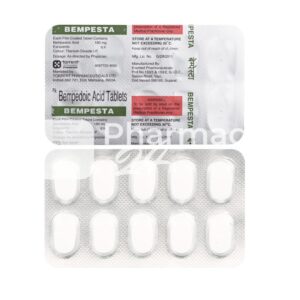
- Bempedoic acid – a relatively new medication that can be used alone or with other cholesterol medications
- Fibrates such as Fenofibrate – used to treat high triglycerides, another type of fat in your blood related to cholesterol
Your doctor will determine which medication is most suitable based on your cholesterol levels, other health conditions, and any medications you’re already taking. It’s important to take your cholesterol medication as prescribed and attend regular follow-up appointments to monitor your progress.
Over-the-Counter Cholesterol Support Products
In addition to prescription medications, several over-the-counter supplements and products are available to support cholesterol management. Plant sterols and stanols, found in specially enriched margarines, yoghurts, and standalone supplements, can help reduce LDL cholesterol levels. Fish oil supplements containing omega-3 fatty acids may help lower triglycerides and support heart health.
Red yeast rice contains compounds similar to statins and can help lower cholesterol, though its effectiveness varies among individuals. Garlic supplements have traditionally been used to support cholesterol levels, though scientific evidence is mixed. Niacin, also known as vitamin B3, can help raise HDL cholesterol and lower triglycerides when taken in appropriate doses.
Coenzyme Q10 (CoQ10) is sometimes taken by people using statins, as statins can reduce CoQ10 levels in the body. Soluble fibre supplements such as psyllium husk can help reduce cholesterol when combined with a healthy diet. Policosanol, derived from plants, has been promoted as a natural cholesterol-lowering supplement.
Whilst these products may provide additional support, they should not replace prescription medications or medical advice. Always consult your GP or pharmacist before starting any new supplement, particularly if you’re taking prescription cholesterol medications, as some supplements can interact with medications.
Monitoring Your Cholesterol and When to Seek Help
Regular monitoring of your cholesterol levels is crucial for maintaining cardiovascular health and adjusting treatment as needed. The NHS recommends that all adults over 40 should have their cholesterol levels checked at least once every five years. If you have been diagnosed with high cholesterol or heart disease, your GP may recommend more frequent testing.
A lipid profile blood test measures your total cholesterol, LDL cholesterol, HDL cholesterol, and triglycerides. Understanding your test results helps you and your doctor determine the most effective treatment plan. Your GP may refer you to a specialist if you have familial hypercholesterolaemia, a genetic condition causing very high cholesterol levels.
It’s important to attend follow-up appointments after starting cholesterol medication to ensure it’s working effectively and to check for any side effects. If you experience muscle pain, weakness, or other concerning symptoms whilst taking cholesterol medication, report them to your GP immediately. Maintaining a record of your cholesterol levels over time helps you see the progress you’re making. Your pharmacist can also provide valuable advice about cholesterol management and medication. Don’t hesitate to discuss any concerns or questions about your cholesterol treatment with your healthcare provider, as managing cholesterol effectively requires ongoing partnership between you and your medical team.